Popularized between 2020 and 2021, the “BookTok” hashtag was used as a way to connect readers through a shared love of literature. By 2026, this community has expanded, sharing their love of books to now include new obsessions on the screen.
Current adaptations disrupt traditional publishing lifecycles, as their success is deeply rooted in the passion of the online communities that champion them. Platforms like TikTok and Instagram have altered the way of viewership of film and television. By sharing real time thoughts and theories, it allows Hollywood to look at the algorithm in order to find the key ingredients for success.
Here are the top 5 themes defining these #BookTok success stories!
#1 Emotional Vulnerability

Modern #BookTok romances prioritize complex emotional landscapes as opposed to superficial tropes.
In “Off Campus,” the story first appears as a classic dynamic between a popular athlete Garrett Graham (Belmont Carmeli) and introverted music student Hannah Wells (Ella Bright). Instead of keeping this facade of an emotionally unavailable jock, the narrative begins to deconstruct the audiences expectations by transforming him into an active listener who is able to create a safe space for his partner.
As the plot progresses, the pair is able to strengthen their bond by sharing buried personal traumas. Garret opens up about family trauma, while Hannah focuses on rebuilding trust and autonomy. Their relationship is successful because they are able to prioritize emotional safety and clear communication over playing mind games.
Similarly, in season one of “Bridgerton” the so called “reformed rake” is a staple historical romance. Simon Basset’s (Regé-Jean Page) vows regarding marriage and family were not driven by a simple desire to stay single; they are rooted in deep childhood trauma and emotional abuse inflicted by his late father the former Duke of Hastings.
The true turning point of his romance with Daphne Bridgerton (Phoebe Dynevor) is through a raw conversation about worthiness and past pain. The relationship starts as a glossy, performative courtship only to develop into a complex look at how a personal history impacts partnership.

#2 Juggling External Expectations and Personal Identity

Rather than relying on outdated or tragic formulas of love, these #BookTok stories focus heavily on emotional safety, mutual growth and rewriting classic romance tropes by modernizing or flipping them entirely.
On the surface, “Off Campus” characters like Hannah and Garrett are complete opposites. While Hannah tends to be a more quiet and guarded person, her qualities contrast with Garret’s confidence and outgoing personality. However, beneath this dynamic, they actually subvert the “opposites attract” cliché by finding common ground in their styles of communication. Garret’s ease helps draw Hannah out of her shell, while Hannah’s thoughtful grounded nature gives Garret a safe space to lower his guard.
By focusing on the small, quiet moments of yearning and building of chemistry, the show demonstrates that mutual safety with one another is what true romance is built on.
Meanwhile, “Heated Rivalry” characters Shane Hollander (Hudson Williams) and Ilya Rozanov (Connor Storrie) find themselves centered in a stoic and highly competitive world of professional hockey. They actively reject toxic standards of masculinity and “tragic queer” media tropes through emphasizing mutual caretaking.
During a calm summer evening at the cottage, the two sit around a campfire. Here is where Ilya opens up about the tragic loss of his mother. This scene relies on a calm, gentle atmosphere, with honest dialogue rather than fast paced tension, proving that their bond has evolved into a deeper connection that allows for space of shared vulnerabilities to be shared.
#3 Music as a Narrative Device & Inner Monologue
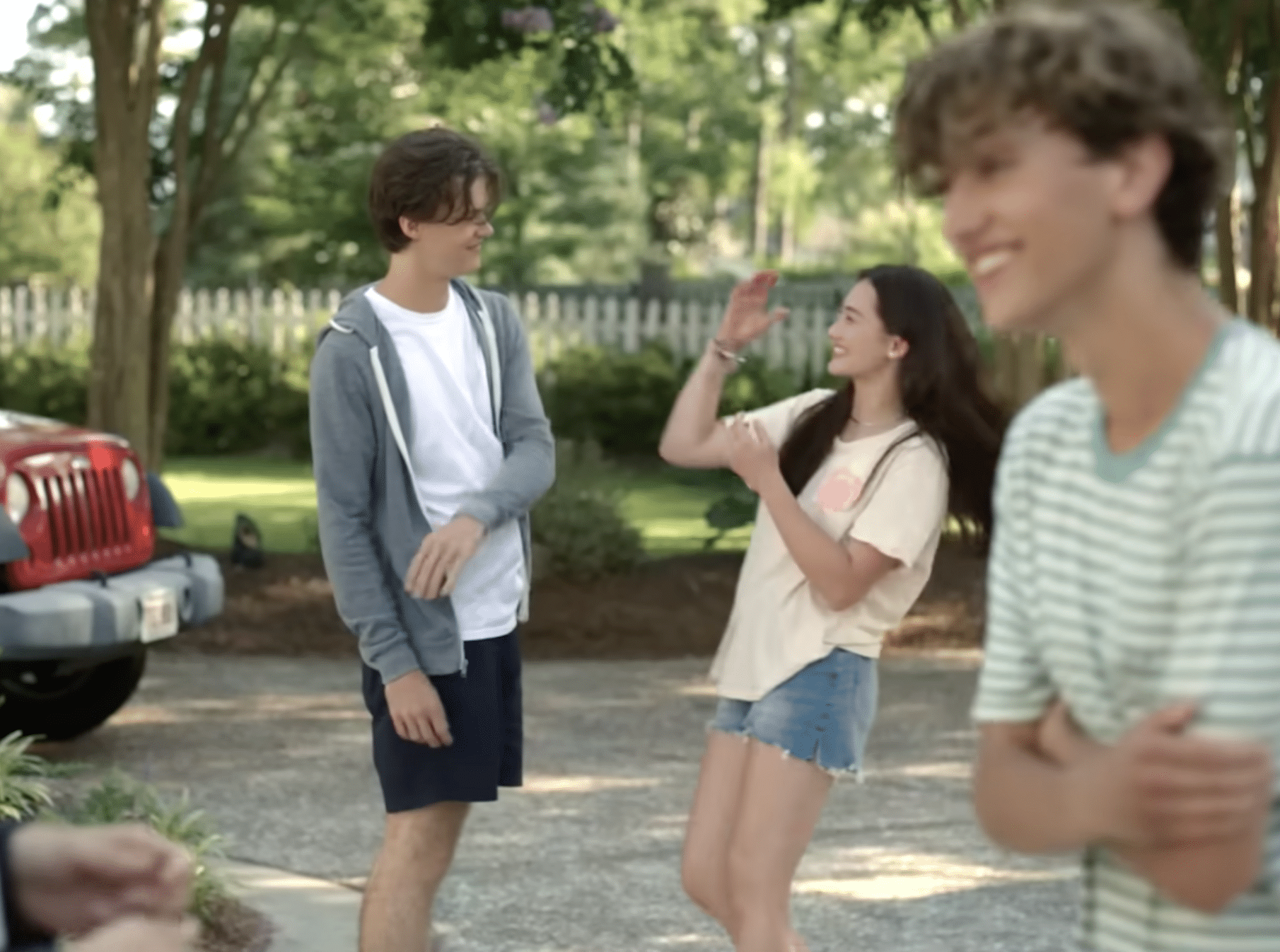
While traditional soundtracks tend to sit quietly in the background to add depth, #BookTok series use music as a narrative force to help propel the storyline, reveal character death and drive social media marketing.
In the case of character depth, “The Summer I Turned Pretty” is a great example as to how music translates a character’s innermost dialogue to the audience. In episode one, the exact moment Belly (Lola Tung) and Conrad (Christopher Briney) see each other again for the summer, Taylor Swifts song “Lover” starts to play.
This unique choice instantly signals to the audience that Belly’s childhood crush has evolved into a high-stakes romantic interest, sharing her secret wish to finally connect with him. In addition to this, the series repeats this technique with tracks from Billie Eillish and Olivia Rodrigo, using lyrical depth as a stand-in for Belly’s internal voice.
” Where words fail, music speaks”
– Hans Christian Anderson
Another great example can be found in “Bridgerton.” Through the signature use of modern pop songs from artists such as Swift, Ellish and Rodrigo, covers in a classical Regency style makes the historical setting feel more fresh, relatable and romantic to Gen Z and Millennial viewers.
Since the audience is already familiar with the lyrics and emotional weight that these songs carry, the instrumental version acts as an unspoken context. During intense glances, witty banter or pivotal ballroom dances of Daphne and Simon’s early courtship, the melody, similar to “The Summer I Turned Pretty,” cues the viewer into the characters inner desires.
#4 Modernizing & Disrupting Traditional Norms
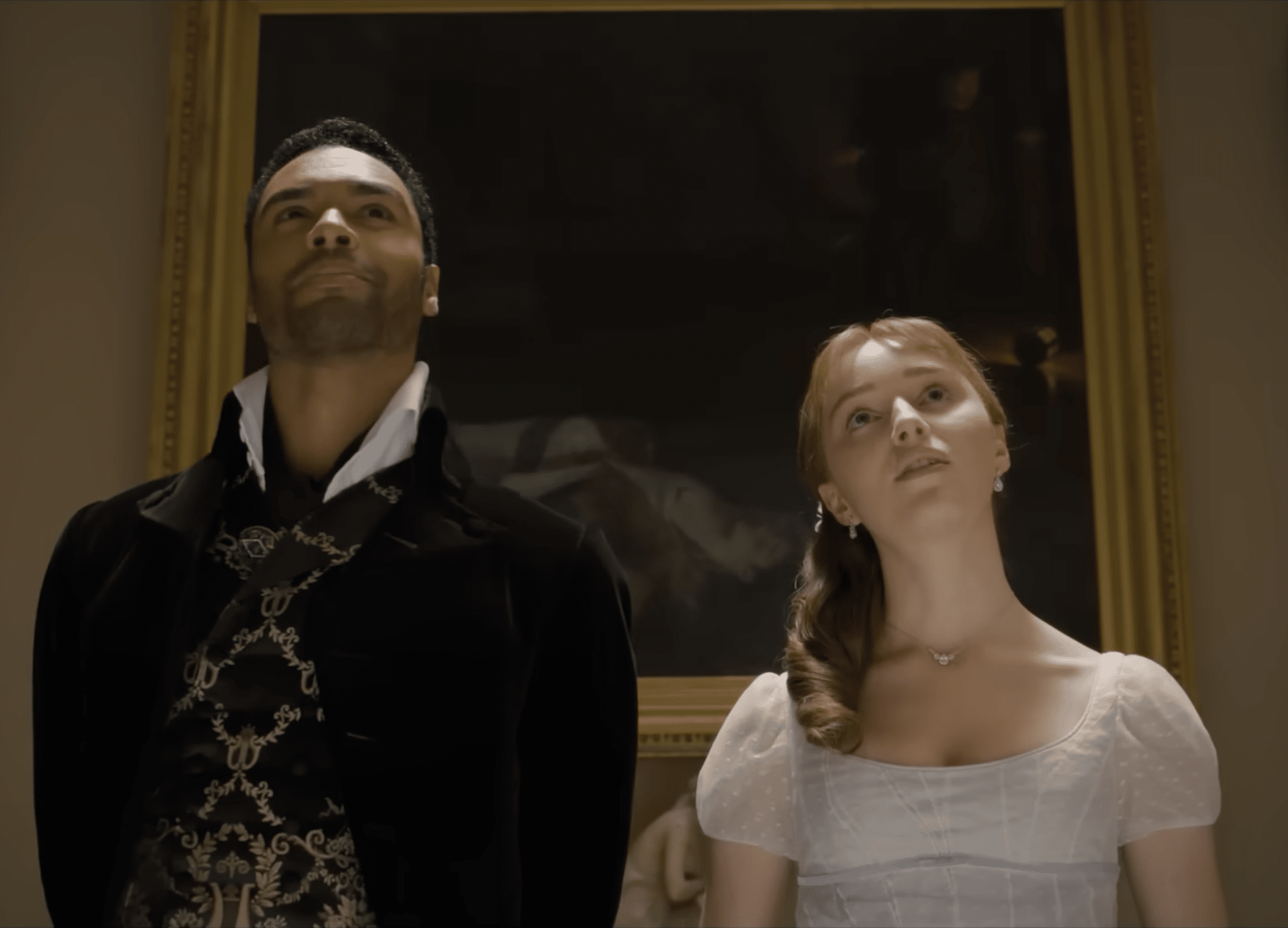
Instead of romanticizing dysfunction, this new wave of #Booktok storytelling empowers characters to thrive in challenging worlds, completely redefining what modern relationships look like.
Traditional Regency-era romances frequently feature heroines with very little agency, confined by patriarchal rules of the marriage mart. “Bridgerton” however, modernizes the genre by infusing contemporary sensibilities and an actively self-aware approach to social power dynamics.
Daphne and Simon’s relationship is built on the contract of fake dating that allows Daphne to actively negotiate her own social value. Daphne is no longer the traditional “innocent maiden” trope by showing that she is actively learning about her own desire, taking control of her future and later demanding transparency from her partner.
The classic love triangle’s often position the female protagonists as a passive prize to be one. However, season one of “The Summer I Turned Pretty” disrupts this framing by focusing heavily on Belly’s emerging agency, self-discovery and her right to make mistakes as she navigates her own desires.
The show allows for the deconstructing of the idealized “perfect summer romance” norm by grounding the teenagers lives in real world complexities like parental illness and shifting family structures. It allows these young characters to experience the non-linear growth rather than forcing them into a fairy-tale ending.
#5 Aesthetics & Lifestyle
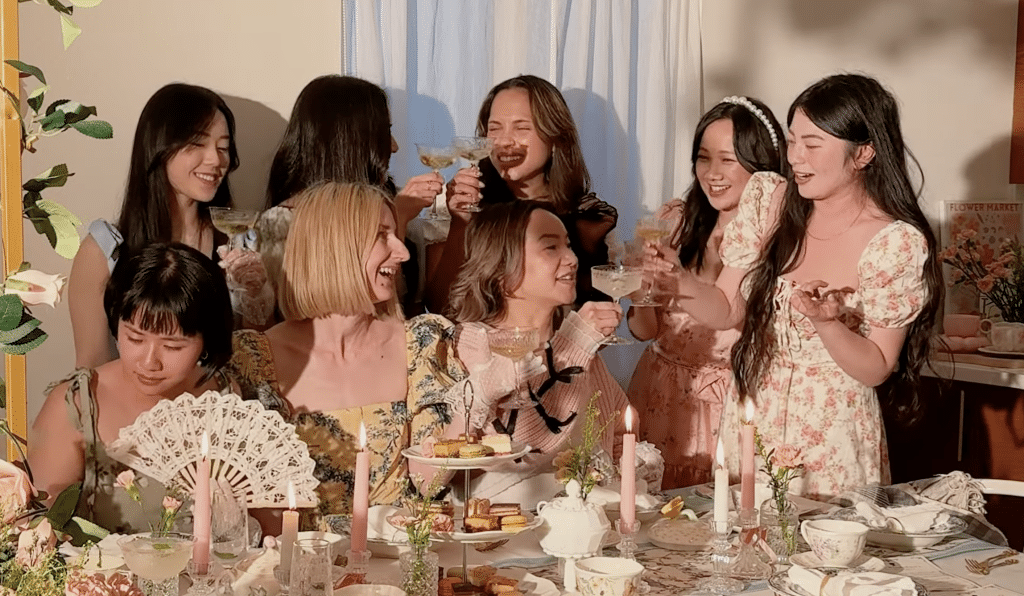
A key reason these stories dominate social media is due to their aesthetics. Platforms like TikTok, Pinterest and Instagram have allowed fans to romanticize their daily lives by adopting visual identities, fashion and general “vibes” of their favorite romances. These titles have shifted how this generation curates their personal aesthetic.
“Off Campus” is where we see the “College Romance” aesthetic. From oversized university crewnecks for game nights, to cozy library study dates with an iced coffee in hand. This aesthetic romanticizes the daily grind of student life, turning grueling study sessions to high energy sporting events into an aspirational, cozy lifestyle.
Linen button downs, pastel knits, beach hair and friendship bracelets. “The Summer I Turned Pretty” fuels the “coastal life” fashion trend. This aesthetic is all about slow living and nostalgia. It inspires you to make the ultimate summer playlists, beach-house mood boards and a lifestyle centered on seaside tranquility surrounded by family.
A “Regencycore” Renaissance of pastel empire-waist dresses, corsets, floral arrangements and handwritten letters. “Bridgerton” has revitalized historical fashion and tea culture for a modern audience. Fans host elaborate tea parties, practice calligraphy and incorporate vintage-inspired home decor into their spaces.
Opposite of “Off Campus,” with “Heated Rivalry” we get the sleek leather jackets, dark winter color palette, luxury hotel rooms and minimalist high-end streetwear. This aesthetic leans into the more mature and moody lifestyle. It romanticizes the cold winter season, early morning workouts and the “quiet luxury” wardrobe.
Final Thoughts
Ultimately, massive online fandoms and endless fan edits from #BookTok and Instagram reels prove that audiences crave stories that challenge status quo values. When a narrative successfully disrupts a tired, traditional norm, it drives massive engagement on social media because it feels relevant to a modern audience.
These platforms have given a voice to a generation of fans who demand inclusive, evolved storytelling. In the end, these viral discussions prove that breaking outdated rules is the new blueprint for a successful romance.