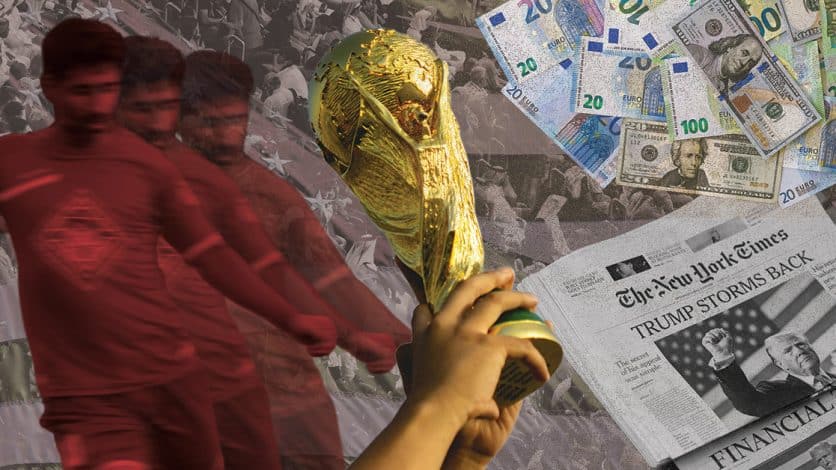
As the World Cup approaches from June 11 to July 19, 2026 in the US, critics are raising concerns that the US is not ready to host the World Cup. Issues with visa approval, venue capability, transportation, and heat are all points of concern for the upcoming tournament. To top it all off, the US men’s national team under Argentine coach Mauricio Pochettino is off to a disappointing start.
The tournament will take place across Canada, Mexico, and the United States in 36 cities. Sixteen of these cities are in the US. But as the summer approaches, many worry that the United States is not up to task. This article breaks down some of these issues into three Vs: venues, visas, and vehicles.
Venues
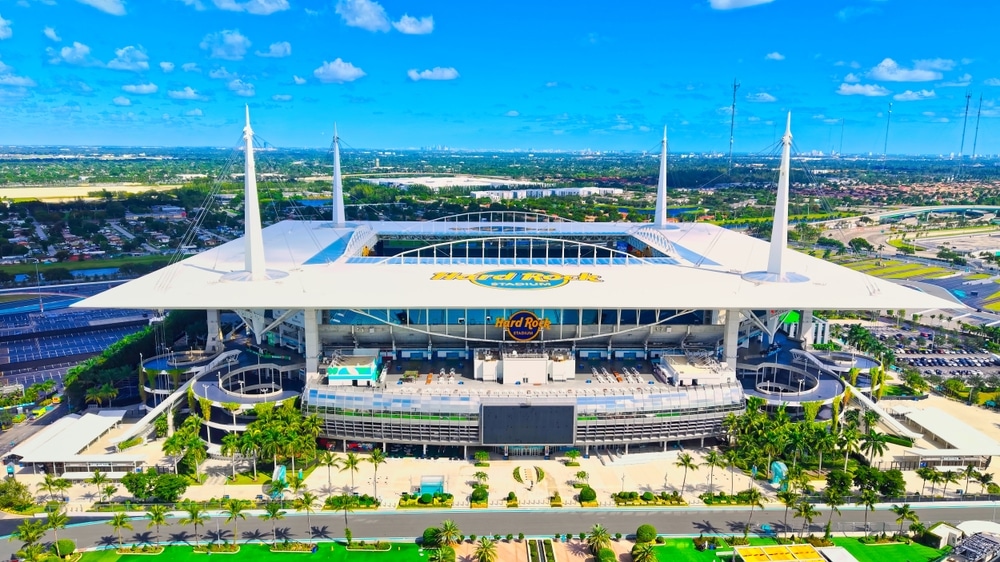
Stadiums in the US are mainly used for gridiron (American) football. Soccer-specific stadiums in the US do not have the capacity needed to accommodate an event of this size. Most large-scale stadiums in the United States and Canada are multi-purpose stadiums, meaning the stadium is easily convertible for different games. Multi-purpose stadiums were popular in the 1960s and 70s. Many were built with the idea of being the home venue for both Major League Baseball and National Football League teams.
However, all of the chosen stadiums can and will be converted for soccer purposes. According to FIFA’s directions, all of the stadiums with artificial turf will be converted to grass fields.
Players complained about the quality of the pitches in this summer’s Club World Cup. However, this might be because the pitches used for the Club World Cup were installed only a few days before being used. Plans for the 2026 World Cup involve installing the grass fields several months in advance with a layer of sand several inches below for proper drainage.
Advertising
The selected host cities also have less avenues of advertising revenue than in previous iterations of the event. For example, the host stadiums are not allowed to use their official names due to advertising concerns. They instead will be referred to by the location of the venue. This story suggests that the MetLife Stadium (referred to as the New York/New Jersey Stadium for the tournament) may miss out on $80 million dollars in venue, in addition to the cost of hiding non-FIFA sponsor branding around the stadium.
Heat
Additionally, the US summer heat is a concern. There were already issues in the Club World Cup this summer, as detailed in this TIME article. A heat wave enveloped the US during the summer’s tournament, and players had to play in heat that reached up to 100° F. Summer heat was also a hot topic in the 2024 Paris Olympics, where the host committee decided not to provide air conditioning in the athletic villas in an effort to minimize climate impact. As the world continues to heat up, it is evident that global warming is creeping into sports in a very real way.
Vehicles
As a general rule, American cities lack much of the public transportation infrastructure that European counterparts may have. Weak public transportation systems will easily be overwhelmed and clogged, says The Transit Guy on Substack.

Two points of concern are when visitors leave the airport and when visitors go to and from the stadium. Several main airports for the event lack sufficient shuttle options from the airport, which may result in people stuck at the airport for hours. Venues also must consider accessibility in entering and exiting a stadium for the same reason. Additionally, this strain on transportation infrastructure could inconvenience locals with traffic issues and higher fares.
City planning
The United States does not have a specific taskforce for sports or tourism. With DOGE cuts, it seems highly unlikely that such a taskforce will emerge. Planning and funding for the event is largely left to the individual host cities.
FIFA’s host city system has decentralized since the 1994 American World Cup, making cities take on more costs while collecting less revenue. Essentially, each host city has its own relationship with FIFA, rather than one American relationship with the megacorporation.
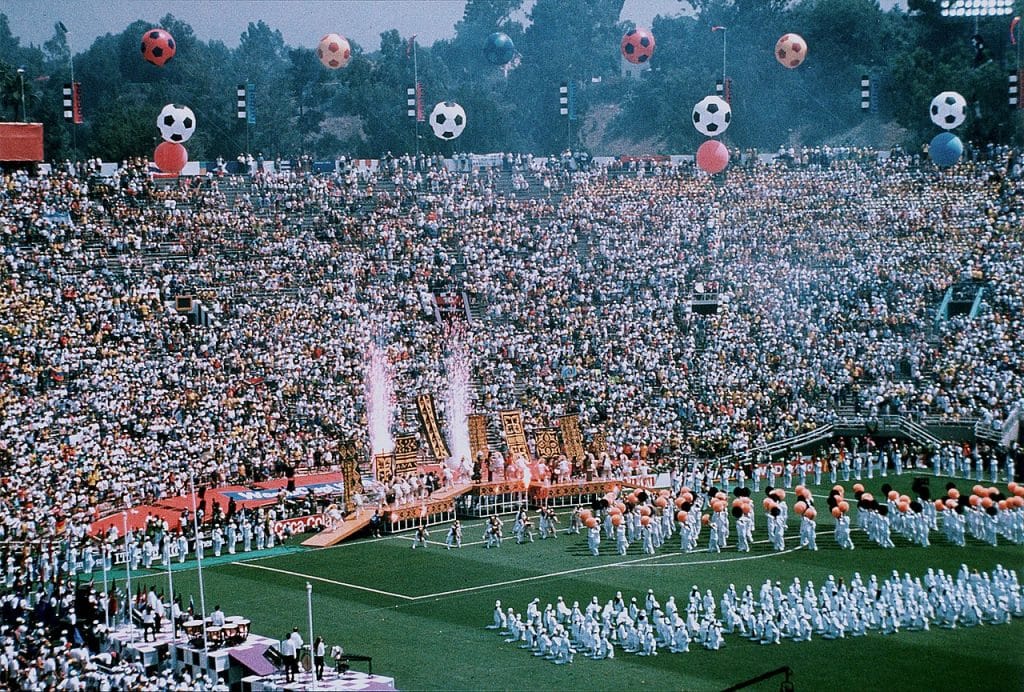
According to POLITICO, host city committees are now scrambling to produce hundreds of millions of dollars to cover tournament costs. Some are tapping into state funds set aside for major events or even considering leveraging new taxes.
Certain cities, like Montreal and Chicago, dropped out of consideration to host the games due to financial concerns. Host cities are responsible for any costs associated with renovations or construction for the event. Some residents of the host cities worry that their tax money isn’t going towards their own city, but an event geared towards tourists and revenue generation. Research increasingly suggests that the costs associated with hosting large sporting events rarely result in an economic boost for the city.
Visas
Finally, political turmoil under the Trump administration may leave prospective tourists wary about traveling for the historic event. Immigration and Customs Enforcement (ICE) personnel are slated to be present at the matches. Considering recent events, worries of ICE scooping visitors off the streets for detainment aren’t far-fetched.
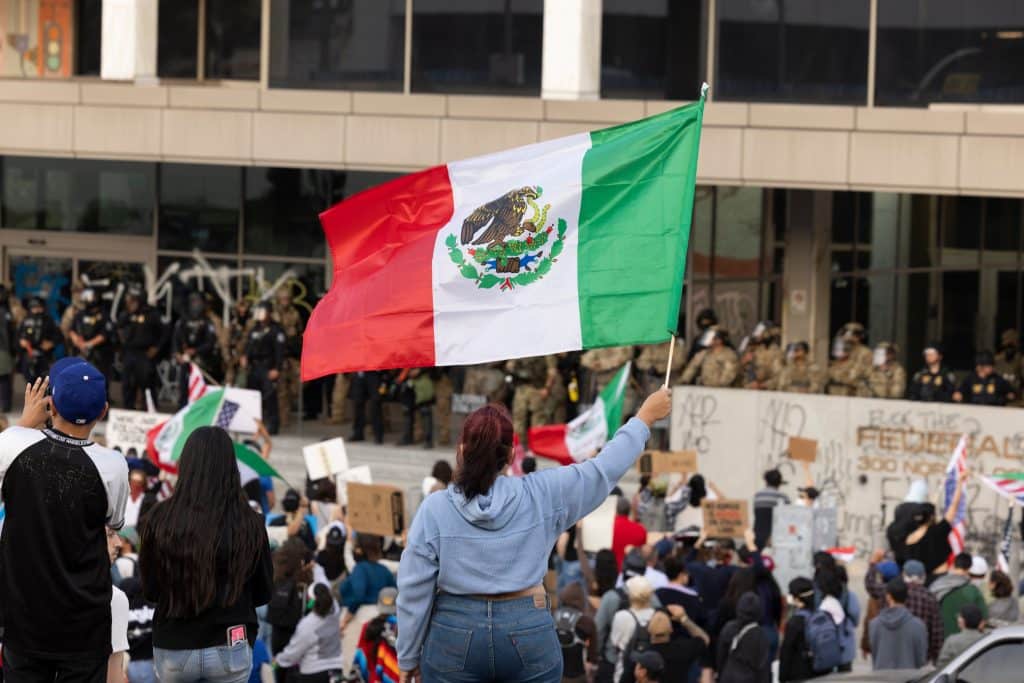
The Trump administration has placed travel restrictions on 12 countries (mainly in the Middle East and North Africa) including Iran which has qualified for the tournament. It is considering adding 36 more to the list, according to Forbes. Some of these countries, like Egypt, Cameroon, and Cote D’Ivoire, among others, are poised to qualify for the World Cup in the CAF qualifiers.
Visa application wait times may prevent possible tourists from visiting the matches held in the United States. Visa applications from different countries can take up to several months to be completed. As the tournament approaches, some applicants may have already missed their window.
Conclusion
Any country hosting a global event of such a scale isn’t wrong to be apprehensive. But these factors highlight some of the uniquely USAmerican issues that may crop up as the 2026 World Cup approaches. These issues highlight systemic problems in the United States, like insufficient public transit or the increasing isolationist policies it touts. Lots has to happen in the coming months in order for the event to run smoothly–otherwise, the United States is in for a bit of embarrassment, and not just over their unfortunate men’s national team.