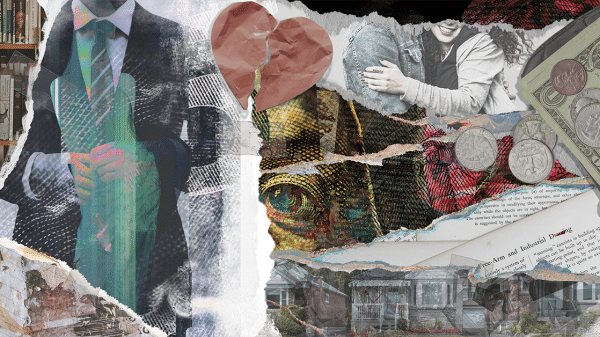
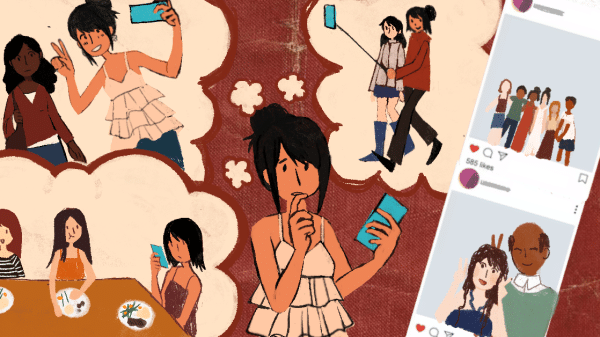
Reading has always and should always be an experience. As a process, reading can be slow and intimate, acting as both a window to new worlds and a mirror reflecting your own. The appeal of reading, however, has begun to trump the experience, and “performative reading” is invading our sacred literary spaces. Where did this concept come from? And is it really as bad as people say?
BookTok Beginnings
After the onset of the COVID-19 pandemic, readers from around the world sought refuge in online spaces like BookTok to connect through shared interests. BookTok quickly became the world’s largest digital book club.
Each video hosts a friendly book influencer surrounded by their personally organized bookshelves enthusiastically offering recommendations. Anyone interested in reading a romance book but doesn’t know where to begin can find millions of videos with suggestions as broad as a “beginners guide to romance” or a list of books that offers fan favorite tropes down to personality quirks of the main characters.
For all its devoted fans, BookTok is no exception for the internet trolls. As an online space, I’ve found that, unless you put yourself out there for BookTok and other literature-based forums to find you, the likelihood of finding yourself smack in the middle of bookish discourse is slim. The algorithm does, after all, cater to your interests.
Therefore, a majority of the backlash against BookTok comes from within. Its readers are attacking other readers within their own spaces. But why?
Private or Performative?
Unlike many modern activities, reading allows people to engage deeply and privately, without interruption or performance. Yet many now seem eager to showcase even this solitary pleasure. A book represents an inner life, something increasingly scarce in a culture fueled by thirst traps, hot takes, and humblebrags.
It’s no stretch to say that social media has made a spectacle of daily life. The influencer and content creator are perfect examples of this point. It can be exciting to “experience” someone else’s life through the window of social media, especially if they represent ideals or a lifestyle you hope to create for yourself.
The book influencer is just that: an influencer with a special interest in books. What was once a mostly private affair has become broadcasted throughout the internet in these bookish spaces. These creators post updates on a current read, share thoughts on authors, and show off their large, curated collections of books to massive audiences.

Larger platforms often transform creators from “book best friends” into public figures, encouraging them to prioritize a recognizable brand over casual relatability. It’s easier to cater to a smaller, more assured audience, so it’s in the influencer’s best interest to curate their platform in an aesthetic that appeals to the audience they wish to attract.
These overly curated environments and personas often attract criticism from people who doubt the authenticity of their platforms. For example, posts featuring fully stocked bookshelves with special, vintage limited editions, desks with chunky portfolio notebooks and stacks of new unread purchases, and stylish outfits clad with matching novels as accessories have stirred as much controversy as admiration.
So, Who Are the “True Readers?”
The image of reading is almost, if not more, intriguing than the act itself. What once may have begun as a genuine interest in reading and community has become a total aesthetic performance. Influencers have, whether intentionally or not, promoted a version of reading driven by the pressure to stay current and participate in BookTok’s fast-moving conversations.
It’s hard not to become convinced and totally enthralled by the attractive lifestyles of the reader content creator. What book lover wouldn’t love to spend hundreds of dollars in Barnes & Noble for a book haul video challenge?
As these platforms perfectly curate impressions of “book lovers”, concern over the authenticity of the content comes into question. A lot of people are quick to throw criticism based on what and how you read. In the boom of reading over the past few years, some people online have felt the need to covet the reader’s identity and shame anyone who tries to appropriate it via the “performative reader.”
Rather than reading books, the performative reader allegedly accumulates and exhibits them to project a particular identity. They are the person who carries a vintage copy of Dostoyevsky in their tote bag as a photo prop but never actually reads it. But what’s the purpose of this performativity?
Well, when you see someone reading, you may be assumed to be intelligent or pursuing some form of betterment. The book has always been a symbol of intelligence and elitism, and the performative reader, more or less, understands this. Today, anyone can log into social media and doomscroll. To log off and read a book means something to the observer: you’re different from other people.
The ability to be totally offline is now viewed as a strength and a luxury. The new interest in physical media and “analog” aesthetics makes it appear like one is unbothered by social media discourse or trends. Again, these “aesthetics” directly relate to the construction of perceived identity. The analog user is “better” than the average online person, the reader “better” than the iPhone user.
So, we’ve established that books (to some) have transformed into consumerism controversy, analog accessories, and symbols of aesthetic intellectualism. So, if BookTok wants to poke fun at people and accuse them of playing pretend, is that so bad? I would argue it’s worse than you think.
Reading Has Always Been Controversial
Performative reading has actually existed for hundreds of years.Throughout history, people have sought to separate readers along lines of class and social standing. By the sixteenth century, the image of the reader had become so coveted that artists often depicted their subjects engrossed in books, using reading as a marker of status and sophistication.

Books are the ultimate status symbol, and celebrities today are being accused of using stylish or impressive books to earn some kind of social credibility. The unique value of a book as an accessory is unmatched. A carefully picked book communicates taste and identity. Some people have accused these celebs of performing for the camera to create the illusion of being a reader to reap the social benefits. It’s a hard line to follow, as these accusations may be scaring off potential readers for fear of similar criticism.
On the topic of taste, it is interesting to consider how celebrities choose to be perceived based on what books they choose to hold. Why does it always seem to be some highbrow classic which already holds cultural significance and never some trashy romance?
What About Romance?
Once reading became more accessible, the elite developed the literary critique to separate the “good readers” from the “bad readers.” The “good reader” can decipher a text to develop theory and meaning, while the “bad reader,” according to author Virginia Woolf, is “hasty, inaccurate, and superficial.” Of course, the good reader presumably has access to education, which undoubtedly points to some kind of wealth.
The dime novel was a short paperbound booklet which was cheap in production and price and usually featured thrilling action and romance stories. Because they were targeted for the working class, these books developed a reputation as degraded literature.

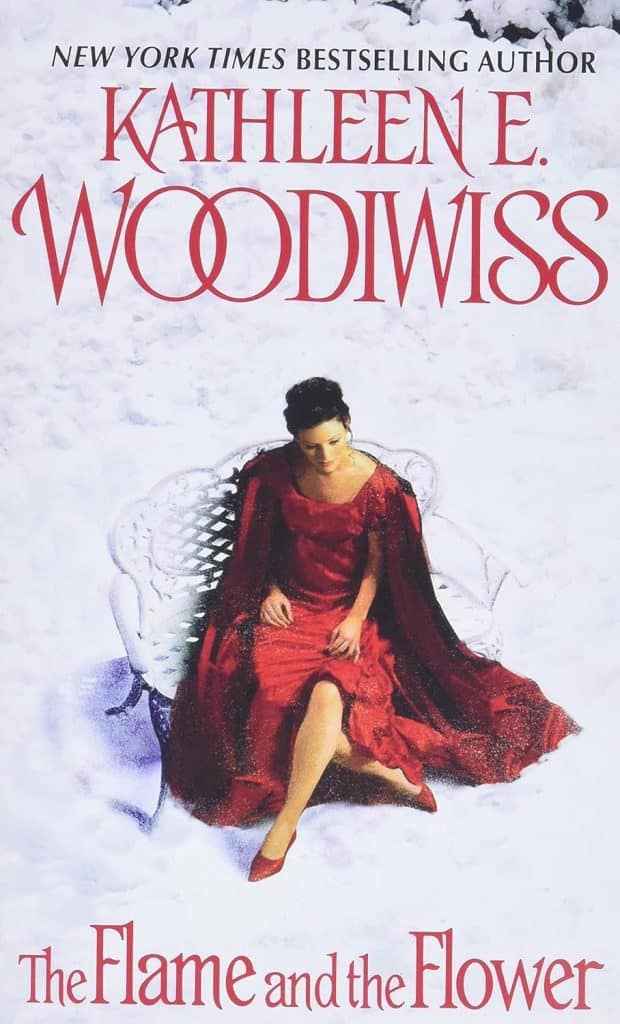
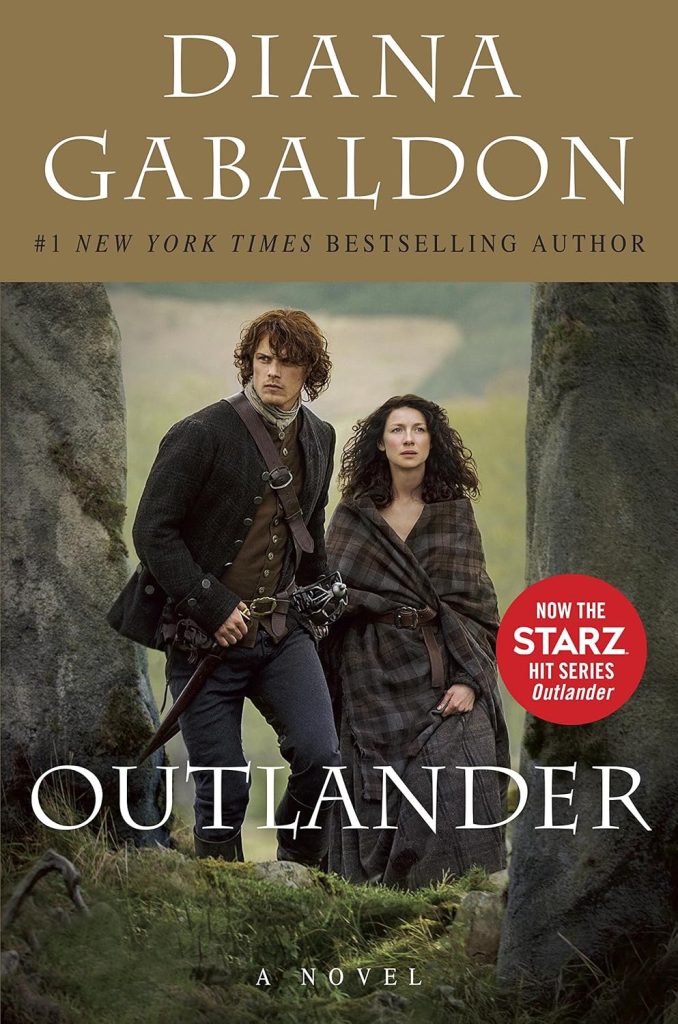
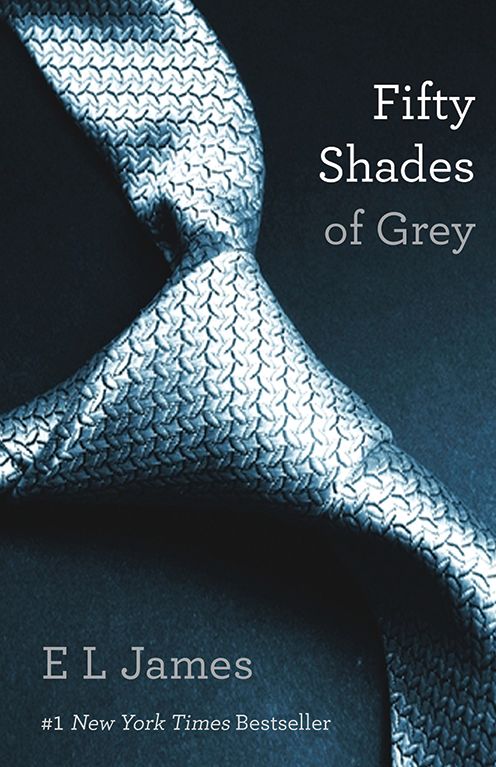
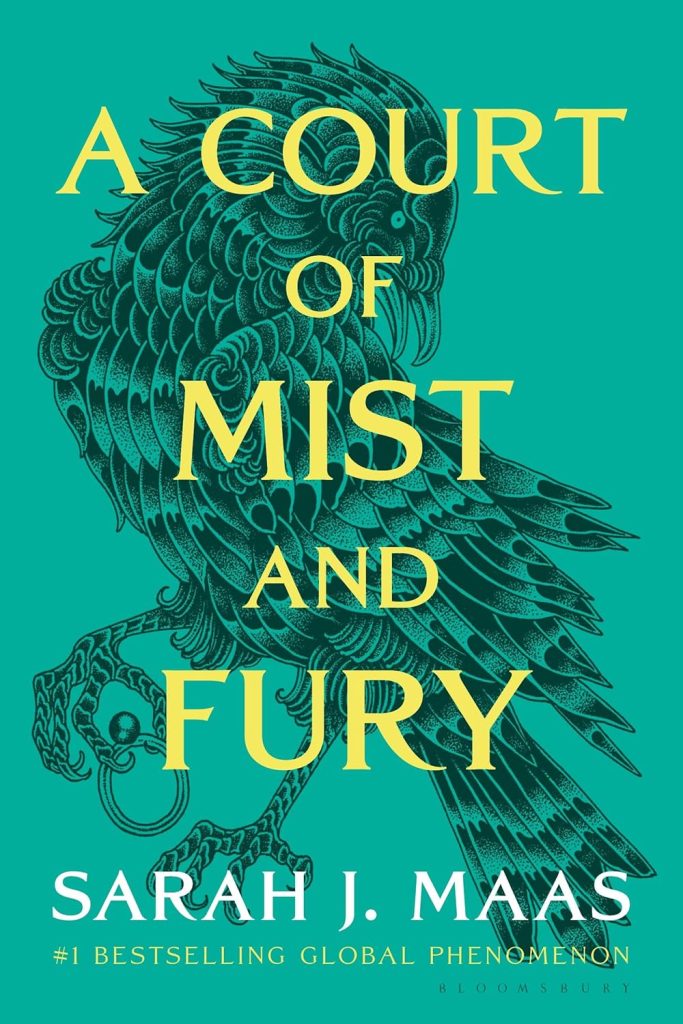
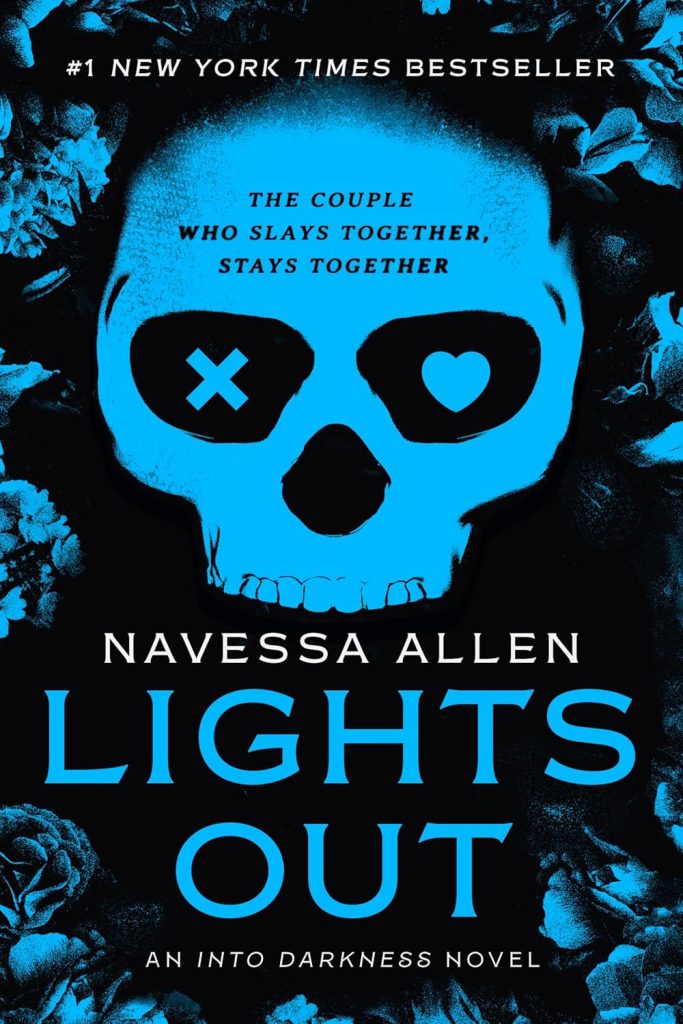
The cheap “trashy” romance novel never went away, despite the grievances, and in the 1970s, the bodice ripper romance subgenre was invented. With Kathleen E. Woodiwiss’s landmark novel, The Flame and the Flower as the catalyst.These novels were the first of their kind and absolutely influential for bringing explicit sexual content into mass-market romance.
The genre proved so popular that it persists today in the form of dark romance. Yet, romance fiction continues to face many of the same critiques it encountered a century ago. Critics, particularly within male-dominated literary circles, frequently dismiss works written by women for women, and undervalue their focus on female subjectivity and interiority.
So, celebrities only pretend to read and romance readers are doomed by societal sexism and the reduction of a genre to its weakest stereotypes. What about men?
Why are Men Being Accused of Performativity?
Why are men now on the performative reader chopping block when they used to be on the other end? Although reading started out as an exclusively male luxury, over time, it became a predominantly female pastime. Women account for nearly 80% of fiction sales in the US, and so, naturally, publishing has leaned into its primary audience.
Reading slowly became associated with the feminine and some have speculated that the rise in male marketed video games has replaced the need for the novel as an escape through immersive storytelling.
The “performative male” started as a joke to poke fun at men who will feign interest in women’s issues to gain the interest of women. While initially harmless, with men holding performative man competitions in cafes while holding matchas and “reading” The Second Sex, it led society to believe that young men do not and should not have the capacity to read and enjoy the act of doing so. This trend has devalued the act of reading and the feminist literature genre to solely a woman’s concern.
Whatever the intentions of this trend, its popularity has contributed to the much larger issue of assuming that reading is a performative act for many individuals.
In Defense of Performing
Social media has undoubtedly negatively influenced how young people establish a sense of selfhood. The pressure to constantly present yourself on social media can amplify self-consciousness and create a divide between who you are and the version of yourself you curate for an audience.
What began as a critique of how social media encourages performative reading has since grown far beyond its original intent. The label of the “performative reader” now fuels unnecessary suspicion and gatekeeping, causing more harm than many people recognize.
Young people increasingly feel anxious about reading in public because they fear being judged and labeled as performative. Readers drawn to classic literature often worry others will see them as pretentious, questioning their own tastes and intellect. Romance readers frequently turn to e-readers to avoid the embarrassment of displaying overtly suggestive or recognizable covers. Men are straying away from authors and topics known for their popularity among female readers because of their own fears of controversy.
Social media encourages people to constantly monitor both others and themselves, creating anxiety about whether they are reading in the “right” way. Yet no single correct way to read has ever existed, and none ever will.
Ultimately, everything you do is a performance, whether you know it or not. Something so small as smiling at someone on the street is technically performing the appearance of a nice person, but the subtle communication of dressing a certain way, listening to a certain type of music, and reading certain books is a beautiful way to engage with those around you and signal “Hey! We like the same things! Let’s be friends.”
It’s no surprise that reading has become as technical as it has, because it’s essentially always been this way. If you’re someone who loves to call out fake readers, consider changing your ways. Performative reading for aesthetics is essentially net positive; it supports local bookstores and authors while the reader might gain something from their reading, even if it’s for the wrong reasons. And if someone avoids reading because they fear being called performative, aren’t they performing for that audience already?
We should all stop micro-monitoring ourselves and each other to the standards of internet trolls. Just enjoy what you love, no matter how “cringe” or “performative” those interests may seem.