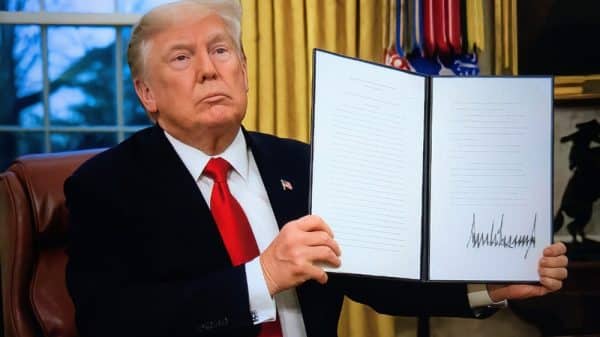


On April 7, 2026, the world watched anxiously as a deadline set by Donald Trump for Iran to agree to a ceasefire rapidly approached. Military personnel were placed on high alert, bracing for a possible escalation- only for an agreement to be reached in the final hours.
The deal, expected to hold for two weeks, has eased immediate fears of a broader regional war. Oil prices, which had surged amid threats to shipping in the Strait of Hormuz, have begun to stabilize. Officials in Washington have pointed to the ceasefire as a success. But a closer look reveals a more complicated reality; the agreement has paused the conflict, without resolving the underlying issues that brought the two countries to the brink of direct confrontation.
Iran has not committed to relinquishing its enriched uranium stockpile, nor has it clearly ceded control over maritime activity in the Strait of Hormuz, which has placed the global economy in a chokehold over the past month.
A pause, not a resolution
Both sides have presented the ceasefire as a victory.
U.S. officials have emphasized the reopening of the shipping lane and the avoidance of further escalation. Iranian leaders, by contrast, have framed the outcome as proof that pressure tactics- particularly maritime disruption- can extract concessions while avoiding full-scale escalation from Western powers.
This divergence reflects the limited scope of the agreement. It establishes no framework for managing the Strait of Hormuz and imposes no new constraints on Iran’s nuclear activities. Instead, this ceasefire only buys time for negotiations that remain uncertain.
“US Vice-President JD Vance remained tight-lipped as he returned from Islamabad on Sunday without a major breakthrough in high-stakes talks to end the war in Iran. It was unclear how much, if any, progress was made in the highest-level diplomatic negotiations between the US and Iran in decades. After 21 hours of back and forth in the Pakistani capital, Washington and Tehran remain far apart on key sticking points, including Iran’s nuclear programme”.
In the meantime, Iran appears to retain its most significant source of leverage: its geographical proximity to the Strait of Hormuz.
Constraints in Washington
The narrow scope of the ceasefire also reflects political realities in the United States.

After decades of war in the Middle East, including the Iraq War and the War in Afghanistan, the American public shows little appetite for another prolonged military engagement in the region.
Securing lasting control over the Strait of Hormuz would require fundamentally altering Iran’s strategic position in the region, and would likely require a level of military commitment that remains politically untenable. As a result, the focus has shifted from resolving the conflict to managing it.
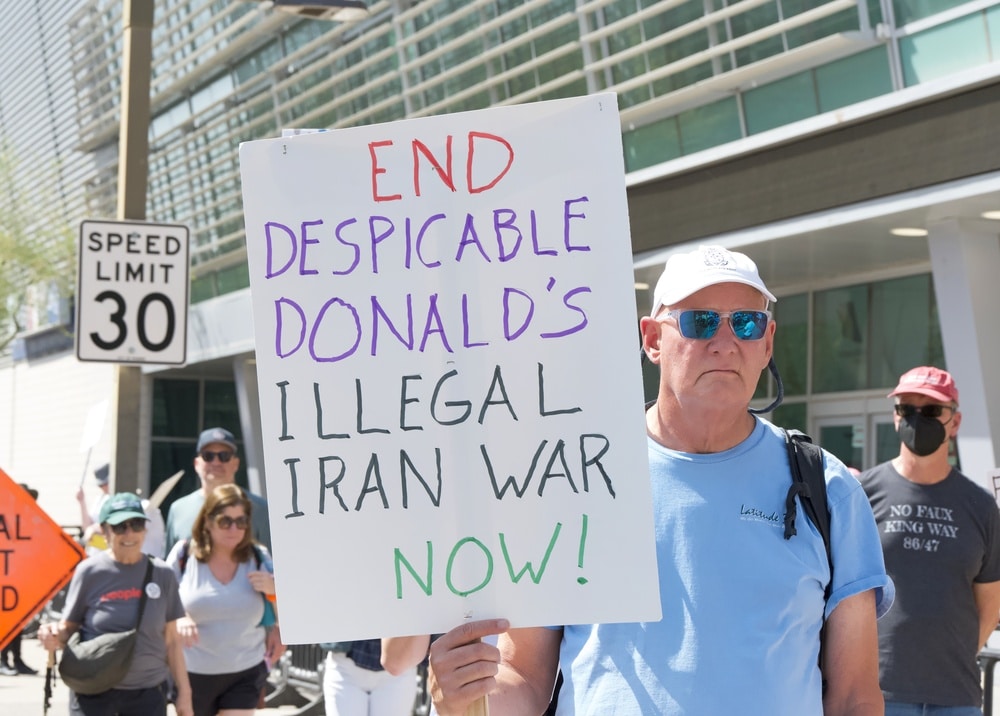
Political rhetoric has further complicated that effort. Some observers have widely interpreted statements by Donald Trump as threats toward Iran and its citizens. Even within his political coalition, some prominent voices have begun questioning the reasoning behind another conflict in the Middle East.
The cycle continues
The result is a pattern that has become increasingly familiar: periods of heightened tension followed by temporary de-escalation without a lasting agreement.
The current ceasefire fits squarely within that cycle. By halting hostilities without addressing core disputes- control of the Strait of Hormuz, and the future of Iran’s nuclear program- it risks setting the stage for renewed tensions once the agreement expires.
Whether the two-week pause is extended or collapses altogether remains uncertain. But the incentives on both sides suggest that a durable resolution will be difficult to achieve.
For Iran, the arrangement demonstrates that it can maintain its strategic position while avoiding the costs of a full-scale war. For the United States, it reflects what the country can achieve without a deeper and politically risky commitment to the region.
What comes next
If negotiations break down, tensions are likely to return to pre-ceasefire levels, with renewed risks to shipping and the possibility of direct confrontation. But even if the agreement is extended, the outcome may prove just as problematic. A prolonged ceasefire without meaningful concessions risks cementing the very dynamics that led to the crisis in the first place.
When the pause ends, there is little reason to believe the next confrontation will be any easier to defuse. If nothing else, this episode may leave a lasting imprint in Iran, reinforcing perceptions of the United States as a persistent threat and strengthening public support for a more confrontational stance.