Venezuela has not experienced an earthquake of this catastrophic magnitude since the 1967 Caracas earthquake.
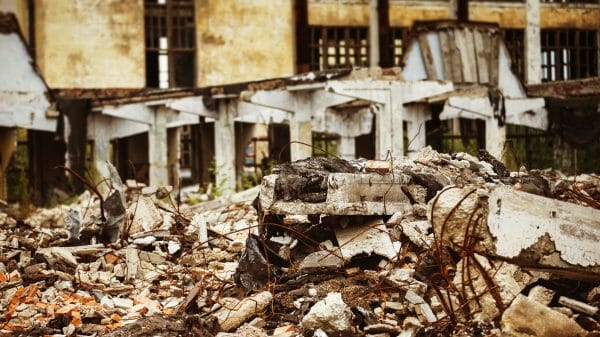
On June 24, 2026, there were two back-to-back earthquakes in Venezuela. Many infrastructure buildings, including hospitals, residential apartments, commercial centers, and vital water and power networks in the Capital District, La Guaira, and Carabobo, have been damaged.
The government in Venezuela has been trembling after the capture of former President Nicolás Maduro by the United States Military in January 2026.
Current Acting President, Delcy Rodríguez, has declared a state of emergency as she is trying to aid those who are harmed and in need of resources. Various international aid organizations have also been involved in providing aid to Venezuelans.
The damage these earthquakes caused
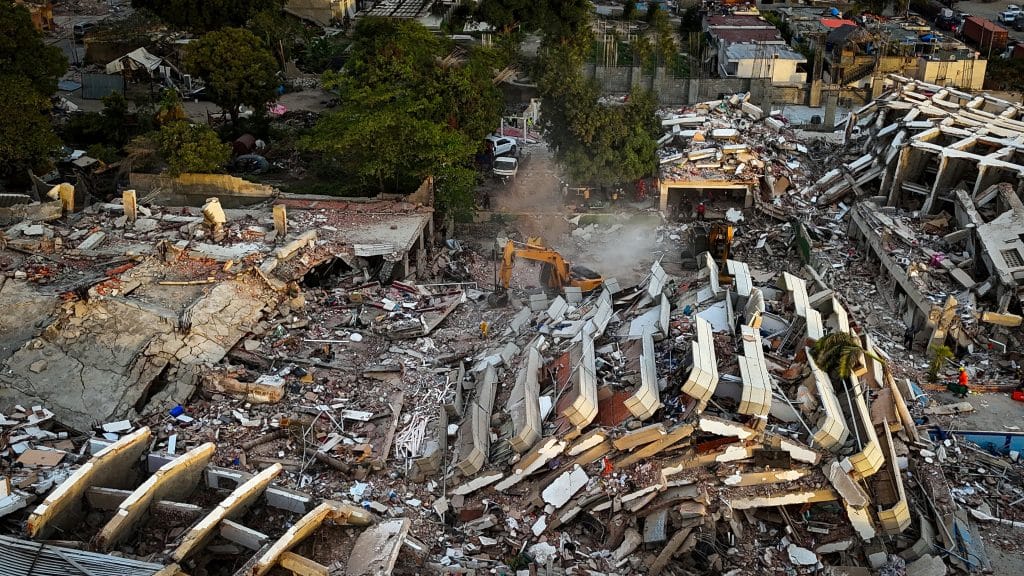
The earthquake was a magnitude 7.2 followed 39 seconds later by a magnitude 7.5. The disaster has caused over 1,900 deaths, 10,000 injuries, and widespread power and utility outages, forcing the government to declare a national state of emergency.
While local officials initially estimated that between 855 and 2,500 structures were hit, satellite data analyzed by researchers at Oregon State University suggests the destruction is much worse, with nearly 58,870 buildings likely damaged or destroyed.
UNICEF has reported that up to 3.9 million children live in the impacted zones, warning that thousands of families are now facing severe risks from family separation and sudden homelessness.
The first response: local and international aid
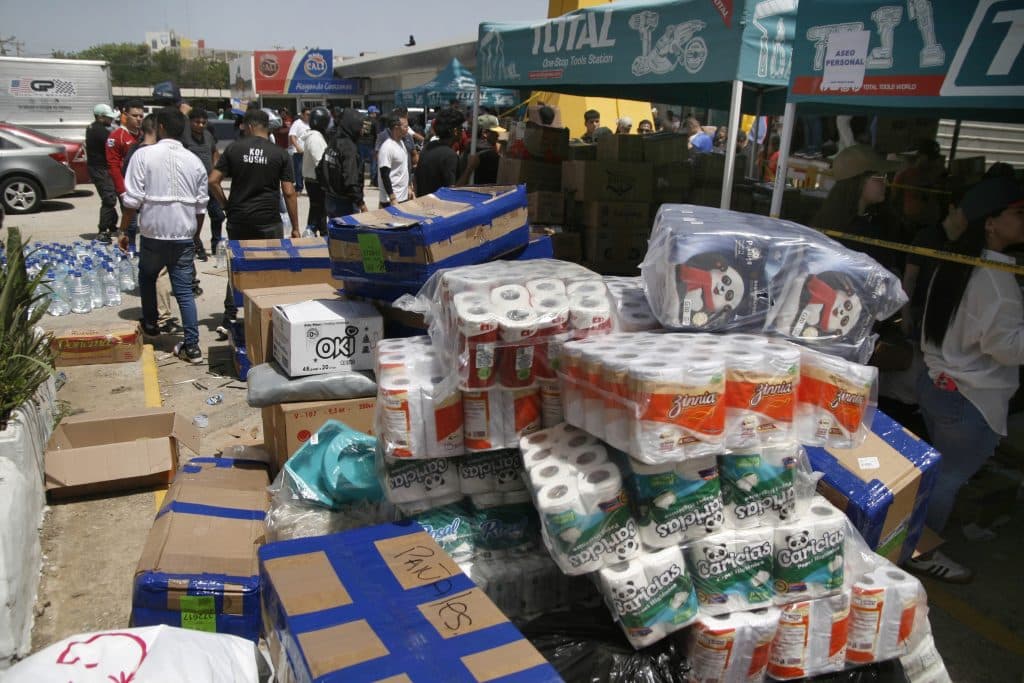
The World Food Programme was already supporting half a million through local school meals and community networks before the quakes. The disaster has changed operations by causing the organization to redirect its focus toward immediate crisis relief.

Many families who have lost access to such as their homes and clean water are unsure where they will find their next meal. Families at newly established relief centers can still cook but the destroy infrastructure and widespread loss of income means that most people can no longer afford or find groceries.
The World Food Programme has provided emergency food supplies to more than a thousand residents in the severely impacted region of La Guaira. They plan to expand this assistance to reach half a million displaced people over the next three months.
This organization currently holds more than 3,000 tons of food within the country, which is enough to sustain over 10,000 families for two months. It helps that the ports of La Guaira and Puerto Cabello remain open for humanitarian aid cargo to be transported from and to these centers.
In addition, at the request of the Venezuelan government, the United Nations has helped coordinate a deployment of more than 2,400 rescue specialists and 188 highly trained search dogs from 29 different countries.
How long will this help last?
Each organization has different timelines but massive military and specialized first-responder operations are temporary. Organizations like the United States Southern Command, which has deployed roughly 2,000 personnel to manage airfield operations and clear rubble, have stated that their mission is strictly focused on immediate crisis stabilization. Once their search operation is done they are expected to leave.
Organizations like the WFP have launched an initial 15 million
In addition, the Pan American Health Organization and the World Health Organization have issued a 23.9 million dollar appeal to provide essential medical care, combat potential disease outbreaks, and manage surgical backlogs over the next six months.
The European Union and the United States have spent hundreds of millions of dollars in immediate humanitarian funding, however to recover from this amount of damage will require billions of dollars. So, securing the funds to rebuild the country’s infrastructure will be another challenge especially how vulnerable the government currently is.
How Venezuelans are handling this natural disaster
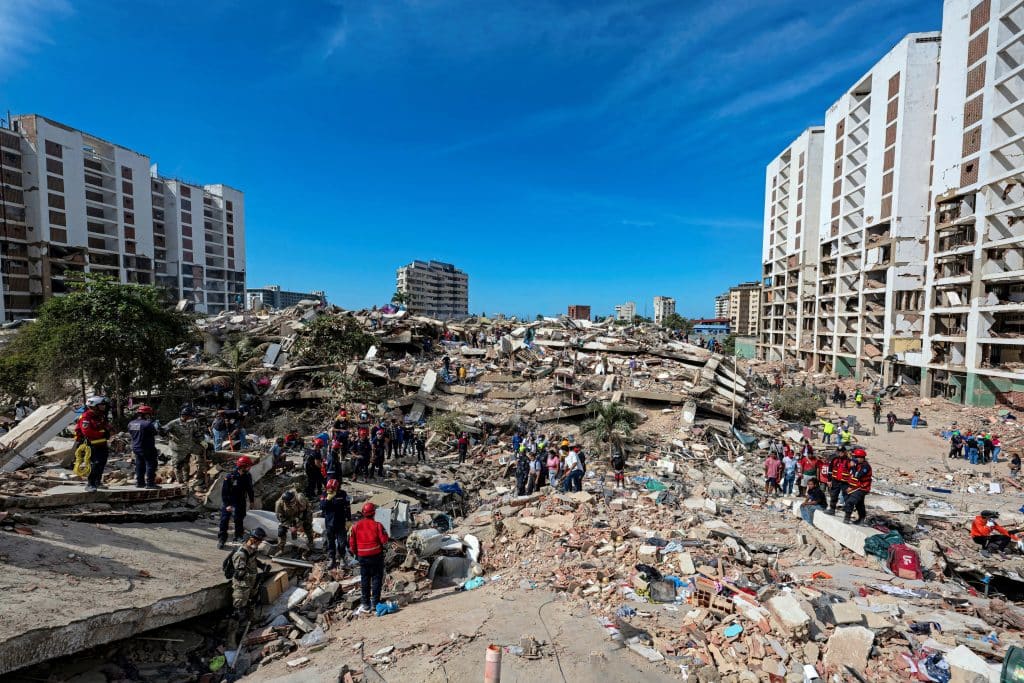
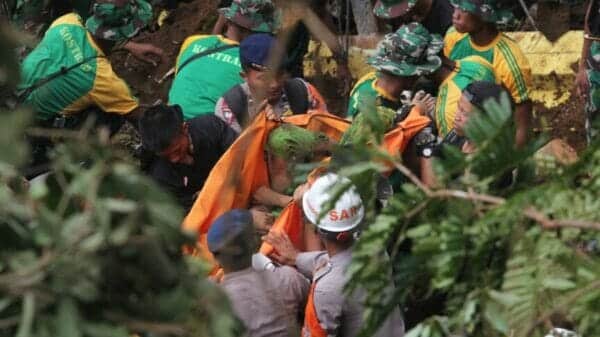
Civilians are facing many emotional and physical challenges. Tens of thousands of people have to adapt to life in crowded temporary shelters. Since local utility networks have been fractured, civilians are forced to spend hours waiting in long lines for clean water, basic rations, and medical attention.
“I was asleep when the shaking woke me up,” resident Amarelis Mendoza told The Guardian following a major aftershock.
Yet despite the overwhelming grief and anxiety, people are finding ways to stay connected and support one another. There is a massive wave of community solidarity that has emerged among Venezuelans. People are working side by side with local volunteer networks to share what little food they have left and cook communal meals in makeshift outdoor kitchens.
Community leaders and local youths are also forming independent volunteer squads to manually clear debris from blocked streets, help elderly residents move to safer areas, and assist international relief teams by translating, directing patient flows at overwhelmed medical centers, and tracking missing neighbors.
Long-term recovery
Overall, it is clear that recovery will take time. While the extra hands providing aid will be helpful in the beginning, Venezuela will eventually be on its own after a while. That is when the question comes: will they be able to rebuild and return to how things were?
It may be difficult for civilians to go back to their daily lives and for the government to manage this crisis. The United States’ heavy involvement in the country’s governance this year, establishing stability, might prove even harder for the current administration.
Venezuela will require a massive, multi-year rebuilding effort that will rely heavily on both international funding and domestic political stability. Restoring nearly 59,000 ruined buildings and shattered power grids requires billions of dollars that the local economy cannot provide alone.
Securing long-term foreign investment and maintaining transparent resource management will ultimately determine whether communities can truly heal and safely build their future, as well as Venezuela’s.