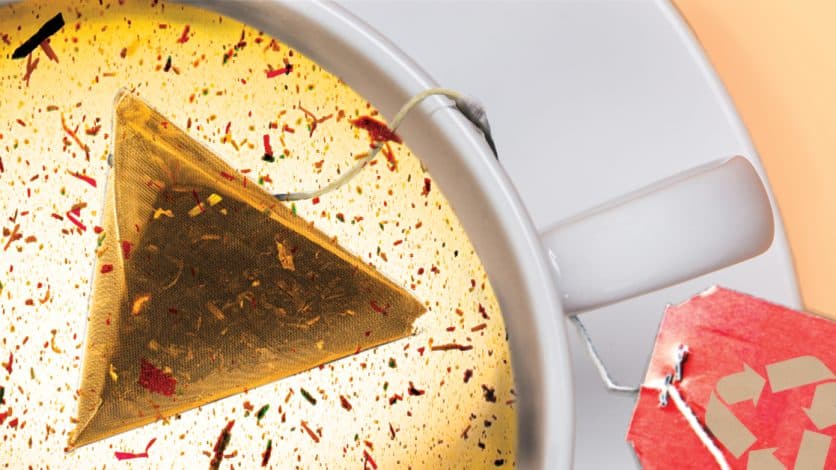
A cup of tea is often thought of as a simple, healthy habit.
But the brewing process may introduce something drinkers rarely think about: microplastics. Researchers have found that some modern tea bags can release billions of these particles when steeped in hot water.
The finding surprised many drinkers and added a new element to the growing conversation about plastic exposure in everyday life.
For years, scientists and policymakers focused on plastic pollution mainly as an environmental issue, highlighting its effects on oceans, wildlife, and landfills. More recently, researchers have begun examining another question: how microscopic plastic particles move through the food system and enter the human body.
Tea bags have now become part of that discussion.
What the research shows
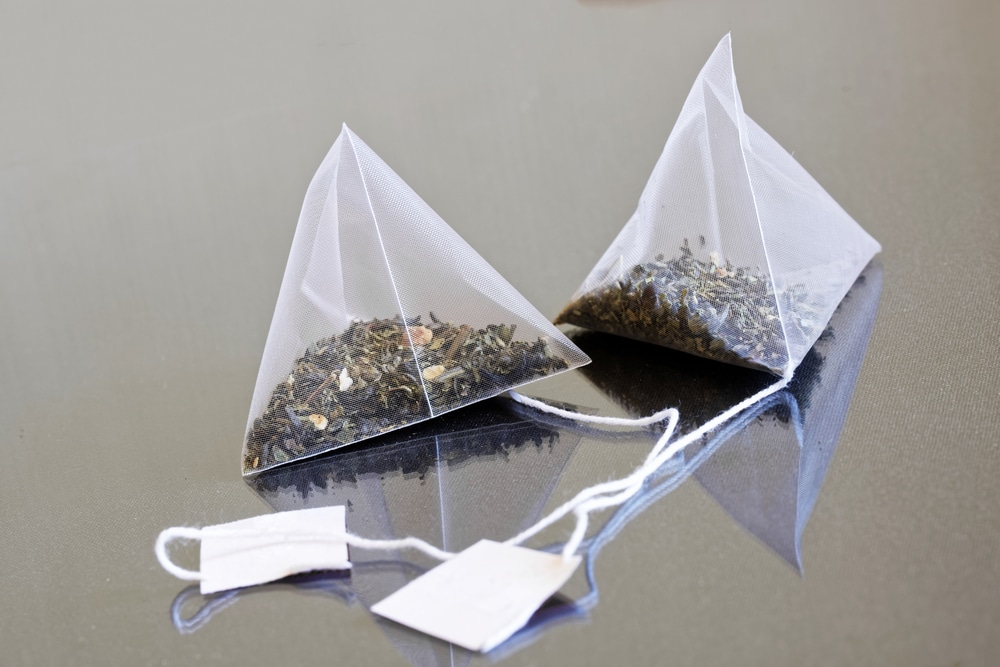
The issue first drew widespread attention in 2019, when researchers at McGill University examined silky, pyramid-shaped tea bags made from plastic mesh. Many companies market these sachets as a premium alternative to traditional paper tea bags because they allow whole tea leaves more room to expand during brewing.
Led by chemical engineering professor Nathalie Tufenkji, the team steeped empty mesh tea bags in near-boiling water, about 203 degrees Fahrenheit, or 95 degrees Celsius, and analyzed the liquid.
The results surprised even the researchers.

Writing in the journal Environmental Science & Technology, the researchers estimated that a single plastic mesh tea bag released roughly 11.6 billion microplastic particles and 3.1 billion nanoplastic particles into one cup.
What made the result notable was the scale.
Earlier studies examining microplastics in foods and drinks such as bottled water, seafood, and packaged products often reported particle counts in the dozens, hundreds, or sometimes thousands per serving. The billions detected in a single cup of tea were far higher than what many previous analyses had measured.
Researchers note that differences in sampling techniques and detection methods make direct comparisons between studies difficult.
The health implications
It is important to note that the McGill study measured how many particles were released during brewing. It did not examine whether consuming those particles affects human health.
That broader question remains unsettled.
Researchers have documented microplastic exposure through food, water, and air, but determining what that exposure means for the body is more complex.
The U.S. Food and Drug Administration has echoed that uncertainty, noting that while some evidence suggests microplastics and nanoplastics are entering the food supply, current scientific evidence does not show that the levels detected in foods pose a known risk to human health.
Much of the research suggesting potential harm comes from laboratory experiments or occupational settings, where exposure levels are far higher than what consumers typically encounter in everyday life.
In other words, researchers can measure the particles, but they are still working to understand what those measurements mean for long-term health.
That uncertainty leaves consumers in a familiar position. The presence of a substance does not automatically translate to harm, but the absence of definitive data does not fully settle the question either. Scientists continue to study how the body processes microscopic plastic particles and whether long-term exposure at everyday levels carries measurable effects.
Which tea bags are plastic-free?
For consumers concerned about microplastic exposure, identifying the type of tea bag they use can be a practical first step.
Plastic mesh tea bags are usually easy to recognize. If a bag looks silky, transparent, or pyramid-shaped, it likely contains plastic mesh.
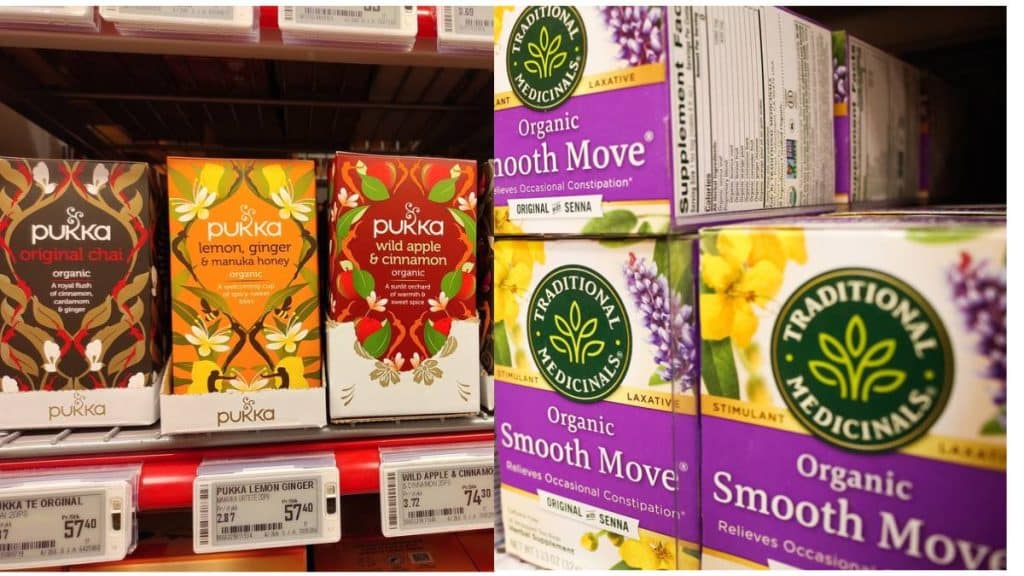
Many companies now advertise plastic-free or compostable options. Brands such as Pukka Herbs and Traditional Medicinals state that their tea bags are made from plant-based fibers and are free from polypropylene. Some lines from Yogi Tea also use compostable, plant-based materials.
Tea drinkers who want to avoid disposable packaging can switch to loose-leaf tea brewed in a reusable metal or ceramic infuser. Checking company packaging or brand websites can also help confirm what materials tea bags contain.
The bottom line
Tea itself remains widely considered a healthy beverage. Green and black teas contain antioxidants and plant compounds that research has linked to cardiovascular and metabolic benefits, and no public health agency has recommended avoiding tea because of concerns about microplastics.
At the same time, scientists generally agree that ingesting plastic particles is unlikely to benefit the body, even though the long-term health effects are still being studied.
People who want to reduce potential exposure can switch to loose-leaf tea or choose brands that advertise plastic-free tea bags. Others may decide that the current evidence does not justify changing their routine.
As scientists continue studying microplastics in food, the research around tea bags reflects a broader question about modern packaging: how much plastic quietly enters everyday habits, even something as simple as brewing a cup of tea.