Zara Larsson took a dolphin meme and transformed its internet attention into a resurgence for her career. She has always had the music, but it was her visual identity that finally gave audiences something unforgettable to associate with her name.
It’s not just the fantastic, vibrant makeup looks, but the nostalgic summer she offers her fans. In a digital culture driven by aesthetics, Zara’s evolution demonstrates how beauty, branding, and identity can work together to create a lasting cultural presence.
I mean, who wouldn’t want to be on a beach somewhere right now?
The Search for a Signature Look
Zara isn’t new to the music industry. Her first song, “My Heart Will Go On (Radio Version),” was released on June 23, 2008. Why does this matter, you may ask? Let’s go back to the early 2010s.
It was a shift in the decade as beauty became focused on full-beat makeup routines. Sharp lines and darker tones were what was in. With the rise of social media, specifically YouTube and beauty content creators, everyone was drawn into chiseled contouring, bold and bulky eyebrows, and matte liquid lipsticks.
When Zara’s first international EP and breakout single “Lush Life” arrived in 2015, her career expanded beyond Sweden and started gaining momentum internationally. Like many young artists of the time, her beauty choices reflected the trends surrounding her.
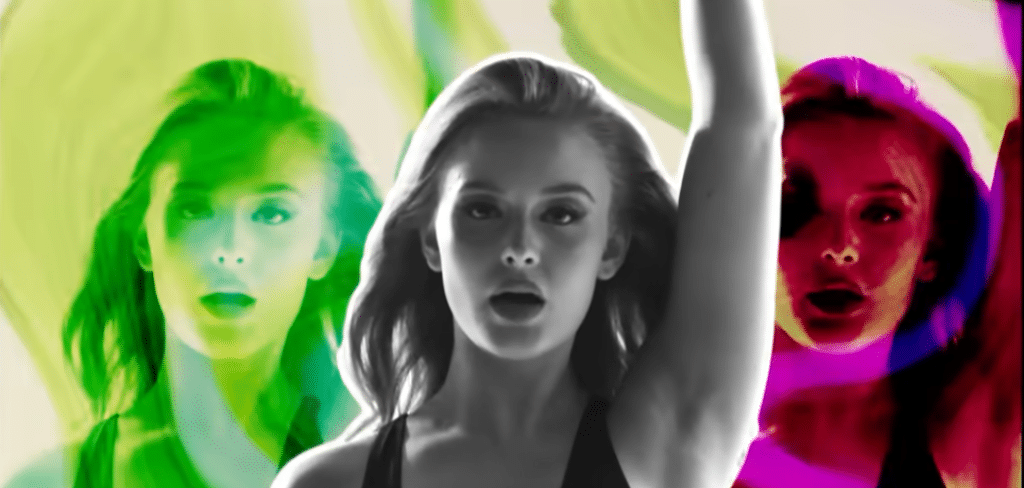
Her early public image reflected someone growing up both personally and within the industry. While these beauty choices suited her, they didn’t necessarily distinguish her from other rising pop stars. Zara’s image was polished and current, but it had not yet developed into something instantly recognizable.
Zara didn’t lack a sense of identity. Her music has consistently been fun, energetic, and uplifting. The kind of songs you blast with the windows down during a summer road trip. Yet despite keeping pace with contemporary beauty trends, it was clear she wanted to stand out. She and her team just hadn’t discovered how to do that yet.

The first hints of experimentation appeared in the late 2010s. Zara briefly embraced pink hair in 2017, which changed up her look and marked the first real pop of color she embraced as part of her image. It wasn’t a complete reinvention, but it marked one of the earliest moments where color became a more intentional part of her visual identity.
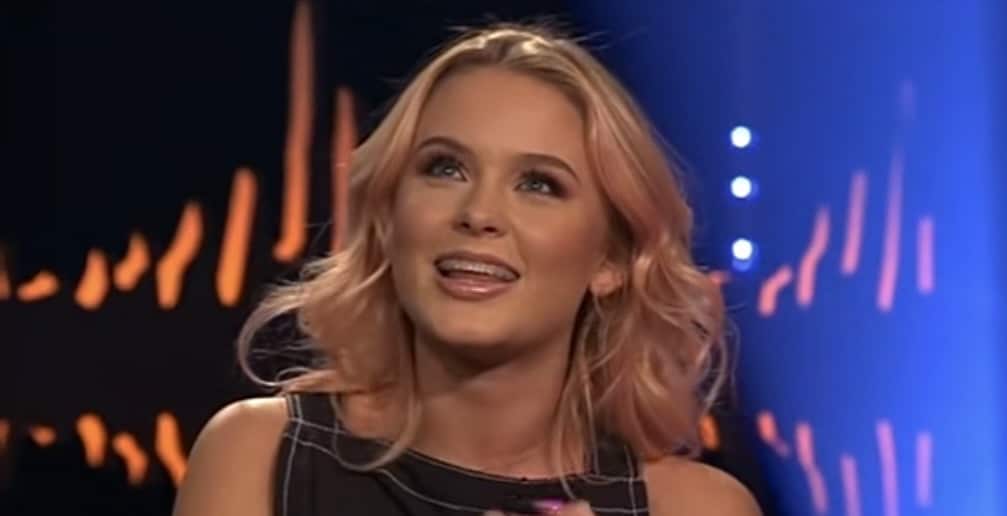
These years feel like a period of exploration. Zara was building the artistic confidence that would eventually lead to a much larger transformation, even if the final version of that identity had not fully taken shape yet.
Stuck Between Success and Recognition
By the late 2010s, Zara had established herself as a reliable pop artist. Songs like “Ruin My Life” and later “Can’t Tame Her” demonstrated her ability to consistently deliver catchy, radio-ready hits. While her music continued to perform well, maintaining mainstream attention became increasingly difficult in an industry where artists were expected to offer more than just hit songs.
Unless you were an already established artist like Ariana Grande, Lady Gaga, or Taylor Swift, audiences needed a reason to remember you beyond a single song. The most successful performers had a signature image, a visual shorthand that immediately brought them to mind; whether it was Ariana’s iconic ponytail or Gaga’s theatrical fashion choices like the meat suit, their appearances became inseparable from their artistic identities.
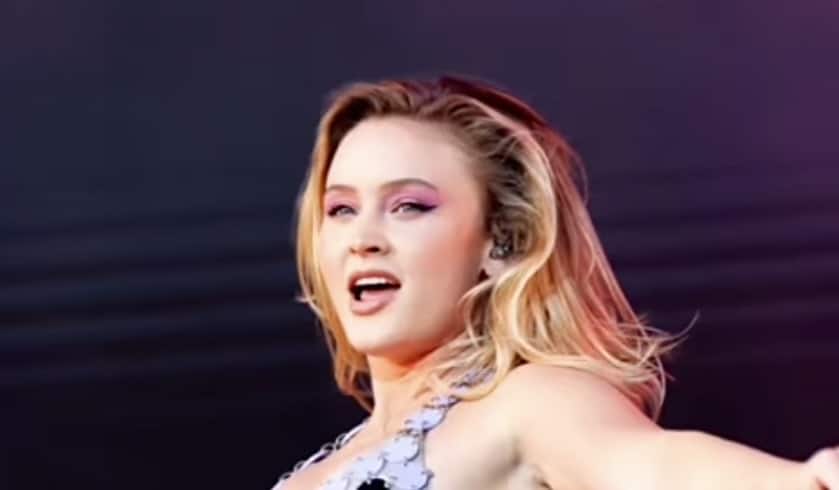
In many of her public appearances throughout this period, Zara’s beauty choices became more streamlined and understated. Her makeup often consisted of a smoky eye, thicker eyeliner, and neutral lips. The makeup looks blended into mainstream beauty, so most of the visual interest came from her outfits.
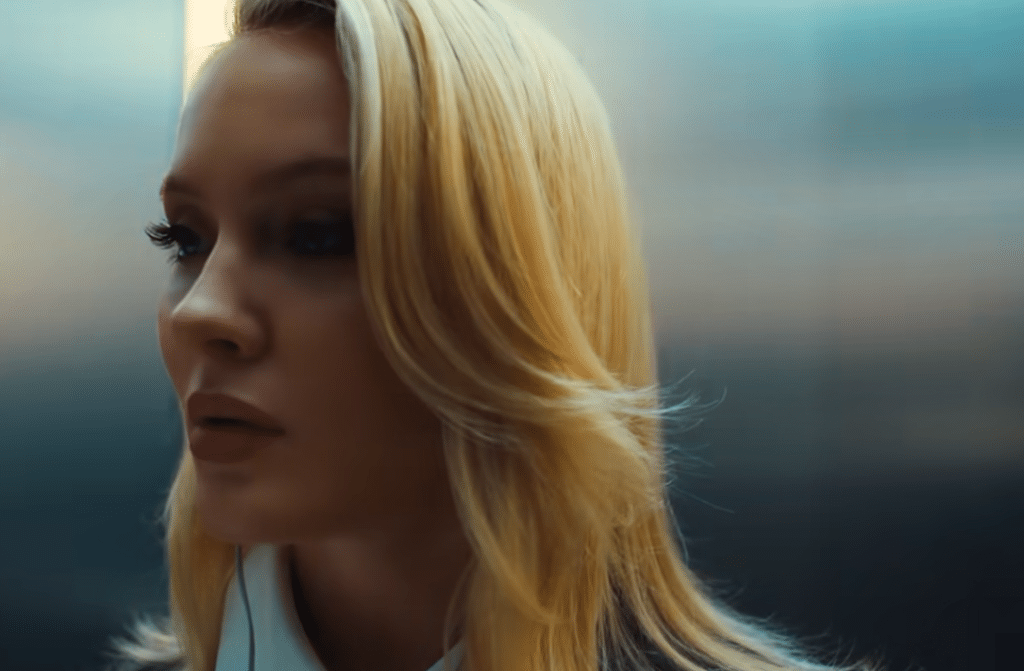
In 2024, Zara opened for McRae’s Miss Possessive Tour, showcasing the early beginnings of her Midnight Sun aesthetic and a growing sense of confidence in her image. Despite her growing confidence, Zara had not yet found a visual language that matched the energy of her music.
These years feel less like stagnation and more like preparation. The foundation for a reinvention was quietly forming. Zara had the talent, the audience, and the personality; what she needed was the visual identity.
The Turning Point: Symphony, TikTok, and the Dolphin Meme
Zara maintained a presence in music but was often forgotten. The voice you always knew you recognized but could never quite put your finger on. It was difficult to maintain consistent mainstream attention.
Then came the dolphin meme.
Gen Z is the first generation to grow up with technology, and it has reshaped how culture circulates. Everything became centered around good-time humor, and the freedom to be yourself became more visible in online forums. There was a shift from perfectly polished Instagram feeds to relatable, vulnerable TikToks.
TikTok trends became mainstream, the kind of thing you talk about at school or work the next morning. Internet culture became increasingly centered around humor, self-expression, and the ability to participate in trends that could spread globally overnight.
What started trending?
A viral image of jumping dolphins through the ocean paired with emotional and deeply personal confessions set to the chorus of Zara’s 2017 hit “Symphony” with Clean Bandit. The contrast between heartfelt admissions and the cheerful dolphin imagery quickly turned the trend into a cultural phenomenon.
As the trend gained momentum, so did renewed interest in “Symphony.” A new generation of listeners discovered the song, while longtime fans were reminded why it had resonated so strongly in the first place. What began as a meme unexpectedly brought Zara back into online conversations.
Rather than ignoring the trend, Zara embraced it. She shared dolphin-related content, acknowledged the meme online, and incorporated dolphin imagery into her performances. Zara even added dolphin visuals to her shows.
To keep the momentum going, Zara and her team gradually shifted her visual direction, creating an aesthetic that reflected the dolphin-inspired imagery. In conjunction with the release of her fifth album, Midnight Sun, the dolphin imagery became the beginning of a larger reinvention.
The broader rebrand centered on endless summer, bright colors, and a distinct makeup direction that became a trend of its own. People loved the association with summer fun and feel-good music. It evoked the nostalgia of Lisa Frank imagery that Gen Z had grown up with and became a visual identity connected to her name.
Zara began using beauty as an extension of personal branding because it draws people in; people can look at a picture of a dolphin or a summer flower and instantly make the connection to her. The meme may have sparked the conversation, but the reinvention extended far beyond a single internet trend.
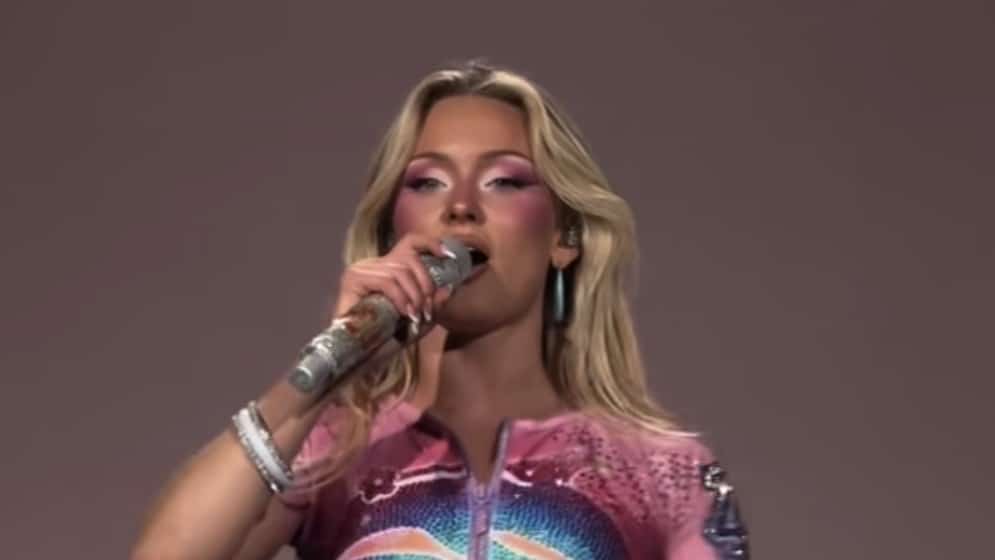
Capitalizing on this cultural shift and adapting to it rather than resisting it not only brought Zara back into the limelight but also seemed to naturally align with her as a visual artist. Bronzed summer glam, pastel makeup, and brighter blonde hair fit comfortably within Zara’s color palette. She took rebranding and turned it into a way to enhance her own features while also creating a recognizable visual identity.
The Summer Effect: Why Zara’s Aesthetic Feels So Gen Z
With the ongoing pressures facing Gen Z, from the job market and graduating college to figuring out adulthood under the constant influence of the internet, the idea of summer feels refreshing. Summer is a time of freedom, warmer weather, and a season meant to take a breath. It’s about vibrant colors, exciting experiences, and fun adventures.
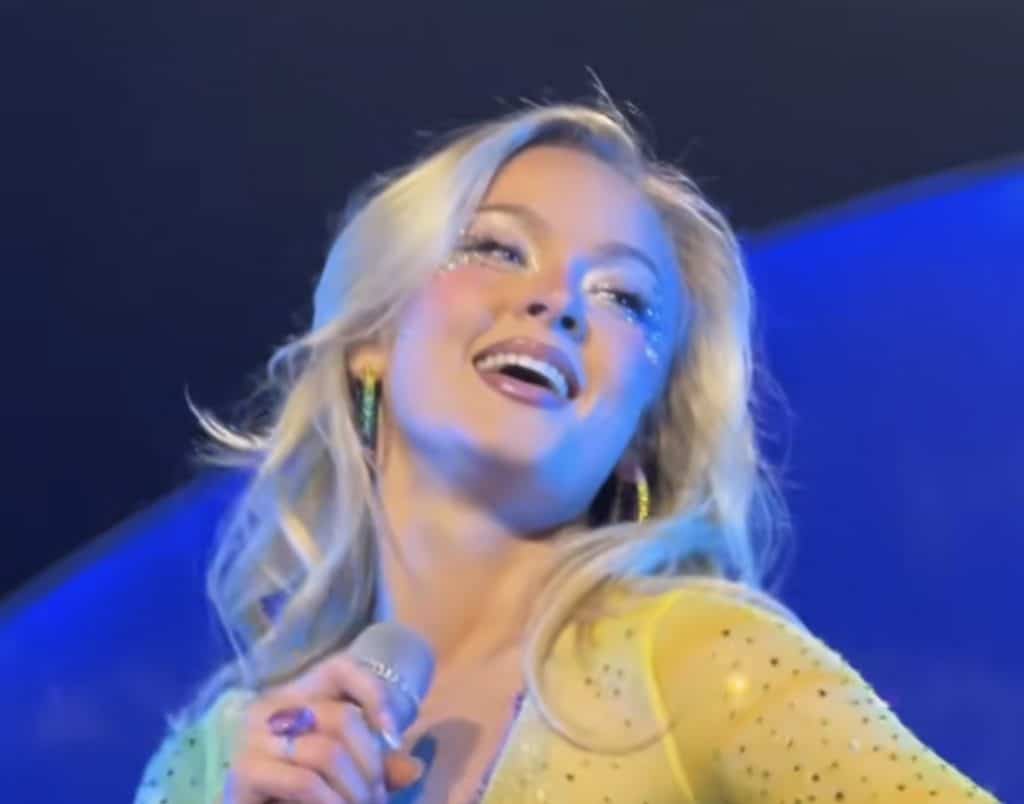
Zara’s entire aesthetic is built around a never-ending summer: dressing for the season, singing along to your favorite songs, and enjoying the moment. Her branding is all about good times and warm vibes.
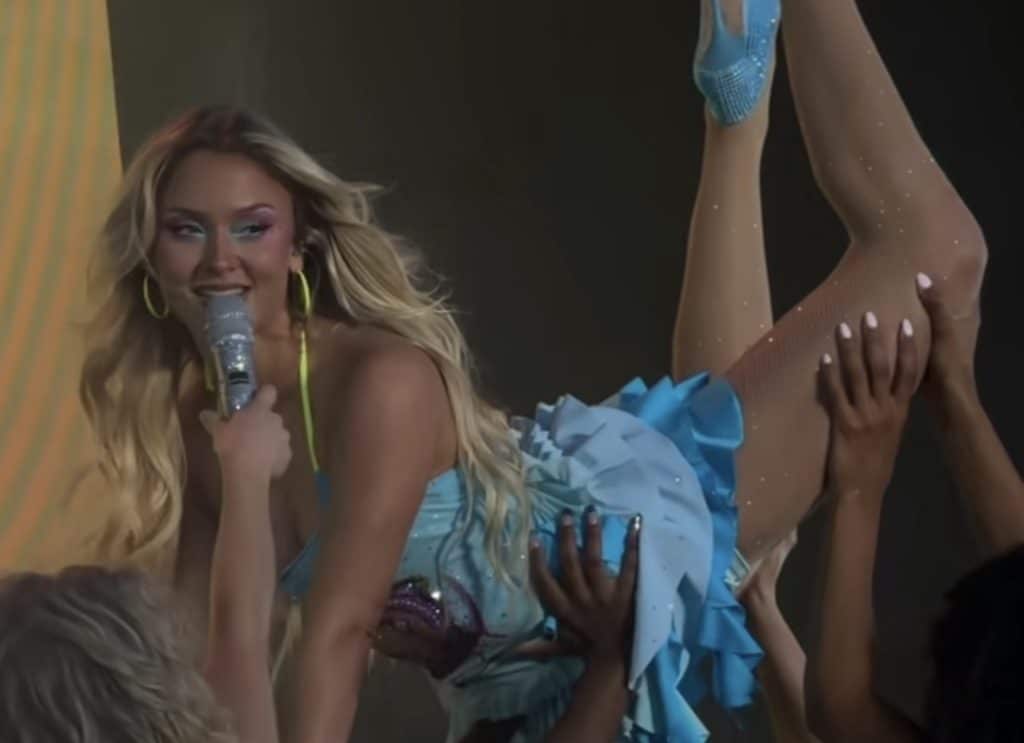
She spray-paints white tank tops with fun graphics and accessorizes with flower clips. Her outfits consist of fitted tanks and sculpted shorts, creating the perfect summer look and demonstrating how beauty and fashion can become extensions of personal branding.
Out of her entire evolution, it was her makeup that everyone was talking about. The use of decorative pearls and a soft wash of pastel colors across the face felt original and quickly became a defining visual element. Zara and her talented makeup artist, Sophia Sinot, gained recognition for the look.
Eyeshadow blends seamlessly with pearls and beads, while graphic details add interest within a carefully curated color palette. A more defined color palette helped create a recognizable image without sacrificing authenticity. The result was a makeup style that aligned closely with this new era and became its own topic of conversation.
When a Look Becomes a Relatable Identity
Zara’s rebrand succeeded because it balances aspiration with accessibility. The makeup looks are artistic but achievable. The outfits are stylish but uncomplicated. Rather than presenting an image that feels unattainable, Zara created an aesthetic that invites participation.
This ability to participate is an important part of modern celebrity culture. Audiences no longer want to simply admire artists from a distance. They want to engage with the aesthetic, recreate the makeup, wear similar clothing, and share their own interpretations online. For a generation navigating the pressures of adulthood and constant connectivity, stepping into Zara’s endless-summer world offers a temporary escape rooted in nostalgia, joy, and carefree moments with friends.
As fans embraced and recreated these looks, Zara’s visual identity became increasingly recognizable. The pastel pearls, bronzed glow, flower clips, and beach-inspired styling transformed from trends into symbols associated with her name. They were distinctive enough to be immediately recognizable while remaining flexible enough for audiences to make them their own.
That is when a look becomes an identity. It stops being about individual beauty choices and starts functioning as a form of cultural recognition. People don’t just remember the songs anymore—they remember the artist behind them.
Zara’s ability to evolve publicly in the digital age of Gen Z made the difference between an extra fifteen minutes of fame and the solidification of Zara Larsson as a recognizable household name.
Reinvention Without Losing Identity
Zara’s beauty evolution is about more than makeup. Its success lies in how authentic it feels. Rather than creating a completely new version of herself, Zara refined the qualities that had always existed within her music: optimism, confidence, playfulness, and joy.
That balance between familiarity and transformation is what makes her reinvention resonate so strongly. Most people don’t want to become someone entirely different. They simply want to grow into the person they already are while expressing themselves.
In an era where attention spans are short and trends disappear overnight, Zara’s evolution demonstrates that the strongest forms of branding aren’t built through imitation. They’re built through authenticity.
Her endless-summer aesthetic isn’t really about dolphins, flower clips, or pastel makeup. It’s about what those things represent: freedom, creativity, nostalgia, and the permission to enjoy the present moment.
Zara Larsson didn’t become someone new. She simply became more recognizable as herself.