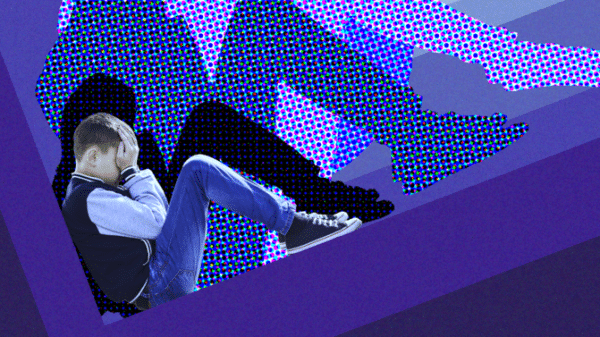


We have all been there, crying on the kitchen floor with your phone thrown across the room and burning food on the stove. The crash out. The ultimate peak is when feeling overwhelmed becomes uncontrollable. It is uncomfortable and scary, but sometimes, a sense of relief comes from it.
The question is, how can we crash out effectively without all the extra panic and damage? Also, why are we so media-obsessed with watching people crash out? Let’s dive into it.
Crash out or emotional release?
On social media platforms like TikTok and Instagram, crash outs are seen as episodes of extreme anger, sadness, panic, and are paired with hysterical laughter, screaming, or crying. Associate Therapist at Gateway Solutions, Mandolin Moody, defines crash outs as: “Seemingly out of nowhere, feeling really, really flooded with emotions, and normally it’s high anxiety, stress, and sadness coming out as panic.”
This is different from your typical cry-in-the-shower-to-Olivia-Rodrigo moment. This is a full-blown volcanic eruption that seems unstoppable.
Let’s break down a few examples of a crash-out.
Let’s focus on the fact that the caption says “daily”, indicating that this is a casual experience for the user. The idea that an emotional breakdown this intense happens every day is troubling.
As the woman in the video says, she is done with relationships and is “fed up with this bullsh*t.” The overwhelming feelings of anger and anxiety all point towards a pretty bad crash-out.
How is this different from a normal emotional release? The spiraling rant of anger that contains theatrical phrases indicating that she is about to blow up her life…that’s the difference. In a healthy scenario, the dramatic idea that relationships just aren’t for her would probably not be vocalized.

Here is another example:
The hysterical laughter was accompanied by tears beginning to swell in his eyes. Typical crashout behavior. This is the pinnacle of the emotional buildup that has long been neglected, now at its breaking point.
Crashing out for views
As much as I advocate feeling your emotions rather than bottling everything up, I want to make it clear that, more often than not, social media displays of crashing out are performative rather than sincere.
This being the case, it’s important to recognize that one person’s Instagram reel crash-out over their “stressful semester at college,” where they seemingly want to drop out and leave the country, is not a great example of what a real crash-out looks like for most people.
Why is crashing out normalized?
It seems that this term has crept its way into daily lingo as a description of an average, mildly stressful experience. But, as we have just dissected, crashing out is not minor.
The social phenomenon has become so widespread that even celebrities are praised for their “crashout personas”. Take Alex Pierce, for example. She has been labeled a crash-out queen.
People truly love watching these videos, and I think they provide a sense of catharsis for viewers. It’s like watching a horror movie where the victim is being chased through the woods. You can picture yourself having a crash out without actually going through the horrible, paralyzing side effects.
But what about the people actually crashing out? What is going on? Why are they so stressed out?
There are obvious reasons, such as the current political climate, the state of the economy, and Elon Musk being Elon Musk, but I have some other suspicions.
I blame David Goggins
We have discussed what a crash-out looks like and how popular it is on social media, but I am pointing the finger at the other emotional extreme as the reason we just can’t stop crashing out.
The David Goggins-esque trend of promoting emotional neglect, suppression, and “the grind” leads people right up to their breaking point. Equally as unhealthy, this alpha-male mindset swings the pendulum too far to the other side. Here’s an example:
I mean, seriously, how can it possibly be healthy to turn off your feelings? Is that not just emotionally neglecting yourself? And guess what happens when you do that for too long? You crash out!
I am not a huge fan of David Goggins, but his popularity cannot be ignored. His motivational podcast episodes have been turned into Instagram reels and TikTok video edits that flood the For You page. Unfortunately, this promotion of emotional numbness has had some serious consequences, especially with young men.
Here is a prime example of someone reaping the consequences:
It is sad to see people completely lose touch with their emotions. This level of emotional avoidance is on the same level as an extreme crash-out. Whether it be crashing out or being in your David Goggins era, the lack of emotional regulation on social media is appalling.
Clearly, we cannot get this whole handling our emotions thing down. So, what do we do?
How to crash out healthily
Obviously, we don’t want to end up in the position where we are crying every single day and questioning our life decisions. But there are definitely ways to process the strong emotions that we feel without suppressing them.
Here is some advice given by therapist Mandolin Moody:
“Start using grounding techniques. My go-to skill, because it’s easy to remember, but it also works really well, is going through your five senses or even just picking something of your favorite sense that is a soothing mechanism for you.”
Mandolin Moody
Her other suggestions include journaling, taking a kickboxing class, going for a run, and, most importantly, consulting with a mental health professional.
Feeling your emotions deeply doesn’t always mean you’re having a TikTok-worthy crash-out episode, even if you are on the kitchen floor crying in between your hands. If you find yourself crashing out too frequently, it might be helpful to try some of the techniques Mandolin Moody suggests.
It seems that the obsession with either crashing out or watching others crash out online stems from attempting to cope with the world feeling like it is on fire, an increase in alpha-male perpetuators that insist on turning off your emotions, and social media influencers who take advantage of this phenomenon to accumulate views.
Maybe this is Gen-Z’s way of dealing with their lives in the only way they know how, and maybe it might be unhealthy. But what is for certain is that crashing out has taken over the internet and shows no signs of slowing down.