The ideas of a relationship now is so different to what it was in the Jane Austen and Bridgerton days, but is it easier?
Rather than gossiping behind closed doors like Lady Whistledown, it seems everyone has something to say about relationships. This is due to the presence of social media and the tabloids. Famous relationships are always in the spotlight, and many people find themselves commenting their opinions about people they don’t even know.

Furthermore, you can see people online nit-picking at aspects of a relationship, and telling you that certain traits are ‘toxic’ or ‘unhealthy’. It seems like nowadays, you can’t win.
Modern dating
In the 21st Century, dating culture has changed dramatically. There are new words and phrases coming out all the time in regards to relationships. ‘Breadcrumbing’ is leading people on. ‘Negging’ is giving someone backhanded compliments to undermine them.
There are new lables too. ‘Situationships’ have become normalised, which can be ideal for people who only want a casual fling. But sometimes they can cause more harm than good if the people want different things to come from their situation.
On dating shows such as Love Island ,being exclusive’ is the first big step in establishing a relationship. This doesn’t actually mean that the relationship is established officially, it’s an in-between phase. Some people need that bit of extra time getting to know a person before making it official, whereas others find that being exclusive is not for them, they just want a relationship and have that label.

Dating has definitely changed since the 1800s. However, I think that since then, communication has definitely become a vital part of any relationship. Talk to the other person. Make sure you are on the same page and want the same things before it gets complicated.
Red flags in everyday language
Nowadays, people have become more aware of ‘red flags’ in relationships. It’s a term that I have heard over and over again. Except not in the context you may think. They get tossed around. But should they be.

There are filters on TikTok that tell you what your red flags are. There were ones that stuck out to me as not actually red flags. Some were mundane, such as believing in ghosts and liking pineapple on pizza, for example. These are not, in my opinion, “red flags.” They are just things that people enjoy, and isn’t at all a behaviour that should be considered to cause serious concern. Sure, they might give you “the ick”, but that is a difference to what a “red flag” actually is.
Some of the other traits on these TikTok I saw that were seen as “red flags” were actually positive attributes. These include chatty, loves going to the gym, and likes sports.
If things like these are considered to be red flags, then no wonder people are finding it difficult to date. Are people getting more particular with their dating preferences? It seems so. Dating a picky eater, for example, can be tricky, but I don’t think that is enough to walk away from someone.
Online dating
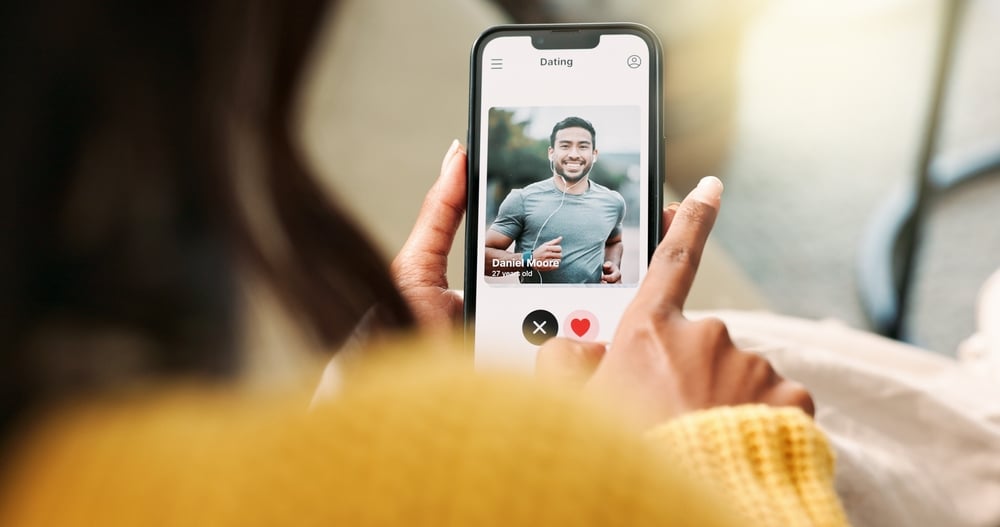
Online dating can also make it difficult to date when red flags are involved, especially when you do not know the other person. Hinge has a “my red flag is” prompt, which goes to show how much the phrase has become normalised. The prompt, like many on Hinge isn’t taken seriously by many users. This makes it even harder. You can scrutinise a dating profile, and find out if whether you think that person aligns with your views. However, always make sure that you take care if you go on a date with someone you have not met. If any concerns arise, get out of there as safely as possible.
A lot of bars, restaurants and other locations have an “Ask for Angela” initiative. This means that if you feel unsafe, you can ask for Angela at the bar, and the staff will help you get home safely.
Real red flags
As previously mentioned, I don’t think some things like personal preferences are a red flag. However, I do think society has become more aware of what the danger signs are in relationships because of it’s uptake in our vocabulary.
According to Dr. Wendy Walsh, PhD – “In relationships, red flags are signs that the person probably can’t have a healthy relationship and proceeding down the road together would be emotionally dangerous.”
Sometimes, red flags start as small things that could be brushed off. For example, your partner forgets something you had planned together. Over time, this can develop, and they no longer see you and your relationship as a priority.
Unfortunately, relationships can take a turn for the worst. Red flags are warnings, or danger signs. In relationships, these can be really serious, and put you in a dangerous position. These include alcoholism or substance abuse, violent tendencies, controlling behaviour and coercion, irrational jealousy and a history of infidelity. It can be very difficult to leave a relationship when these behaviours are displayed.
If you are a woman in the UK, you can call the National Domestic Abuse Helpline on 0808 2000 247.
If you are a man in the UK, you can call Men’s Advice Line on 0808 8010 327.
Both these services also offer live web calls, and provide support for you.
If you are in the US, call 1.800.799.SAFE (7233) or text START to 88788. This gets you in contact with the National Domestic Violence Hotline. They provide 24/7 support, every single day. They “are here to serve all those impacted by relationship abuse 24/7 confidentially.”