
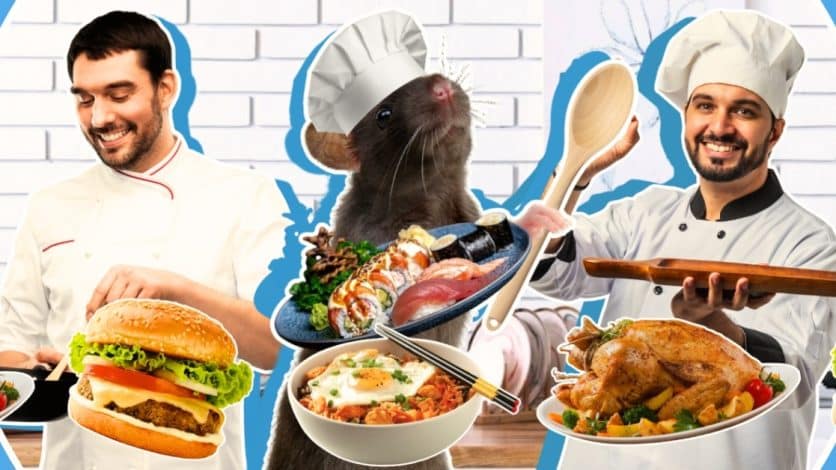
Remy from Ratatouille believed in the phrase, “Anyone can cook.” I used to think that was wildly optimistic.
Recently — as in a week ago — I got home late and decided to bake a frozen pizza in my toaster oven. The pizza looked great until I went to cut into the crispy crust and watched the cardboard (that I cooked) fall from my soggy excuse for a flatbread.
My point is: cooking isn’t always easy — and sometimes it feels like I might burn the house down.
They say if you can’t take the heat, get out of the kitchen. But how would you know how to handle the heat if you’ve never had to turn on the oven?
Why Does Cooking Feel So Hard?
For full-time students, 9–5 workers, or parents juggling soccer games and science fair projects, cooking dinner can feel out of the question. Single-parent households or night-shift workers might opt for ordering pizza or Chinese food on a weeknight.
That means a good chunk of people never grow up knowing what it means to add butter to a pan to keep things from sticking.
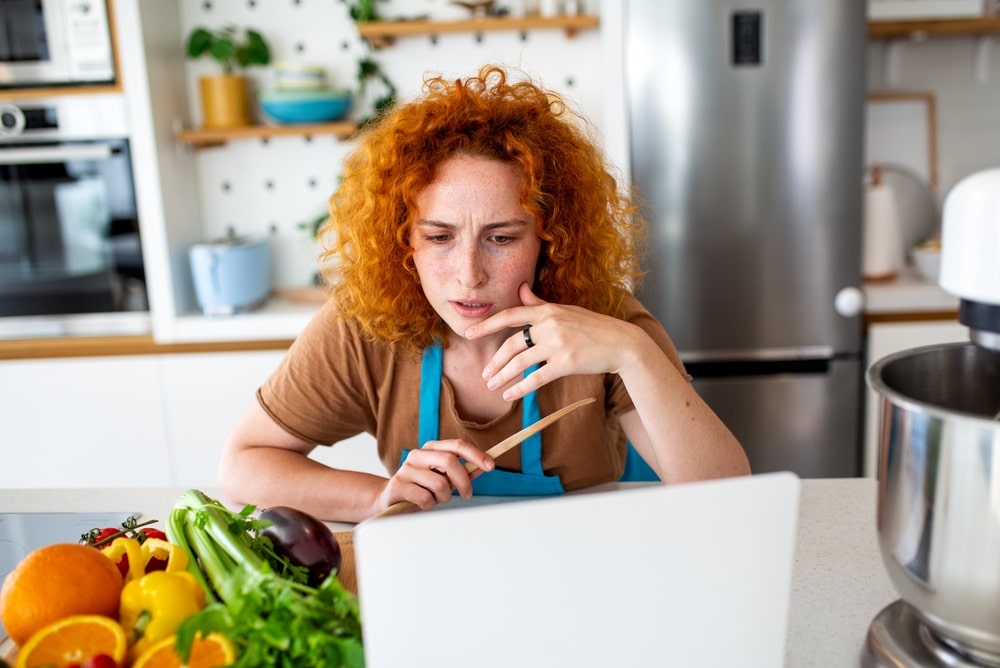
For the younger generation, myself included, it’s hard to feel confident when cooking.
A survey reported by the New York Post found that a majority of Gen Z doesn’t feel confident in the kitchen.

“A whopping 42% of those aged 18 to 28 said they could not whip up a basic stir fry, while 27% couldn’t figure out a simple soup.” — New York Post
If people already have anxiety over everyday decisions, imagine trying to remember all the ingredients and steps for a recipe you’ve never made.
That’s part of why “girl dinner” — a soda or a bag of crackers — became so relatable. It felt idiot-proof.
Cooking is a process, and one everyone should take at their own pace. Maybe you would say you can’t cook — but maybe you can.
Cooking isn’t a natural talent people are born with; it’s repetition, access, and the confidence to keep trying.
From delivery to independence
Cooking isn’t just for the aesthetic.
For college students with limited money, constantly dining out or ordering delivery through services like DoorDash can quickly drain savings. New renters who just paid a deposit and the first month’s rent are often looking for ways to cut costs wherever possible.
If you haven’t considered cooking yet as a cheat code, here’s me giving you the answer.
Learning to cook basic meals you enjoy adds stability to both your diet and your budget. I suggest finding one option you feel confident cooking and keeping the ingredients stocked.
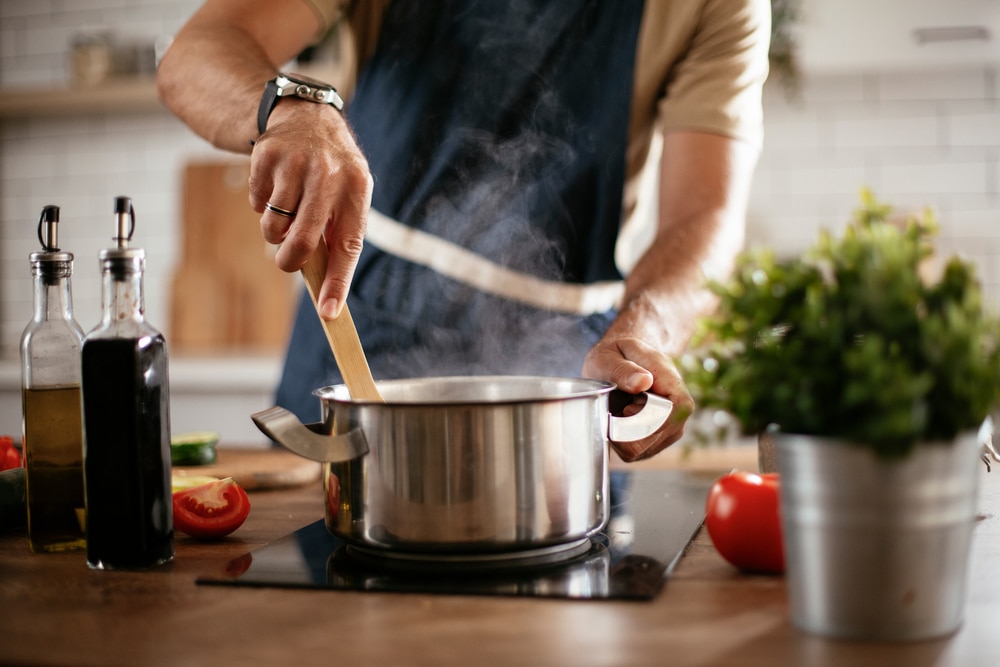
Personally, I always keep a box of pasta and a sauce I enjoy on hand. It takes eleven to thirteen minutes to cook, and suddenly you have a meal — usually leftovers — and money still in your pocket.
That doesn’t mean giving up what you enjoy. Cooking during the week just means you can still order pizza on a Friday night without guilt.
Why TikTok Makes Cooking Feel Accessible
Not many people are collecting cookbooks anymore, but they are saving recipes they see on TikTok.
Platforms like TikTok have made cooking feel more accessible. The short-form, low-pressure recipes remind people of the allure of cooking without the intimidation.
TikTok posts don’t feel stagnant; there’s no chef voice telling you how to do everything perfectly. It doesn’t feel like you’re failing Martha Stewart if you don’t get the recipe exactly right.
Cooking is a practical skill, not just a creative hobby.
Most people take swimming lessons to learn survival skills — so why wouldn’t you learn how to cook to feed yourself?
Food is a necessity, so learning to cook should be a strategy. Cooking doesn’t need to be fancy. It just needs to be effective.
According to Forbes, ordering delivery is nearly five times more expensive than cooking at home. Cooking becomes a way to regain control over food spending.
There’s no pressure to be perfect. It’s real people sharing what they actually make and eat, with visual instructions that make cooking easier to follow than written steps alone.
You can see what someone means by folding in cheese or how much a drizzle of olive oil really looks like.
Proof in the Pasta
TikTok creator @tinekeyounger made a viral mac and cheese recipe that had the internet going crazy. I decided to try it myself after seeing reviews saying it was delicious and easy to replicate.
Instead of just sharing statistics about viral recipes, I actually made one.
The baked feta pasta uses simple ingredients: cherry tomatoes, a block of feta cheese, basil, olive oil, seasonings, and pasta.
I found the process intimidating since I hadn’t tried a new recipe in years. But having a visual guide and feeling more confident about making small mistakes made me excited for the result.
I thoroughly enjoyed the recipe — and it tasted just a little better knowing I made it myself.
Romanticizing the Kitchen
It’s about the little things.
Making something without setting off the smoke detector. Making the first meal you love enough to cook again.
The more you cook, the more confidence you gain. And confidence, more than talent, is what keeps you coming back to the stove.
If you’re lucky, you might even end up liking your version better than the original.
Jayli Tate, who also tried the recipe, admitted it was harder than expected — especially measuring ingredients precisely — but said reading tips in the comments helped her avoid mistakes.
“I would 100% make it again! It was fun and it was absolutely delicious. I had some of my friends and family try it and they said it was some of the best Mac and Cheese they had ever tried.” — Jayli Tate
Why do these viral recipes matter? Because they lower the barrier to entry.
A baked feta pasta recipe by creator @feelgoodfoodie gained so much attention that CNN reported on it, noting a 200% jump in block feta sales beginning in February when the dish went viral.
Take the win.
Cooking is a small part of everyday life, but it can feel bigger than that. It can become intentional.
Maybe you come home after a long week, change into pajamas, and enjoy a cozy bowl of soup. Or maybe it’s the first time inviting someone over — instead of going out, you light candles and serve homemade spaghetti.
Romanticizing the moments around cooking can make the experience feel meaningful. Cooking becomes about satisfaction, not perfection.
Anyone Can Cook — Start Here
For beginners who have never cooked before — or learners looking to build confidence — here are a few easy starting recipes.
Breakfast Sandwiches (bagel, meat, cheese)
Toasty bagel, melty cheese, crispy bacon — a five-minute breakfast that feels more impressive than it is.
- Why it’s beginner-friendly: Mostly assembly.
- Skill it builds: Basic egg cooking and timing.
- Cost & time: Around $3–5; 10–15 minutes.
Rice Bowls (rice + protein + sauce)
A DIY Chipotle-style meal at home.
- Why it’s beginner-friendly: Simple formula, no strict recipe.
- Skill it builds: Cooking rice and building balanced meals.
- Cost & time: $2–4 per serving; 20–30 minutes.
Quesadillas (cheese + leftovers)
Crispy tortilla, melted cheese, endless customization.
- Why it’s beginner-friendly: It’s forgiving and customizable — just fill, fold, and heat.
- Skill it builds: Heat control on the stovetop and using leftovers creatively.
- Cost & time: $2–3; about 10 minutes.
Walking Tacos (Doritos bag + toppings)
Crunchy, cheesy, and fun.
- Why it’s beginner-friendly: Minimal prep and mostly assembly.
- Skill it builds: Cooking and seasoning ground meat.
- Cost & time: Around $3–4; 15–20 minutes.
Chocolate-Covered Strawberries (chocolate, strawberries)
Simple, sweet, and surprisingly impressive.
- Why it’s beginner-friendly: No baking required.
- Skill it builds: Melting chocolate and presentation basics.
- Cost & time: $6–8 total; about 20 minutes plus chill time.
Anyone Can Cook (Yes, Even You)

Cooking is a skill, not an identity. You don’t have to be the best — you just have to try.
Learning to cook isn’t about becoming a chef. It’s about becoming independent. It’s about knowing you can feed yourself — even on hard days.
Maybe you’ll mess up. Maybe you’ll burn something. Either way, you’ll learn.
Cooking doesn’t have to be perfect — it just has to start.
So turn on the oven.