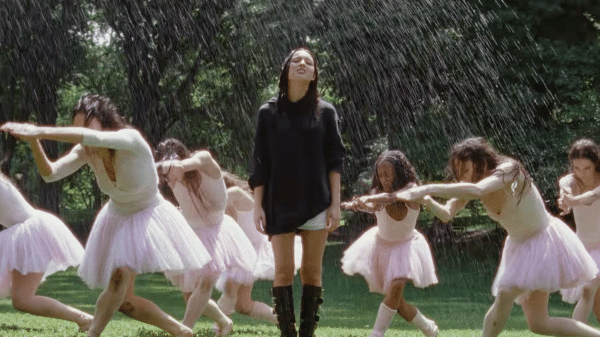
When we first think of Euphoria, we expect a traditional show of teenagers in school being ‘the popular kids’. But this HBO original is more than that. It completely rewired what TV shows should look, feel, and dare to be. Euphoria pushed the creative limits by changing the glossy, slightly unrealistic teen genre into something more emotional and cinematic.
This (now) three-season show follows a group of high school students who navigate their way through identity crises, relationships, trauma, and addiction. But many of the characters also deal with difficult secrets, sex, and pressure from social media and their peers.
At the end of season two, some of the characters are faced with reality after being exposed by one of their peers. But not everything is as they seem. So will this storyline follow on ahead of season three?
It is clear that Euphoria is not for the lighthearted. The creator, Sam Levinson, deliberately made the show feel raw and sometimes uncomfortable. This is to show viewers just how messy teenage life can truly get.
Here’s a deep dive into what has changed in the TV world after the release of Euphoria.
The positives
Euphoria’s visual imagery became the main character. The directors were clever in this way by ensuring that viewers not only had an emotional experience but also made the feelings more visible. Originally, teen shows (such as Riverdale or Pretty Little Liars) were more clean, polished, and overall a safe space. But Euphoria changed this by introducing a variety of different elements. With neon lighting (especially blues, reds, and purples) alongside house party scenes that almost feel narcotic. This is also paired with clever slow motion and surreal camera work, which highlights the idea that anxiety isn’t just based on dialogue. Instead, it also includes rooms that spin, distorted sounds, and flashing lights. These clever techniques have now influenced other teen shows to imitate a similar style rather than being entirely lighthearted.
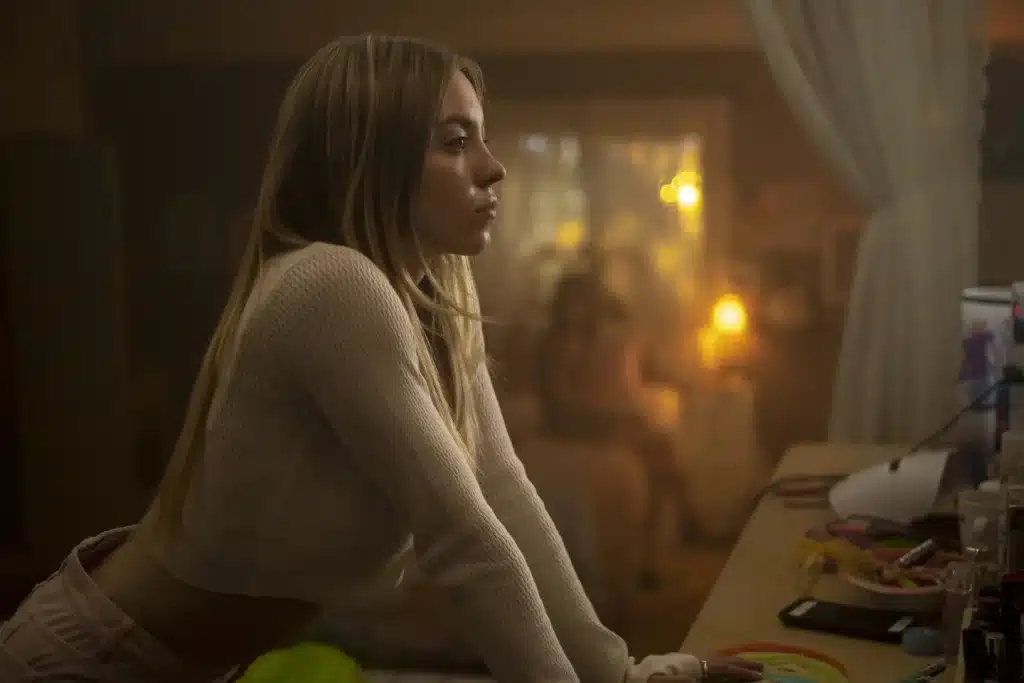
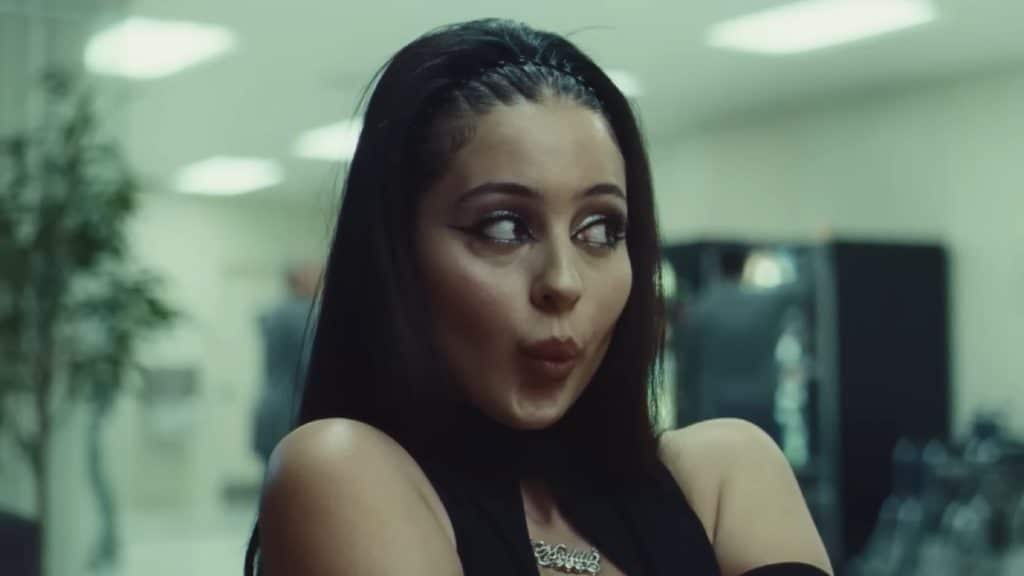
The glitter-heavy, expressive makeup throughout the 2 seasons wasn’t solely for aesthetic purposes. It also reflected each character’s psychology. There are multiple examples of this; with glitter tears demonstrating emotional vulnerability. This is more visible in scenes with Zendaya and Hunter Schafer. Additionally, sharp eyeliner infers a character’s level of control or confidence. A great example of this is Alexa Demie’s character, Maddy. This subsequently influenced makeup creators on social media to create “Euphoria-inspired looks”. In turn, many people began tuning into the show and started creating their own looks.
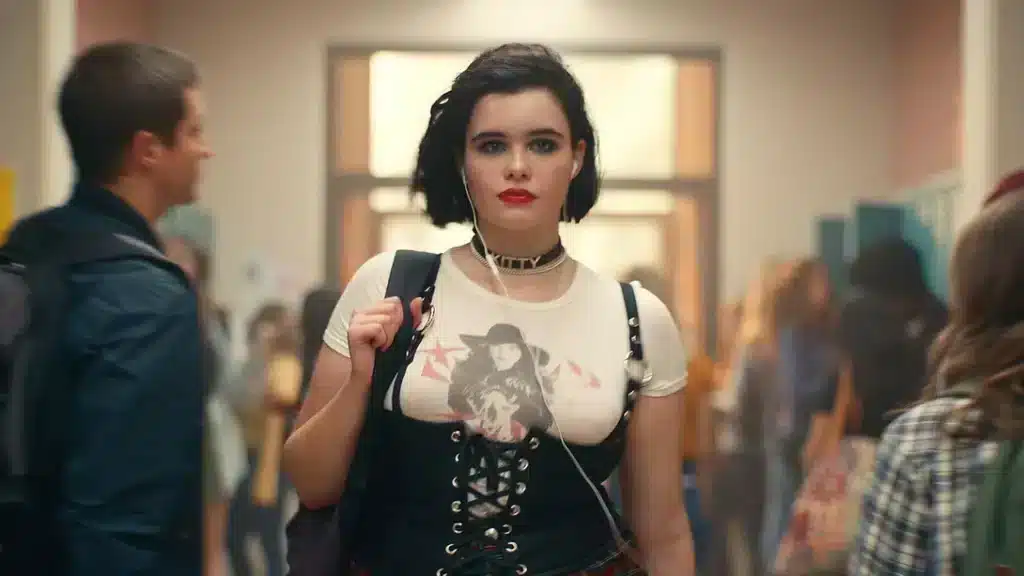
Years ago, teen shows would only brush over the topic of mental health struggles. However, Euphoria fully immerses you in them. Throughout the show, the creators dived into addiction, anxiety, identity, and toxic relationships. Viewers can clearly see this through the eyes of Rue Bennett, where they are experiencing her instability from her perspective. This includes her unreliable narration, time distortion, and emotional spirals. Although shows such as Heartstopper and Sex Education explore mental health, Euphoria found a way to normalize these themes. As a result, this teen drama highlights real-life issues in a significantly intense after-school environment.

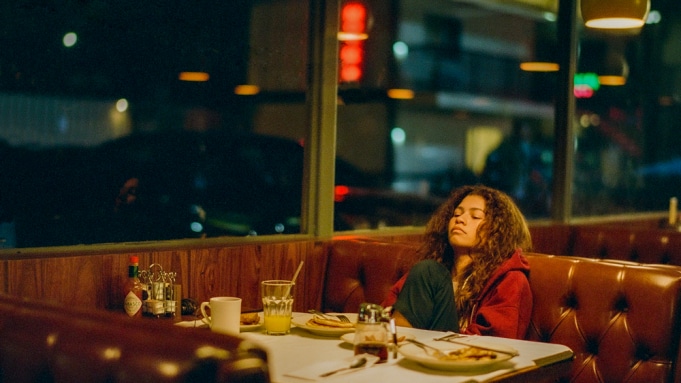
In addition to the creative visuals, the soundtrack helps aid the emotional experience throughout Euphoria. The music throughout the series (created and produced by Labrinth) is crucial throughout the first two seasons. The cleverly created music swells into emotional peaks and blurs into important scenes. Subsequently, these incredible melodies make the viewer feel slightly spiritual at times. Therefore, it’s not just background sound. This creative medium drives the narrative.
You can listen to all the soundtracks here:
As viewers progressed through the episodes, it is evident that the characters ended up getting messier and less likable. Earlier teen shows typically had clear heroes versus villain-like narratives alongside ‘safe’ protagonists. However, the Euphoria characters challenge this. Instead, the creators ensured that they all had flaws. Subsequently, each character was self-destructive and morally ambiguous in their own ways. Take Maddy Perez, for example. Her character is portrayed as a strong, independent woman, whilst also being toxic at times. Therefore, our generation is becoming more open to complicated characters. And now perfection feels incredibly fake.
The creators of Euphoria were quite clever. The 2 seasons ended up blurring the lines between TV and internet culture. As a result, Euphoria didn’t just air – it lived online too. For example, some of the scenes ended up becoming memes. You may remember the viral audio of “Rue, when was this?” Plus, this specific quote also ended up becoming a popular caption on social media posts.
In addition to all of that, the fan edit scene also grew. More and more people began creating video edits with clips from the show, and these swarmed TikTok. Especially after the first season’s release in 2019. As a result, Euphoria ended up being one of the first shows that was designed with social media in mind. Now, we see more shows being created with intended viral moments for scenes to start trending. Take the Lacie Barone scene from TSITP as an example.
Compared to shows like Gilmore Girls, Euphoria raised the intensity level drastically. The whole narrative around the show feels darker, louder, and more emotionally extreme. From the creative visuals to the intense emotions, everything throughout Euphoria heightens throughout each episode. So, TV shows now focus more on prestige drama styles over light entertainment.
However, not everything about the ‘Euphoria Effect’ is a good thing.
Criticisms
Some people argue that Euphoria over-glamorizes harmful behavior. For example, Rue’s drug addiction can be romanticized by some of the viewers. Additionally, actor Dominic Fike (who plays Elliot) suffered from a real-life drug addiction prior to and during the show. So, theoretically, has Euphoria overstepped some form of boundary here? It could also be argued that Euphoria glamorizes the idea of underage drinking. Especially as the characters are high school students.
In addition to this, this show may have influenced viewers to partake in some of the recreational activities presented to them. This leads back to the idea of glamourizing addiction. Although the intended message is to help some of the characters get clean, at what cost does it impact real-life experiences? Take Angus Cloud, for example. Throughout the first two seasons, he was cast as the local drug dealer who was born surrounded by the drug world. However, in 2023 (when he was 25 years old), Cloud passed away after having an accidental overdose. So, it could be argued that there was a lack of support for the cast members after being surrounded by the drug scene. Both literally and metaphorically.
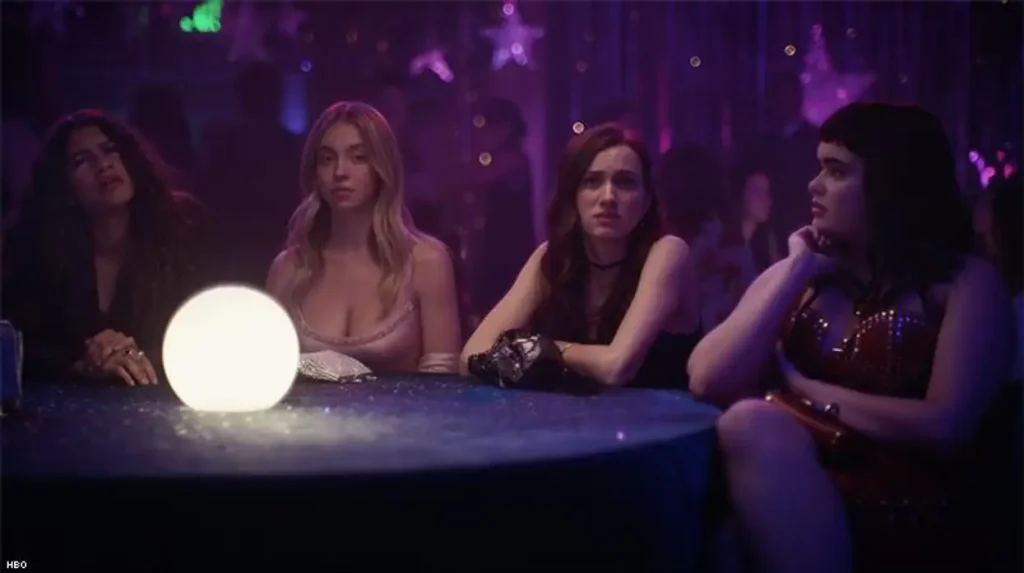
Leading on from this, others have expressed that Euphoria created unrealistic expectations of teen life. Although the party scene is something that teens want to be involved with, Euphoria over-exaggerates this. Plus, depending on the geographical location of viewers, the whole party scene is completely different. In the UK, you would rarely expect house parties like the ones in Euphoria. Instead, they typically are much smaller with half as many people attending. So, some parts of this drama viewers have to take with a pinch of salt.
Also, have the creators made the aesthetics overshadow the underlying message? Many viewers may only focus on the visuals without looking at the more in-depth picture. With the blue hues and creative makeup, some viewers may just absorb the visuals over the real narrative around the plot. Additionally, some people may have only ended up watching the drama because their favorite actors star in the show without absorbing the intended message. For example, many people may have tuned in because Zendaya is playing the main role of Rue. But they may not fully appreciate the intended message behind Euphoria as a whole.
These tensions are part of the reason why Euphoria is so influential; by sparking debates between audiences.
The big picture takeaway
Overall, the ‘Euphoria Effect’ is typically based on one main shift in TV production. Teen TV has now stopped trying to represent reality and focuses on trying to make viewers feel what the characters feel. As a result, it’s less about accuracy. Now shows (and some movies) express more intense and crucial moments for viewers to relate to. So it’s not just about the entertainment side of shows anymore, but instead the realness and identity of each character.
With season three being released on 13th April, will these ideologies still be relevant to the upcoming episodes?
You can watch all episodes of Euphoria on HBO Max & Now TV (UK), with the first episode of season three available to watch too.