Widow’s Bay, a new horror-comedy series on Apple TV is capturing audiences’ hearts with its quirky, haunted, titular small coastal town. The series focuses on unraveling the haunted history and curse plaguing the island, bringing local legends to life. The island’s superstitions are less fantastical than you think: the mythology of Widow’s Bay actually echoes the real-life myths of New England.
Welcome to Widow’s Bay
Mysterious rolling fog, haunted inns, vicious sea hags, curses? All part of the charming coastal town of Widow’s Bay. Apple TV’s 2026 original horror-comedy series Widow’s Bay follows the mayor of the small New England island of Widow’s Bay, Tom Loftis (Matthew Rhys), as he tries to boost tourism on the island, despite the insistence from locals like Wyck (Stephen Root) that the island is truly cursed.

Loftis ignores warnings about the island, but soon all the legends the locals whisper begin to come true, and he realizes it all ties back to the rich (and haunted) history of Widow’s Bay. Alongside a quirky cast of locals, including Patricia (Kate O’Flynn), a determined and socially awkward assistant at town hall, and the rational and dry sheriff Bechir (Kevin Carroll), the show builds an authentic spooky town with grounded characters you can’t help but root for, a la Twin Peaks or Stranger Things.
Why a New England Setting?
So many small-town-set horror series lean towards the Pacific Northwest or the Midwest, yet Widow’s Bay’s New England coastal setting feels not only natural for the story but also grounds it in the region’s rich culture and history. Creator Katie Dippold was inspired to write the series after visiting a diner called The Driftwood (there is a diner of the same name that locals frequent in the show) in Marblehead, Massachusetts.
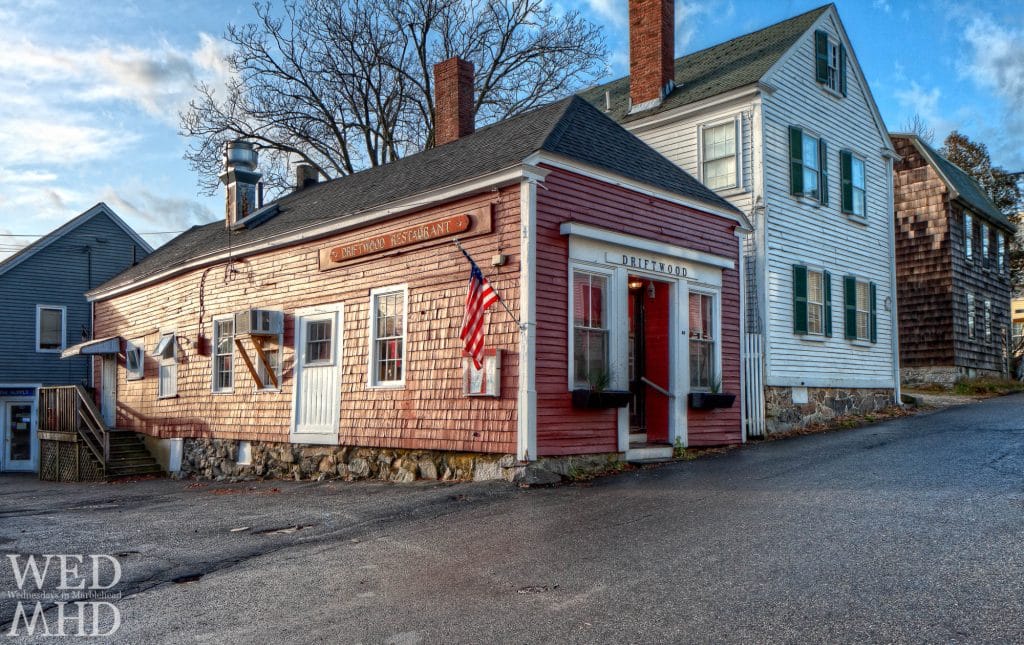
She told the Massachusetts Film Office of the diner, “It was off the sea. There’s just big coffee mugs with old stains and locals in flannel shirts talking about the day,” she added. “It was very cozy and very lived in, and I just never wanted to leave. It was out of a Stephen King book.”
Stephen King often sets his horror stories, such as It and Pet Cemetery, in Maine, where he grew up. “I really wanted to tap into that Stephen King atmosphere,” said Dippold. Dippold herself grew up in New Jersey but has always found herself drawn to the New England coast.
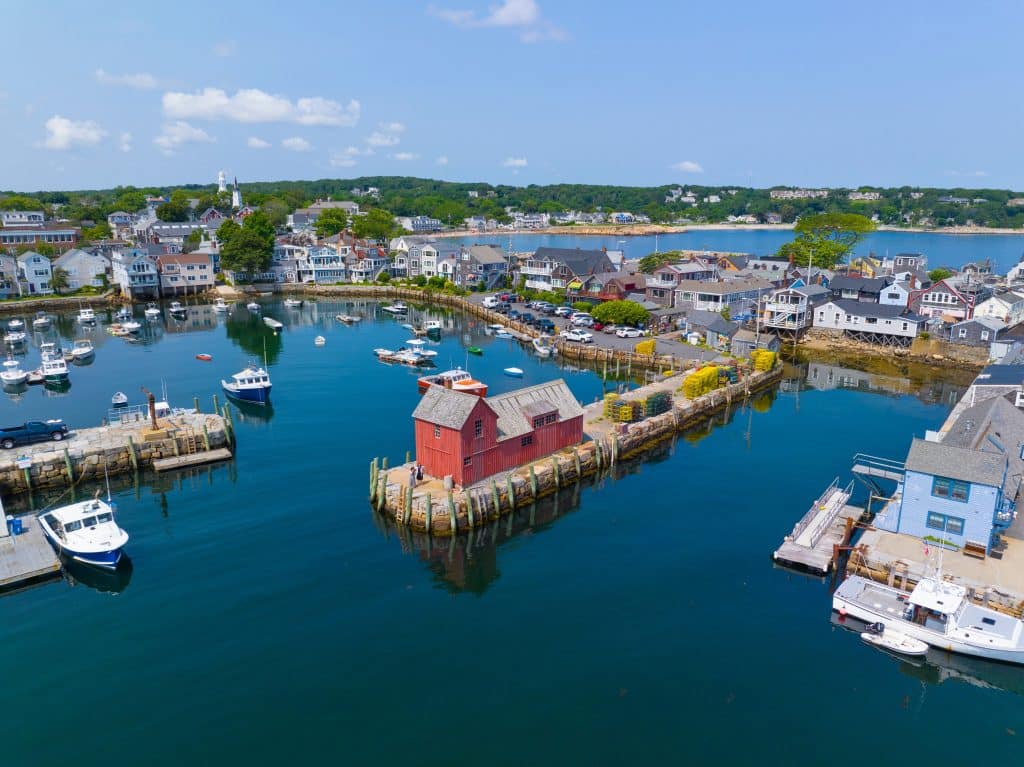
Producer/director Hiro Murai finds the location adds a layer of depth underneath the seemingly idyllic town of Widow’s Bay. He told MovieWeb, “I think that part of America (the New England region) has the most history, right? And I think history is spooky, like a lot of stuff has happened before in the course of history.” He continued, “It’s so rustic and cozy, and you know, during the summer, the weather was incredible. But you could also tell that like there’s a lot of history and old architecture and old traditions that we don’t practice anymore, and there’s something about knowing that there is history and some of it is violent and some of it is strange. That makes it a little unsettling, too.”
Widow’s Bay taps into these real, longstanding supernatural superstitions and the history of the New England region, making the series feel authentic and genuinely spooky. Read on for a breakdown of which New England superstitions the series draws on to craft the mystery of Widow’s Bay.

1. The Fog
Episode One: “Welcome to Widow’s Bay”

The first legend we are introduced to in the series’ first episode is the deadly fog that encircles the island. Local fisherman Shep goes missing one night while at sea. Trying to impress a New York Times travel writer and with a couple of other things on his plate (a recent earthquake and lost power), Loftis writes off any suspicious circumstances of Shep’s disappearance. Local conspiracy theorist and resident authority on the island’s superstitions, Wyck, thinks that the fog took Shep. Along with the earthquake, Wyck says the supernatural fog means the island is “waking up.”
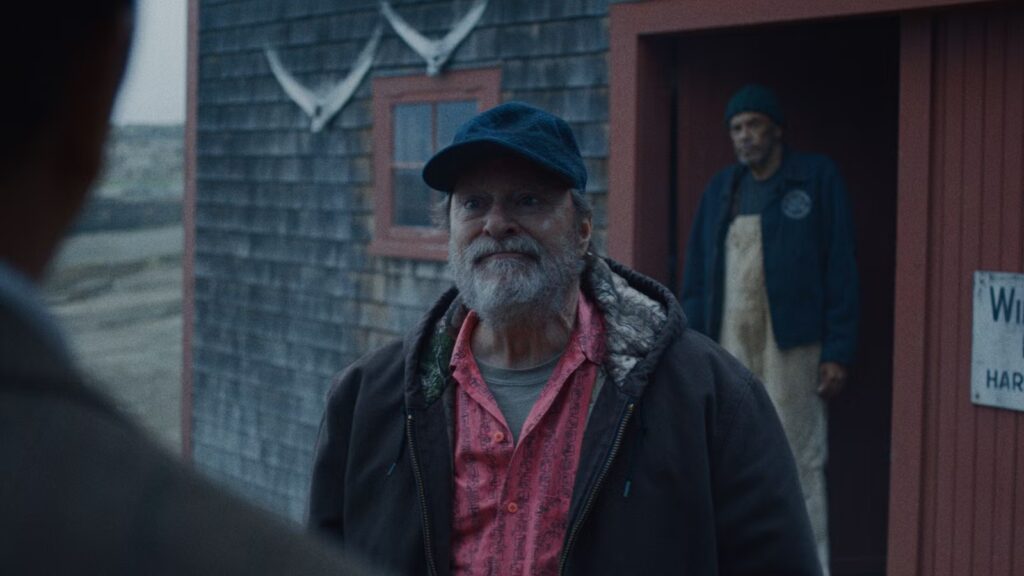
According to Wyck, this fog has happened before, recounting a “fog that stole souls” in 1846. According to legend, the fog inflicted a mysterious illness on those who were caught in it, beginning with their eyes turning white. Shep stumbles into the local bar, and despite a fall, to Loftis’ relief, appears to be unharmed. But the relief doesn’t last long. When Loftis goes to visit Shep in the hospital, he begins to mumble, and Loftis leans in to hear what he is saying, but suddenly his eyes glaze over white, and he grabs onto Loftis’ throat. A struggle ensues, and suddenly, Shep drops dead.
Nantucket’s Eerie Fog
There may not be any accounts of fog-related deaths in New England’s real history, but Nantucket, a notoriously foggy island off of Massachusetts, has a long history of mysterious fog.
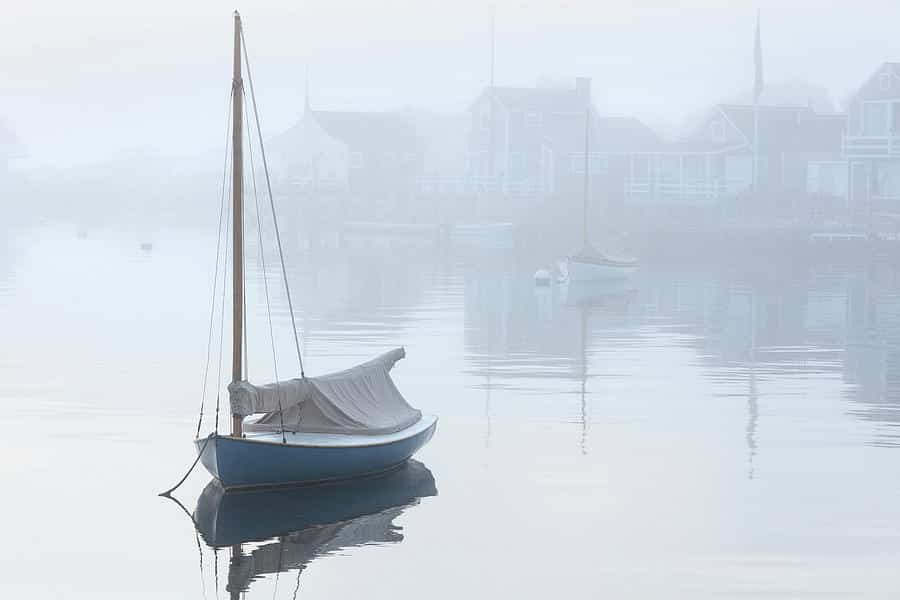
Nantucket, situated in the Atlantic Ocean, is one of the foggiest places in New England. The island is sometimes referred to as “The Grey Lady“, a nickname sailors gave the island due to the thick layer of gray fog that would blanket the area during the night and early mornings. Fear of the fog in Nantucket is primarily due to the maritime collisions that have occurred because of it. In 1956, an Italian ship, the Andrea Doria, collided with a Swedish ocean liner, Stockholm, during heavy fog. The fog was so thick that by the time they realized they were going to collide; it was too late. The crash claimed the lives of 51 crew members and passengers.
The Tuckernuck Yoho
Additionally, on the island of Tuckernuck, part of the town of Nantucket, the legend of the Yoho has been passed down through generations. The Yoho is said to be a mysterious and prehistoric creature, part griffin, snake, and fish. Local accounts have claimed to hear the cry of the Yoho at night, sounding like a howl or a siren. Others claimed to have seen the body of the creature through the fog.
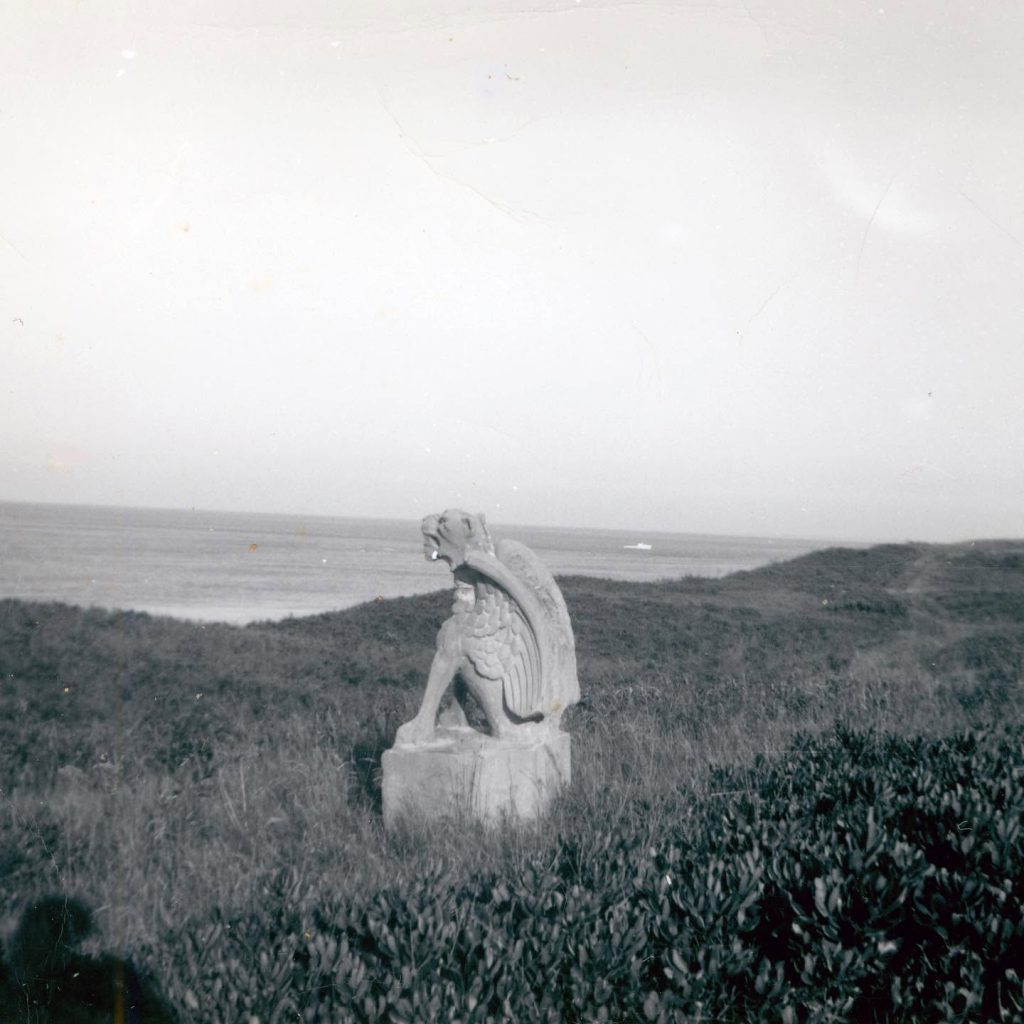
Susie Robinson, a Tuckernuck resident and former president of the Tuckernuck Land Trust, told the Nantucket Historical Association that the legend of the Yoho originates from fishermen in the area who would get disoriented in the fog and have hallucinations. However, even to this day, it is a big part of Tuckernuck culture and is widely told to children.
Ghost Ships in the Fog
As many maritime disasters have been caused by fog, and fog manipulates the sight and minds of sailors at sea, many legends about phantom ships have emerged. Before modern navigation technologies, sailors used phantom ships and the power of the fog to explain the unexplained. This goes back for centuries, across different cultures. Ancient Greek sailors believed to have seen ships with undead crew members that were sailing towards harbors that didn’t exist. Vikings warned of draugur ships, ships that would emerge from the fog with undead warriors that would kill sailors.
These legends were about making sense of the mystical and unknown properties of fog. When sailors saw a vessel vanish into the fog or heard eerie sounds, supernatural forces in the fog became the explanation. The fog itself becomes a haunting force, conjuring up these images in the sailor’s mind as the dense mist obscures vision and amplifies sound.
2. Haunted Inns
Episode Two: “Lodging”
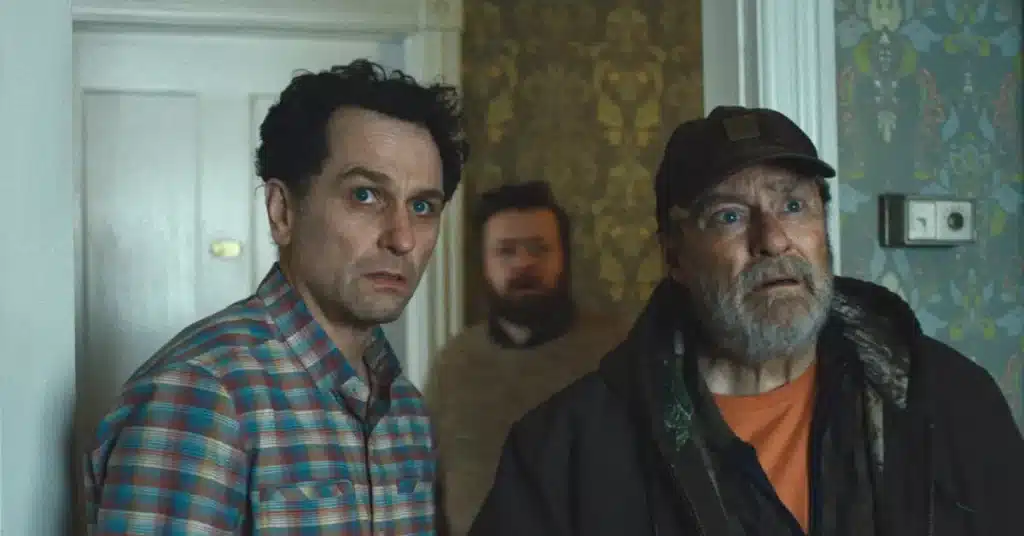
In episode two of the series, after Shep’s death, it’s becoming clear that there may be something weird going on in Widow’s Bay… But it’s almost tourism season, and Widow’s Bay’s only inn needs to be ready for guests. Of course, locals tell Loftis he can’t let anyone stay at the Inn because it’s haunted. A spirit called “The Ungrateful Hortence,” a clown killer from the 60s, and a New Year’s Eve party gone wrong are just some of the unfortunate and haunted events that have plagued the inn over the years. Even after his experience with Shep, Loftis is still a skeptic, so the townspeople dare him to stay a night in the inn, in the most haunted room, “The Captain’s Suite,” to prove it’s not haunted.
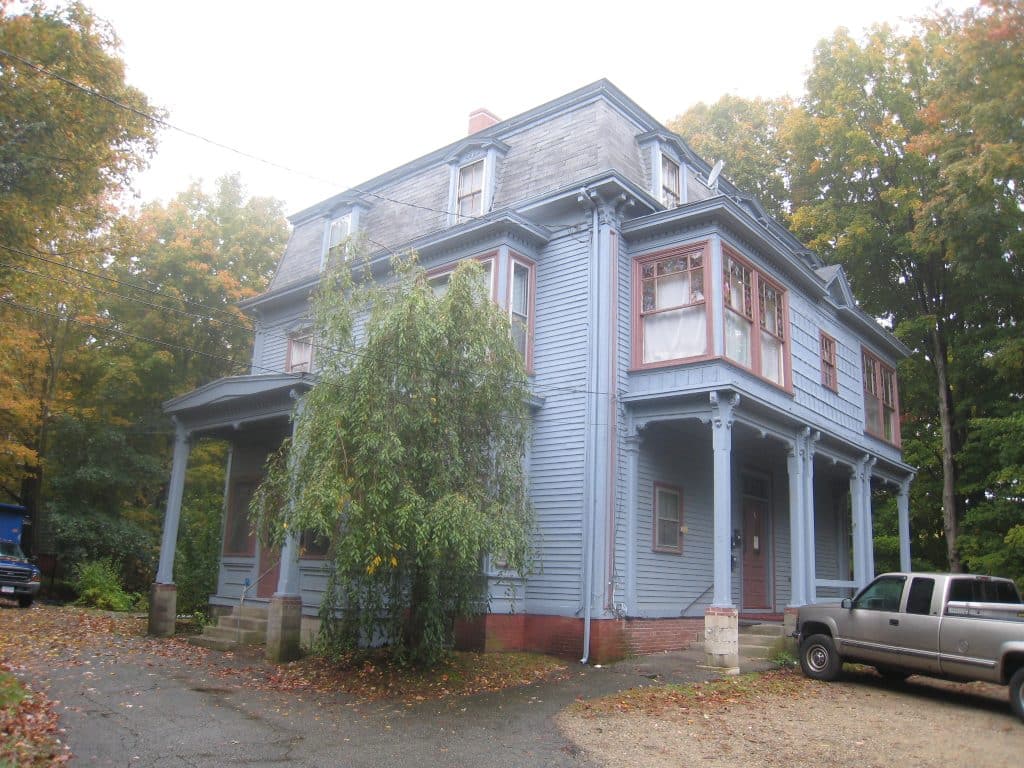
In typical Widow’s Bay fashion, everything seems normal enough. Loftis has even found a fellow guest to share a drink with and play some parlor games with. However, this mysterious guest’s behavior becomes more and more odd, until finally he chases Loftis into the crawlspace of the Inn wearing a clown mask. When Loftis looks at the security footage the next morning, he is seen talking to no one.
Lorenzo Maynard’s Mansion, where the show filmed, may not have any reports of hauntings, but there’s no shortage of haunted inns in New England some presumed to be haunted by real individuals and others just mysterious entities.
Lizzie Borden Bed & Breakfast
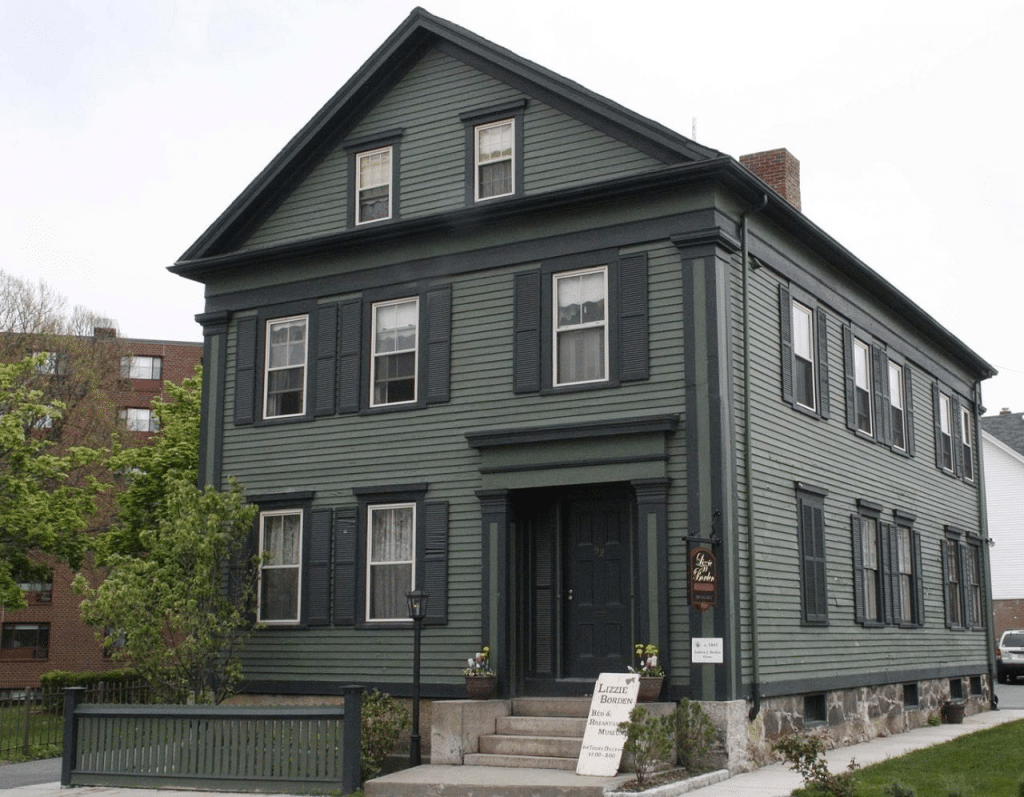
The house was home to one of America’s most notorious unsolved murders. On August 4, 1892, Lizzie Borden’s father and stepmother were found brutally axe murdered in the home. Lizzie was never found officially guilty of the crime, but it is widely suspected that she was responsible for the murders.
Today, the home is preserved in the state it was in during the time of the murders. The residence has been transformed into a museum and a bed and breakfast. The house offers ghost tours and invites you to stay in the rooms where the murder victims were found. Self-proclaimed on their website as “America’s most haunted house,” guests and locals alike believe that the souls of the victims and Lizzie herself never left the house and report hearing strange noises and seeing apparitions.
Concord’s Colonial Inn
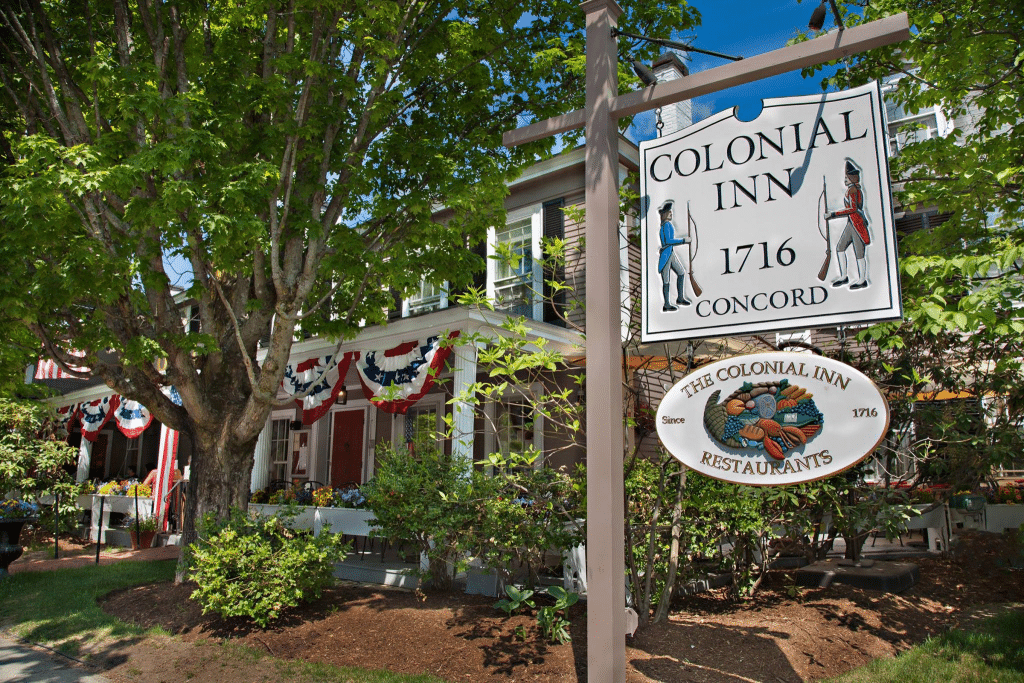
Operating since 1716, the Colonial Inn in Concord, Massachusetts, is one of the oldest inns in America. The inn has housed revolutionary war soldiers, to literary icons like Ralph Waldo Emerson and David Thoreau. A majority of the suspected hauntings in the inn are drawn back to its wartime history. Room 24, which was a former wartime hospital room, is thought to be haunted by soldiers who died there. Similarly, room 27 is believed to have been a morgue during the war. Guests have reported an eerie sensation and heavy presence in the room.
The hallways aren’t safe either; guests have claimed to see the ghost of Ralph Waldo Emerson, American essayist and philosopher, wandering the upstairs hallway, along with flickering lights and unexplained electrical malfunctions.
3. The Sea Hag
Episode Three: “The Inaugural Swim”
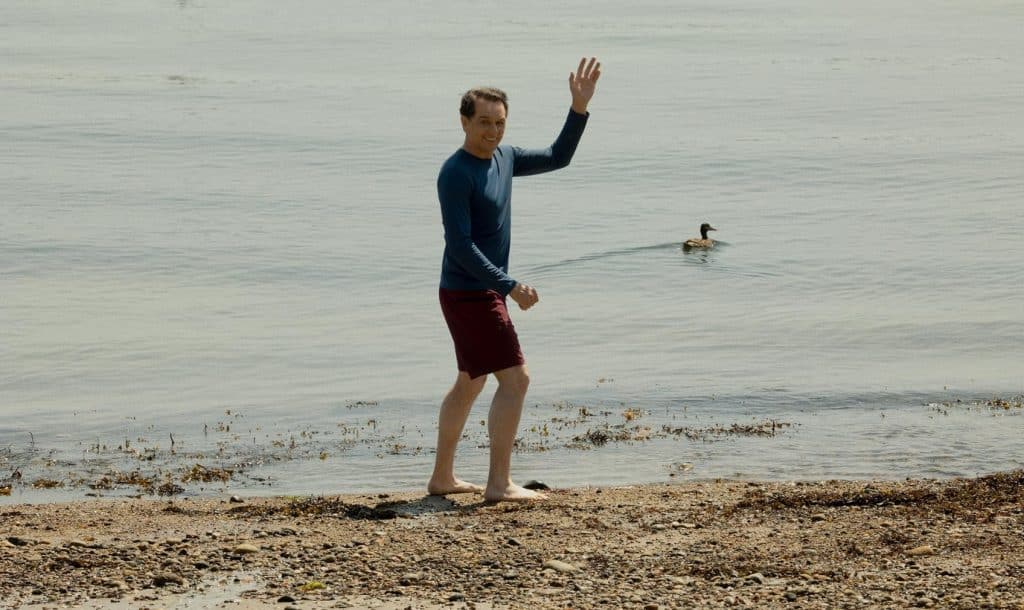
Even after the incident at the Inn, Mayor Loftis is determined to show the town of Widow’s Bay and their new wave of tourists that there’s nothing wrong with the island.
One night, just like any kind mayor, Loftis tries to offer a ride to what he presumes to be an old woman on the side of the road. He tries to get her into the car and offer her some help, but her seawater-drenched clothes and eerie walk tip Loftis off that something’s not right. As he tries to book it out, the old woman scratches a deep gash into Loftis’ arm through the car window.
Tom tries to shake it off the next morning. What harm could a little, not-so-little, scratch do? That’s when one of his coworkers at the town hall, Rosemary, nonchalantly tells him that the old woman he encountered was the Sea Hag, another one of Widow’s Bays legends. Loftis goes to Wyck for more answers, who tells him that the Sea Hag is an old sailor’s legend, and once she scratches you, the victim eventually becomes paralyzed, and she will hunt you down and kill you.
With a big town event looming, the inaugural swim, where the mayor takes the first swim to officially open the beach for the season, Loftis ignores Wyck’s warning. But as he’s swimming, the Sea Hag appears and scratches him again. Later that night, Loftis starts to become unconscious, just as Wyck said, and the Sea Hag visits him. Loftis is able to throw her off of him using his reclining chair and run to hide in the bathtub. Just as she is about to seal his fate in the bathroom, Wyck comes in and shoots her, and she explodes into dirty seawater.
The New Haven Sea Hag
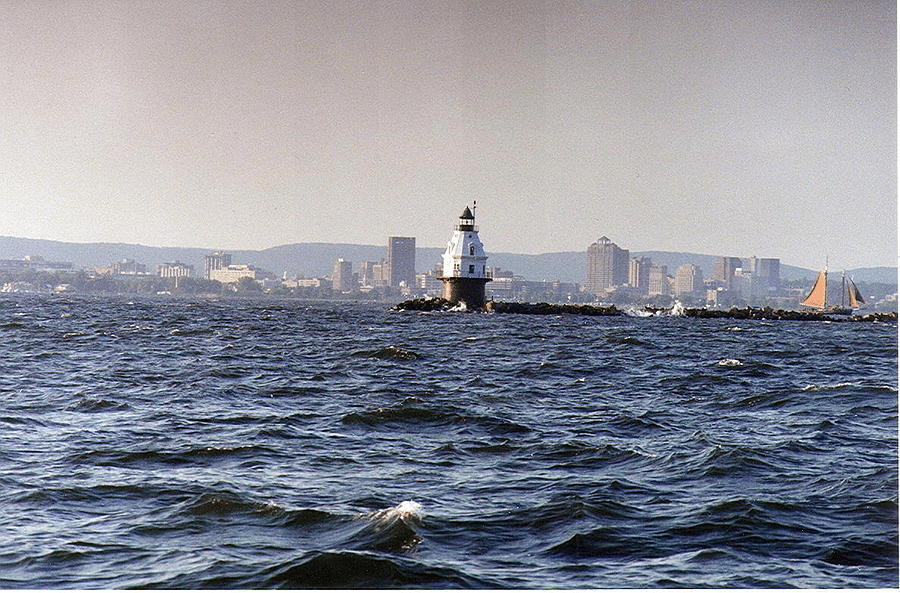
Sea Hags have been seen across maritime culture for centuries, known for their grotesque appearance and, like sirens, luring sailors to their death.
The town of New Haven, Connecticut, near the Long Island Sound, has its own version of the Sea Hag. The local legend states that a man named Sir Robert Henway arrived in New Haven in 1783 and married a young woman named Molly. After some business deals Henway made went awry, he abandoned his wife, Molly, and fled to India. Molly, hearing of his plans, stowed away on the ship. Some versions say that Molly flung herself into the New Haven Harbor, other says that Henway did it himself once he found her hiding aboard. But either way, the legend is that her spirit haunts the New Haven waters as the Sea Hag.
This sounds pretty convincing, but the legend was actually crafted by the New England Brewing Company to boost sales of their Sea Hag IPA in 2006. It’s no wonder locals believed it, though, the campaign included a fake Wikipedia blog and a fabricated, handwritten, “historical” account of a sighting of the Sea Hag.
Fake Town, Real Fear
The mythology of Widow’s Bay feels so grounded and believable because it honors the rich cultural beliefs and history of New England region.
For coastal communities like Widow’s Bay, superstitions about the fog stem from its power as both a natural and supernatural force in their geography. Widow’s Bay draws on the overall theme of New England superstitions of fog: the fear of the unknown. No one knows what happens in the fog or what spirits or creatures lurk under its veil.
As with the inn Loftis stays at in Widow’s Bay, it’s not the physical spaces of these historic sites that make them terrifying, it’s the legacy of the individuals and events that came before. Murders, death, illness, the history of what happened in between the walls, and the anxiety that they never left, is what truly makes something haunted.
Even with New Haven’s fabricated Sea Hag legend, if stories and legends are circulated enough, they become part of the fabric of a community, just like they have in Widow’s Bay. It becomes forging a cultural identity and searching for meaning in the mysteriousness of the environment.