

Emerald Fennell’s provocative trailer for her adaptation of Wuthering Heights is ruffling some feathers online. Is the criticism valid or should audiences keep an open mind when it comes to book-to-movie adaptations?
A quick history
If you’ve never read the Gothic literature classic, here’s a little recap. Written by Emily Brontë and published in 1847 under the pseudonym Ellis Bell, Wuthering Heights follows the intense relationship between the brooding Heathcliff and the wild Catherine Earnshaw. Set in the gloomy moors of Northern England, Wuthering Heights is an epic saga about obsession, revenge, and love.
The tormented relationship between Heathcliff and Catherine has stood the test of time. From the Kate Bush song of the same name to the nearly 15 adaptations that have brought Heathcliff and Catherine to the big screen, Brontë’s gothic drama has touched generations.
The book was revolutionary at the time of its publication. A Victorian critic from Graham’s Lady Magazine even said, “How a human being could have attempted such a book as the present without committing suicide before he had finished a dozen chapters, is a mystery. It is a compound of vulgar depravity and unnatural horrors.”
A pretty harsh review, but it shows how divisive the novel was. Brontë touched on topics that challenged Victorian ideals: violence, social commentary, incessant longing. It really had it all.
Trailer reactions
Director Emerald Fennell touches on similar themes in her other works, like Promising Young Woman and Saltburn. Often substituting substance for sexiness, Fennell’s work is polarizing in its own right.
That’s not to say she doesn’t provide interesting social commentary on topics like misogyny and social class. However, some criticize her use of incessant violence for shock value.
On the Las Culturistas podcast, actress Tina Fey said Fennell’s movies often take a “sexually violent turn and you have to pretend to be surprised by that turn.”

Shock value is great, but when it becomes a known element of your work, it loses its luster.
But if audiences know Fennell for being shocking, what’s the big deal with her vision for this new project?
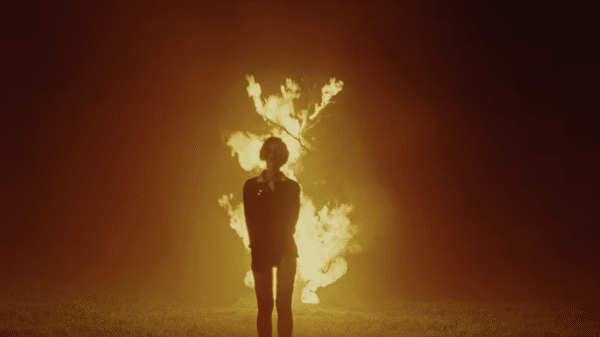
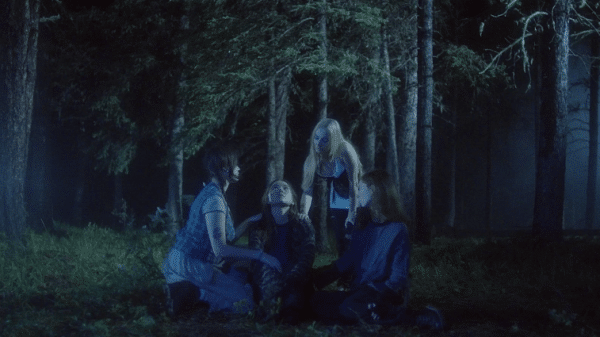
Much like the book, the provocative trailer has garnered mixed reactions. Soundtracked by a sultry Charli XCX song titled “Everything is Romantic,” the trailer is a montage of suggestive and erotic scenes, which have confused audiences.
An attendee who went to an early screening said the movie was what audiences should expect from a Fennell film.
“Aggressively provocative and tonally abrasive, leans hard into Fennell’s now-familiar brand of stylized depravity.”
Movie Reel
Others are excited to see their favorite Aussies, Margot Robbie and Jacob Elordi, portraying Catherine and Heathcliff. No doubt the two will bring their best, but it might not matter. The real issue is how far Fennell can diverge from the source material while still creating an enjoyable adaptation.
Casting choices
Right off the bat, Fennell took a huge leap away from the novel with the casting choices. Robbie and Elordi are two of Hollywood’s most beloved actors right now. But fans of Brontë’s novel have raised some serious concerns.
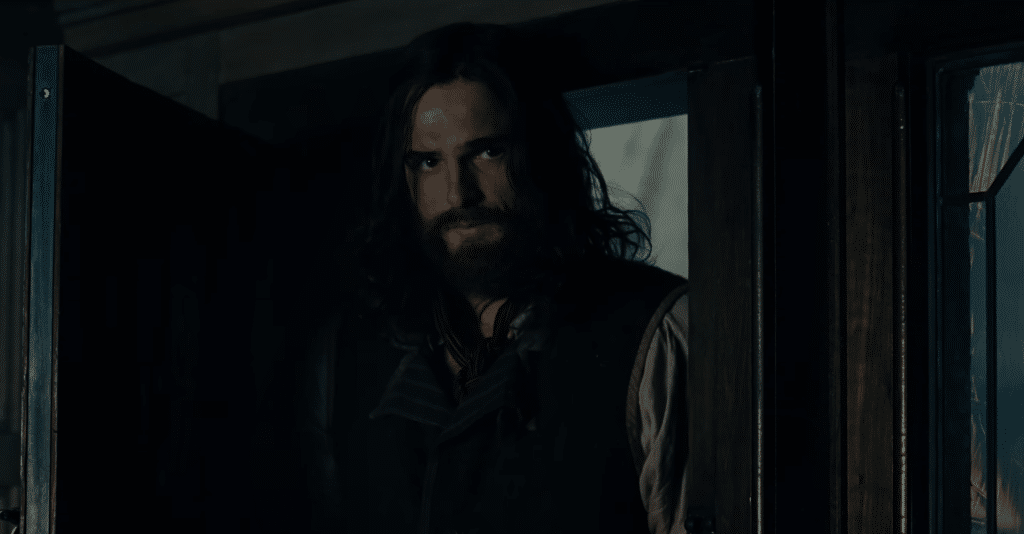
The main one being the whitewashing of Heathcliff’s character. In the book, Brontë describes Heathcliff as a “dark-skinned gypsy.” Although the language isn’t what we would use today, it still suggests that Heathcliff was not white.
In fact, nearly everyone in the novel treats him less than because of this. It further fuels the complicated relationship between Catherine and Heathcliff and provides vital commentary on race and class during that time period in England.
So why cast one of the internet’s favorite white boys to play a person of color?
Well, it’s nothing new. All but one adaptation of Wuthering Heights cast Heathcliff as a white man (the exception being James Howson in the 2011 film). It’s not uncommon for period pieces to omit BIPOC characters. However, in doing so, they are erasing important elements of history and diluting conversations around inclusion in films.
While Jacob Elordi will certainly live up to the task of portraying the abrasive and passionate Heathcliff, does it really matter if such a vital element of his character is missing from the film? Kharmel Cochrane, the movie’s casting director, shared her thoughts about the backlash.
“There’s definitely going to be some English Lit fans that are not going to be happy.”
Kharmel Cochrane
But it’s not just about appeasing fans of the book; it’s about having inclusive roles in Hollywood. It’s hard enough to break into the world of acting when all the best jobs go to established actors, like Elordi. Changing roles to fit the mainstream narrative makes it even harder.

Then there’s the matter of the ages. Hollywood is no stranger to casting thirty-year-olds to play teenagers. However, it’s getting to be a tired trick that takes away from the movie.
Take Margot Robbie, for example. Thirty-four years old and playing a seventeen-year-old Catherine? It’s an odd choice, one that feels like they didn’t even try to incorporate elements from the book.
Catherine is wild, fiery, beautiful, and at times selfish. Her youth is why she is so naive and impulsive. Robbie will no doubt be able to pull off a great interpretation, but being double Catherine’s age takes away from the believability of her decisions.
As Cochrane said, “But you really don’t need to be accurate. It’s just a book. That is not based on real life. It’s all art.”
It’s definitely an artistic choice for sure.
Adaptations and creative liberties
Like Cochrane said, it’s all art at the end of the day, and with art comes artistic interpretations. Fennell is definitely taking her own creative liberties with the adaptation, so why even talk about it?
Well, the issue with current Hollywood is its lack of creativity. We see the same faces on our screens over and over again. It feels like every movie theater is filled with sequels, adaptations, or remakes, creating a circular pattern that’s difficult to break away from.
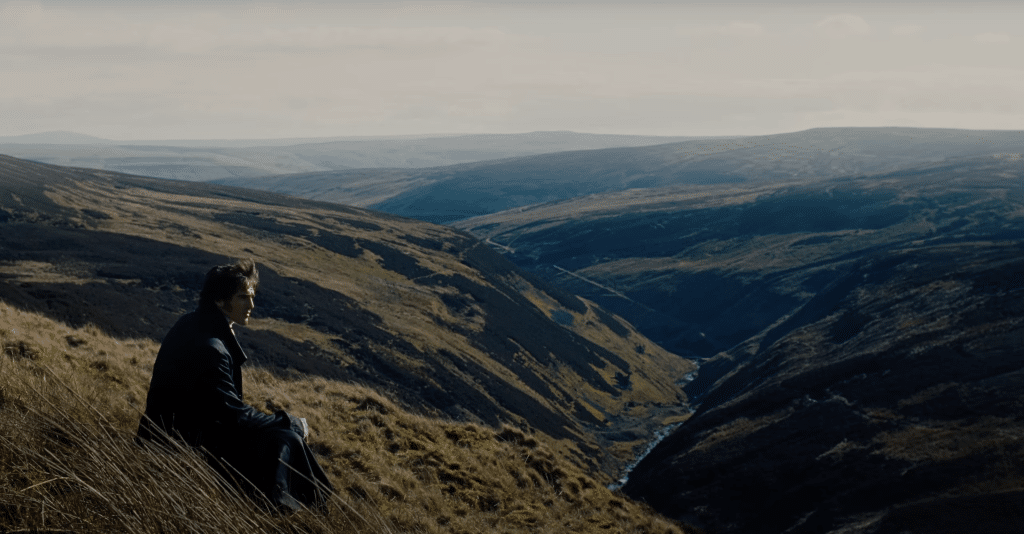
Enter Fennell. She’s made a name for herself through her original works with shocking scenes. They leave the internet buzzing with conversation (remember Barry Keoghan’s final dance in Saltburn?).
We should be praising her for jumping into this adaptation with an abundance of artistic style and vision. And yet most of us aren’t. We finally get something unique, and we complain?
Retelling stories is an art as old as time. We’ve seen creative adaptations make a name for themselves in pop culture. Take Clueless, an adaptation of Jane Austen’s Emma, or 10 Things I Hate About You, a reimagining of Shakespeare’s The Taming of the Shrew.
Maybe this horny, dark, and sexy remake will bring the timeless classic to a new audience. But if they decide after the movie to crack open the book, they’re going to be disappointed. That is the real issue.
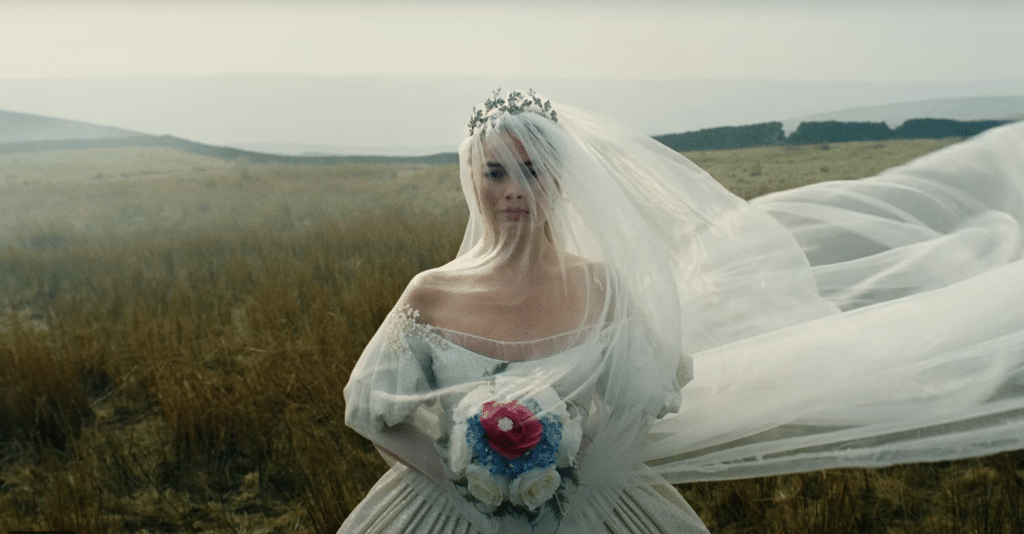
Of course, you can’t appease all die-hard fans with a one-to-one perfect adaptation. However, you can honor the plot, character, and themes Brontë wrote about so long ago.
Wuthering Heights is not some erotic BDSM fantasy with the prettiest white actors Hollywood can offer up. It’s a story about longing, obsession, and generational trauma, with commentary on social class, race, and the expectation of women.
Yes, adaptations need to have their own creative vision. However, from the trailer, it seems as though Fennell has interpreted the novel completely wrong. At the very least, she has stripped away its more complex discourse for the sake of shock value and internet buzz.
But really, none of this should come as a surprise. With Fennell at the helm, there is reason to believe this adaptation will keep surprising audiences until way after the credits roll. Maybe that’s exactly what Hollywood needs right now. A movie that gets people talking. It might not be the most accurate remake, but bringing Bronte’s words into current discourse may be the best tribute of all.










Theresa Arsenault
September 23, 2025 at 1:37 am
As one who did not read “Wuthering Heights”, I am most grateful for Meghan’s quick overview of the story and placing it in time, something elitist authors sometimes neglect. This review was interesting and thorough as it highlighted everything from the use of shock value to the liberties taken by Fennell regarding race and age. This author is insightful as she presents various points of view on several topics and makes it all palatable for the average person like me.