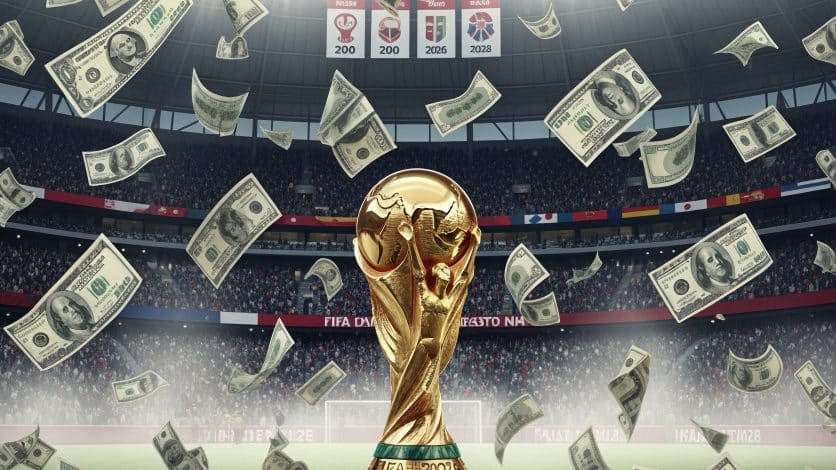
Every four years, billions of people watch the FIFA World Cup, cheering for their favourite teams and celebrating the champions. But while one nation lifts the trophy, another competition is taking place.
Behind the celebrations on the pitch, billions of dollars change hands through sponsorships, broadcasting rights, merchandise, and global marketing campaigns. This raises an important question: Who really benefits from the FIFA World Cup? Is it the team that wins the final, or the organisations, brands, and businesses that profit from football’s biggest event?
FIFA: The b
While the players compete for the trophy, FIFA controls the business behind the tournament. As the organiser and owner of the World Cup’s commercial rights, FIFA decides who may broadcast the matches, use the official branding, advertise inside stadiums, or sell licensed products.
FIFA’s largest source of income is broadcasting rights. Television networks and streaming platforms pay for the rights to broadcast the matches in different countries. Because the World Cup attracts a huge global audience, these rights are extremely valuable. During the2019–2022 financial cycle, FIFA generated around $3.4 billion from broadcasting rights alone.
Another major source of income is sponsorship. International companies pay to connect their brands with the World Cup and receive advertising opportunities, official partner status, and access to a worldwide audience. FIFA earned approximately $1.8 billion from marketing rights during the 2019–2022 cycle.
FIFA also makes money through ticket sales and hospitality packages. At the 2022 World Cup in Qatar, ticket sales generated around $686 million, while premium hospitality packages brought in a further $243 million. These packages offer companies and wealthy fans exclusive seats, lounges, food, and other VIP services.
Licensing is another part of the business. Companies pay FIFA for permission to use its name, logo, trophy, mascots, and other official designs on products such as clothing, video games, stickers, and collectibles. During the 2019–2022 cycle, licensing rights generated approximately $769 million.
However, FIFA does not keep all of this money as profit. It describes itself as a not-for-profit organisation and says that its revenue is reinvested into football. This includes organising tournaments, paying prize money, supporting national football associations, and funding development programmes for men’s, women’s, youth, and grassroots football.

Still, FIFA remains in the strongest financial position. It earns money from almost every part of the tournament: the matches people watch, the advertisements they see, the tickets they buy, and the official products they wear. Teams can be eliminated after only a few matches, but FIFA benefits throughout the entire competition. That is why the organisation may be the World Cup’s biggest winner—even without scoring a single goal.
Brands and Sponsors
For brands, the World Cup is an investment rather than a cost. They spend millions or even billions because the tournament offers something few other events can: access to a global audience of billions. According to Forbes, companies are expected to spend around $10.5 billion on World Cup-related advertising and sponsorship during the 2026 tournament.
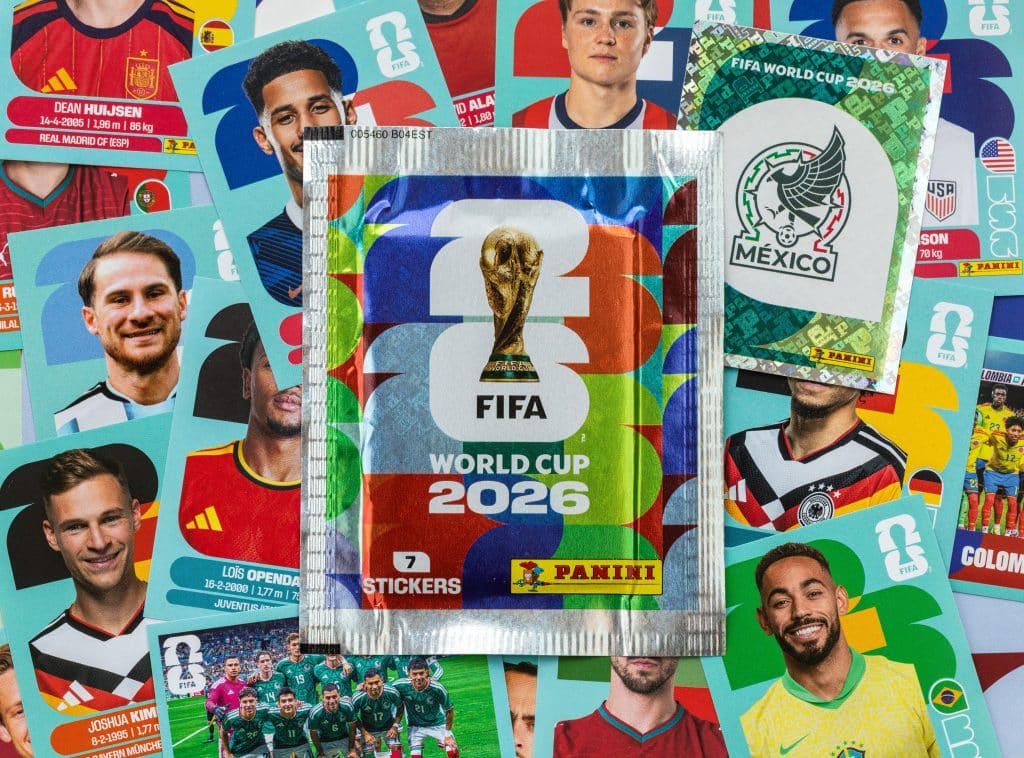
One of the biggest winners when it comes to brands and images is Panini, FIFA’s long-time collectibles partner. Since the first official World Cup sticker album in 1970, collecting and trading stickers has become a tradition for football fans around the world. For the 2026 World Cup, Panini released its largest sticker collection ever, featuring 980 stickers. The album is more than a souvenir—it creates excitement months before the tournament even begins and generates millions in sales.
Another example is Coca-Cola, one of FIFA’s longest-standing partners. Ahead of the 2026 World Cup, the company launched a special campaign with Panini, placing exclusive World Cup stickers inside selected Coca-Cola products. The campaign encourages customers to buy more products while collecting stickers, turning everyday shopping into part of the World Cup experience.
Unlike the teams, brands do not need to win matches to succeed. Their success is measured by brand awareness, customer engagement, and sales. Whether the final ends in celebration or disappointment for fans, sponsors have already achieved their goal: reaching millions of consumers and becoming part of the world’s biggest sporting event.
Winners beyond the pitch
The World Cup creates winners far beyond FIFA, the teams, and official sponsors. Broadcasters, social media platforms, host cities, hotels, restaurants, and tourism businesses can all benefit from the enormous attention surrounding the tournament.
Broadcasters pay large sums for the rights to show World Cup matches, but they gain access to huge audiences in return. Popular games attract millions of viewers, allowing television networks and streaming services to charge more for advertising and attract new subscribers. During the 2026 tournament, some important US matches drew record audiences, while advertising slots during major games reportedly reached prices of up to $1 million.
Digital platforms benefit similarly. Fans no longer experience the World Cup only through full matches on television. They also watch highlights, reactions, livestreams, memes, interviews, and creator content on platforms such as YouTube, TikTok, and Instagram. In Brazil, the creator-led platform CazéTV secured the right to stream all 104 matches of the 2026 tournament. This reflects how the World Cup is helping digital media platforms reach younger audiences and compete with traditional broadcasters. FIFA reported billions of digital engagements during the previous tournament, showing how valuable online attention has become.
Host countries and cities can also benefit. International fans spend money on flights, hotels, public transport, food, entertainment, and local attractions. Hosting the tournament can create temporary jobs, improve infrastructure, and give a city worldwide publicity. The attention may also help host destinations attract future tourists, investors, and major sporting events.
However, hosting is not automatically a financial victory. Cities must also pay for security, transport, stadium improvements, and public services. The economic benefits can be uneven: hotels, airlines, restaurants, and football-related businesses may perform well, while other local businesses may see little improvement. Reports from the 2026 tournament suggest that some host cities experienced increased visitor spending, but the overall economic boost was more modest than originally predicted.
What about the players?
For players, the World Cup can change an entire career. A strong performance on football’s biggest stage can attract the attention of top clubs, increase a player’s transfer value, and turn a relatively unknown talent into an international star. Goals, assists, and memorable moments are watched by fans, scouts, agents, and sponsors around the world.
However, this money does not usually go directly from FIFA into the players’ accounts. FIFA pays the national football associations, which decide how the money is divided between players, coaches, staff, and the organisation itself. Some teams agree on bonus systems before the tournament.
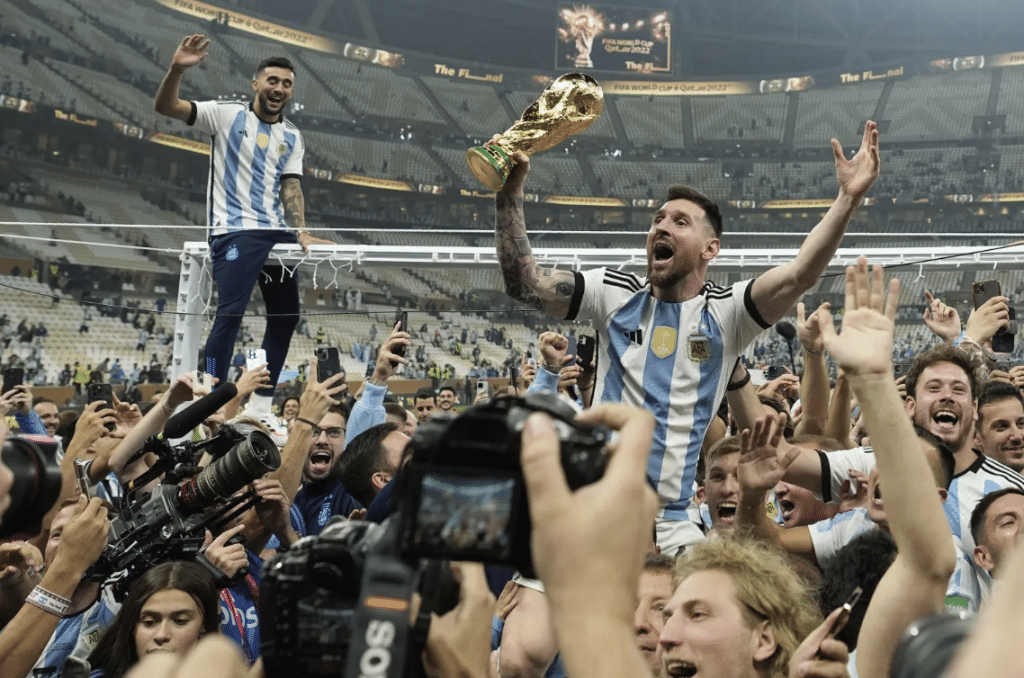
The financial benefits can continue long after the tournament. Players who become popular during the World Cup may gain social media followers and receive sponsorship offers from sportswear, gaming, lifestyle, and technology brands. A strong tournament can also help a player negotiate a better club contract or secure a major transfer. Lionel Messi is a clear example of how a player’s global image can grow through the World Cup. His success with Argentina has strengthened his brand value and attracted major sponsorship deals, making him one of the most marketable athletes in the world.
At the same time, the influence of star players like Messi has also sparked debate among fans. On social media platforms such as Facebook, some users have speculated that referees or VAR decisions may favour high-profile teams like Argentina because they generate significant revenue and global attention for FIFA. While there is no official evidence to support these claims, they highlight how closely fans connect sporting success with the business side of the tournament.
Still, players are only one part of the World Cup’s financial ecosystem. Their performances create the moments that attract audiences, but the money flows through a much larger network. FIFA sells commercial rights, broadcasters sell advertising, sponsors promote products, clubs benefit from increased player values, and digital platforms gain engagement.
Players may become richer and more famous, but they do not control the overall business. Their talent helps power a system in which many other organisations also profit. This makes them important winners of the World Cup—but not necessarily the biggest ones.
Is the trophy the biggest prize?
At first glance, the answer seems obvious: the team that lifts the World Cup trophy is the winner. But looking beyond the final whistle tells a different story. FIFA earns billions through broadcasting rights, sponsorships, and licensing. Global brands use the tournament to increase sales and strengthen their image. Broadcasters attract record audiences, social media platforms generate billions of interactions, and players can increase both their market value and commercial appeal.
The World Cup is no longer just about football. It has become one of the largest business and media events in the world, where success is measured not only in goals and trophies but also in revenue, visibility, and influence.
So, who really wins the FIFA World Cup? There is no single answer. The World Cup proves that success can be measured in many different ways. While players chase sporting glory, organisations, brands, broadcasters, and host nations compete for something just as valuable: global influence, audience attention, and economic returns. Football remains at the heart of the tournament, but the event has evolved into a global business where success extends far beyond the final score. Understanding who benefits from the World Cup means looking beyond the trophy.