This past December, Timothée Chalamet promoted his film “Marty Supreme”, claiming that it is an independent film. This topic of what goes into making an independent film is something that has been up for debate within the film community for a while. However, this statement by perhaps the biggest star of the past five years catapulted the conversation in popular culture. Leading to the question, is the definition of an independent film evolving?
What is the traditional definition of an independent film?

An independent film, commonly referred to as an “indie”, is any film made outside of the “Big 5” production companies. These companies include Disney Studios, Universal Pictures, Warner Bros., Sony Pictures, and Paramount Pictures. When one of these studios is making a movie, they are almost always the only ones financing all stages of production. Something that most independent films can’t do.
In most indie film productions, multiple companies will give certain amounts of money to the filmmakers. An individual independent film company usually don’t have the funding to finance a whole production by themselves and therefore often collaborate with other production companies. This is why when watching an independent film you see multiple film production logos before the film starts instead of just the Disney logo.
Something that can come with an indie film is that most if not all of the actors are unknown. This doesn’t mean that they haven’t been in a film or tv series before, just no one knew who they were. An indie film may launch the career of an actor and they become know for that role. However, upon first release of the film, no one really knows who they are.
One final characteristics of an indie film is how after the final stage of post-production, the filmmakers work on submitting them to various film festivals around the country or the world to find a distributor. A traditional indie will not have a distributor during an stage of the production process.
Using every penny given
An independent film is typically a film that has financing from many film production companies in order to achieve a budget that they can shoot on. The Film Independent Spirit Awards say that the filmmakers can’t have a budget of more than $22.5 million. This may seem like a lot of money but when compared to the hundreds of millions that the big 5 production companies spend on their films it isn’t. This is also on the high end for indie film budgets a lot. Many indie filmmakers make their films for way less money.
These “Big 5” production companies also have a marketing budget for their films and are distributors themselves. They don’t have to worry about finding a distributor who will take on the marketing and distribution costs, indie films do. This is why independent filmmakers submit their films to film festivals.

Film festivals are an integral part of the independent filmmaking community. They set up screenings for these films at their festivals that allow distributors to see the film. The distributors can then bid on the film to take on the marketing and distribution costs of the film.

Many production companies start out as distributors. Shopping and bidding on films at these film festivals. It’s how they get their business going if they don’t have the money out of the gate to fund a production from the start. They can go to a film festival, buy a film for cheap, and even if they just send it out to the theaters with little to no marketing they can make a lot of money if the film even makes just a few million. These distributors rinse and repeat until they have enough money to fund their own projects.
Traditional example
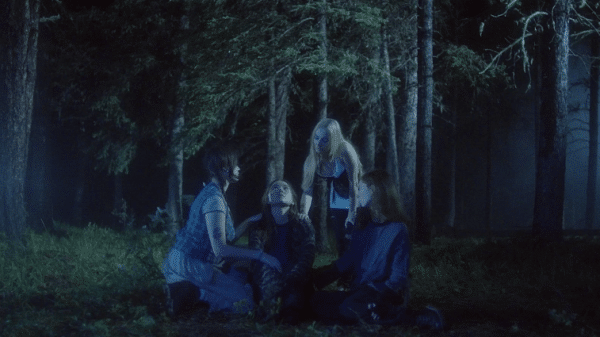
The most recent, well-known traditional example of an independent film is “Obsession”. It was made for under $1 million, features a cast of relatively unknown actors, and was screened at film festivals around the country before being bought by Focus Features for around $15 million. This $15 million doesn’t go towards the budget of the film though. It is strictly what Focus Features paid to acquire the rights to distribute the film. Curry Barker, the films director, was still making the film with less an $1 million during production.
This film has already made more than $350 million at the global box office making it one of the most profitable films of all time. This is why the horror genre is so profitable. These films can be made and bought for cheap and even if the film only makes $10 million on production budget of less than a million and purchase of a few million, the film is profitable for the distributors.
Now “Obsession” is not the rule. It is the exception. Most indie films don’t do as well as “Obsession” has done and are acquired for less money than “Obsession” was. Every indie filmmaker hopes to make a film that does as well as this film, but few achieve this level of success for one movie. Most indie films go unknown in popular culture even if they are good and profitable.
The “Marty Supreme” debate
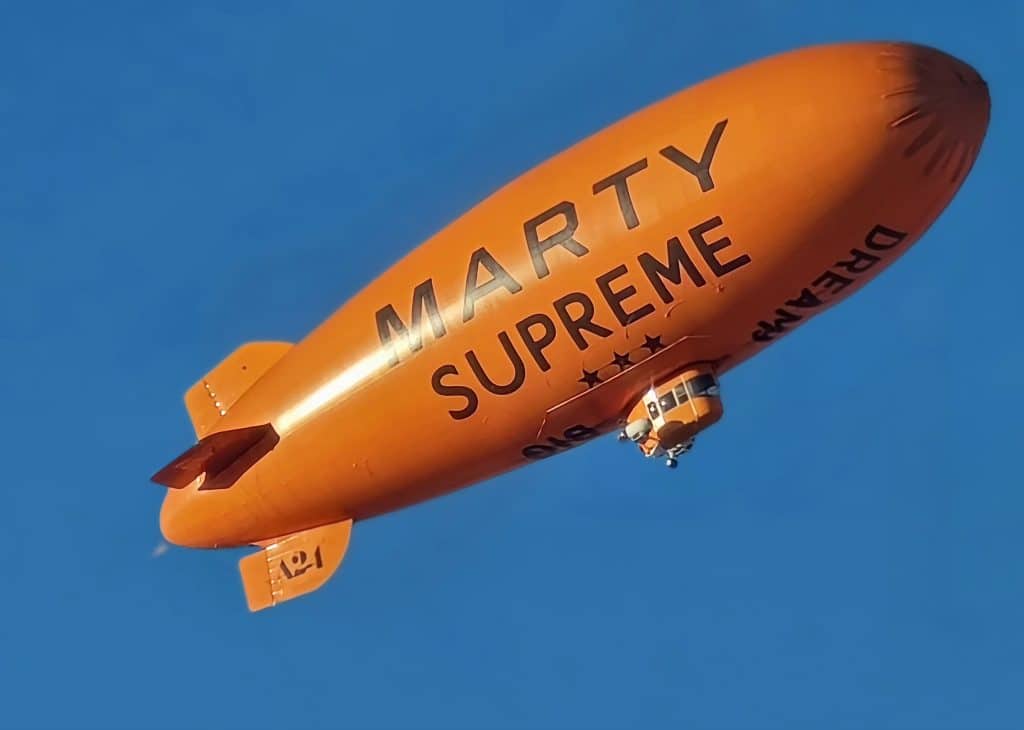
What’s interesting about “Marty Supreme” and similar films like it, is that it divides the film community about whether it’s an independent film or not. It was produced by film production companies outside of the “Big 5” and distributed by A24. However, the film had a production budget of $60-70 million. This is what divides film goers.
This film used resources and had money that most independent films don’t have. It already had a distributor before it was even complete. It also features perhaps the most popular actor right now in Timothée Chalamet, while also featuring Oscar winner Gwyenth Paltrow and music superstar Tyler, The Creator. This many big name actors in an indie film is atyical.
This debate doesn’t take away anything from the commercial and critical success of “Marty Supreme”, it has just sparked a debate about what it means to be an indie film.
Why the definition is changing

The evolving definition of what an indie film is comes down to two points: there are more films being made now than ever before and some non-“Big 5” production companies have become popular enough to makes films with larger budgets than before.
It is easier now to make a film than ever before. Everyone has a camera in their pocket that they could shoot a film on, edit, and submit to film festivals if they wanted to. Sean Baker, the writer, director, editor, and producer behind the Academy Award winning film “Anora”, shot his 2015 film “Tangerine” entirely on an iphone. Stephen Spielberg has even used an iphone when he shot a Mumford and Sons music video.
With streaming services raining supreme in todays climate, it easier than ever before to watch independent cinema. This has resulted in some specific independent production companies gaining a lot of attention for their films. Perhaps the biggest and most popular is A24. They have recently been green lighting larger and larger budget films because of the following they have developed. Leading some to question whether those films really are, like “Marty Supreme”, are independent films.
Celebrities choosing indie projects
More and more A-list celebrity actors are stepping away from larger productions also. This might reflect a growing dissatisfaction with bigger production companies and they way they operate. Most of the time they are going to prioritize profit over creativity. These actors may like the creative freedom that these indie film studio are offering them.
There are also more actors who are producing their own projects than ever before. These big production companies typically only allow their studio executives to be the ones receiving a producer credit on their projects even if they had little involvement in the creative decisions behind the film. Independent studios allow high profile actors to come to them with a project and help them develop it. Whether this means commissioning a writer to write the project or there is already a script and they just financing to get the project off the ground. Some of these celebrity actors have their own production companies as well and produce their own projects under that banner.
This allows there to be less of a risk for indie film production companies because these stars will attract a certain audience to the film. The fans of that actor will come see the film just because they are in it and that takes some of the burden off the production company. In other words, production companies will give a particular dollar amount depending on who is going to the be in the filmThis basically guarantees a certain box office result based on the actors popularity. When factoring word of mouth and critical buzz for the film this could almost assure the indie film company that they would make money if they can keep the production budget low.
Viewer discretion
All of this is to say that there can be a lot of gray area when describing something as an independent film. There is always going to be two sides debating about films like “Marty Supreme” where it was produced and filmed outside of the “Big 5” production companies, but there are aspects about the film that scream big production.
There are more production companies now than ever before. More will continue to be founded. In the days of old Hollywood there were only those “Big 5” production companies. These new production companies are changing how independent cinema is viewed. Whether it’s for the better depends on who you ask.
However, the more voices that are getting seen, the better cinema is for it. No matter if it bends the definition about what an indie film is.