Disney is coming out with the live-action remake of their beloved movie musical Moana. This is happening only ten years after the original movie’s release. As a result, many wonder: who wanted this?
It’s no secret that as of lately, Disney has been putting a lot of focus on pumping out live-action remakes. However, it is rather jarring to see people lining up to rewatch a movie that only came out ten years ago!
With how soon this live-action remake is, the idea that it could be to cash in on nostalgia is out of the window. So if it isn’t for that, then what is it for? Why did Disney make this one? In fact, if they aren’t for nostalgia, why make them at all?
The Live Action Craze
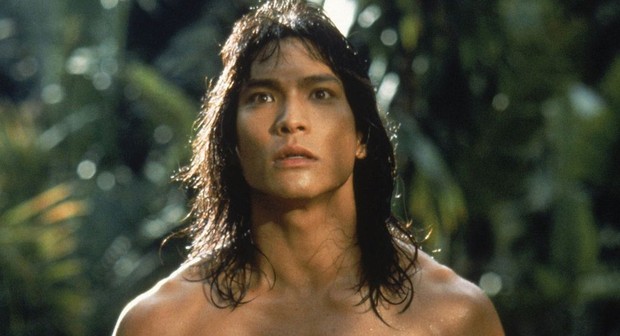
In order to have a better understanding of how Moana got remade, we must look into the history of Disney’s live-action remakes. Many believe that the craze started with Tim Burton’s Alice In Wonderland, released in 2010. While Burton’s take on the beloved tale is one of the more popular live-action films, it is not the first!
Disney actually started remaking their animated films into live action with an adaptation of The Jungle Book back in 1994. The film was generally well received, earning positive reviews and a worldwide box office gross of about $70 million. Critics and audiences praised the live-action Disney film for its swashbuckling, romantic adventure tone. Instead of relying on a scene-for-scene retelling of the 1967 animated classic, they highlighted this new approach.
However, over time, the critical praise over Disney live action remakes would quickly fade. These days, the films are highly polarizing, with some being praised for their striking visuals. Others are heavily criticized as money grabs. But corporate greed is not the only reason many look down upon these films.
Scandal on Set
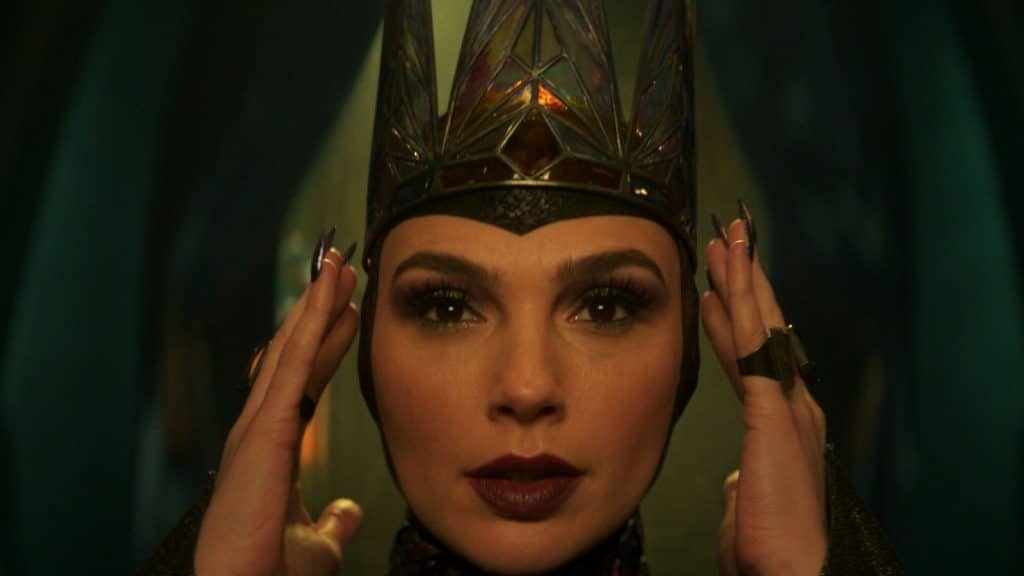
It comes as no surprise that Disney’s live-action remakes have stirred controversy. Especially their remakes of Snow White (2025) and Mulan (2020), with their recent rehash of Lilo & Stitch (2025) also stirring the pot.
A recurring trend in the first two films’ controversies isare; that they can be boiled down to two fronts: the scandal on set, and the scandal in the media. In the case of Mulan, there was discourse to be had over how the film approached rewriting core aspects of the original. Additionally, most of the crew was white. This resulted in the film lacking in cultural integrity in the sets, costuming, and writing. Not to mention the film’s star, Liu Yifei, made statements supporting Hong Kong and the Chinese Communist Party. This led to the hashtag ‘#BoycottMulan’ going viral its release.

In regard to Snow White, the film received backlash over political statements made by both of the film’s leads. The film’s star, Rachel Zegler, made public posts expressing support for Palestine, whilst her co-star, Gal Gadot, expressed her support for Israel. This drew ire from the audience on both sides of the conflict. The movie also faced significant criticism for its CGI dwarfs, as opposed to hiring actors with dwarfism.
And lastly, Lilo & Stitch was faced with heavy criticism for itsdeparture from the original movie’s core themes of family against all odds. The live-action film had a twist ending in which Nani surrenders custody of Lilo to the state so that she can attend college. Moreover, this ending has sparked discussion over whether or not it can be considered family policing copaganda, with the general consensus being ‘yes’.
But What About Moana?
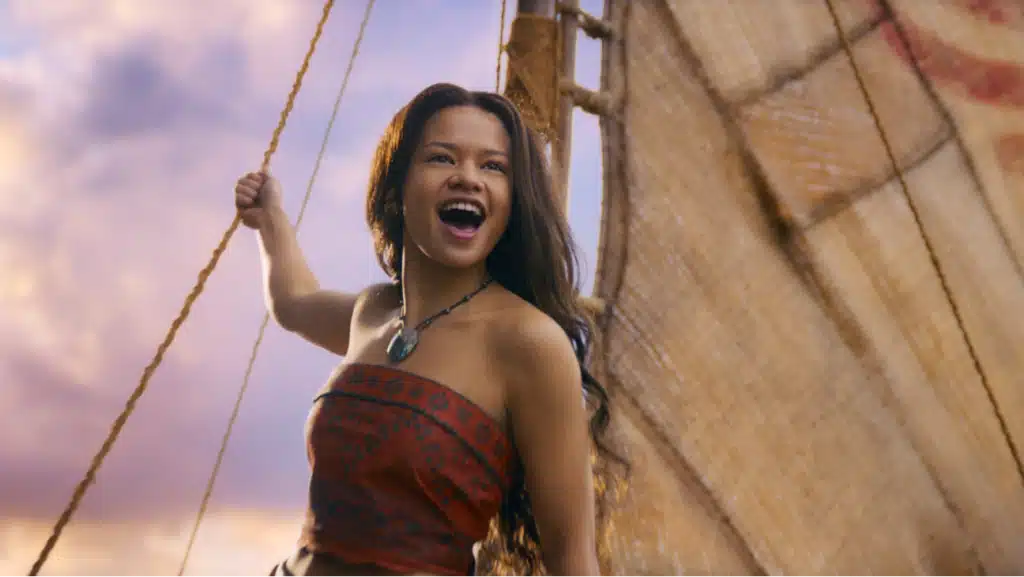
With all of this context in mind, we can now look at the movie in question. Is Moana well received? Or has it already fallen into controversy?
To answer the first question, the film is not well received. On the week of its release, Moana‘s critical review score was revealed to be a dismal 36% on Rotten Tomatoes. Which is the lowest critic rating of all of the Disney live-action remakes. The most common criticisms to be found are that the film is a one-to-one recreation of the original.
One media critic, Manuel São Bento, words it as such:
“Some voyages are only worth retaking if you’re brave enough to chart a new course; this one simply retraces old waters and calls it discovery.”
And as for the second question: yes, the film has already fallen into controversy. Beyond the film’s excessive use of CGI and the many jokes about co-star Dwayne ‘The Rock’ Johnson looking like Weird Al Yankovic in the wig used for his costume, the production has come under fire for racism after they straightened Catherine Laga’aia’s hair for a teaser.
Between scathing critic reviews and controversy floating among the media, Moana is projected to have one of the bleakest opening weekends in Disney history. Regardless, the opening weekend has arrived, and still, we are left to wonder why it has.
And thus, many explanations have come forth.
Reason 1: Expanding Cultural Reach
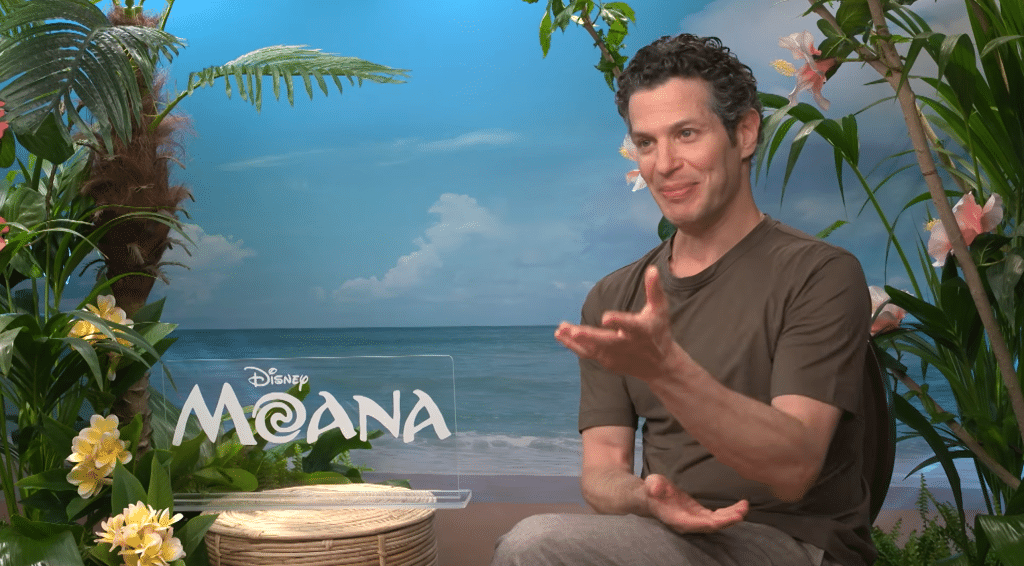
Ultimately, if you want to find the reason for art to be made, you ask the artist. That is exactly what the journalists over at Gamesradar+ did in their interview with the film’s director, Thomas Kail. Prior to working on the adaptation, he had directed a wide variety of shows and films, from Hamilton to 2 Broke Girls.
During the interview, Kail was asked point-blank about his reasoning behind the adaptation. In response, Kail said the following,
“One of the core reasons was the opportunity to preserve and try to take the culture of the Pacific Islands and put it in a photo-real world. The original Moana and Moana 2 communicated so much about the culture to so many millions of people. And with live action, hopefully you’ll get all the people that watch the animated film, and also some folks that might say, ‘Animation is not for me, but I’ll step into this experience.'”
Truth be told, this is my favorite explanation, and I am certain I am not alone in that sentiment. The spreading of cultural folklore is crucial to ensuring ancestral legacies endure, especially in this day and age. While Moana’s covering of Polynesian mythology and folklore is very surface-level, the sentiment is appreciated, I’m sure.
Reason 2: The Rock
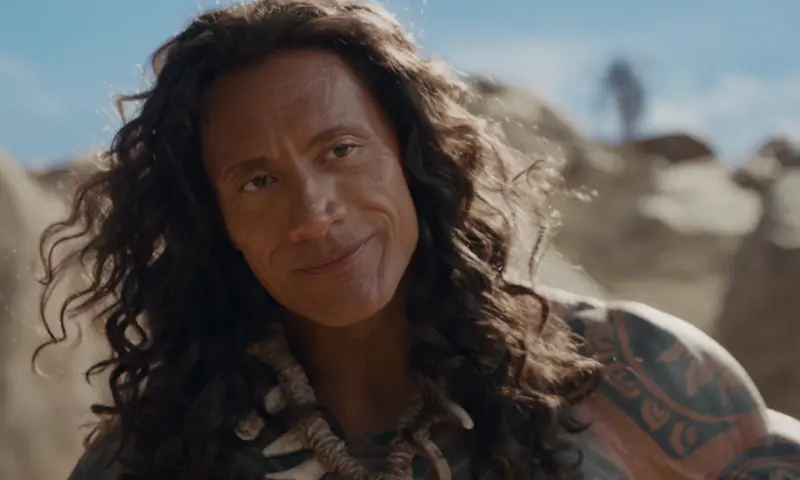
From the moment the film was announced, Dwayne “The Rock” Johnson made it clear this was a project he was spearheading. Not only is he one of the original film’s co-stars, but for the live-action adaptation, he took on the role of a producer.
It’s widely known that The Rock is of Polynesian descent; his mother is Samoan. So, this project was no doubt created as a celebration of his heritage and culture. …or was it?
See, little-known fact about The Rock that will immediately make all of his recent acting roles make sense: he has a ‘no-lose’ clause written into his film contracts.
A ‘no-lose’ clause is exactly what it sounds like. Basically, the characters that he portrays legally cannot lose a fight or take too much punishment. This is to ensure that his ‘heroic, strong guy’ persona never wavers. This isn’t a practice exclusive to him either; Vin Diesel employed the same strategy for his role in the Fast and Furious franchise.
Looking among his past performances, it becomes a pattern that Johnson always plays characters that feed into his righteous, infallible persona. Seriously, compare his characters in Red Notice (2019) and Red One (2024); they’re near-identical in terms of writing!
And sure, Maui is a very different character than the rest of Johnson’s resume, notably more flawed and complex in his writing. But he’s still portraying a literal demigod for the third time. I don’t doubt his heritage is one thing that inspired him to produce this film. That said, I do think his persona was another factor in this decision.
Reason 3: Money
It all ultimately comes down to one fact: Moana makes money.
The original animated movie earned a worldwide total of $688.3 million against a $150 million production budget. Meanwhile, its sequel, Moana 2 (2024),broke Thanksgiving box office records. The sequel amassed $1.009 billion worldwide, almost doubling the success of its predecessor.
When you do the math, it’s as plain as day. The mouse always craves more cheddar.
In truth, the answer to why this movie was made is probably a combination of all three reasons. Johnson wanted to celebrate his culture and play a hero, Disney wanted to make more money, and Kail wanted to use the film as a vehicle to spread Polynesian folklore.
The way I see it, the reasoning behind why a movie was made doesn’t decide whether it’s good or bad. It’s how the movie was made, the combined effort, creativity, and passion of cast and crew, that makes it shine.
But Moana (2026) lacks that, and that’s what makes it bad.