


When our knowledge is mostly derived from television or film, assumptions about mental illness can come easily. Characters within media often become our teachers, our best friends. Over time, our assumptions about mental health are shaped by these characters, even when those assumptions may not be the most accurate. These assumptions can lead to generalizations and harmful stereotypes, reducing a person to their diagnosis.
But behind every diagnosis is a person struggling.
What is bipolar disorder?
If you’re not familiar with mental health disorders, don’t worry. While I’m not an expert, the Mayo Clinic defines bipolar disorder as a “mental health condition that causes extreme mood swings.” These include lows (depression) and highs (hypomania/mania), which can last from days to months (depending on the type of bipolar disorder), disrupting daily life and causing psychological pain. During depression, basic tasks can feel overwhelming, leaving individuals feeling hopeless.
Conversely, during times of hypomania/mania, individuals with bipolar disorder experience increased energy, euphoria and distractibility. However, the seemingly positive symptoms of bipolar disorder have their downsides. During periods of mania, individuals often forgo sleep entirely. They engage in incredibly impulsive behavior, which can lead to negative consequences after the mania subsides.

Although the cause is still being researched, experts in the field have a few theories as to why people have bipolar disorder. Currently, research suggests that a combination of genetics, neurochemical imbalances and brain structures causes bipolar disorder.
Twin studies report a concordance rate of 38.5–43% for identical twins compared with 4.5 – 5.6% for fraternal twins, suggesting that there is some kind of genetic link to the disorder. In addition, low serotonin (the happy hormone), and high norepinephrine (your fight/flight), are partially responsible for bipolar disorder as well.
Lastly, a small basal ganglia (responsible for emotional regulation) and an abnormal amygdala (emotion/mood center) contribute to the development and symptoms of bipolar disorder.
Medications like lithium and other mood stabilizers, alongside talk therapy, can help make symptoms manageable and allow patients to take back control of their lives.

Bipolar representation in the media
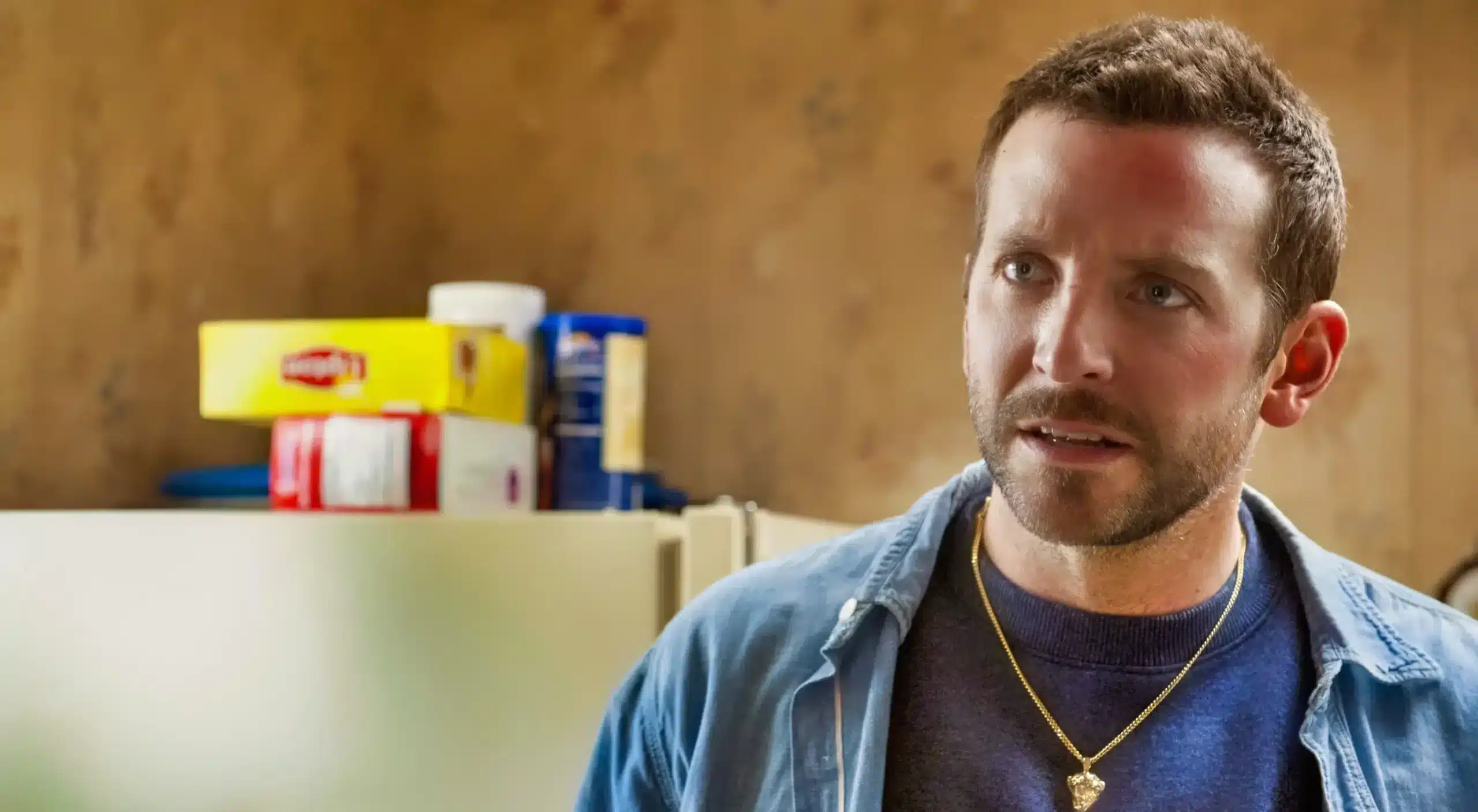
Unfortunately, bipolar disorder has a stigma around it, that the media further perpetuates through its portrayal of individuals with bipolar disorder. For example, in the film “Silver Linings Playbook,” the character Pat Solitano (Bradley Cooper) has bipolar disorder and has trouble containing his anger, leading to violence. This stereotype is untrue, as those with bipolar disorder are not inherently violent, and oftentimes, violence is caused by substance abuse, trauma or another co-occuring disorder, rather than being a symptom of bipolar disorder itself. Another example of this false stereotype is in “Law and Order: Special Victims Unit,” with the characterization of Jamie Hoskins (Brittany Snow), who is written as a bipolar character with anger issues.
The poor representations of bipolar disorder often lead to a stigmatization of the disorder and an unnecessary fear of individuals who have it. It also reduces the chance that people with a mental health disorder will seek diagnosis and treatment, leading to unnecessary suffering for the individual.
Accurate and empathetic portrayals of bipolar disorder in the media can significantly improve public understanding. For instance, Ian Gallagher (Cameron Monaghan) in “Shameless” authentically illustrates both mania and depression, benefiting the bipolar community by enhancing empathy and awareness. In “Thunderbolts*,” Robert “Bob” Reynolds (Lewis Pullman) is a great example of a positive and sensitive representation of bipolar disorder.
“Thunderbolts*”‘s Bob
“Thunderbolts*” tackles bipolar disorder through Bob as his character is nuanced and realistic, not inherently violent or “evil.” Rather, he is a human being who struggles with very human things, like addiction and substance abuse. He has his own traumas and experiences, making him a much more rounded character. His bipolar disorder is a part of him, but it doesn’t define him.
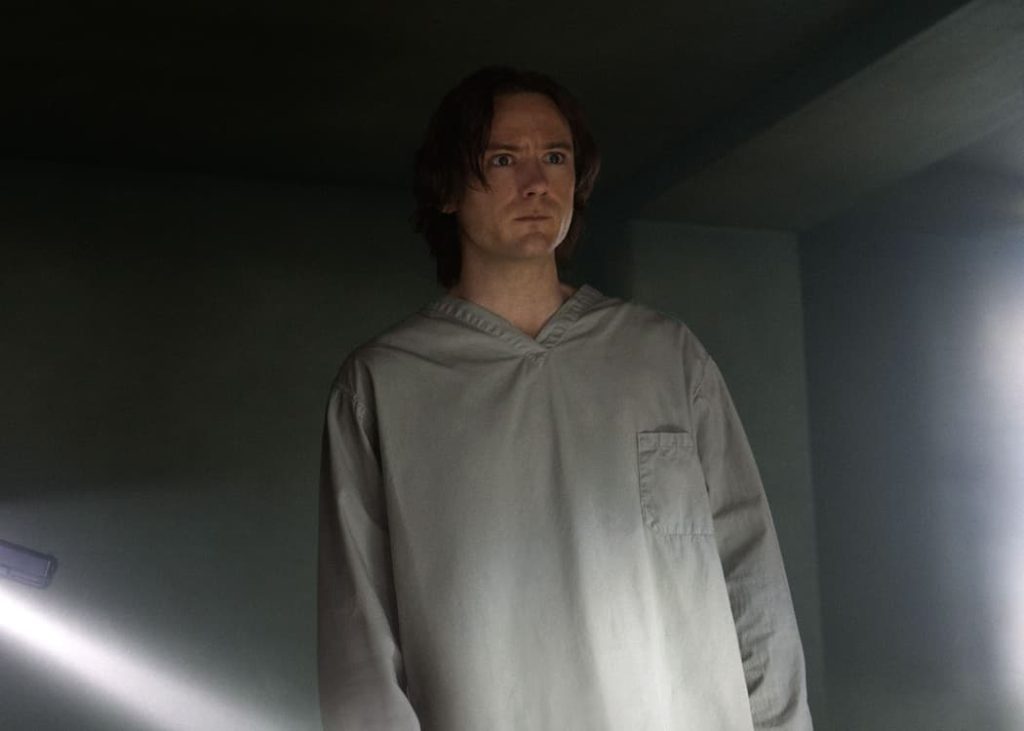
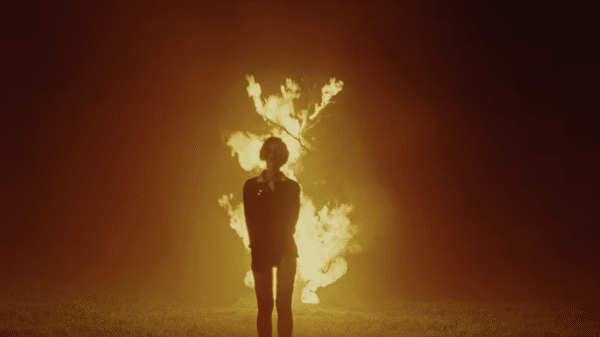
His alter egos represent the different aspects of bipolar disorder, with The Sentry representing mania and The Void representing depression. When The Sentry takes over, Bob is invincible like a superhero, and his grandiose delusions about himself make him overconfident and unstoppable. This reflects the reality of mania, where many feel euphoric and unstoppable.

In contrast, the alter ego, The Void, embodies the depression that those with bipolar disorder go through. The Void is dark and empty, sucking the life out of Bob and anyone who gets trapped in its darkness.

Interestingly, Bob first tries to fight the Void with aggression, mirroring the typical depictions of violence often associated with people who have bipolar disorder. However, this approach fails, emphasizing the problems with portraying bipolar disorder as inherently violent.
Rather, it is the empathy and kindness that Yelena Belova (Florence Pugh) and her ragtag team show to Bob that helps to destroy The Void. Audiences who watch this scene come out with a new understanding of bipolar disorder and mental health disorders in general: Everyone is deserving of love and compassion. Unlike earlier depictions of bipolar disorder, Bob’s story emphasizes compassion and empathy, defying our expectations and reminding audiences of his humanity.

The community
Having a positive and realistic portrayal of bipolar disorder within “Thunderbolts*” actually does a lot more good than you would think. Not only does it help the bipolar community as a whole, but it also assists outsiders in getting a glimpse of what it feels like to live with the disorder. It increases empathy while also increasing the knowledge around what bipolar disorder is and isn’t. This can help motivate change across the world, making a difference in the public’s perceptions and stigmas around mental health disorders while also encouraging others to take steps towards seeking their own treatments. When people see themselves represented with compassion instead of fear, it gives them the courage to seek help and feel understood by society.
Within the community, Bob’s representation allows those with similar symptoms and disorders to feel seen. One Reddit user wrote about how they were able to identify with Bob and his unique struggles, allowing them to feel seen, demonstrating the positive impact of realistic representation. Users were shocked to discover that Bob wasn’t just a flat villain; he was a real person, and they resonated with that.
In today’s society, the media holds considerable influence over our views and perceptions. With characters like Bob, audiences learn that bipolar disorder is not something they should fear, but rather a complex aspect of the human experience that should be understood and loved all the same.










Rose
October 19, 2025 at 11:16 pm
It would be grand if there was deserved emphasis on euthymia – the period of stability between mania and depression. This part is usually emitted in representation of bipolar disorder, and the general public usually think that it’s non-stop ups and downs.