In 2016, the world was introduced to a group of misfits from Hawkins, Indiana, and the world hasn’t been the same ever since. One might even say the world has been turned upside down.
After 10 years of venturing into the upside down, fighting demogorgons, and witnessing telekinetic powers, the hit Netflix series has finally concluded with its fifth and final season. With over eight episodes split across three volumes, Season 5 of Stranger Things has broken multiple Netflix records and has joined Netflix’s most popular English-language shows of all time. Being one of the biggest shows on Netflix, Stranger Things had a tough challenge in filming the perfect ending and leaving viewers satisfied. Despite praise for its finale from both critics and fans alike, some viewers were left upset with the series’ ending.
In light of the show’s ending, I decided to rewatch the previous seasons of Stranger Things to see what made the series so beloved in the first place. Seasons 1-3 were, in my opinion, spectacular in their storytelling and worldbuilding. However, after season 3, I believe things took a turn for the worse and led to the series’ lackluster finale.
The beginning
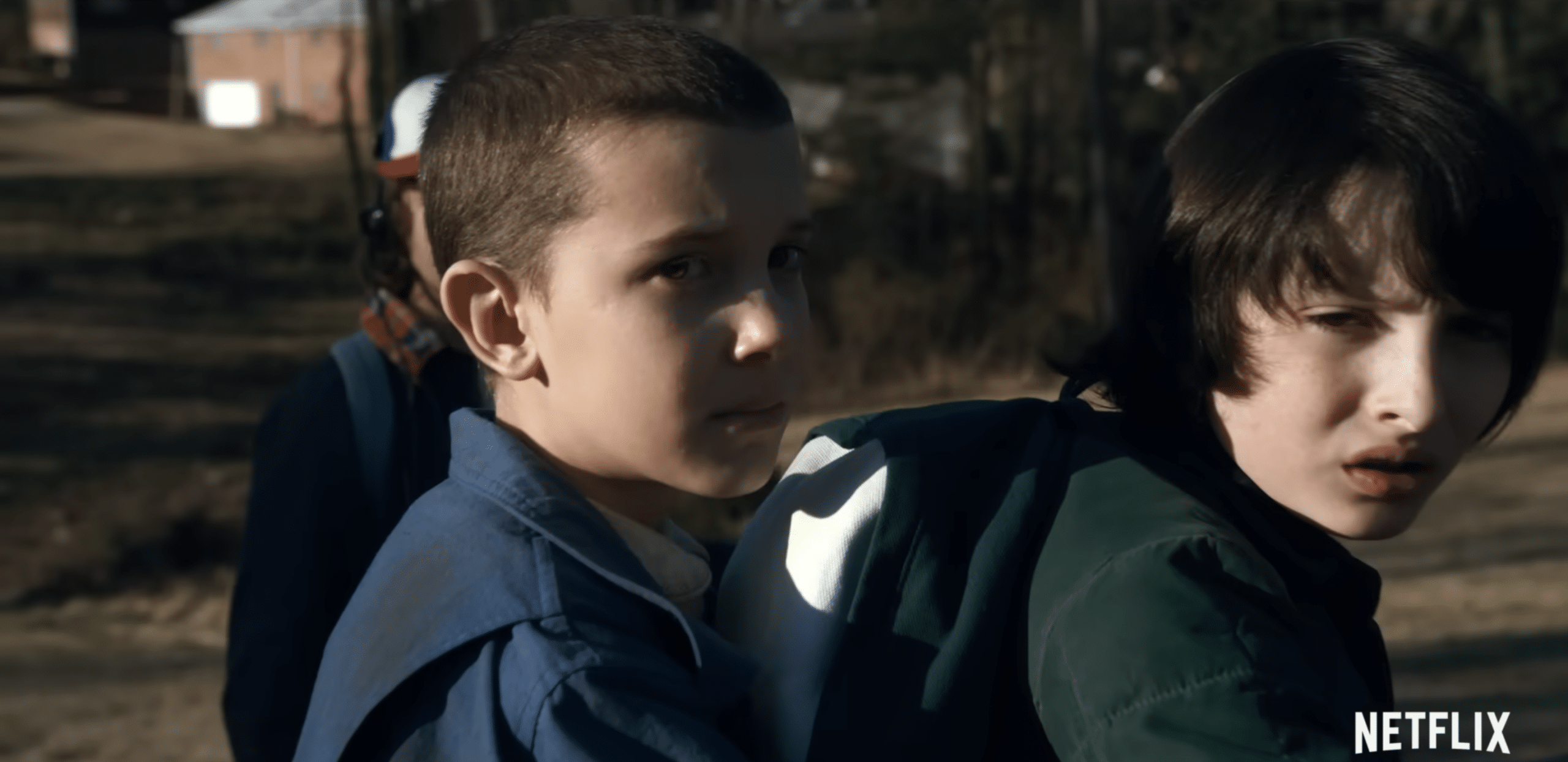
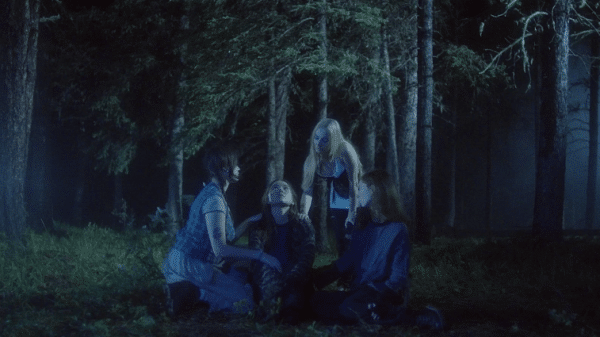
Arguably one of the best seasons of Stranger Things, season 1 sets up the notion that the show is about outcasts for outcasts. It immerses viewers with its 80s nostalgia and perfect blend of thriller, horror, and science fiction. The strange disappearance of Will Byers, followed by the group’s discovery of Eleven, makes for the perfect setup for the episodes that follow. The kids give a breakout performance in their roles, and Winona Ryder’s performance of a poor and frazzled mother desperate to find her son truly immerses the viewer in her worry. The stakes continue to stay high through the end of season 1 with the group’s confrontation with the Demogorgon, Eleven’s sacrifice, and Will’s lingering connection to the Upside Down.
Season 2 continues to linger on the dark and intriguing elements that made season 1 so great. A seemingly new threat seems to loom over Hawkins, and Will continues to have terrifying flashbacks of the Upside Down. Eleven also makes her surprising return this season. Overall, it is a perfectly good sequel to the previous season’s mystery and horrors, with its gruesome deaths and psychological suspense. However, episode 7 of the season seems a little out of place; it does give a well-needed exploration into Eleven’s identity and desires.
Where the cracks start to show
Although I have a deep-seated attachment to Season 3, fostered by the nostalgia of summer 2019, this is where things begin to take a turn. The season felt more colorful and action-oriented, letting the kids of Hawkins simply be kids. Although I enjoyed the exploration of adolescence and romance, the toned-down horror and darker aspects of the show make this season pale in comparison to the previous two. This is only the beginning of the show’s imminent storyline downfall.
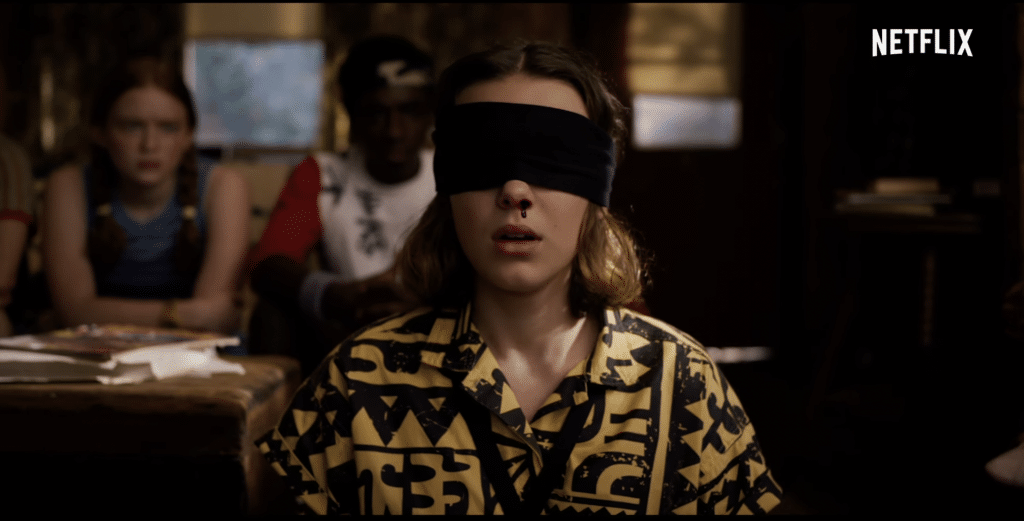
Season 4 picks back up 6 months after the events of season 3 and is ambitious in its attempt at four separate but interconnecting storylines. However, some storylines, such as the Russian and California plotlines, felt dragged out. Moreover, the Russia plotline is weak and only seems like an attempt to avoid making the U.S. government the villain again. Although Eddie was a significantly beloved character introduced this season, he felt highly unnecessary. Although he drives the emotional arc for Dustin in the final season, his inclusion functions solely as a plot device and a way to avoid killing off any main characters. This notion further follows in the last season of the series.
The problem(s) with Season 5
I can go on and on about my gripes with Season 5, but I’ll try to keep them limited here.

One minor issue I have with this season is its focus on Holly Wheeler and the other groups of kids. Although they were enjoyable to watch, I didn’t have any connection of feelings that prompted me to worry about them. The reason why I felt so emotionally invested in the characters over the last 4 seasons is that we had more time with them. If Holly had more screentime and plot significance in the previous seasons, I may have felt more compelled to care about her and the children.
1) Shift from horror to action
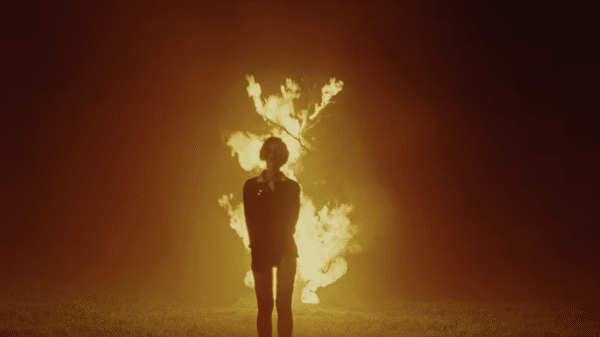
This season loses all the dark and horror-esque aspects that made the earlier seasons so great. Instead, it leans fully into the action genre that was introduced in season 3. I think this was a mistake on the Duffer Brothers’ part. The intimacy in the previous seasons is no longer present, or if it is, it is rarely shown. The focus on big explosions and constant action made this season feel cheap and almost predictable in its story. For example, Eleven’s confrontation with the Mind Flayer felt silly and Marvel-esque with its CGI effects, and made me question if I was even watching the same show from 2016.
2) Fear of killing off major characters
Secondly, it’s clear the show is afraid to kill off the main cast of characters, even if Eleven supposedly died at the end. This is evident when season 3 closed off with Hopper sacrificing himself, leaving viewers to believe he died. However, Hopper is revealed to be alive in the next season. For better or for worse, Hopper should have remained dead, leading to an impact on the main characters of the story, especially Eleven. For a show that is purposely highly unrealistic, it is very unrealistic that none of the main characters died in season 5. They had an opportunity with Steve falling from the radio tower, but it merely proved to be a shock factor because Jonathan ends up catching him at the last second. Even Eleven’s death feels ambiguous at the end.
It’s clear the Duffer Brothers are afraid to take risks of killing certain characters in the main cast. Although you run the risk of angering fans, sometimes it is necessary to kill off major characters in order to elevate the risks and dangers of a story.
3) Plot holes
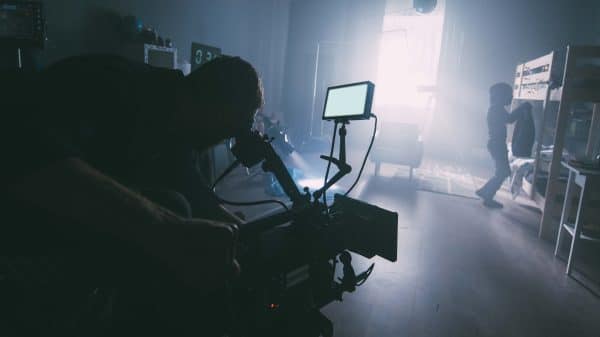
Finally, this season feels rushed and littered with plotholes and unanswered questions. In the new documentary One Last Adventure: The Making of Stranger Things 5, the Duffers revealed that they went into production before finishing the script for the finale. By watching the last episode, it’s obvious. This ending left fans with many questions. What happened to Dr. Kay and the military? Why was Will not affected when the group was hurting the Mind Flayer? Where was Dr. Owens? In an interview with Variety, when asked about the lack of Demogorgons and creatures during the final battle, they replied, “Mmm, maybe there’s some fatigue, Demogorgon fatigue.”
Considering how crucial the Demogorgon and other creatures were in the beginning of the series, it makes no sense to leave them out of the final battle when they have been recurring threats to the characters. The superficial answers the Duffer Brothers have given show their lack of interest in worldbuilding and their laziness with writing.
Conformity gate theory
Due to this unsatisfactory ending, many fans have come up with theories, speculating that the ending that aired was not the real final episode. Instead, they have claimed there is a secret episode, which they have dubbed the conformity gate theory.
Conformity takes its name from a quote by Eddie Munson in season 4. “It’s forced conformity…that’s what’s killing the kids.” Essentially, the theory revolves around the show’s happy ending being an illusion created by Vecna. Fans pointed out inconsistent prop and set designs, which seemingly pointed to their theory.
However, in the end, there ended up being no secret episode. Instead, the theory acted as a way for fans to cope with the series’ disappointing ending. And the evidence that the fans pointed out ended up just being poor attention to detail on the producers’ part.
From the beginning, Stranger Things has always been a special show. However, I think fear, lack of a clear plotline, and sloppy writing stopped the show from getting the ending it truly deserved.