Look out for these women who are not just battling on the court, but turning the tunnel into a runway before tip-off. The rise of WNBA tunnel fits has turned player arrivals into must-see fashion moments.
WNBA Tunnel Fits Deserve More Attention
The 2026 WNBA has officially tipped off, bringing back both elite basketball and one of the league’s most anticipated pregame traditions: WNBA tunnel fits. The tunnel has become a fashion spectacle where players blur the line between athlete, influencer, and style icon. While star players often dominate the spotlight, several underrated athletes are quietly building some of the league’s best style portfolios.
Rickea Jackson
script async src=”//www.instagram.com/embed.js”>
Rickea’s style feels effortless in the way only carefully curated fashion can. The Chicago Sky forward blends sleek silhouettes, luxury labels, and elevated streetwear with bold, sultry elements that never feel overdone. One night she’s in structured tailoring, the next she’s experimenting with textures and cutouts with model-off-duty confidence. Influenced by her Detroit roots, Jackson’s tunnel fits combine streetwear with high-fashion looks, making her one of the WNBA’s rising style icons.
In an interview with Just Women’s Sports, Jackson said a mantra she keeps in mind when styling herself is to “dress how you want to be addressed.” “The clothes you wear,” she said, “speak for you before you even walk in a room.” That mindset is evident in her tunnel fits, which consistently balance confidence, individuality, and high-fashion edge.
Skylar Diggins
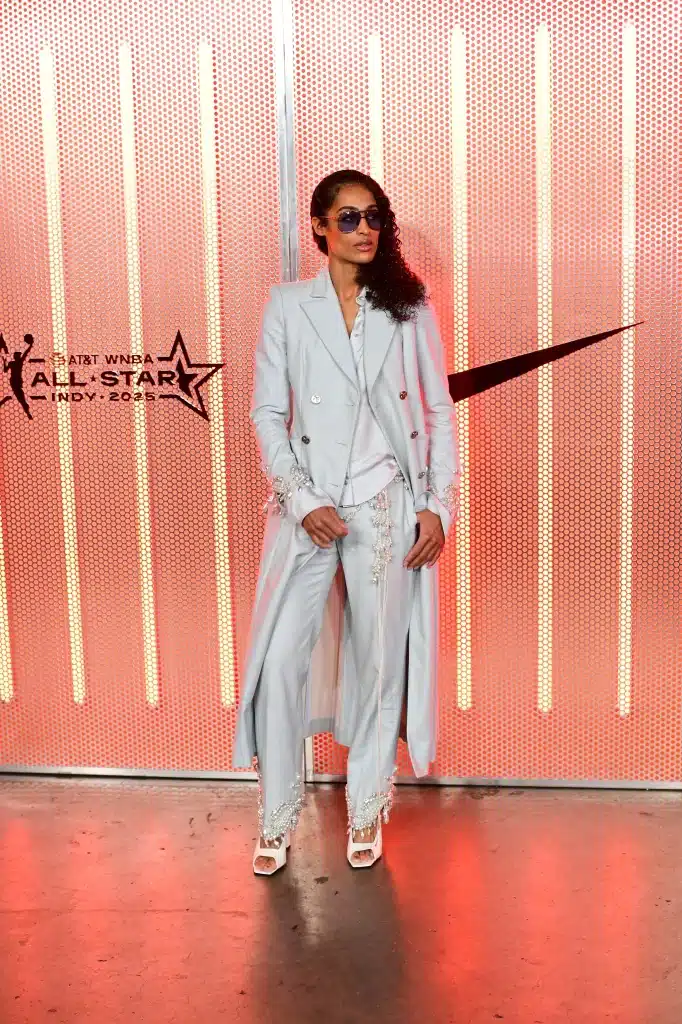
Skylar Diggins approaches fashion with the eye of someone who genuinely understands styling. Fans praise her use of proportion, menswear tailoring, and vintage-inspired pieces that make her outfits feel editorial instead of trend-chasing. The Chicago Sky guard’s signature look includes luxury designers, monochromatic outfits, and sharp, menswear-inspired blazers paired with sunglasses.
On Angel Reese’s Unapologetically Angel podcast, Diggins discussed how social media and tunnel photos elevated WNBA fashion visibility. “Back then we looked like accountants… now it’s business, but it’s high fashion too,” she said. Earlier in her career, she said, players arrived in “business casual,” and nobody was photographing those entrances. Now, tunnel fits are part of pop culture, and WNBA players are recognized as trendsetters in fashion and culture. Diggins said the evolution of tunnel fashion is a reflection of how much the league’s culture and visibility have grown.
Kahleah Copper
Kahleah Copper brings a bold, high-energy approach to tunnel fashion that mirrors the intensity of her game. The Phoenix Mercury guard cited Teyana Taylor and Allen Iverson as style inspirations in Essence. Copper gravitates toward monochromatic sets, knee-length shorts, cargos, denim, and statement footwear like sleek black loafers or Rick Owens sneakers.
Influenced by Philadelphia’s fashion and the early 2000s “baggy era,” Copper blends masculine and feminine styling with an effortless swagger. She pairs structured pieces like leather trench coats and tailored blazers with sneakers, layered jewelry, and oversized pants. “I wear whatever it is that I want,” Copper said, a mindset reflected in her mix of designer and affordable streetwear staples.

Satou Sabally
Satou Sabally brings a distinctly editorial edge to tunnel fashion, blending European street style with experimental femininity. The Phoenix Mercury forward gravitates toward flowy skirts, breezy dresses, and lightweight sets that evoke a tropical, destination-ready outfit. Instead of heavy layering or rigid tailoring, she often leans into movement—silky fabrics, open silhouettes. Sabally’s outfits feel like model-off-duty looks and vacation fits instead of traditional sportswear, which is what makes them so exciting.
Cameron Brink
Cameron Brink brings a polished, high-glam approach to tunnel fashion that blends model-off-duty with sharp, modern tailoring. Scouted as a model but told she was too tall, the Los Angeles Sparks forward’s style blends office siren and business chic. She is rarely seen without heels or sleek boots, often pairing structured blazers, fitted sets, and minimal color palettes. Her style feels effortlessly refined and sleek, reinforcing her reputation as one of the league’s best dressers.
Brink has also been candid about what tunnel fashion means beyond aesthetics. In Interview Magazine, she discussed the pressure female athletes face around appearance, noting women are judged more harshly than men. While she cares about her presentation, Brink emphasizes that her style is ultimately about self-expression, not conforming to beauty standards. “I want [my outfits] to feel like an extension of myself,” adding that WNBA tunnel fits offer a rare space for creativity and individuality. She also points to the league’s financial realities. She notes the challenges of players achieving financial stability and securing brand deals outside basketball.
“I’ve tried to be vocal about this and acknowledge there’s such a privilege, marketing-wise, being white and blonde, but it does really bother me seeing athletes and players who are consistently putting up crazy stat lines and not being rewarded by brands. It’s tough.”
— Cameron Brink
Arike Ogunbowale
Arike Ogunbowale favors confidence and simplicity over over-styling, which makes her tunnel looks feel intentional without trying too hard. The Dallas Wings guard gravitates toward hoodies under structured jackets, relaxed denim and cargos, and coordinated sweat sets and flannels. She often finishes looks with beanies, bucket hats, and bandanas, plus standout footwear like Timberlands and Nike Air Force 1, grounding her style in classic street culture.
In an interview with the WNBA, Ogunbowale said her approach to fashion is that she simply tries to stay true to herself. “I just try to be me. I want to always be true to myself,” she said, explaining that her style is rooted in staying within her own “box” of who she is and represents. Ogunbowale also reflects on how her personal style has evolved alongside her growth as a player and person. Rather than seeing fashion as fixed, she describes it as something that shifts with experience and success. “It changes with time,” she said, “Back then, I wasn’t able to buy all the designer I do now. But I always had a vision. Style elevates when you elevate. It’s all in the growth as a person, to be honest.”
DiJonai Carrington
DiJonai Carrington is known for a distinctly polished, high-maintenance glam that stays intact from warmups to postgame. The Chicago Sky guard arrives in a full face of makeup that doesn’t budge, paired with her signature platinum blonde hair, now part of her on-court identity. Off the court, Carrington leans into a girly fashion aesthetic, mixing sporty streetwear with coordinated sets, styled hair, and statement beauty looks. Her tunnel presence blends athletic and glam, showing her full personality at every arrival.
DiJonai Carrington has been vocal about challenging the idea that basketball and beauty exist in separate worlds. In an interview with ESPN, Carrington said, “People think that one can’t exist with the other, but I think that the two can coexist so well.” For Carrington, that overlap is part of what makes women’s basketball so compelling. She believes the WNBA is reshaping expectations of what an athlete can look like, calling the league “different from your idea of an athlete.”
“Don’t even think about trends. Do you—don’t do the trend.”
— DiJonai Carrington
Tiffany Hayes
Tiffany Hayes’ style blends experimental streetwear and art-school layering, creating an androgynous, expressive, and intentionally off-balance vibe. The Golden State Valkyrie guard leans into oversized silhouettes, layered menswear, statement denim, and textured accessories. Whether it’s a structured blazer over distressed jeans and loose ties or a sweater vest paired with graphic shorts and a sculptural bag, her styling consistently plays with proportion and contrast. Hayes’ style blends avant-garde influences with relaxed streetwear to create a distinguished aesthetic.
That creativity extends beyond tunnel fashion. Hayes launched her own community-based fashion brand, Seyah Renara, in September 2025. In an interview with NBC, Hayes emphasized that fashion allows players to express identities beyond basketball:
“Fashion is a part of our lives. As players, we don’t have to be in a box of just dribbling a ball and playing basketball. We can do other things, too. Just showing myself what I can accomplish — I can do two things at once. I can be a professional at this, and a professional at that at the same time.”
— Tiffaney Hayes
Olivia Nelson-Ododa
Olivia Nelson-Ododa has quietly become one of the most underrated dressers in tunnel fashion, carving out a style identity that feels both avant-garde and unapologetically dramatic. The Connecticut Sun center blends bold editorial energy with high-fashion experimentation, often built around striking silhouettes, sheer layering, feathered textures, oversized outerwear, and color-driven styling. Her fashion choices are rooted in a strong sense of confidence, embracing theatrical glamour, lingerie-inspired silhouettes, and unexpected textures. Nelson Ododa’s wardrobe is editorial and unpredictable, making each tunnel arrival feel more like a fashion campaign than a pregame walk-in.
Game day starts at the tunnel
What’s clear across these tunnel fits is that WNBA fashion is no longer just pregame arrival; it’s part of the game-day story. From glam to streetwear to editorial experimentation, players are using arrival moments not only to define their own identities, but also to expand the visibility of women’s sports and challenge how athletes are seen. As the season continues, fans can follow their evolving tunnel looks throughout games and on social media, where fashion has become part of the league’s ongoing narrative.