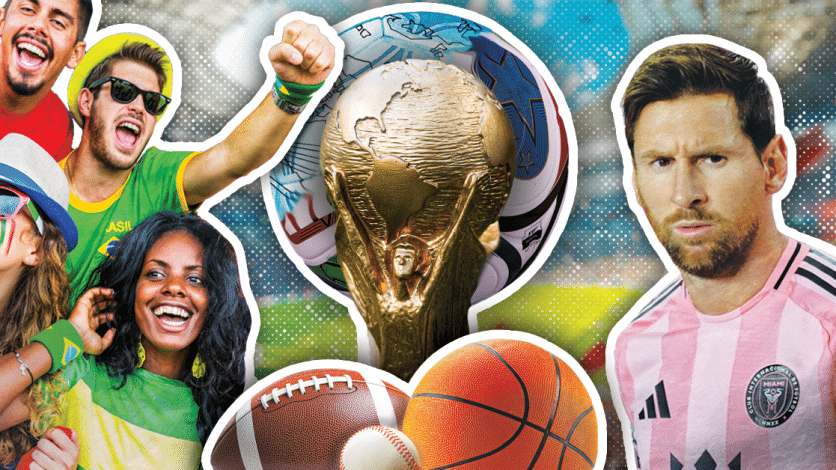
The 2026 FIFA World Cup is expected to be the biggest in the tournament’s history, with matches spread across the United States, Canada, and Mexico. But beyond the sold-out stadiums and global attention, one question remains: can the World Cup finally push soccer into the American mainstream?
For decades, soccer has been in a strange place among American sports culture. Millions of children grow up playing the game, yet sports such as football, basketball, and baseball have traditionally dominated television ratings, media coverage, and public attention.
That perception, however, may be changing.
The United States enters the 2026 World Cup in a dramatically different position than it was in when it last hosted the tournament in 1994. Major League Soccer now boasts thirty clubs, international stars regularly play in the league, and supporter culture has become a defining part of the match-day experience in cities across the country.
Why now?
The FIFA World Cup is the biggest sporting event in the world. And this year’s edition is no different; in fact, it’s even bigger. The 2026 World Cup will be the first tournament to feature 48 teams, expanding from the previous 32-team format.
This expansion also means more matches and a broader global audience. The average live global audience for the 2022 FIFA World Cup was around 175 million viewers. This year’s rendition is expected to exceed that.
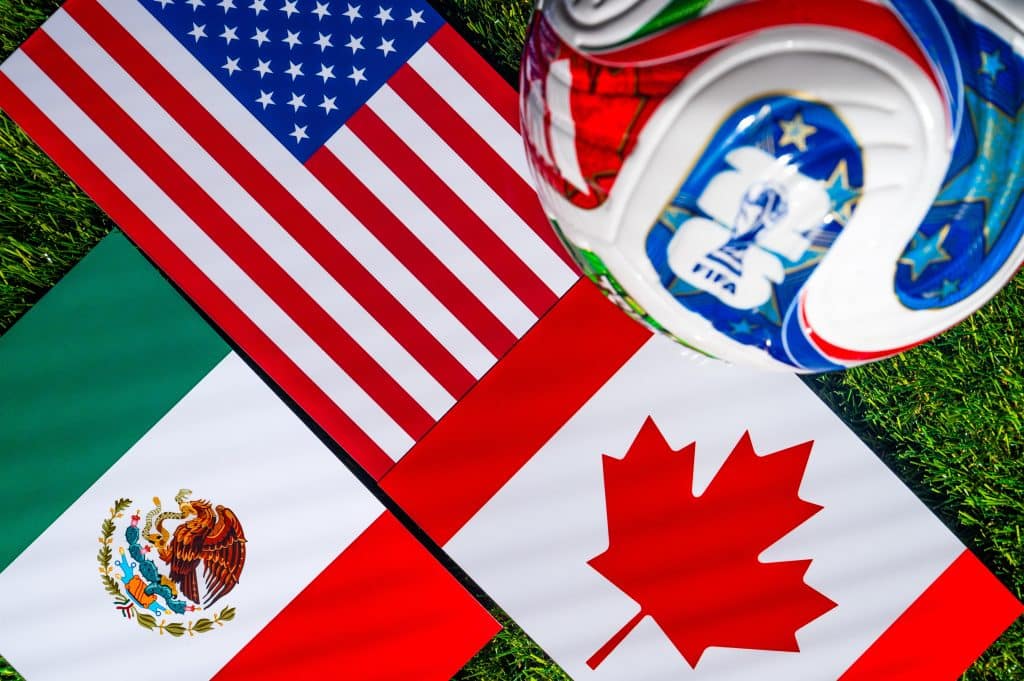
And the United States is in a big position for this World Cup. America is one of the hosts, alongside Canada and Mexico. This is the first time America has hosted the tournament since 1994.
This tournament matters heavily for America. The United States is already a massive sports market with American football, basketball, and baseball, and has been trying for decades to grow the sport of soccer in the country.
The World Cup gives the United States a golden opportunity to progress in this challenge in an unprecedented way. The media coverage surrounding the World Cup is bigger than anything else in the world. In turn, it will draw in casual fans to watch the tournament.

There will be more eyes on the World Cup than ever before. This is the golden opportunity for America, as a host nation, to establish soccer as a mainstream sport. However, they have been in this scenario before.
The 1994 effect
When the United States last hosted the World Cup in 1994, many viewed the event as a test. Could a country without a major professional soccer league successfully host the world’s biggest sporting event?
The answer was an outstanding yes.
The tournament set attendance records and helped lay the foundation for Major League Soccer, which began play just two years later. While soccer remained behind America’s traditional sports, the World Cup laid the groundwork and provided the sport something it desperately needed in America: visibility.
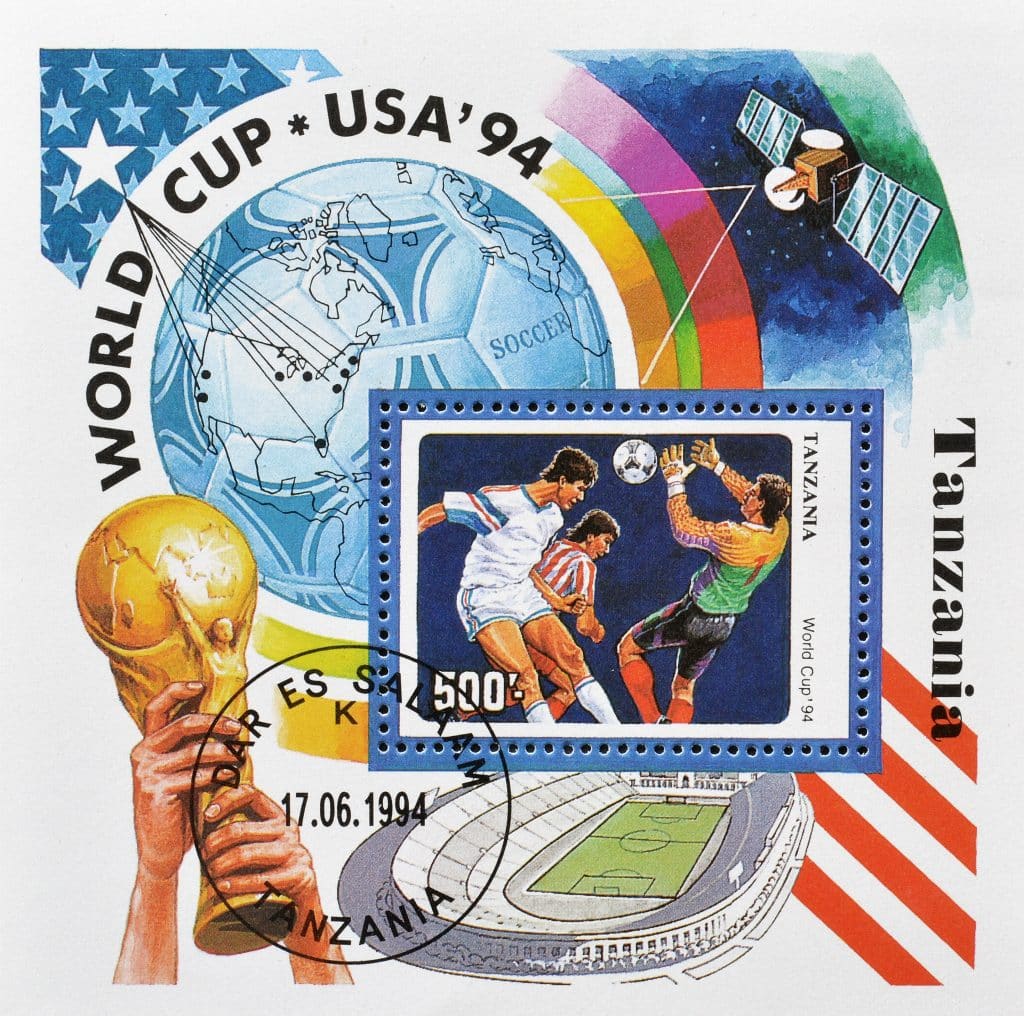
For the first time ever, millions of Americans were exposed to the global scale of the game. It sparked a new level of interest in the sport among American audiences. Thirty-two years later, the effects can still be seen throughout the country’s soccer landscape.
Soccer’s rise in America
In 1996, Major League Soccer had its inaugural season with only ten clubs. Each team had to share a stadium with a preexisting sports team. Over the course of the season, two million people were in attendance. Television viewership was an average of 1.4 million households per match week.
Now, after thirty-two years, Major League Soccer has grown exponentially. There are now thirty clubs in the league, with 25 of them having their own unique stadium. In 2025, the league saw just over eleven million fans attend the games over the course of the season. And in the same season, television viewership averaged 3.1 million households per match week.
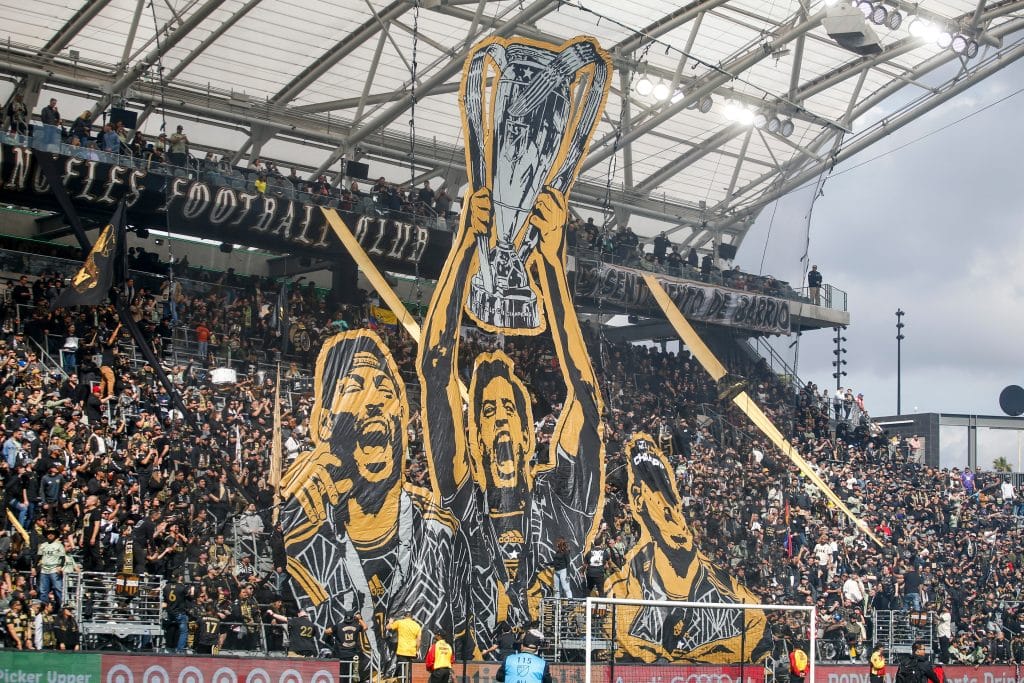
As the years went on, Major League Soccer was not the only soccer league to grow. Leagues outside of America, such as the Premier League and La Liga, started to draw interest from an American audience.
The biggest stars in the world play in these European leagues, helping drive their growing popularity among American audiences. Major League Soccer, on the other hand, has had its fair share of global stars join, which has slowly grown the league over time.
David Beckham, Thierry Henry, Kaká, Wayne Rooney, Andrea Pirlo, and many more names have graced Major League Soccer and helped grow the league in America. But no name has been more popular and helped accelerate the growth of Major League Soccer more than Lionel Messi.
The Messi effect
Lionel Messi is widely considered the greatest of all time amongst fans. He is a World Cup winner, an eight-time Ballon d’Or winner, and a three-time UEFA Champions League winner. His name is one of the most recognizable in the world.
So when he joined David Beckham’s Inter Miami in July of 2023, it caused an unprecedented surge. The best player had just joined Major League Soccer, something the league hasn’t seen before.
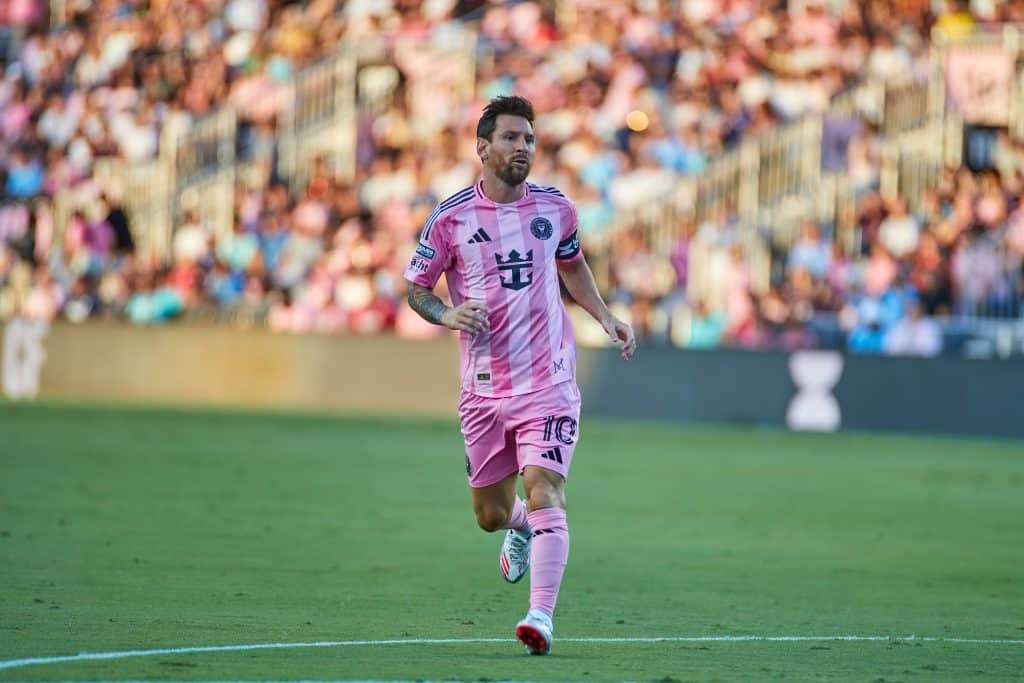
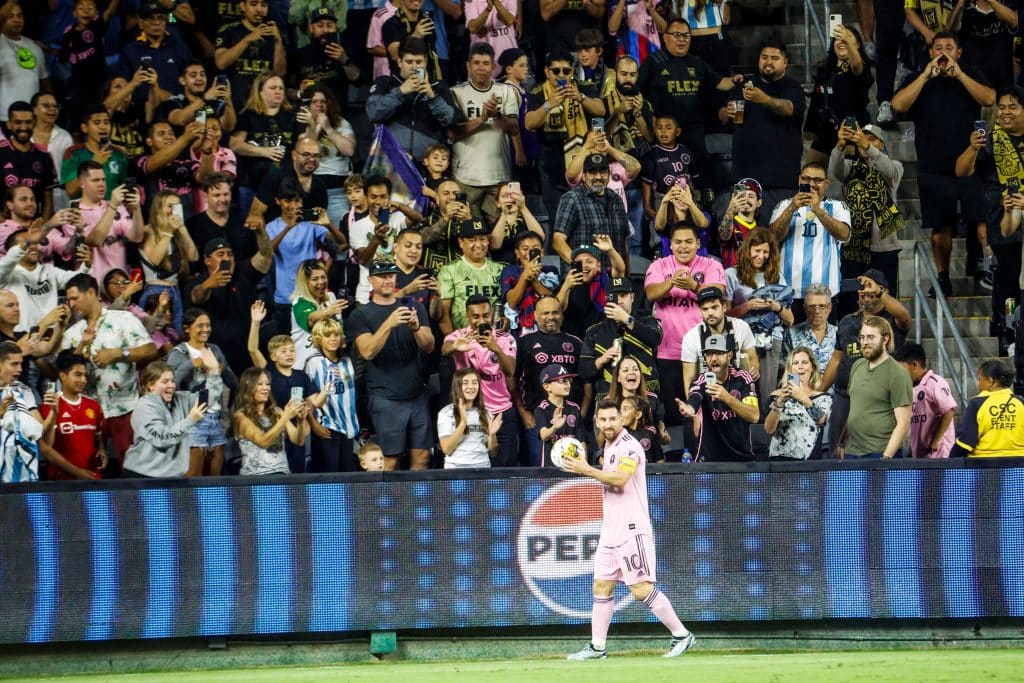
The hype around Messi in the MLS continued to grow throughout his time in the league, especially after he won the MLS Cup in 2025. Even people who never watched soccer in America suddenly knew Messi, Inter Miami, and Major League Soccer.
If just one player could do this for Major League Soccer and soccer, in general, around America, then what could the World Cup do?
More Than a Moment?
Every four years, the World Cup turns casual sports fans into soccer experts. Office pools appear, jerseys come out of closets, and people who normally ignore the sport suddenly have an opinion on penalty kicks. The hype is unmatched.
But hype and excitement don’t always last. Big events, like the World Cup or Olympics, create attention. They don’t automatically create long-term fans. The challenge isn’t getting people to watch in June, it’s getting people to care in October.
America was already here in 1994, but this time it’s very different. Major League Soccer already exists with big-name players like Lionel Messi. More kids play than ever before. The platform is there, 1994 planted the seed, 2026 could finally harvest it.
Success for America is not just how well the national team does, or how many tickets sell or how high the TV ratings are, it’s also the continued growth of soccer within the country. More Major League Soccer fans, continued attendance growth, more youth participation, and more people following soccer after the World Cup ends.
America, however, already has four other major sports. Soccer will still face competition, no matter the outcome.
The World Cup alone won’t make soccer America’s biggest sport. However, it may become the event that finally pushes soccer from a niche passion into a permanent part of the American sports landscape.
The real test
The real test of the 2026 World Cup will not be the attendance records it breaks or the television audiences it attracts. Millions of people are expected to tune in, and stadiums across North America will likely be filled throughout the tournament. The challenge is what happens after the final whistle.
The 1994 World Cup helped introduce a new generation of Americans to the sport and played a role in the creation of Major League Soccer. More than three decades later, soccer is in a far stronger position. MLS has expanded across the country, supporter culture continues to grow, and global stars such as Lionel Messi have helped bring unprecedented attention to the game.
Yet mainstream success is not measured over a single month. It is measured by what happens next. Do new fans continue watching MLS? Will more young athletes choose soccer? Do broadcasters invest more heavily in coverage? Will packed World Cup stadiums translate into long-term growth for clubs and communities?
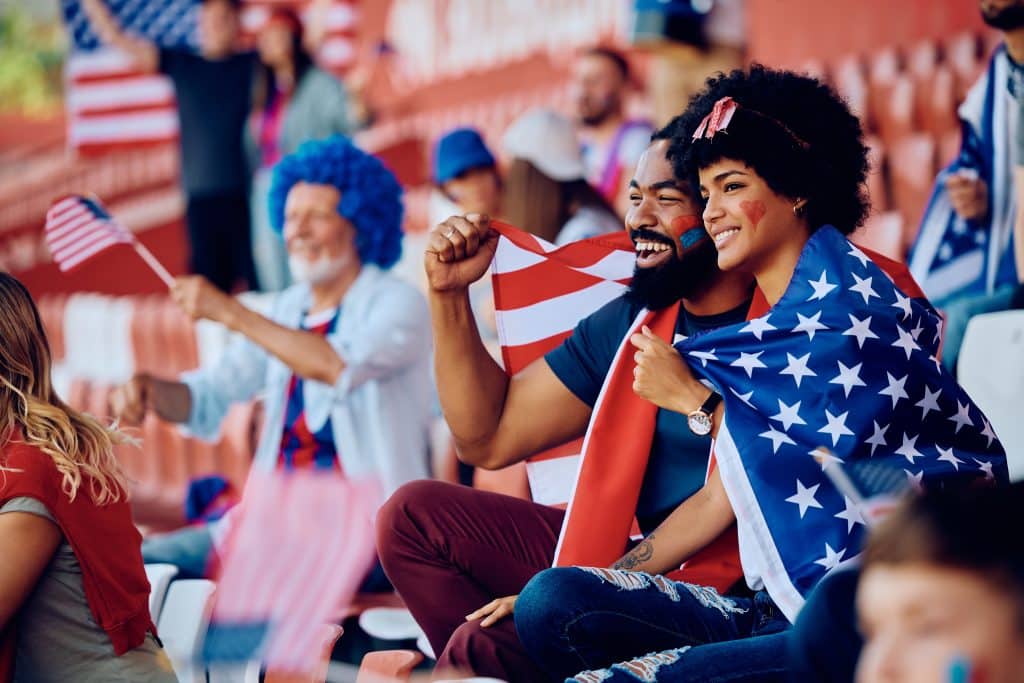
The 2026 World Cup alone will not make soccer America’s most popular sport. However, it could become the moment that cements soccer as a permanent part of the country’s sporting culture. If the tournament leaves behind new fans, stronger communities, and a deeper connection to the game, it may ultimately be remembered for far more than what happened on the field.
Whether the 2026 World Cup ultimately changes the trajectory of soccer in America remains to be seen. What is clear, however, is that the sport enters this tournament in a stronger position than ever before. From packed MLS stadiums to the arrival of global stars and a growing fan culture, the foundation is already in place. The World Cup may not create soccer’s popularity in the United States, but it could be the moment that reveals just how far the sport has come.