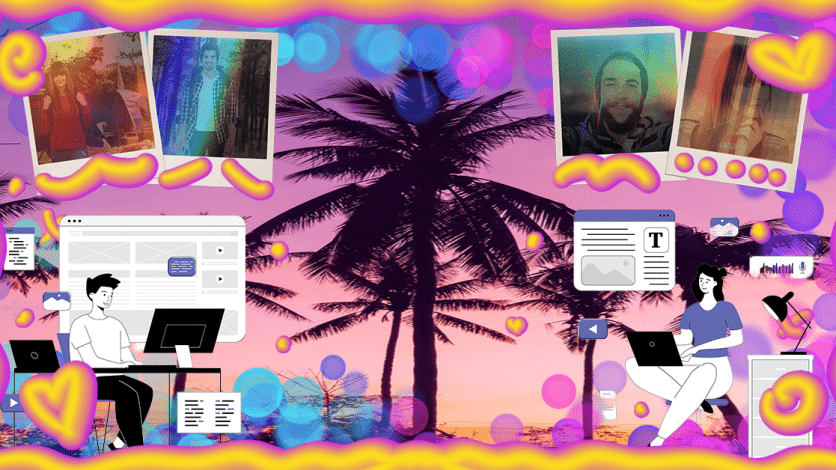
There was a certain kind of video that began appearing across feeds earlier this year: grainy clips of sunsets, blurry photos of friends laughing, indie music layered over Polaroid-style edits. The captions were simple, often consisting of something like “2026 feels like 2016 again.”
What started as a joke soon turned into a full-blown nostalgia trend across TikTok, where users began recreating the aesthetic and cultural energy of the mid-2010s.
How trends of 2016 made a comeback
The trend spread far beyond just a handful of videos. Users recreated Tumblr-style edits, revived indie playlists, and posted throwback fashion inspired by oversized sweaters, ripped jeans, and Doc Martens. Others stitched together montages of 2016 pop culture moments, blending music, memes, and snapshots of what they described as a “simpler” internet. Across platforms like Pinterest and Instagram, the same aesthetic resurfaced: muted tones, handwritten quotes, and moodboard-style collages.
What made the trend particularly interesting wasn’t only its popularity, but how rapidly it evolved into a source of reflection. While many users embraced the nostalgia, others questioned it, pointing out that 2016 was far more complicated than the aesthetic suggested. The result was a cultural conversation about memory, identity, and how Gen Z interacts with digital history. The “2026 is the new 2016” trend may have faded from peak visibility, but its impact reveals something deeper about how younger generations understand both the internet and themselves.
The trend didn’t only gain traction on TikTok, but it also caught the attention of media outlets. A piece from Forbes explains that the “2026 is the new 2016” trend reflects a broader wave of Gen Z nostalgia, with users romanticizing a time they associate with creative freedom, indie aesthetics, and a less overwhelming online environment. Rather than focusing purely on aesthetics, the article highlights how users are responding to algorithm fatigue and digital burnout by looking back to a period when social media felt more personal and experimental. This helps explain why the trend resonated across platforms.
The return of 2016 aesthetics
At the center of the trend was a distinct visual language. The mid-2010s aesthetics were rooted in the culture of Tumblr, where users curated blogs filled with grainy photography, moody landscapes, handwritten quotes, and indie music references. These visuals emphasized emotion and atmosphere rather than perfection. Photos didn’t need to be polished; in fact, imperfections made them more appealing.
The same aesthetic resurfaced in 2026. TikTok videos recreated vintage-style filters, low-quality camera effects, and layered text overlays. Users built digital collages reminiscent of Tumblr dashboards, pairing poetry with blurred cityscapes and nostalgic imagery. Even fashion played a role, with creators revisiting chokers, oversized flannels, and minimalist streetwear associated with the era.
Music also became a major component of the trend. Pop tracks that dominated playlists in 2016 reappeared in videos, reinforcing the nostalgic mood, from The Chainsmokers to Justin Bieber to Rihanna. The following Spotify playlist is a good example of this music:

The combination of sound and visuals created a recognizable aesthetic that spoke to viewers who either remembered the period or had absorbed its influence secondhand.
Similarly, reporting from Fortune notes that Gen Z is increasingly drawn to the mid-2010s because of its perceived simplicity. However, the coverage also points out that nostalgia often simplifies the past, smoothing over the complexities of 2016 and transforming it into a more idealized version of itself. This selective memory serves to fuel the trend’s appeal.
Beyond style, however, these aesthetics represented a different kind of internet culture. The mid-2010s emphasized personal expression and creativity, with users building identities through curated posts and moodboards. This return to aesthetic-driven self-expression was a key driver of the trend.
Why 2016 felt appealing
For many Gen Z users, social media felt more personal. Platforms still allowed for casual posting and creative experimentation without the same level of performance pressure that exists today. Feeds felt less optimized and more catered toward individual interests rather than algorithm-driven recommendations.
As social media becomes increasingly structured around engagement and visibility, the idea of a more relaxed online environment is highly appealing. In 2016, posting blurry photos or spontaneous updates felt normal. Today, content is more branded and intentional.
Another factor contributing to the nostalgia is the shift in how people use social media. Many users now feel pressure to present polished versions of themselves online, whether through aesthetic content, productivity routines, or lifestyle branding. In contrast, the mid-2010s internet is remembered as more experimental and less performance-focused.
Other commentary, including analysis from The Week, suggests that nostalgia cycles like this one often emerge during periods of uncertainty. When the present feels overwhelming, looking backward simulates familiarity and control. In this case, 2016 becomes less about the year itself and more about what it represents: creativity, individuality, and an opportunity for digital exploration.
However, it’s important to recognize that this perception isn’t entirely accurate. Social media in 2016 was already moving toward influencer culture and commercialization. Still, the feeling of a more creative and casual online environment remains a powerful part of the era’s legacy. Nostalgia tends to emphasizes emotion over accuracy, and the “2026 is the new 2016” trend reflects this tendency.
The criticism of 2016 nostalgia
While many users embraced the trend, others pushed back against the romanticization of 2016. Some creators posted videos highlighting the political and cultural challenges of the year, arguing that nostalgia was flattening a complex period into a simple aesthetic. These critiques pointed out that 2016 included significant social and political tension. Most prominently, the rise of the Trump administration and the increase in social and political divides made it difficult to describe the year as universally positive.
The pushback added yet another layer to the trend. Instead of simply celebrating nostalgia, users began questioning why certain moments are remembered more fondly than others. Nostalgia centers personal experiences, leaving out broader social realities. Some remember 2016 as a time of creative freedom online, while others associate it with uncertainty and conflict.
There’s also the issue of selective memory. Nostalgia foregrounds the most visually appealing or emotionally resonant aspects of a period. In the case of 2016, aesthetic elements like indie music and Tumblr-style visuals became symbols of the era, overshadowing its complexities.
Additionally, the trend raised questions about performative nostalgia. Some critics argued that recreating 2016 aesthetics on modern platforms reduces nostalgia to another form of content. When nostalgia becomes aestheticized, it risks losing its emotional authenticity. Instead of revisiting memories, users may end up performing nostalgia for an audience.
These critiques ultimately reveal that nostalgia is rarely neutral. It encompasses both personal memories and broader cultural narratives. The “2026 is the new 2016” trend demonstrates how quickly nostalgia can affect collective memory, even when that memory is incomplete.
Social media then vs. now
Comparing 2016 to today highlights how dramatically social media has evolved. In the mid-2010s, platforms encouraged casual posting and experimentation. Users shared spontaneous updates, personal photos, and creative edits without focusing on engagement metrics.
Today, social media is more structured and performance-driven. Algorithms prioritize certain types of content, boosting creators who follow trends and optimize their posts. This shift has irrevocably altered how users interact with platforms, making content creation feel more intentional and sometimes more stressful.
Influencer culture has also expanded significantly since 2016. While influencers existed during the mid-2010s, the creator economy has grown into a major industry. Myriad users now approach social media with branding and monetization in mind, which changes how content is produced and consumed.
This shift contributes to digital burnout, a theme that has surfaced across multiple Gen Z trends. The nostalgia for 2016 reflects a desire for a less pressured online environment. Even if the mid-2010s weren’t entirely free from commercialization, they are remembered as more relaxed and creative.
Ultimately, the comparison between 2016 and 2026 reveals the transient quality of internet culture. What once felt ordinary becomes nostalgic within just a few years, highlighting how digital experiences affect generational identity.
More than just nostalgia
The “2026 is the new 2016” trend may have begun as a playful joke, but it evolved into something far more meaningful. It sparked conversations about memory, authenticity, and the changing nature of social media. For Gen Z, nostalgia isn’t just about revisiting the past; it’s about understanding how the internet shapes identity and community.
At the same time, this nostalgia fits into a broader pattern. As discussed in this Trill Mag article, “Gen Z Nostalgia is Taking Over TikTok,” younger audiences frequently revisit past aesthetics and cultural moments as a way of navigating present-day pressures. The “2026 is the new 2016” trend forms part of this larger cycle, showing how nostalgia functions as a response to the present.
In a world defined by algorithms, curated identities, connectivity, and masks, the appeal of a grainy photo and an indie soundtrack makes sense. Nostalgia offers a reminder that the internet once felt smaller, more creative, and more personal. Whether or not that memory is entirely accurate, the feeling behind it endures.