In the cultural imagination, female relationships are often painted in pastel tones—sweet, supportive, endlessly nurturing. “Sisterhood” is romanticized as something pure and uncomplicated. But real life tells a more nuanced story: about friends who shaped us, challenged us, hurt us, and healed us.
Literature, at its best, captures these complexities. And yet, when female relationships in books are portrayed as flawed, emotionally charged, even toxic, they’re met with unease or even backlash. The stories are called “too dark,” “unlikable,” or “unrelatable.” But what if, in truth, they’re some of the most accurate depictions of how women connect with each other? What if the discomfort isn’t with the story, but with how we’ve been taught to see women?
The cultural pressure to be “good” friends
From girlhood, women are taught that being a “good friend” means being agreeable, self-sacrificing, and conflict-averse. Emotional intensity between girls is dismissed as “drama,” while anger or jealousy is labeled “catty” or “crazy.” In contrast, emotionally intense male friendships are praised as “brotherhood,” “loyalty,” or “healthy competition.”
This double standard teaches girls early on that there is a correct way to relate to other women and a wrong one. As a result, when female friendships don’t fit the mold, we’re quick to dismiss or pathologize them. But these so-called “wrong” friendships—ones marked by rivalry, co-dependence, or emotional volatility—are often deeply formative.
Nearly every woman can tell you about a friendship that shaped her but also left scars: a best friend who felt more like a soulmate than a sibling, but whose closeness became suffocating. A friend you outgrew or one who outgrew you. These experiences are rarely reflected in the media with the nuance they deserve.
My Brilliant Friend by Elena Ferrante
Ferrante’s Neapolitan novels center around Lila and Elena, two working-class girls in postwar Naples whose lifelong friendship is fueled by admiration, competition, resentment, and love. The emotional intensity between them is palpable and often uncomfortable.
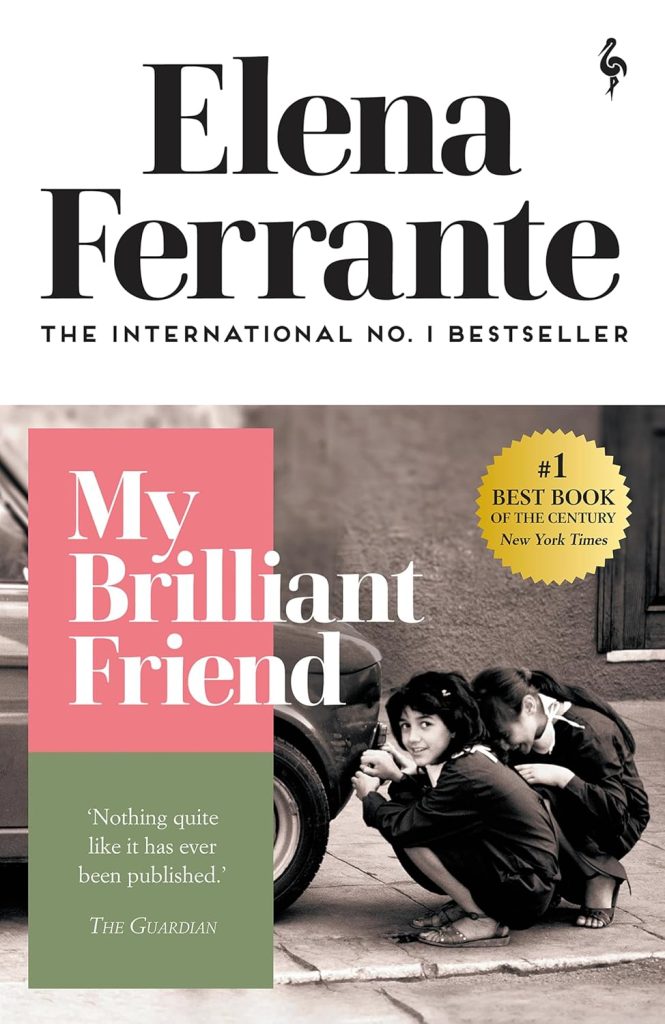
While many praised Ferrante’s brutal honesty, others criticized the characters for being “toxic” or “unlikable.” But perhaps the discomfort comes from how true the relationship feels. Women are not usually permitted the emotional messiness Ferrante portrays so clearly. If two male friends competed intellectually or emotionally, it might be seen as dramatic or compelling. With women, it’s often framed as dysfunctional.
This discomfort reflects society’s deep ambivalence about women’s ambition and emotional range. The novel’s portrayal of friendship as both a sustaining and suffocating force challenges the myth that closeness between women must be gentle and pure.

Buy on Amazon
Sula by Toni Morrison
Nel and Sula are inseparable until their paths diverge: Nel becomes the respectable wife and mother; Sula becomes the town’s moral outcast. Their bond is eventually fractured by betrayal, but never truly broken.
Morrison’s portrayal of a female character who rejects social norms, including friendship scripts, was met with mixed reviews. Sula, especially, is seen as “difficult.” Her autonomy is viewed with suspicion, even by readers.
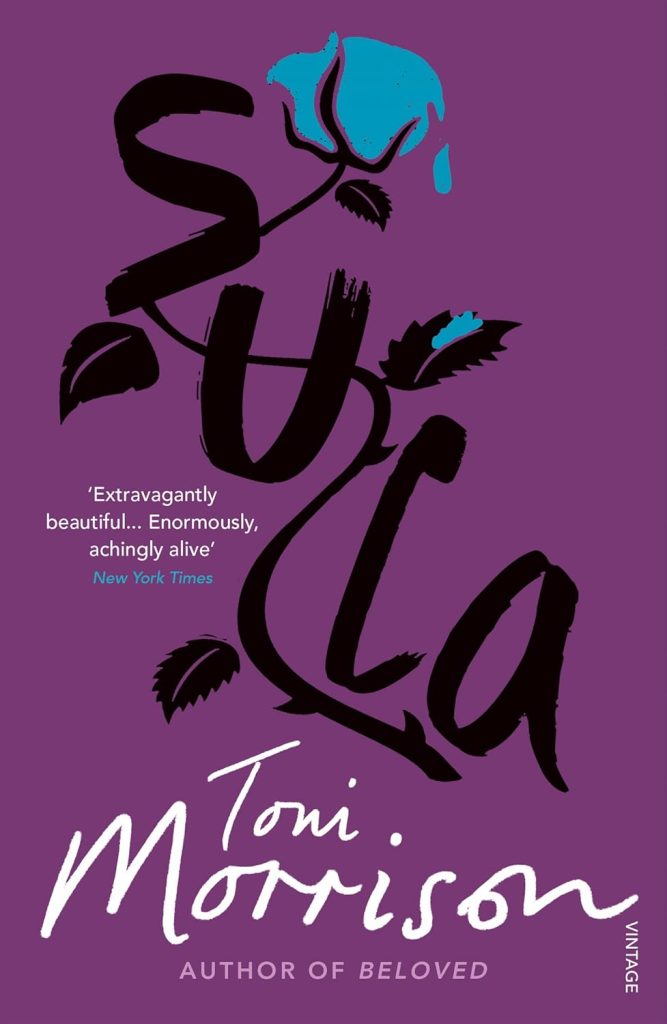
Morrison exposes how female friendships are judged through the lens of societal expectation. We are far more forgiving of men who abandon, compete with, or betray each other in the pursuit of selfhood. But when women prioritize independence, especially over loyalty to other women, it’s seen as deviant or cold. Sula challenges this, suggesting that complex female relationships are not just personal, but political.
Buy on Amazon
The Girls by Emma Cline
Inspired by the Manson cult, Cline’s novel explores the friendship between Evie, a lonely teen, and Suzanne, an enigmatic older girl. Their bond is sensual, confusing, and ultimately dangerous.
Some critics labeled Evie’s obsession with Suzanne “unrealistic” or “unnerving.” But for many readers the portrayal of an all-consuming friendship felt deeply familiar. Teenage girls, frequently bursting with unspeakable emotions, aren’t necessarily granted the language to articulate such bonds.

We downplay the intensity of adolescent female friendship, assuming it must be “just a phase” or sexualizing it. But many women carry the emotional aftermath of these friendships into adulthood. Cline captures this raw truth: that sometimes, we fall harder for a friend than for any romantic partner and that such feelings are typically dismissed or misunderstood.
Buy on Amazon
Big Swiss by Jen Beagin
A woman transcribing therapy sessions becomes obsessed with a patient and pursues her in real life. Their relationship is fraught, funny, and deeply unstable.
Beagin’s dark humor and unpredictable characters challenges readers to sit with their own discomfort. The relationship between the two women is anything but “healthy,” but it’s compulsively readable.

The novel raises questions about how we idealize certain female relationships while condemning others. We crave neat narratives: mutual growth, empowerment, unconditional love. But what about projection, self-delusion, or sabotage? These, too, are part of the emotional landscape.
Buy on Amazon
Little Women by Louisa May Alcott (Re-examined)
Jo and Amy’s rivalry, Meg’s domestic sacrifices, and Beth’s saintliness all point to the complex expectations placed on women within family and friendship.
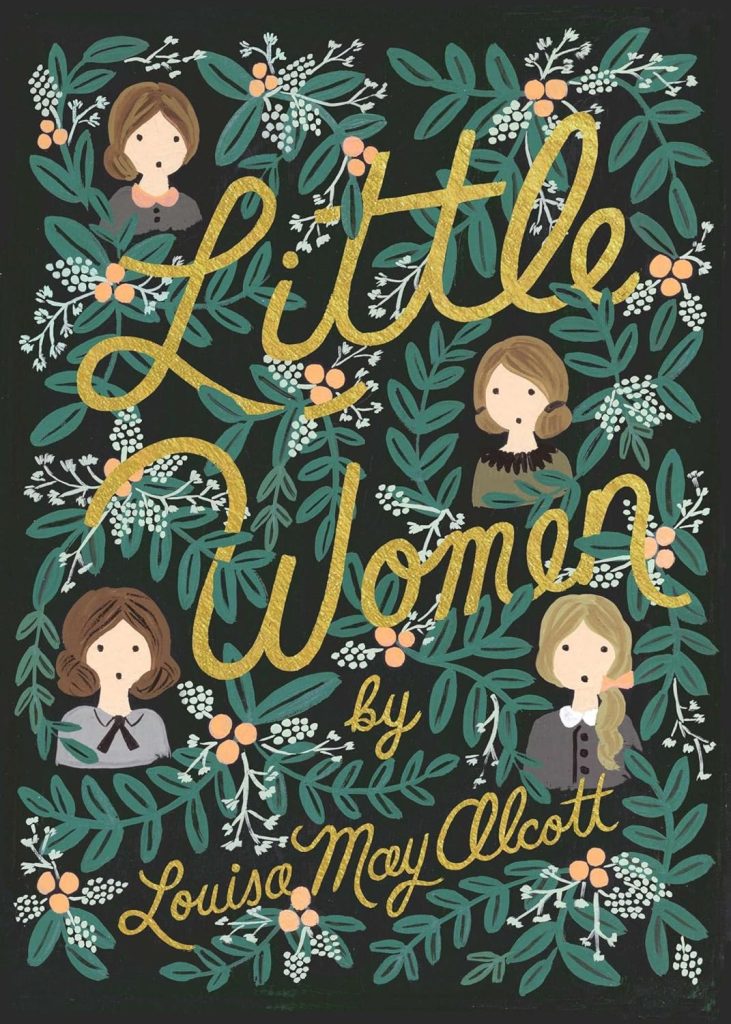
Commonly read as a sweet tale of sisterhood, Little Women is far more radical than it appears. The emotional intensity, resentment, and difficult choices the sisters face reflect the limitations society places on female bonds. When we strip it of sentimentality, we see a portrait of how love between women can be nurturing but also conditional, strained, and shaped by external roles.
Buy on Amazon
Why female friendships feel so intense
From a young age, girls tend to form close one-on-one friendships, unlike boys, who usually bond in groups. These intense connections foster emotional intimacy but also create space for jealousy, comparison, and hurt.
Girls also engage more in co-rumination—talking through problems deeply and repeatedly. While this strengthens bonds, it can also heighten anxiety, dependency, and emotional burnout. Such friendships become mirrors for identity. Myriad girls may shape their self-image around a best friend, making conflict or separation feel like personal failure or abandonment.
As women, we’re taught to value relationships above all—encouraged to be kind, supportive, and non-confrontational. This social conditioning makes friendship both a source of deep connection and silent pressure.
Global friendships, local pressures
The way female friendships are formed, understood, and sustained varies widely across cultural contexts. While much of the discourse centers on Western, individualistic societies, the emotional and social weight of these relationships can be even more profound elsewhere.
In numerous cultures, female friendship networks are essential for survival. Under systems of strict patriarchy, arranged marriages, or gendered restrictions on public life, women turn to one another for support, care, and quiet resistance. These relationships become spaces of intimacy, secrecy, and mutual protection, sometimes existing behind closed doors.
In many parts of the world, friendships are deeply embedded in kinship, labor, or shared social struggle. Friendships might overlap with caregiving roles, informal economies, or communal child-rearing. The emotional stakes are high not just because of affection, but because these bonds may represent the only available form of freedom, expression, or safety.
At the same time, these friendships are not immune to tension. Social hierarchies—based on class, caste, religion, or race—can fracture even the closest bonds. But instead of being seen as “toxic,” these emotional conflicts are absorbed into larger narratives of duty, silence, or sacrifice.
This tells us that female friendship is shaped by the pressures around it. And when we only examine dynamics through a Western lens, we miss the fuller range of what female connection can look like and what it costs to maintain.
Women deserve complexity in their stories
Literature has long allowed men to be complex: to rage, betray, falter, and come back again. Male characters are permitted to be brilliant and broken, selfish and sympathetic, sometimes in the same scene. But women? Too often, they are flattened into one of two extremes: the virtuous best friend or the toxic villain. Rarely are they allowed to exist in the honest, contradictory middle ground where most of us actually live.
We need stories where women are jealous. Where they’re petty, obsessive, insecure, brutally honest, and even cruel. We need stories where women are wrong. Because the truth is, friendship, especially the deep, soul-level kind isn’t always sweet. Sometimes, it’s where we are at our most exposed. Sometimes, it’s where we are weakest.
In many ways, the best way to understand someone is to see them at their most vulnerable. Strip away the social polish, the curated kindness, the performative cheer—and what’s left is something real. A friend can be your lifeline and still let you down. They can back you up in a fight, and then throw you under the bus. They can tell you the truth no one else dares to, and still make you question your worth.
Stories that center female jealousy, ambition, betrayal, or even horror can be easily dismissed as “too much.” But they tell us something true: that friendships change you, unmake you, and sometimes save you. The same friend who held your hand through heartbreak may have also been the person who hurt you most.
What do we call It when a friendship ends?
We have endless language to describe the end of a romantic relationship: heartbreak, ghosting, betrayal, falling out of love. We are taught to expect grief and mourning when romantic love ends. But when a friendship breaks down, our cultural vocabulary falls short.
Instead, we hear terms that minimize or mock:
“She was too clingy.”
“It was just bestie drama.”
“We grew apart.”
“She was kind of a frenemy.”
The word “frenemy” is particularly telling. It exists almost exclusively to describe female-coded relationships. It minimizes the complex reality of closeness intertwined with rivalry, care tainted by competition. When men compete, we call it ambition. When women do it, especially with emotional intimacy involved, we call it toxic, dramatic, or confusing. And we rarely take it seriously.
We also lack language for the quieter, more common kinds of friendship endings:
- The slow, mutual fading that leaves no clear moment to grieve.
- The sharp rupture over something small but symbolic.
- The unspoken drift when life pulls you in different directions.
- The betrayal that still haunts you, even if no one else saw it.
These are forms of heartbreak, but they are rarely recognized as such. And because we don’t name them, we can’t feel them fully.
This cultural silence matters. It tells women their friendships are secondary, disposable, or merely practice for “real” relationships. But for many, the most emotionally formative—and devastating—relationships are platonic. They shape our sense of self, our emotional capacity, our understanding of loyalty, and our ability to trust.
The importance of complex female friendships
Female friendships are intense, complex, and deeply formative; yet society often misunderstands or dismisses them. Women face higher expectations to be nurturing and harmonious, while their conflicts are judged harshly.
Their relationships reflect deep psychological bonds molded by cultural and social pressures worldwide. When friendships end, the grief is real, even if we lack words for it. Literature that honestly portrays the messy, sometimes painful sides of female friendship offers vital representation. Such stories let us see women as full, flawed people and help us understand the powerful role friendships play in the formation of identity and culture.