If you have spent any time on HairTok recently, you have probably come across Abbey Yung’s videos. Her hair routines are supposed to give you the healthiest hair of your life.
TikTok is full of influencers promising miracle hair-growth products and overnight transformations, often to make commission. However, Abbey Yung has built her platform around the idea that healthy hair starts with understanding your hair type.
With millions of followers on social media, she has become one of the internet’s most trusted voices in hair care. She goes as far as breaking down the ingredients in each product to explain why products work based on science instead of trends.
Since then, the Abbey Yung method has blown up on social media. Many people are sharing their before and after transformations from using this method to get healthy hair.
As someone who loves hair care, I have been very curious about this method and wondered if it really works or if it is worth the money to buy a large routine.
Lets see what it takes.
Understanding your hair thickness
Firstly, you need to customize your own routine based on the type of hair you have, starting with thickness.
According to Abbey, the thickness of your hair depends on how thick an individual strand is, not how much hair you have overall.

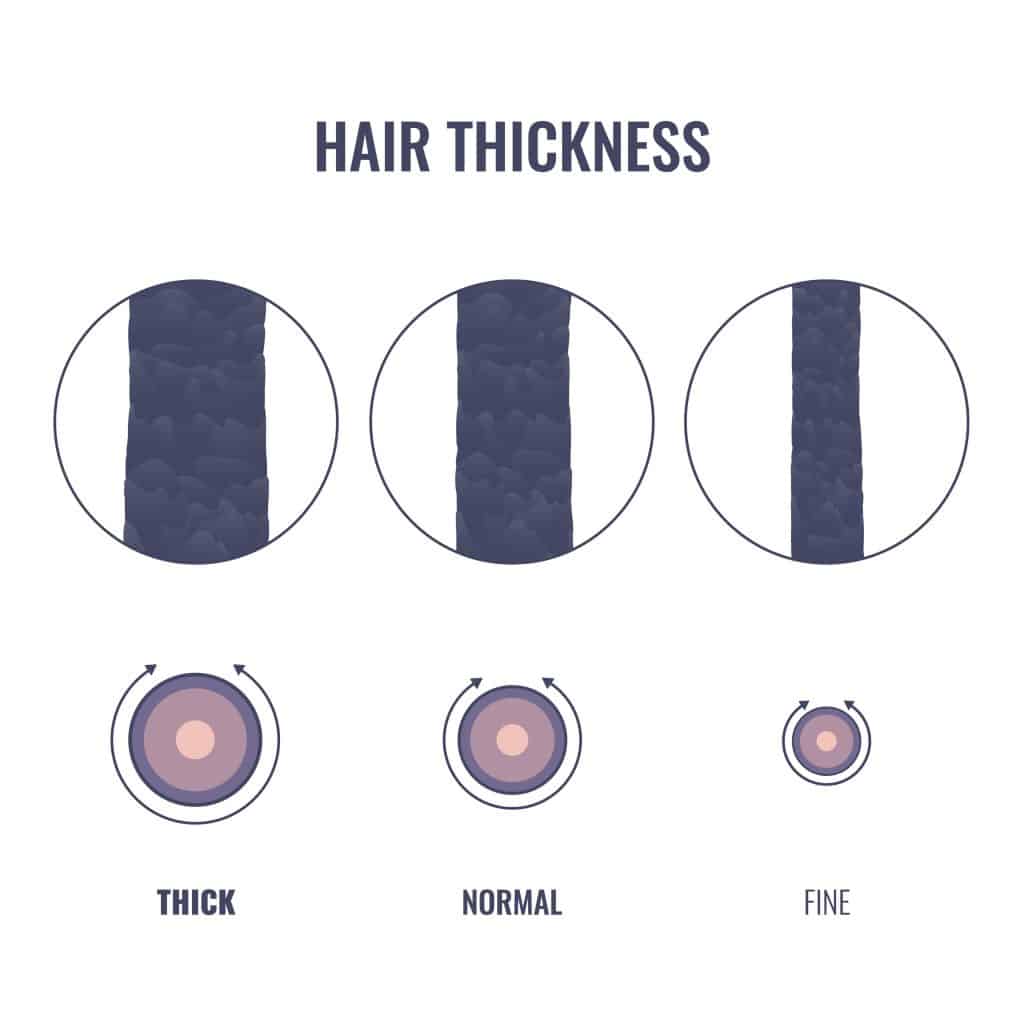
Tip: If you are unsure how thick your hair is, try taking a single strand and rolling it between your fingers. If you can barely feel it, you likely have thin hair.
Fine hair strands are smaller in diameter and can be weighed down easily.
Abbey often recommends formulas that avoid excessive oils for fine hair.
Medium hair falls somewhere between fine and coarse. This hair type is generally the easiest to work with because it can tolerate a wider variety of products without becoming greasy or weighed down.
Thick or coarse hair strands feel noticeably thicker between your fingers. Because thicker strands require more moisture, they respond better to richer conditioners and oils.
Understanding hair density
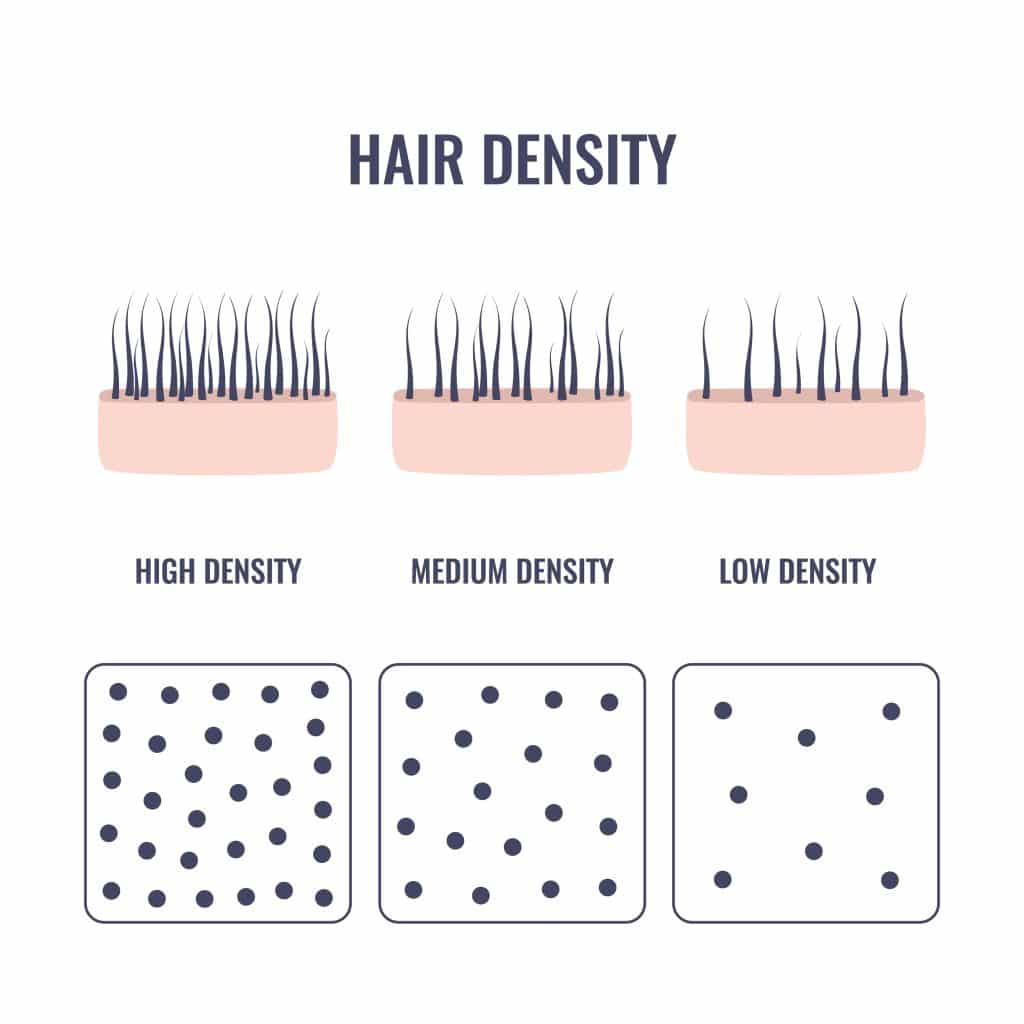
Hair density is the next step to the Abbey Yung Method. It refers to how many hairs are growing from your scalp.
For example, someone can have fine hair but thick density; they are completely different.
Tip: To test the density of your hair, look at your scalp in natural light. If your scalp is easily visible, you have low-density hair. If your scalp is mostly or completely covered, you have high-density hair.
Understanding the thickness and density of your hair helps explain why a product may work for one person but may be a disaster for another.
Building your Abbey Yung routine
Generally, one of the biggest misconceptions about Abbey’s method is that everyone needs an 11-step routine. She has explained that this is very customizable based on individual hair needs.
If you want a very simple routine, she says you should use:
- Shampoo
- Conditioner or Hair Mask (pick one)
- Leave-in Conditioning Spray With Heat Protection
But, if you want a more advanced routine, she recommends:
- Pre-Shampoo Oil Treatment
- Bond Repair Treatment
- Clarifying Shampoo (To Use Once a Week)
- Non-Clarifying Shampoo
- Conditioner
- Hair Mask
- Leave-In Spray
- Post Wash Oil
Each product is meant to target a different need. We are so used to buying one product and expecting it to do everything we want. Unfortunately, that doesn’t always work.
Abbey has studied the specific formulas to find what works best for the different types of hair.
Thin/fine hair routine
Fine or thin hair can be tricky because it’s more prone to looking flat or greasy when too many heavy products are layered on. Abbey’s approach focuses on lightweight formulas that help strengthen and protect strands without sacrificing volume.
Here are some of the products Abbey recommends for a thin or fine hair routine.
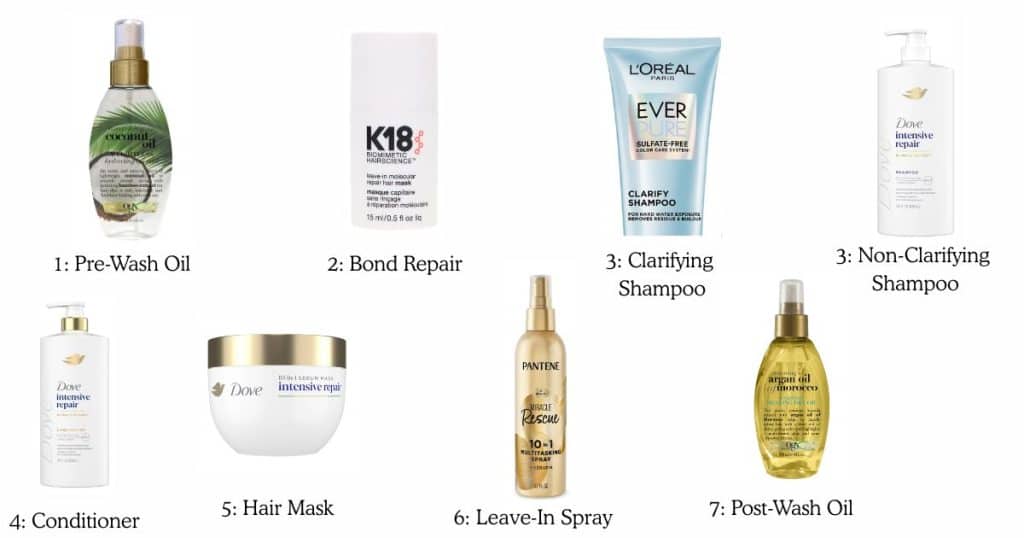
When I first looked at these routines, I wondered why I would put an oil on the ends of my hair before showering. However, according to Abbey, this step is meant to coat the strands with oil, creating a protective layer against potentially drying ingredients in shampoo.
Normal/medium hair routine
Normal or medium hair can generally tolerate a wider range of products while maintaining volume and moisture. Because of this, Abbey often recommends balancing strengthening ingredients with hydration.
You should follow the normal/medium routine if your hair has:
- Texture between fine and coarse
- Density between thin and thick
- Fine texture + thick density
- Coarse texture + thin density
Here are some of the products Abbey recommends for a normal or medium hair routine.
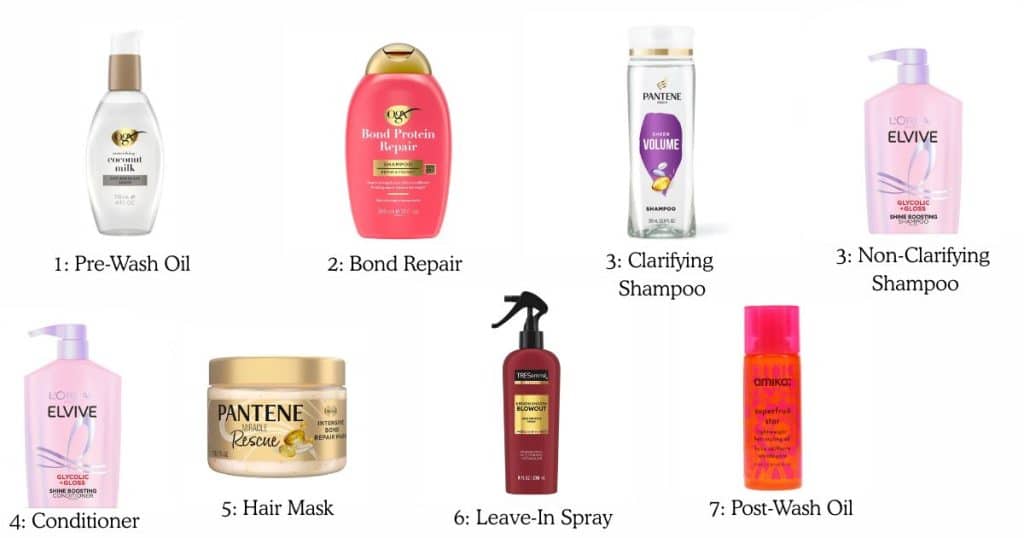
I fall under this hair type and have started using the OGX Coconut Milk and L’Oréal Elvive products. Since adding them into my routine, my hair feels softer and less frizzy. These products have become some of my favorites because I have noticed a visible difference in my hair.
Coarse/thick hair routine
While thick hair is often associated with volume and fullness, it comes with its own set of challenges. Thicker strands and higher hair density can require extra moisture and care to prevent dryness, frizz, and buildup.
However, people assume that more product always equals healthier hair, which is not true. Abbey’s method focuses on balancing moisture and scalp care.
Here are some of the products Abbey recommends for a coarse or thick hair routine.
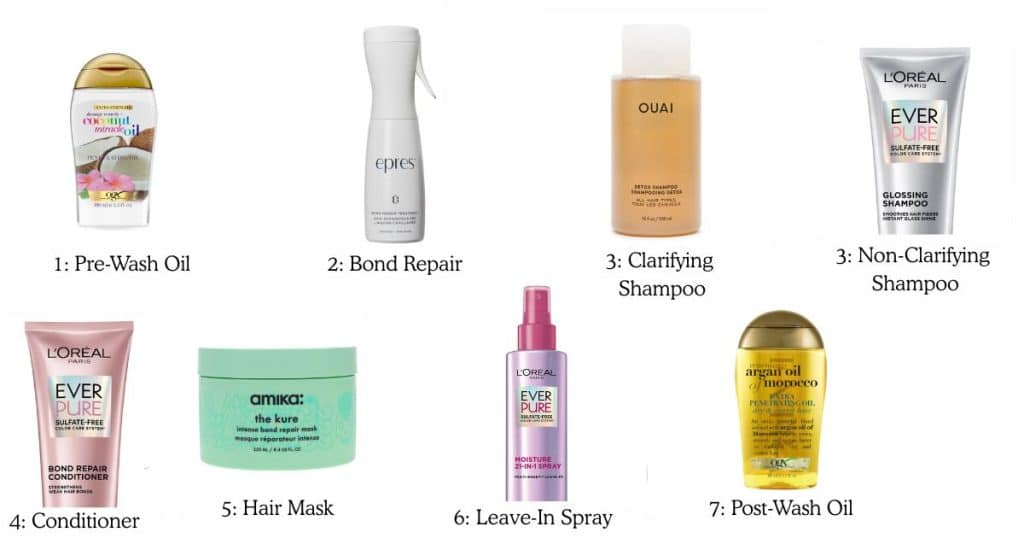
The L’Oréal 21-in-1 leave-in spray is one of my favorite hair products. I spray it on my hair right after the shower, and it makes my hair look very clean and frizz-free when it dries.
Do these routines work?
One of the biggest takeaways from Abbey’s content is that healthy hair doesn’t happen overnight. She encourages building consistent habits.
All things considered, limiting excessive heat styling, using heat protectant every time, avoiding rough towel drying, sleeping on a silk pillowcase, and getting regular trims all work alongside the product routine.
According to Abbey, products alone cannot completely undo years of damage if daily habits continue causing breakage.
“No matter what, the most important things are properly cleansing your scalp, properly conditioning, and protecting your lengths“
-Abbey Yung
What results can you expect?
Many people have shared great results on TikTok after using the Abbey Yung Method. They started with dry, brittle hair and came back with very healthy-looking hair.
After the first wash, people notice a cleaner look. Their hair stays more controlled as it dries. However, the biggest changes usually take more time to appear. Many users report noticing softer and shinier hair after about two weeks.
Eventually, by the six-month mark, people showed significant hair growth. Their hair looked much healthier and thicker than the beginning photos.
By using the science of hair, some of these products reduce breakage and actually repair damage that has already been done.
The other products focus on scalp health to ensure the new hair grows in healthy.
However, some people reported that they did not notice a difference in their hair after using the Abbey Yung method. This could be because they were using the wrong products for their hair type.
I saw videos of women with bleached hair struggling with this method and continuing to experience breakage. Multiple comments explained that bleached hair must be treated differently.
If you have bleached hair, you should shy away from products with protein treatments and focus on amino acids and moisture. Proteins can make bleached hair feel brittle and crunchy.
The Abbey Yung method can give great results, but you need to ensure you are using the correct products for your hair.
Abbey even provides deeper guidance into products for curly vs. straight hair or even colored hair.
At the end of the day, everyone’s hair is different, and you will need to tailor a routine to your specific hair needs. But this method can give you a great starting point to get the hair of your dreams.