You can hang up your phone now with the tap of a button, nowhere near as satisfying as the snap of a silver flip phone closing to finish a conversation.
Or you can stream any song in seconds, but it doesn’t quite compare to burning a CD for your best friend and carefully deciding what comes next on the playlist.
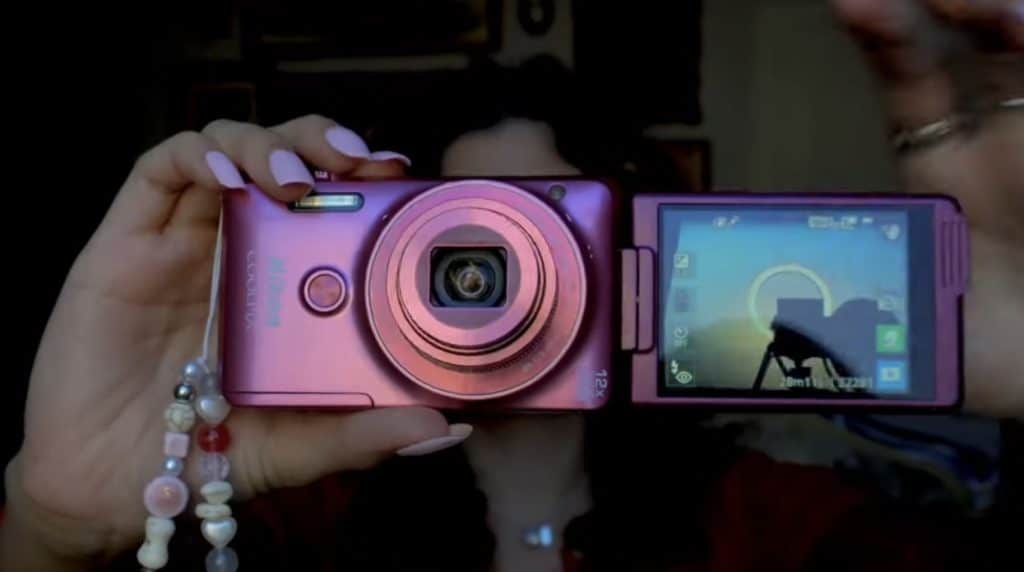
You can take hundreds of photos without thinking twice. Still, they rarely carry the same excitement as the unmistakable click of a digital camera and waiting until you got home to discover how the blurry pictures turned out.
That feeling is part of what’s fueling Gen Z’s renewed fascination with analog technology.
It feels like nostalgia.
But it’s also something more.
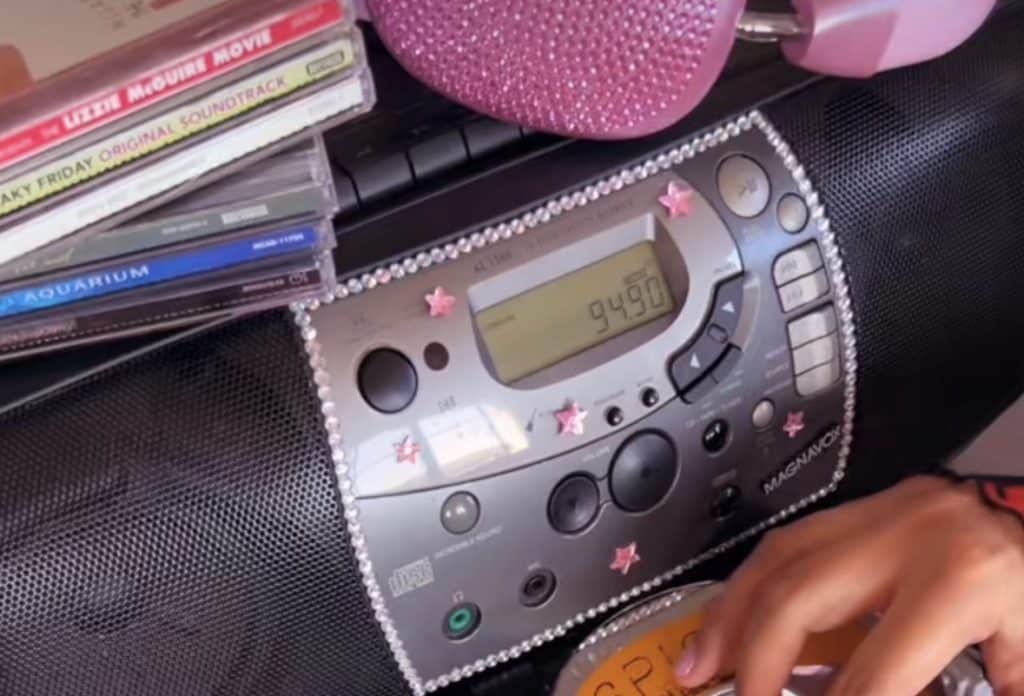
In a world where a new iPhone arrives every couple of years, Bluetooth connects automatically to our cars, and streaming platforms offer hundreds of shows at the touch of a button, it’s easy to forget what technology used to feel like.
Ironically, the generation that grew up surrounded by smartphones is leading the return to older technology.

Research from Partners Universal Innovative Research Publication (PUIRP) found that sales of “brick” or dumb phones increased by 148% among 18-to 24-year-olds compared with 2021, while smartphone use among the same age group declined by 12%.
This isn’t simply nostalgia—it’s a cultural shift in how Gen Z wants to experience technology.
The Generation That Never Really Knew Analog
My father was probably one of the last truly traditional people I knew when it came to technology.
Even when I owned a flip phone at the ripe old age of thirteen, nearly all of my friends already had smartphones.
Gen Z was the first generation to grow up with portable technology from the very beginning.
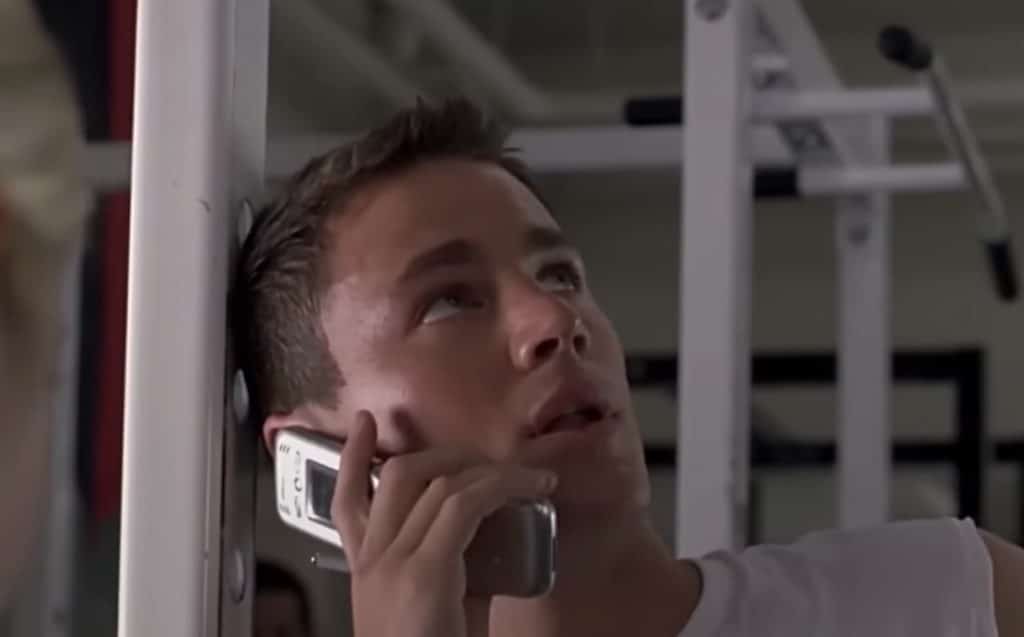
Technology became part of everyday life. Chromebooks appeared in classrooms. Laptops became second nature.
Entertainment changed too. Streaming replaced ownership. DVDs disappeared from living rooms.
Spotify playlists replaced carefully organized CD collections, and cloud storage quietly replaced family photo albums.
For years, that convenience seemed like the natural direction of technology. Faster, smaller, and always connected.
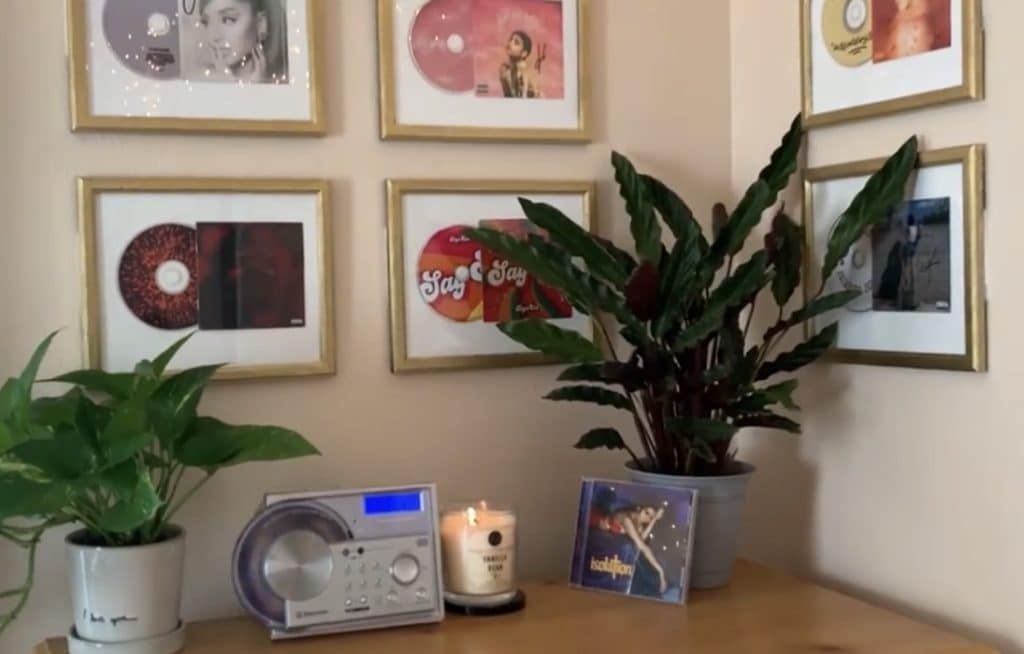
But recently, something unexpected happened: flip phones are snapping shut again. Vinyl records are spinning in living rooms. Digital cameras are showing up in handbags, and CRT televisions have become coveted thrift finds.
Suddenly, Gen Z is beginning to romanticize an era many of us were too young to fully experience.
Dr. Deidre Popovich, a marketing professor with a research focus on consumer psychology, says the trend is driven by what she calls “borrowed nostalgia”:
“Gen Z may not have grown up with CDs or CRT televisions, but these objects symbolize a simpler time. These technologies also feel more authentic.”
Rather than longing for a past they personally experienced, many young adults are drawn to what those technologies represent: slower living, tangible ownership, and fewer digital distractions. This begs the question: why?
Maybe we’re not chasing the past.
Maybe we’re chasing the way the past felt.
Why Physical Media Feels Different
Beyond nostalgia, there’s something about physical media that never seems to go out of style.
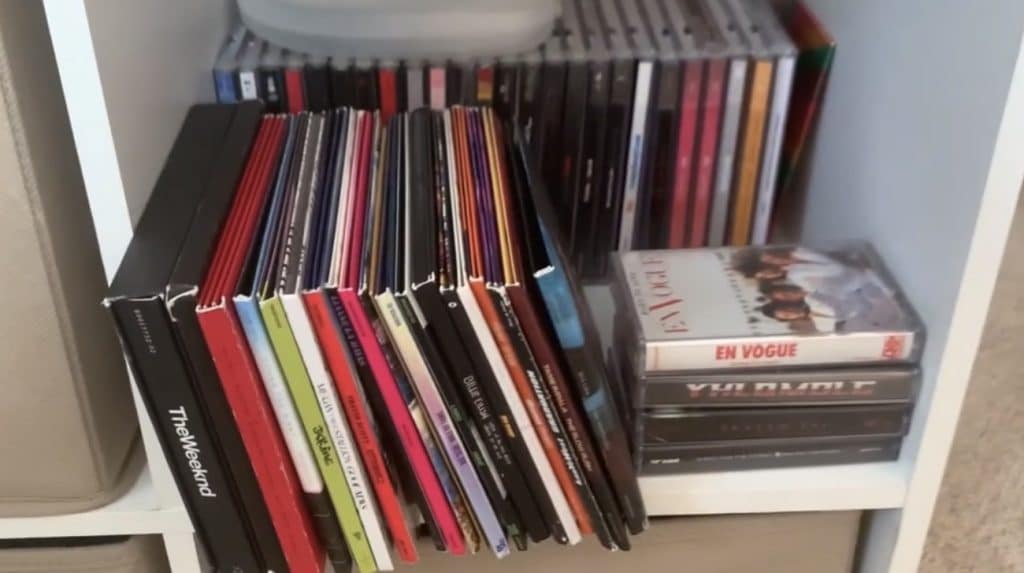
Vinyl records, CDs, cassette tapes, and physical albums all offer something streaming can’t: an experience that asks you to slow down.
Listening becomes intentional. You flip over the record, slide a CD into the player, or rewind a cassette before pressing play. You’re not worried about buffering, disappearing playlists, or software updates interrupting the moment.
Physical media also gives us something digital platforms can’t replicate: ownership.
Your favorite albums belong to you.
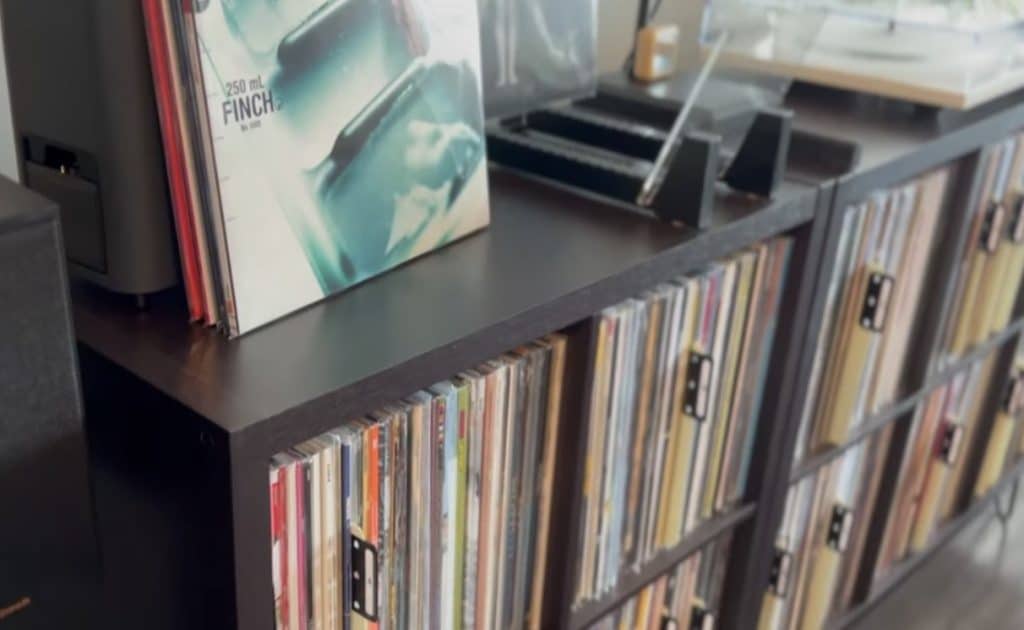
Their artwork lives on your shelf instead of being concealed behind an app icon. Liner notes become something you can actually hold, and listening to an album becomes an experience rather than background noise. While Spotify encourages listeners to skip songs after a few seconds, records invite people to stay for the entire story.
Behavioral and organizational psychologist Bob Hutchins says that’s exactly why analog technology resonates with so many young people today:
“Rather than rejecting modern technology, they’re choosing its limitations.”
It creates space for uninterrupted mornings and music that’s ready whenever you are—not whenever an algorithm decides.
It’s not just about owning something tangible.
Sometimes, limitation and slowing down are the features.
Flip Phones and the Beauty of Limitation
One of the most recognizable pieces of Gen Z’s analog technology resurgence is the iconic flip phone.
As someone who owned a flip phone, I’ve been waiting for this comeback.
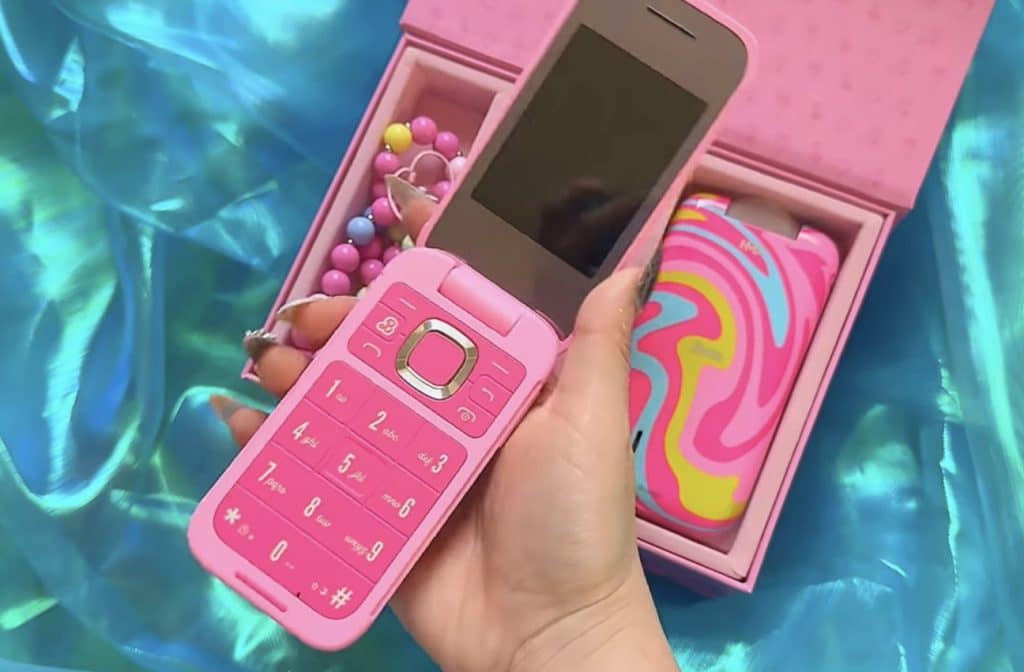
When everything is available at your fingertips, it’s surprisingly difficult to create limits. Endless notifications, social media feeds, and the expectation of being constantly available make doomscrolling feel less like a habit and more like part of everyday life.
That’s exactly what makes the flip phone’s return so appealing.
Rather than offering more features, it offers fewer. Closing the phone at the end of a conversation, slipping it back into your pocket, and waiting for your Justin Timberlake ringtone to interrupt your day again feels almost refreshing.
From a consumer psychology standpoint, Dr. Deidre Popovich says Gen Z’s attraction to analog technology is largely driven by what she calls “anti-overload”:
“Older technologies offer a sense of control because they do fewer things at once.”
The appeal isn’t simply nostalgia. It’s the freedom to step away.
Instead of encouraging constant scrolling, flip phones naturally create pauses between conversations, notifications, and moments online.
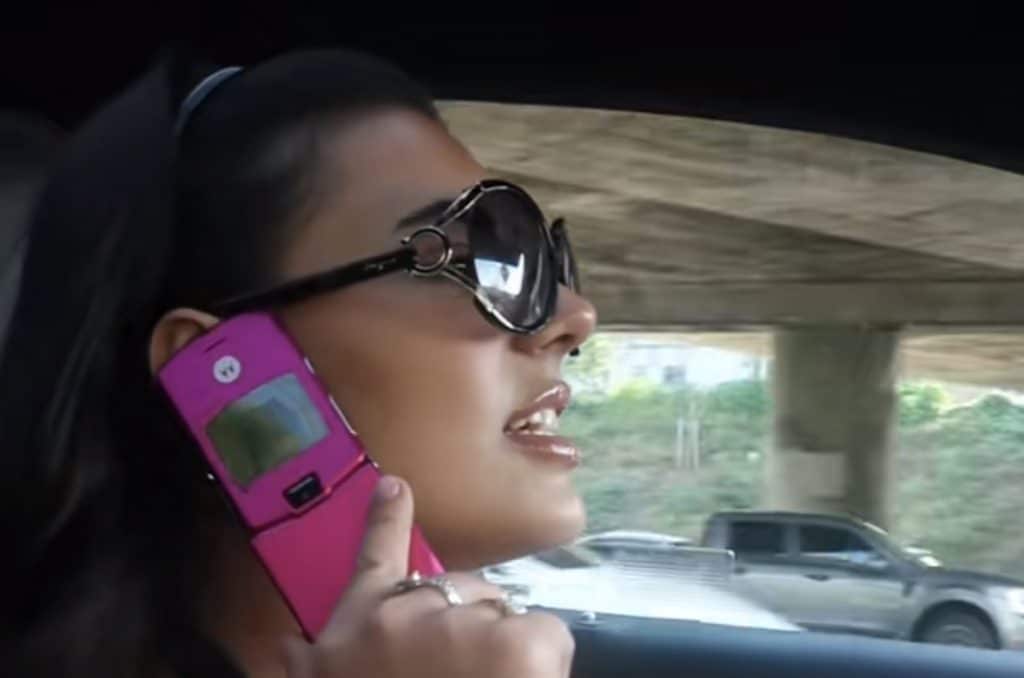
For Gen Z, choosing analog technology isn’t about rejecting innovation—it’s about deciding when technology deserves our attention.
Popovich believes that’s exactly what’s happening.
“Technoference is the feeling that technology interrupts our attention, our ability to experience authentic face-to-face relationships, and our daily life.”
Stepping away from constant connectivity creates something increasingly rare: uninterrupted time.
When Technology Became Décor
If flip phones and vinyl records represent how Gen Z wants to experience technology, their homes reveal how they want to live with it.
Analog technology’s resurgence isn’t only about function—it’s also about aesthetics.
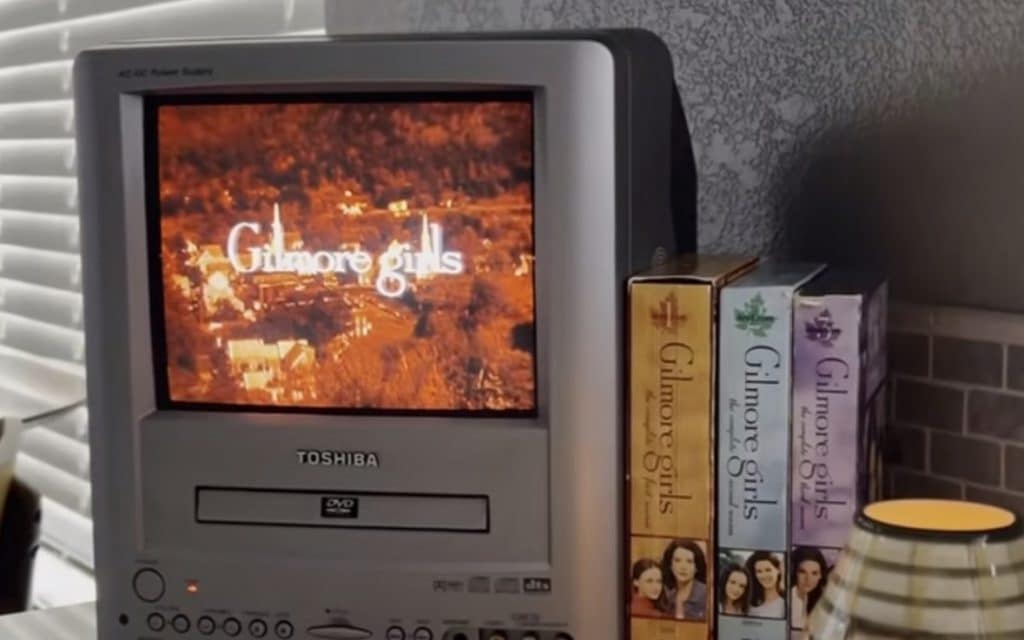
Across TikTok and Pinterest, thrifted CRT televisions, translucent electronics, wired headphones, iPods, camcorders, and digital cameras have become part of room décor rather than hidden away in storage.
Technology that was once considered outdated is now being styled alongside candles, books, and vintage furniture.
Tiny televisions sit on kitchen counters again. CD towers are color coordinated. Vinyl collections double as wall art, and wired headphones have become accessories in the same way scarves or jewelry once were.
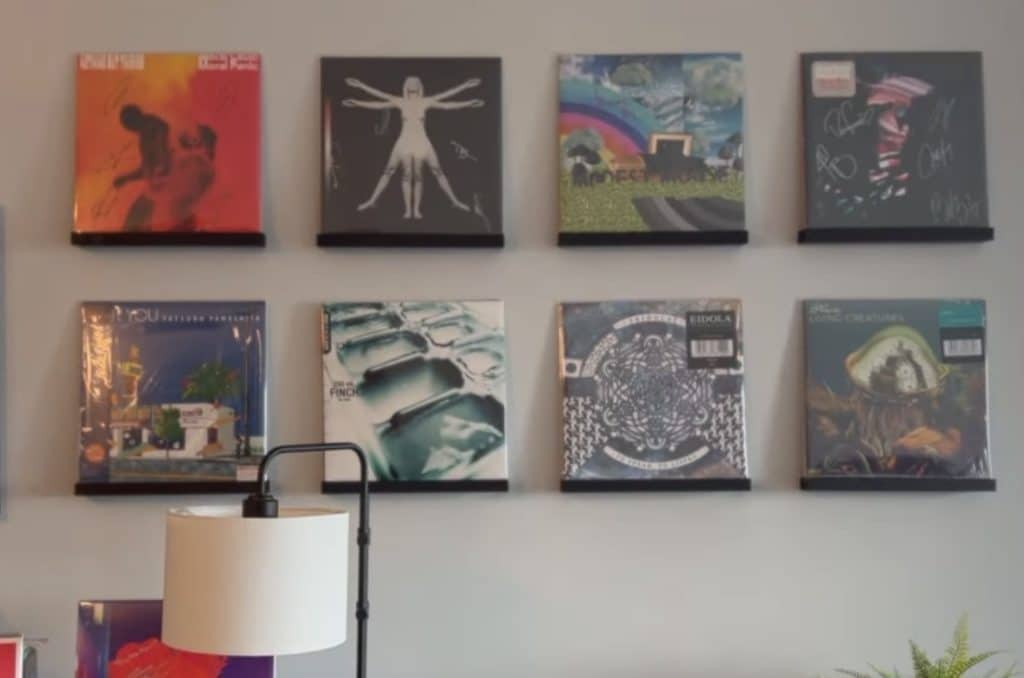
Even digital cameras have become fashion statements. People decorate them with rhinestones, stickers, and charms before slipping them into their bags alongside lip gloss and sunglasses.
Physical media now serves two purposes: It functions as entertainment, but it also becomes a form of self-expression. Whether it’s a carefully arranged vinyl wall or a bedazzled digital camera, these objects aren’t taking up space—they’re making it.
Why Analog Feels Romantic
Romance has never really been about convenience; It’s about anticipation.
Analog technology asks us to wait. To rewind a cassette, flip over a record, develop photographs instead of checking them immediately. Every interaction becomes something physical rather than automatic.
That’s what makes it feel romantic.
The contrast speaks for itself—twenty-seven disposable camera photos suddenly matter much more than two thousand sitting forgotten in your camera roll. Closing a flip phone after one conversation feels different than endlessly texting between dozens of notifications.
The anticipation becomes part of the experience.
Bob Hutchins, whose Ph.D. research examines how technology shapes creativity, meaning-making, and human connection, doesn’t see this movement as nostalgia alone:
“Rather than viewing this phenomenon as a form of rebellion against modern technologies, I would view this as a course correction.”
“Gen Z members seem to be rediscovering boundaries around technology usage and defining what types of experiences technology should provide.”
Perhaps that’s the real appeal—rather than abandoning technology altogether, many young adults are redefining the role they want it to play in their lives. They’re rejecting overstimulation, constant notifications, infinite scrolling, and algorithmic living—not technology itself.
Analog technology asks us to participate instead of consume.
A record asks us to listen. A disposable camera asks us to be intentional. A flip phone asks us to end a conversation instead of carrying it around in our pocket all day.
These objects symbolize slower mornings, tangible memories, intentional living, and the freedom to be fully present. Physical media lets us experience music, television, and photography without constantly competing for our attention. It reminds us that technology wasn’t always designed to dominate our lives.
Coming Back to the Present
A record spins quietly in the background while you lie on your bed, deciding which Hollister cami to wear underneath your favorite Henley tomorrow morning. A candle burns on the nightstand. Your digital camera sits on the dresser waiting for tomorrow.
Maybe the reason Gen Z loves flip phones isn’t that they make life easier; maybe it’s because they don’t.
Sometimes a blurry digital camera photo becomes more meaningful than fifty perfect ones forgotten in the cloud. Sometimes the satisfying snap of a flip phone feels like the ending of a conversation instead of the beginning of another notification.
Perhaps analog isn’t making a comeback because people miss the early 2000s. Perhaps it’s making a comeback because we’re searching for a slower way to experience the present.
Maybe we’re remembering a time when technology was an accessory, not a lifestyle.