American politics has become increasingly defined by personalities. Elections are determined by a handful of dominant political figures whose influence extends far beyond their official positions. Yet as Democrats and Republicans look towards the late 2020’s and beyond, both parties face the same uncomfortable question: who comes next?
The circumstances differ. Democrats are searching for a new generation of leadership after years of relying on an aging political establishment, while Republicans remain united under Donald Trump, whose dominance has made identifying a successor uniquely difficult. The result is a rare point of convergence, where neither party possesses an obvious heir apparent.
The leadership question
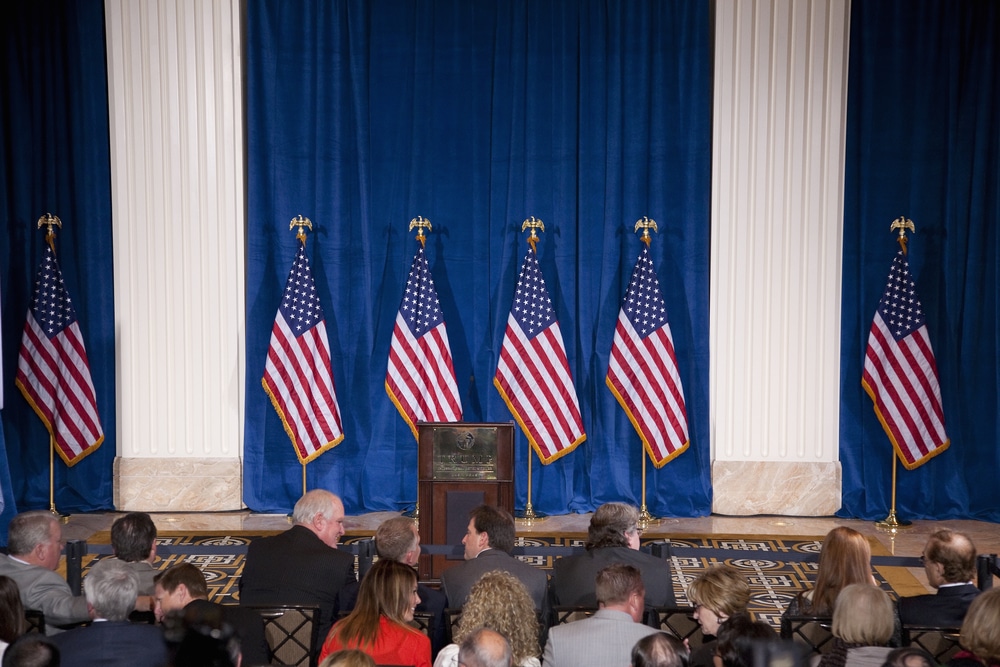
For most of modern American history, political succession followed a predictable pattern. Governors, Senators, and party leaders would build national rapport before emerging as a presidential candidate, but that process appears increasingly fractured.
Political parties have become nationalized, media-driven organizations that reward visibility more than experience. A politician can become a household name through social media, while decades of legislative work may go unnoticed. The result is a political landscape filled with recognizable personalities, but few capable of commanding support across the entire party.
The Democrat’s search
The Democratic Party’s leadership problem can be summarized in one word: age.
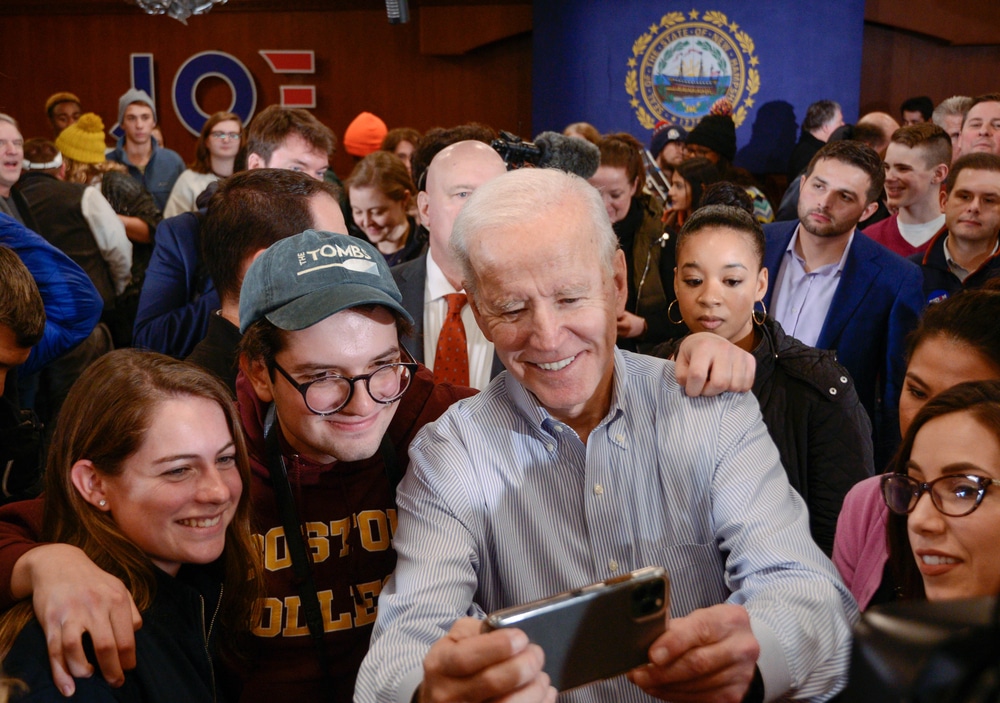
While concerns about President Joe Biden’s age brought the issue into the national spotlight, the problem extends far beyond a single politician. For more than a decade, many of the party’s most influential figures have remained members of an older generation. Leaders such as Nancy Pelosi, Chuck Schumer, and Bernie Sanders continue to play outsized roles in shaping the party’s direction, leaving younger Democrats struggling to establish themselves as clear successors.
Ironically, despite possessing one of the deepest benches of potential candidates in recent memory, the path to leadership has rarely been more uncertain.
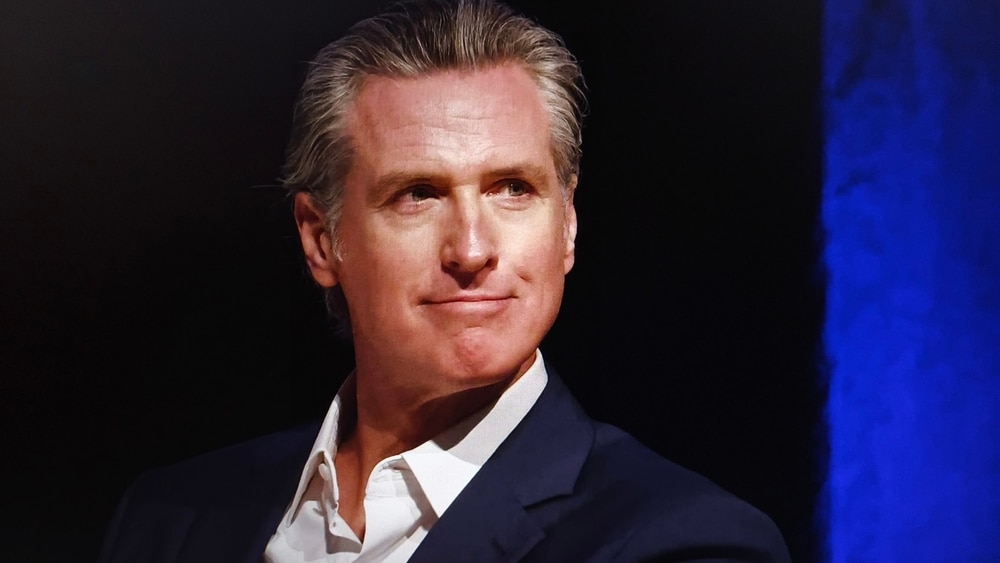
Governors such as Gavin Newsom of California and Josh Shapiro of Pennsylvania are frequently mentioned as future standard bearers due to their executive experience and national profiles. At the same time, figures such as Alexandria Ocasio-Cortez and Pete Buttigieg continue to attract attention from activists, strategists, and voters searching for a post-Biden direction.

Yet none have emerged as the undisputed face of the party.
Part of the challenge is ideological. Democrats remain divided over what kind of leader they want moving forward. Progressive voters often favor candidates willing to challenge the party establishment and embrace more ambitious reforms. A politician who energizes one wing of the party may struggle to win over the other. The recent rise of figures such as Zohran Mamdani illustrates this tension. Candidates who energize progressive activists may simultaneously raise concerns among moderates focused on general-election viability.
Another factor is the lingering influence of the Obama-Biden era. Since 2008, every Democratic presidential victory has featured Joe Biden somewhere on the ticket. This is not because Biden inspired the kind of personal devotion associated with figures such as Franklin Roosevelt, but because he represented continuity. As a familiar figure with decades of political experience and deep ties to the Democratic establishment, Biden became a bridge between multiple generations of party leadership.
That continuity has also become a constraint. Many of the politicians who built the Democratic Party’s modern coalition remain influential today, making it difficult for a new generation to fully step out of their shadow. As a result, Democratic politics often feels as though it still revolves around the same constellation of leaders that dominated the Obama years.
The party is therefore left with an abundance of contenders in this power vacuum, but no clear successor.
Republicans in a post-Trump world
If Democrats have too many potential leaders, Republicans may have too few.
No Republican has transformed the party more thoroughly since Ronald Reagan. His influence extends beyond policy preferences into the party’s culture, messaging, and electoral strategy. Republican leaders have increasingly come to define themselves through their relationship with Trump, rather than their political identities. That is what creates the succession problem.
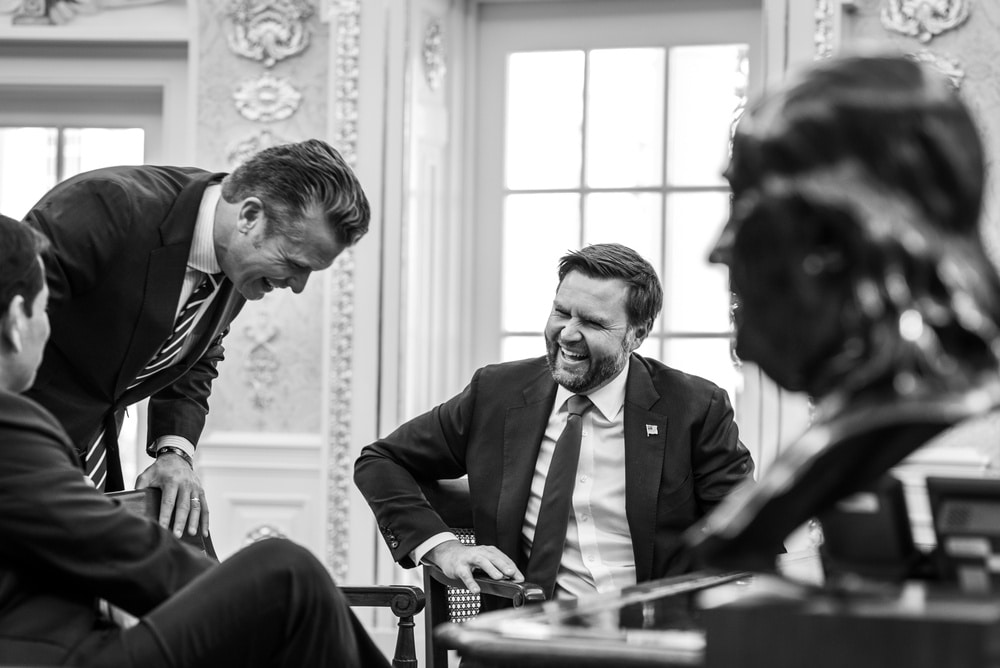
Several politicians have attempted to position themselves as heirs to Trump’s movement. Vice President JD Vance is perhaps the most obvious candidate given his position and ideological alignment with the administration. Yet inheriting Trump’s coalition is not the same as inheriting Trump’s appeal. Vance possesses many of Trump’s political instincts but lacks the decades-long celebrity status and personal charisma that helped make Trump uniquely influential. This is not talking about his previous comments about Donald Trump, which may result in members of his party seeing him more as an opportunist than someone dedicated to the cause. This places him as the frontrunner, just not one popular enough to win an election.
One figure who continues to attract attention is Marco Rubio. Once viewed as a representative of the Republican Party’s pre-Trump establishment, Rubio has steadily reinvented himself within the party’s new political landscape. His reputation for competence, combined with the running joke that he seems to hold every job in Washington at one point or another, has helped him maintain relevance while many former rivals have faded from view.
Whether Rubio ultimately becomes a serious contender is unclear. What is clear is that Republicans have not identified a successor capable of commanding the loyalty Trump enjoys among the party’s base.
The Republican leadership question is not who can replace Trump on paper, but who can convince voters that replacement is necessary.
Why the leadership pipeline is breaking down
The deeper story extends beyond an individual politician.
Both parties continue to rely heavily on older voters, particularly Baby Boomers, who remain among the most consistent participants in American elections. Politicians naturally tailor their messaging toward the demographics most likely to vote, creating incentives that often prioritize established concerns over emerging issues important to younger generations.
Traditional pathways that rewarded legislative accomplishments or party building have weakened. Viral moments on social media often generate more attention than policy expertise, and in this day and age, are often preferred.
Interest groups have also become more influential in shaping political careers. Within Democratic politics, support from organizations such as AIPAC has become increasingly controversial among certain factions of the party. Candidates who accept such support may gain valuable resources, but at the cost of alienating younger voters who are increasingly seeing the money as “tainted”. Similar dynamics exist within Republican politics, where relationships with major donors and ideological organizations can generate both support and backlash.
In short, the political system rewards loyalty to existing power structures, which makes it difficult for new leaders to emerge.
What’s next?
Neither party faces an immediate crisis. Democrats still possess a deep bench of governors, senators, and rising national figures. While Republicans will remain unified under Trump’s leadership and benefit from his influence over the party.
Yet the long-term challengers are becoming increasingly apparent.
Democrats must search for a leader capable of uniting the party’s moderate and progressive wings. Republicans must search for someone who can inherit Trump’s coalition without simply becoming a weaker imitation of Trump himself.
Until that changes, American politics will continue to be shaped by the figures who rose to prominence yesterday.