The FIFA World Cup is finally here, bringing with it the familiar debate over which nation is best positioned to lift football’s biggest prize. Hosted across Canada, Mexico, and the United States, the 2026 tournament begins with a handful of teams considered favorites based on talent, recent form, and international success. But history has shown that expectations do not always translate into success once the matches begin.
Argentina enters the competition as defending champions after their memorable triumph in Qatar, while teams such as France, Spain and Portugal arrive with legitimate ambitions of winning the tournament. Each has the quality to make a deep run, but pressure can be just as important as talent.
With the tournament now underway, the focus shifts from predictions to performances. The biggest question is no longer which teams look strongest heading into the World Cup, but which nations can handle the expectations and deliver when the stakes are at their highest.
Argentina: defending champions under pressure
Argentina arrives at this World Cup with a pressure no other team fully understands: the pressure of being champions. After winning the 2022 World Cup in dramatic fashion against France, they followed it up by staying competitive at the highest level and adding another major trophy by winning the 2024 Copa América.
At the center is Lionel Messi. Now 38 and playing for Inter Miami, he is still the emotional leader and captain of this Argentina side. Even as his role becomes less about carrying the team every game and more about guiding moments when it matters most, his presence alone shapes how opponents approach them and how Argentina approaches tournaments like this.
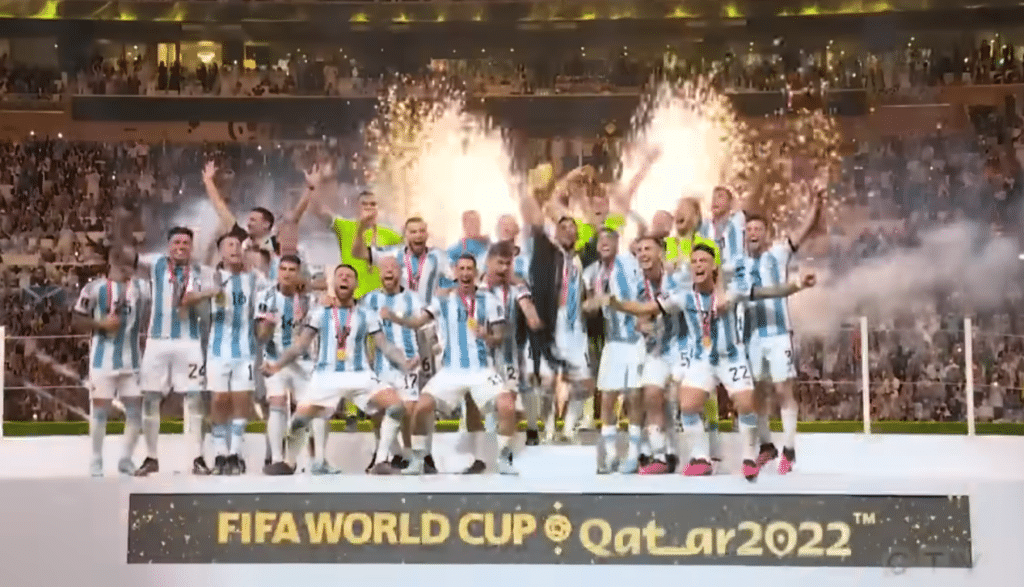
On the touchline, Lionel Scaloni has quietly built a stable and well-balanced national team. His system is not built around one idea or one star player, but around structure, discipline, and trust in a core group that has played together through multiple tournaments.
The squad itself still has the same backbone that delivered success in Qatar. Emiliano Martínez remains one of the most decisive goalkeepers in international football, while Cristian Romero and Lisandro Martínez anchor a defense that is aggressive and composed in equal measure.

For all their talent, the real question around Argentina is no longer whether they are good enough. It is whether they can deal with what comes after becoming champions—every opponent treating them like the team to beat, and every match carrying the weight of expectation.

France: built to contend again
France comes into this World Cup once again in the familiar position of being one of the clear favorites. After finishing as runners-up in 2022 following a dramatic final against Argentina, they’ve stayed right at the top of international football and shown no signs of falling out of contention.
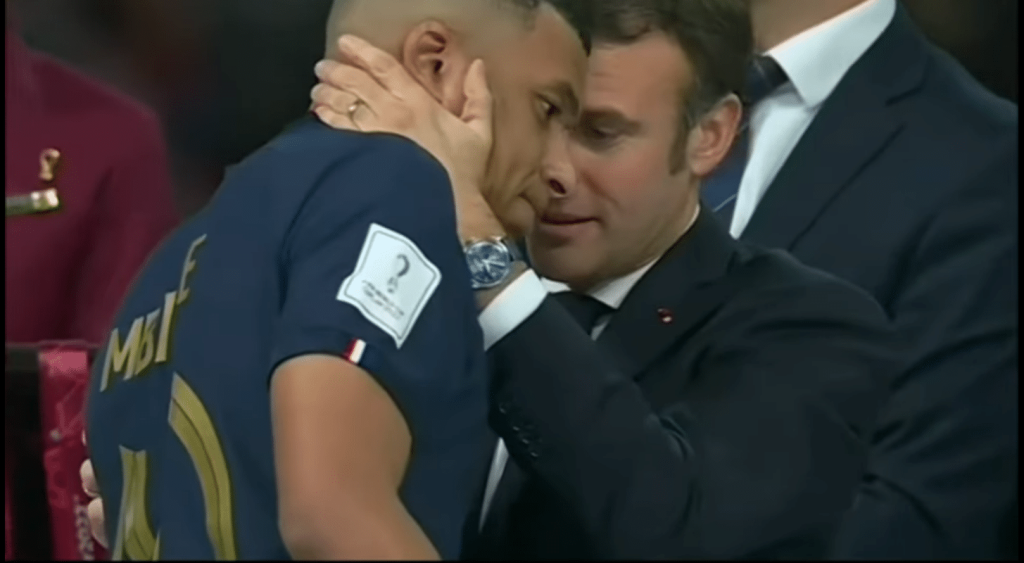
At the center of this team is Kylian Mbappé, now the captain and undisputed leader of the squad. Already a World Cup winner in 2018, he enters this tournament carrying both expectation and responsibility. Much of France’s success will once again be shaped by how far he can carry them in decisive moments.
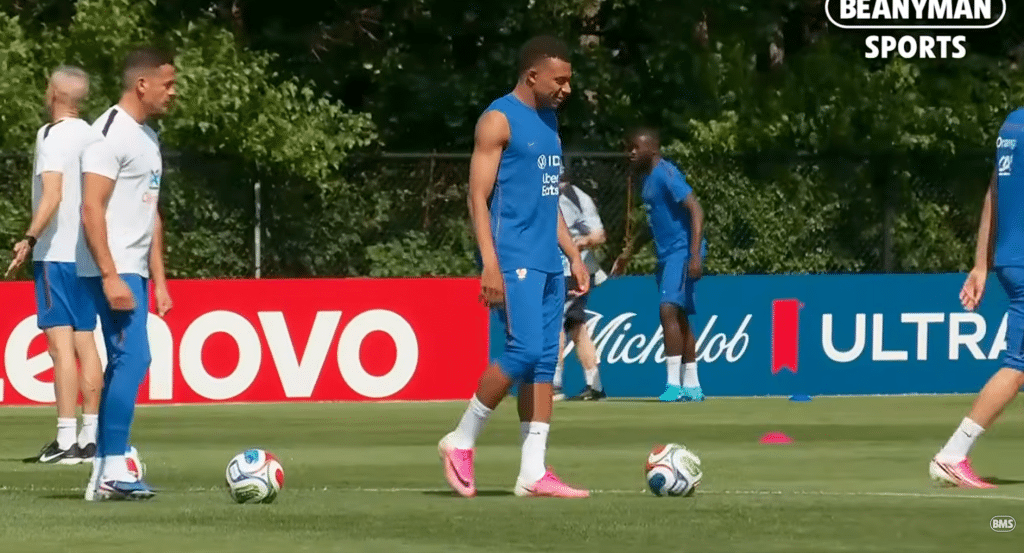
But what makes this French side so dangerous is that it’s no longer just about one player. Ousmane Dembélé, the current Ballon d’Or winner, adds another layer of star power and unpredictability on the wing, giving France a genuine game-breaking option alongside Mbappé. Michael Olise brings creativity and control in the attacking third, while the rest of the squad offers depth and versatility across every position.
That depth is a major reason they remain one of the favorites. The question heading into this World Cup is not whether they have the talent—it’s whether anyone can stop them when they start to hit full rhythm.
Spain: a new generation on the rise
Spain arrives at this World Cup with a different kind of energy compared to the usual favorites. After winning Euro 2024, belief around this team has grown again, but it’s not based on experience or legacy—it’s built around a young group that has quickly turned potential into results under manager Luis de la Fuente.
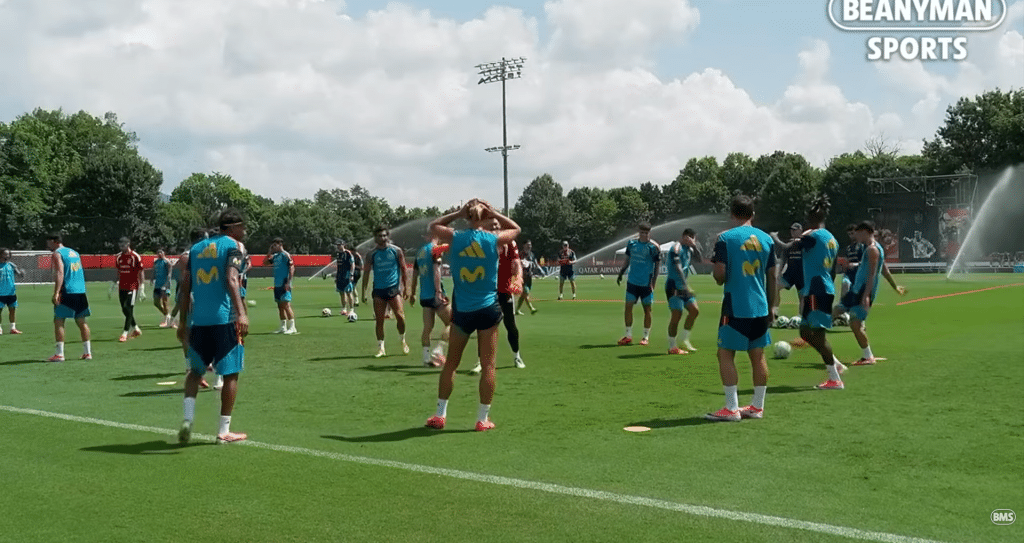
Spain has not won the World Cup since 2010 and has endured several disappointing exits since then, making this tournament an opportunity to prove they can once again compete for football’s biggest prize.
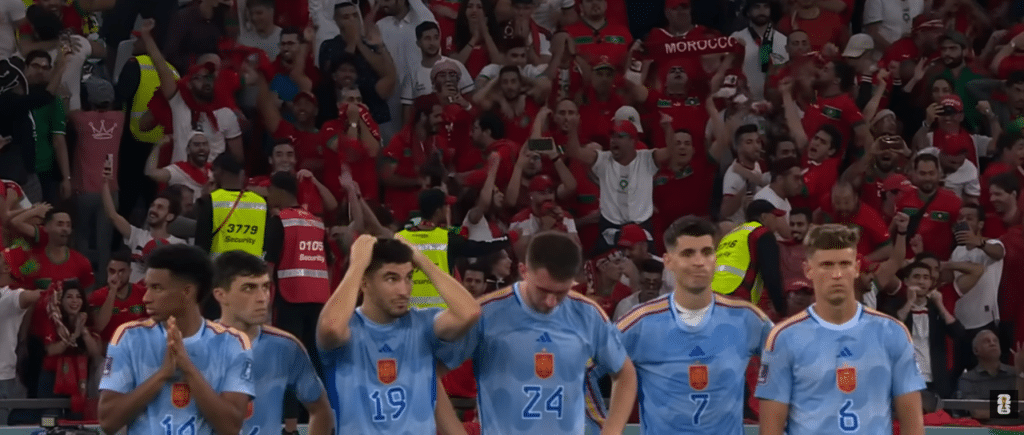
At the center of that rise is Lamine Yamal. Still just a teenager, he has already become one of the most talked-about players in world football, bringing fearlessness and creativity to Spain’s attack. His rise has given Spain something they’ve lacked in recent tournaments: a consistent game-changing threat who isn’t afraid of the biggest moments.
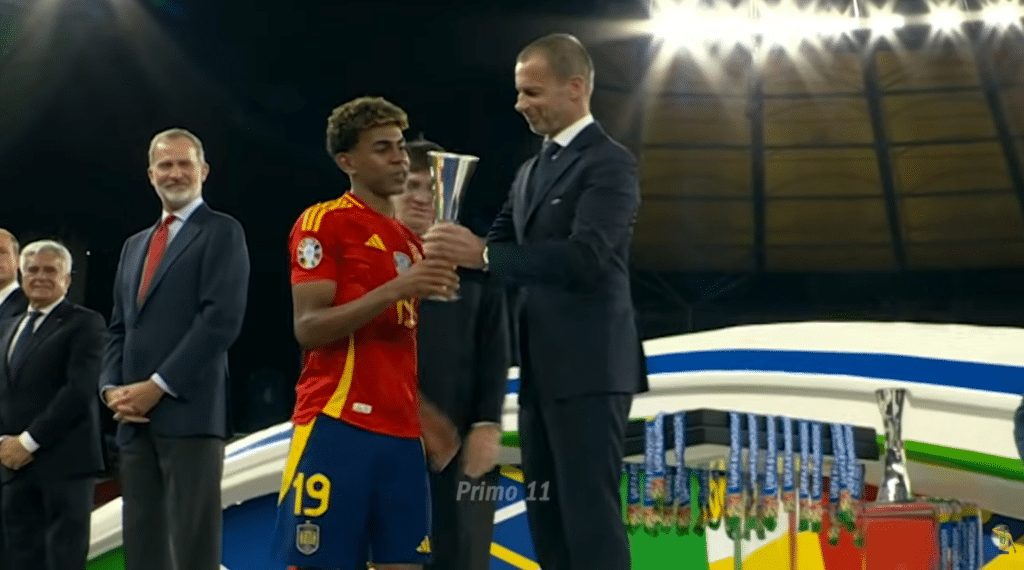
The question for Spain is whether this new generation is ready for the weight of expectation that comes with being European champions and now World Cup contenders. With momentum on their side and one of the brightest young squads in the tournament, La Roja will be hoping they can finally bring the trophy home for the first time since 2010.
Portugal: one last push for Ronaldo
Portugal comes into this World Cup with one of the deepest squads in the tournament, and for many, it also feels like a final World Cup chapter for Cristiano Ronaldo. Still leading the national team, his presence brings experience and belief, even as his role has evolved from carrying the attack to providing leadership in key moments.
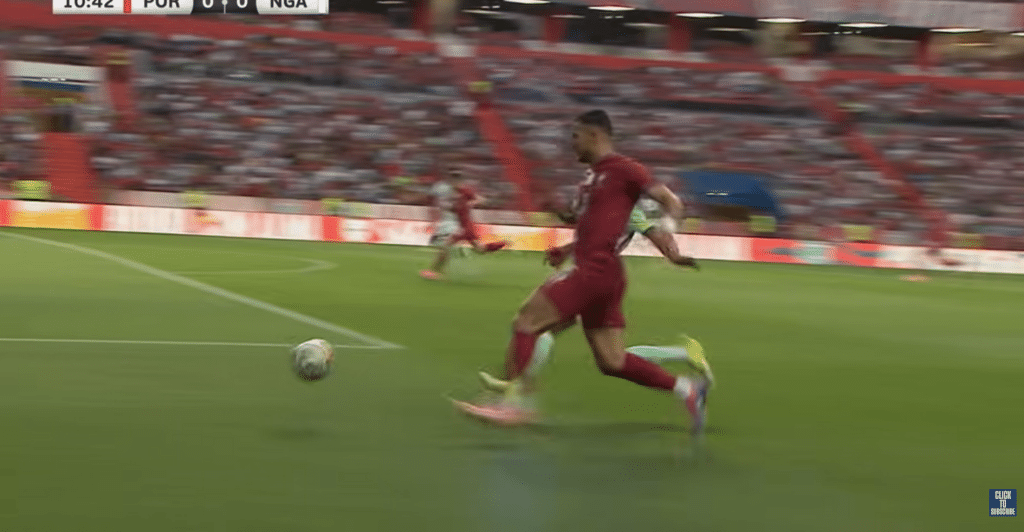
Under Roberto Martínez, Portugal have built a side packed with quality across every area of the pitch, led by players such as Bruno Fernandes, Vitinha, and Nuno Mendes.
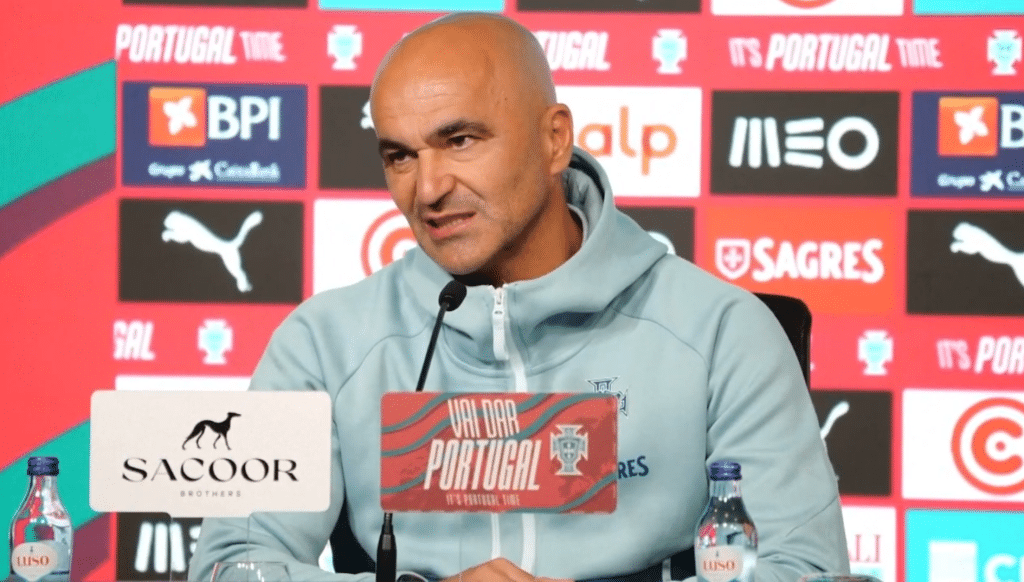
Despite that talent, Portugal’s recent tournament history still lingers. Their 2022 World Cup ended in disappointment with a quarter-final exit to Morocco, a reminder that individual quality does not always guarantee results on the biggest stage.
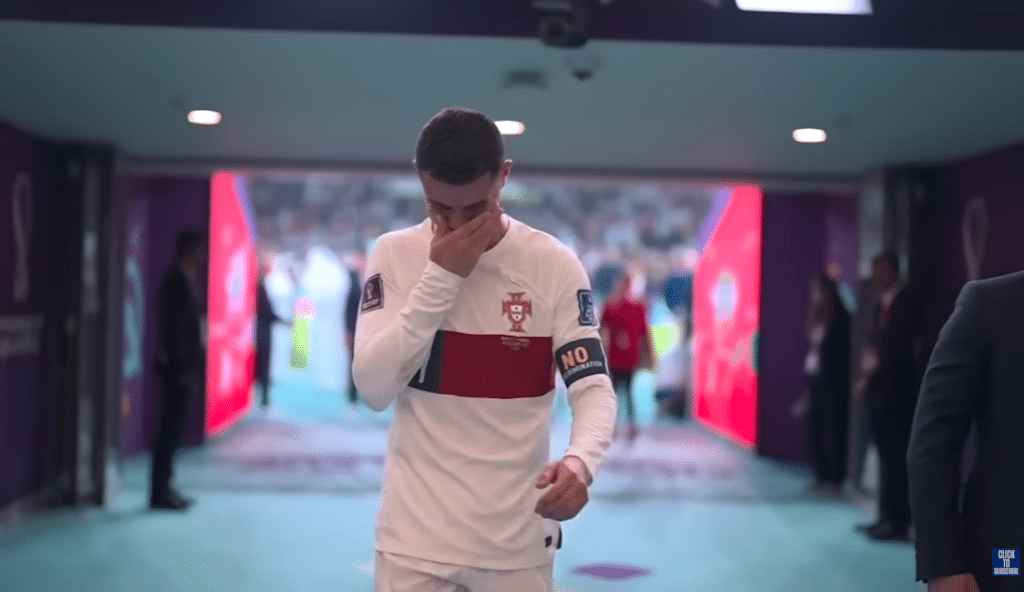
This time, with experience, depth, and possibly Cristiano Ronaldo’s final World Cup, Portugal arrives not just aiming to compete—but to finally turn a talented generation into a serious title challenge. For Ronaldo, it represents the one major trophy missing from his career.