
The rap superstar is becoming a dying breed. At some point between algorithmic playlists and fifteen minutes of fame virality, the titanic forces of the industry seemingly vanished. Before TikTok, artists like Drake, Kanye, Jay Z, and Eminem ruled the radio. These were names that shifted culture around their sound. They didn’t just dominate rap; they defined it.
Is it truly the great extinction of rap superstars?
Gone are the days of rap artists freezing the industry with every release. Nowadays, it’s just a constant cycle of spotlight flashing bright yet burning out faster. But the Travis Scott experience does not quite move like that.
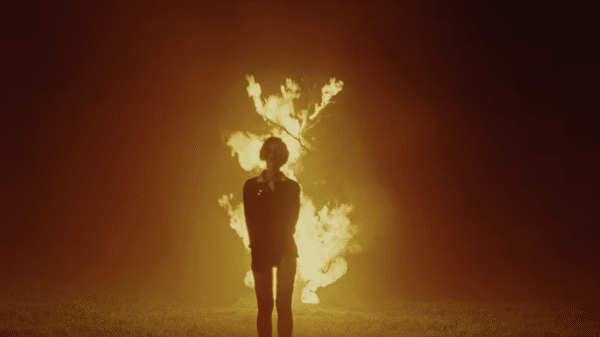
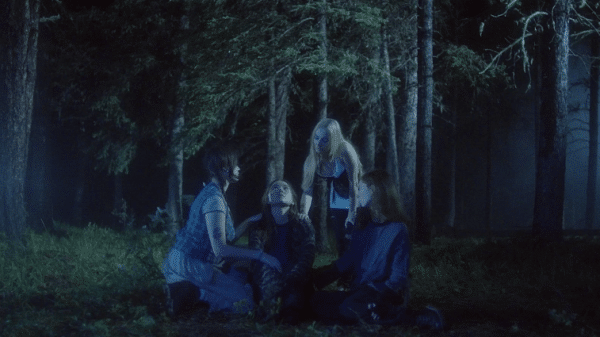
Flames puncture holes in the dark, foggy skies. The bass punches through rib cages like a bad lunch. Thousands swarm the stage, swallowed by psychedelia and magnetized into a dystopian trance. A stampede of sweaty, reckless ragers collide with each other. But nobody is watching anymore. All are a part of it.
Perched above them, he stands like a maestro of the madness unfolding. Consumed by an unparalleled hunger for chaos, Scott does more than orchestrate the rage; he commands it. “No Bystanders” became more than a warning or a song; at a Travis Scott show, it’s the law.
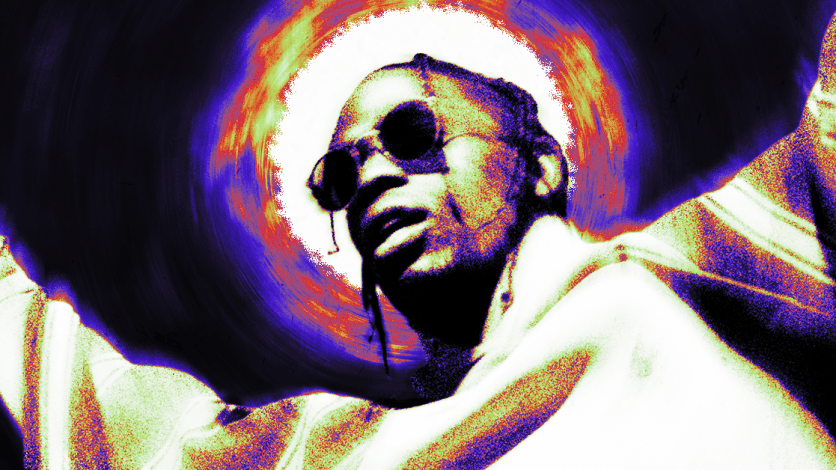
The question isn’t whether or not the genre still produces stars. It’s whether it still produces superstars. The type whose influence stretches beyond the music and beyond the moment. The kind that serves as the last of their species. Scott certainly makes a compelling case as one of, if not the, last standing rap superstar.
The way back
However, it wasn’t always like this. Before, there was Jacques Webster, a couch-surfing dropout running on cheap ambition and hazy melodies. The Houston hype machine hadn’t acquired all the mechanics yet. No atmospheric worldbuilding. No hectic mosh pits. Just an untamed misfit chasing something ambiguous and distant.
Music always lingered in Webster’s background. From high school theater to rough beats, ideas remained bigger in his head than out into the open. He adopted the stage name Travis Scott, blending the name of his favorite uncle, Travis, with that of Kid Cudi (a.k.a. Scott Mescudi). He drifted through short-lived collectives like The Graduates and The Classmates, names that somewhat buzzed but quickly evaporated into nothing. But these early experiments: the noise, the haze, the drive to disorient rather than define; that’s where everything began to crystallize into something recognizable. The initial muddy sound had blossomed into an amplified character: Travis Scott.
Later, he abandoned the University of Texas at San Antonio, trading books and notes for a shot at stardom. No group this time. No plan B. Just ambition, strong enough to cause all else to fade. At the time, Scott’s mom frequently sent money to him, believing he was attending classes. However, once she found out Scott was in New York pursuing music opportunities, she cut him off.
Eventually, Scott chose to relocate to Los Angeles, upset with the lack of buzz his career was generating. A friend who offered him housing ditched him, so Scott was forced to move back to Houston. Here, though, things fell apart further as his parents kicked him out. So, he moved back to Los Angeles a second time, sleeping on the couch of a friend studying at the University of Southern California, still chasing an unfulfilled desire.

Discovery & sound shaping
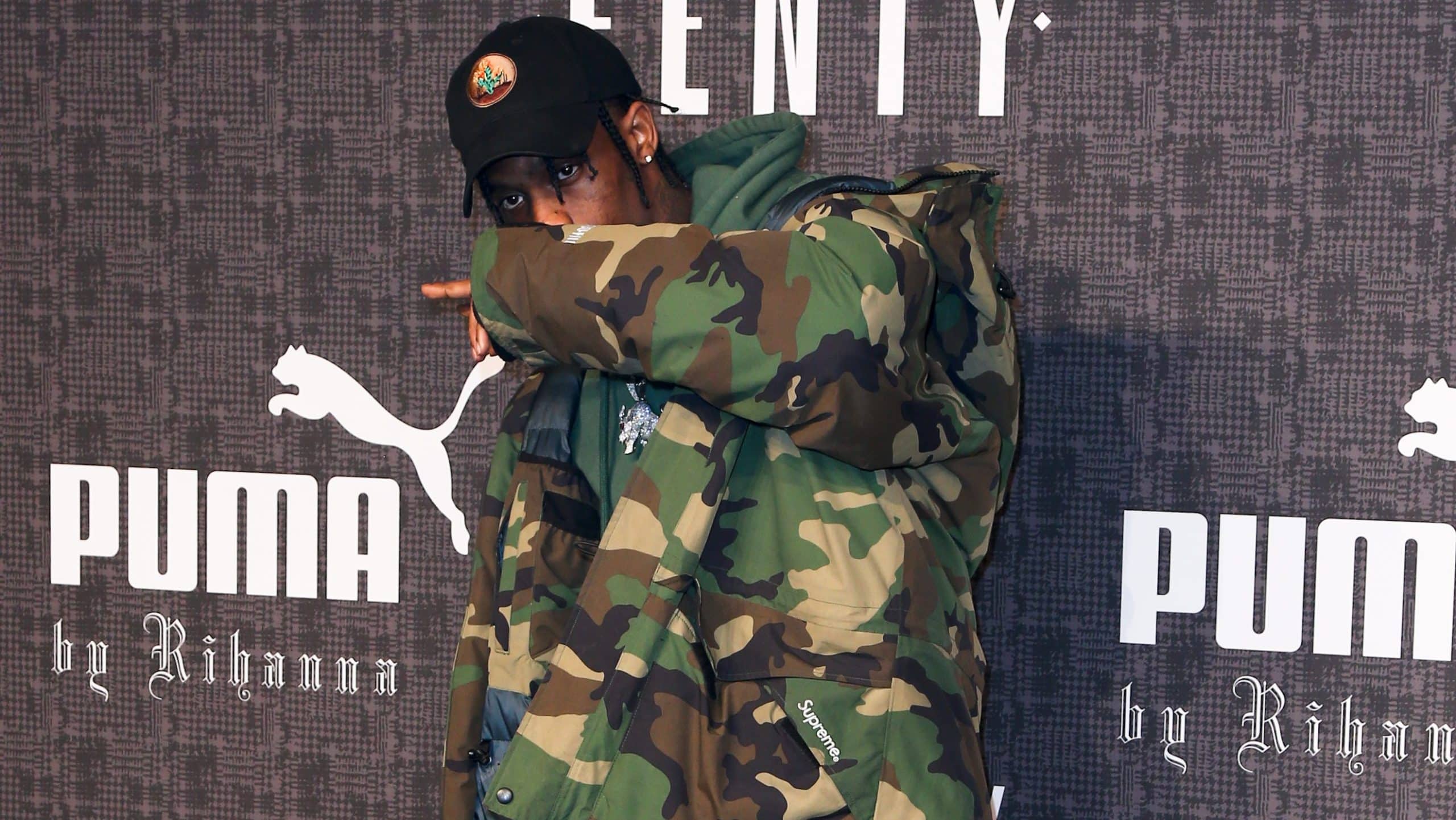
That pivotal period arrived in 2013, as Atlanta’s own T.I., rapper and founder of Grand Hustle Records, stumbled upon one of Scott’s videos, titled “Lights (Love Sick)”. While in Los Angeles, a representative of T.I. got in touch with Scott, requesting his presence at a studio meetup that changed his career for the better. Shortly after, Scott began work on his first official solo full-length project. However, this process proved to be unstable as well. The mixtape stalled, changed direction, and was repeatedly reworked.
With contributions from Kanye West and Mike Dean, the tape was completely reformed with a more directional approach. During the build-up, Scott released tracks like “Blocka La Flame”, “Quintana”, and “Upper Echelon”. He was also announced as an XXL Freshman around the same time. In May of the same year, Scott finally released the long-awaited Owl Pharaoh.
Following the release of his second mixtape, 2014’s Days Before Rodeo, Scott revealed he would be headlining his first-ever tour, The Rodeo Tour, with Young Thug and Metro Boomin. A year later, his first studio album, Rodeo, arrived, kicking doors down with its moody, theatrical vibe. It debuted at #3 on the Billboard charts, featuring guest appearances from Quavo, The Weeknd, Justin Bieber, and others. Scott said he felt the title reflected his hectic life at the time, comparing it to holding on to a bucking animal. Retrospective reviews have described the album as a classic, one that shaped the rap music of the 2010s with its polishing of the psychedelic trap sound.
2016-2018: The rapper’s continued rise
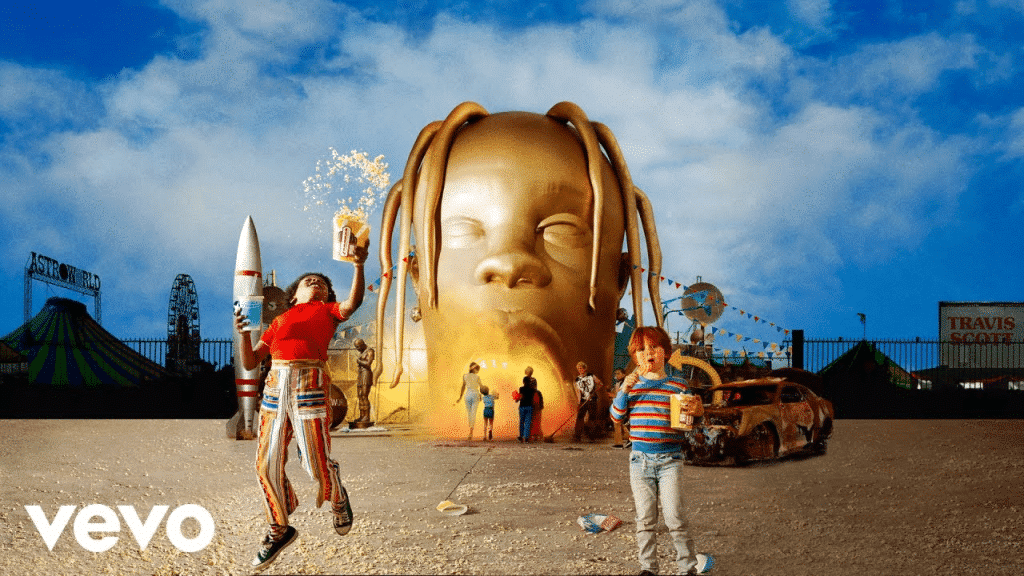
Scott built on the hype of his first major album release with Birds in the Trap Sing McKnight. This album contains Scott’s signature song, “Goosebumps”, and moved him from promising young artist to an emerging top-tier heavyweight in the rap genre. A few weeks after its release, the album became Scott’s first number one album on the U.S. Billboard 200.
Then came the longest break in between solo projects at the time for Scott, as Astroworld wouldn’t arrive until 2018. The album’s title is derived from a Six Flags amusement park that was previously located in Houston. Scott often visited the park, but it had now been closed for years. He used Astroworld as a metaphor for a trippy rollercoaster ride of his own. Well worth the wait, the album was released in August and sold 537,000 album-equivalent units in its debut week, making it one of the biggest hip-hop debuts of the decade.
2019: Brand expansion & Utopia
Rather than operating only as a recording artist, Scott’s career developed into a full-blown brand expansion. Music, fashion, gaming, and more began to represent the foundation of a broader creative network, a singular identity. At the center of this transition was Cactus Jack, which evolved from a record label and music publishing company into a complete creative multimedia empire. Instead of existing solely to introduce new artists, it became an imprint for forming aesthetic direction throughout various projects. This represented a move toward worldbuilding rather than artistic trajectory; it extended Scott’s sonic palette and visual identity into a broader cultural model.
Outside of music releases, Scott’s influence grew through large-scale collaborations, often blurring the line between branding and cultural events. His partnership with Nike since 2017 has turned sneaker drops into global anticipation cycles, while his McDonald’s collaboration converted a fast-food meal into a viral frenzy that solidified his ability to popularize consumer culture.
In 2020, Scott connected with Fortnite for a virtual concert that pushed this talent further into digital media. The event brought in over 27 million viewers while propelling a collection of purchasable in-game items. It also unveiled a Kid Cudi collaboration, “The Scotts”, which became Scott’s third U.S. number-one single.
By the time his next effort, Utopia, arrived, it no longer functioned as a standalone project in the conventional sense. Instead, it was positioned as the latest output of an already established system—one where Scott was not just releasing music, but continuously expanding a controlled, multi-platform creative universe.
Latest collabs & album title tease
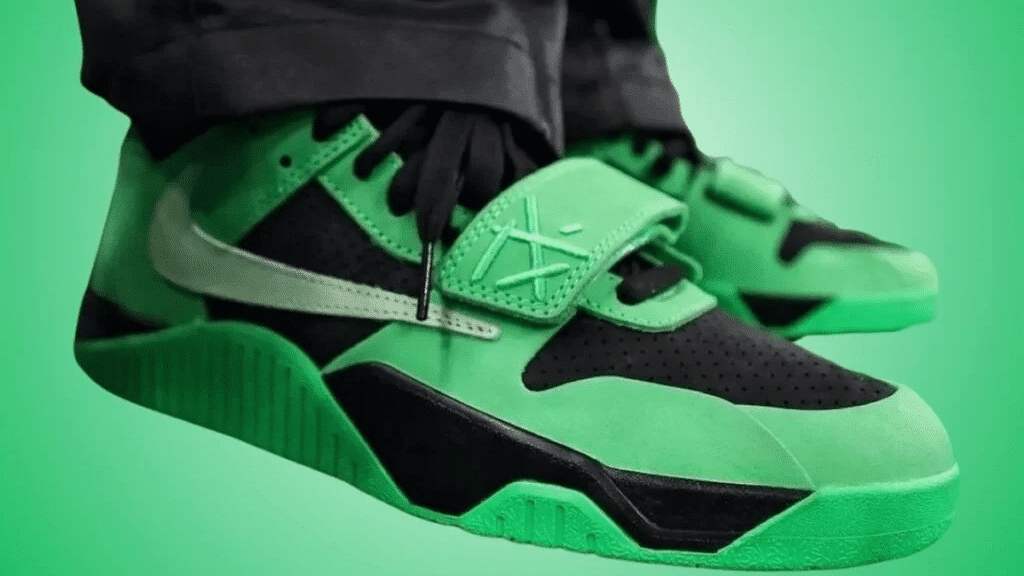
As of 2026, Scott recently celebrated the release of his long-anticipated latest sneaker, the Travis Scott x Jordan Jumpman Jack “Green Spark”, with fresh merch to promote the drop as well. Then, just a few days later, his Cactus Jack brand debuted a surprise collaboration with SpongeBob. This follows Scott’s notable appearance at the Fanatics Flag Football Classic, during which he teased fans with a potential clue regarding his next project’s title. He signed a fan’s notebook with the message “New album otw”, with ten letters underneath it, hangman style. While not much, it’s certainly reasonable to suspect Scott is quietly building hype for the follow-up to Utopia.
Rarely do these appear as part of traditional rollouts. No official announcements. No formal press runs. Scott instead operates in flashes. Yet each move keeps his name circulating without having to constantly feed fans new music material. At a time defined by minuscule attention spans, Scott pushes anticipation itself into an event of its own. Even in utter silence, he dominates conversation.
Why Travis Scott fits the “Rap’s Last Superstar” tag
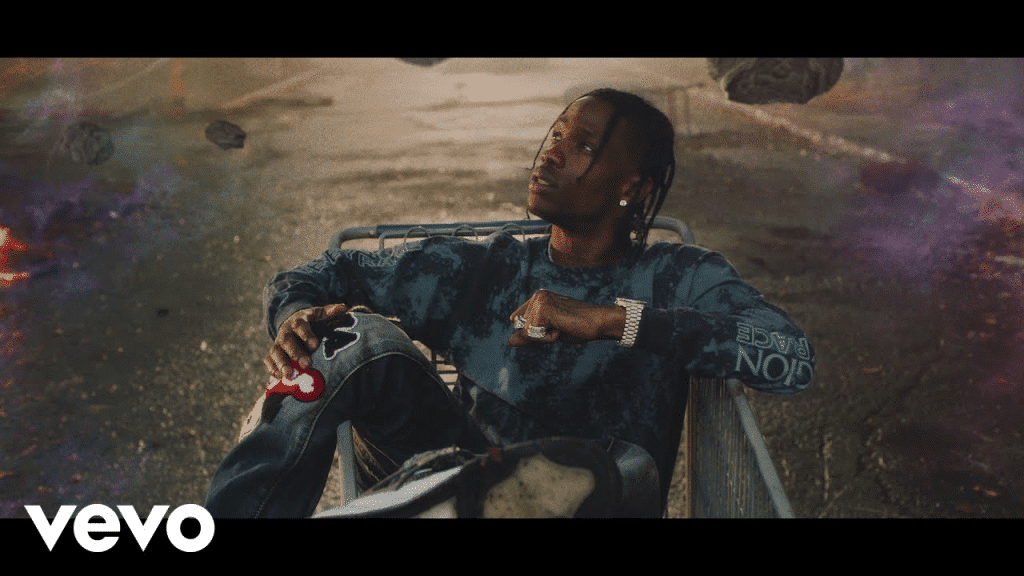
Times have changed, the algorithm is crowded, and “superstars” have shrunk from what they once meant. But never has Scott; he has stretched far above the imaginable. Nike shoes that vanish when dropped, brand collaborations that feel more like global events than advertisements, and a continuous flux of hints and snippets. Scott doesn’t just release music, he architects anticipation.
Somewhere along the line, the artist became not a product, but a world. The songs still came, but along with them, entered systems. No longer just hype, but gravity.
This is what sets Scott apart. Lil Uzi Vert heavily relies on online engagement, conversing with fans through social media apps like X. Playboi Carti leads his own version of the hype through his Vamp/punk/Opium aesthetic. These are just features, but Scott expands the scope by equally combining music with fashion and fan engagement. This is how Scott makes the argument: noisy, a little hostile, and impossible to evade, as rap’s last true superstar.
What are your thoughts on Travis Scott or the rap genre’s current offerings? Agree or disagree?
For those unfamiliar with Scott’s work, feel free to listen to this short playlist below and indulge in his constantly evolving sound.