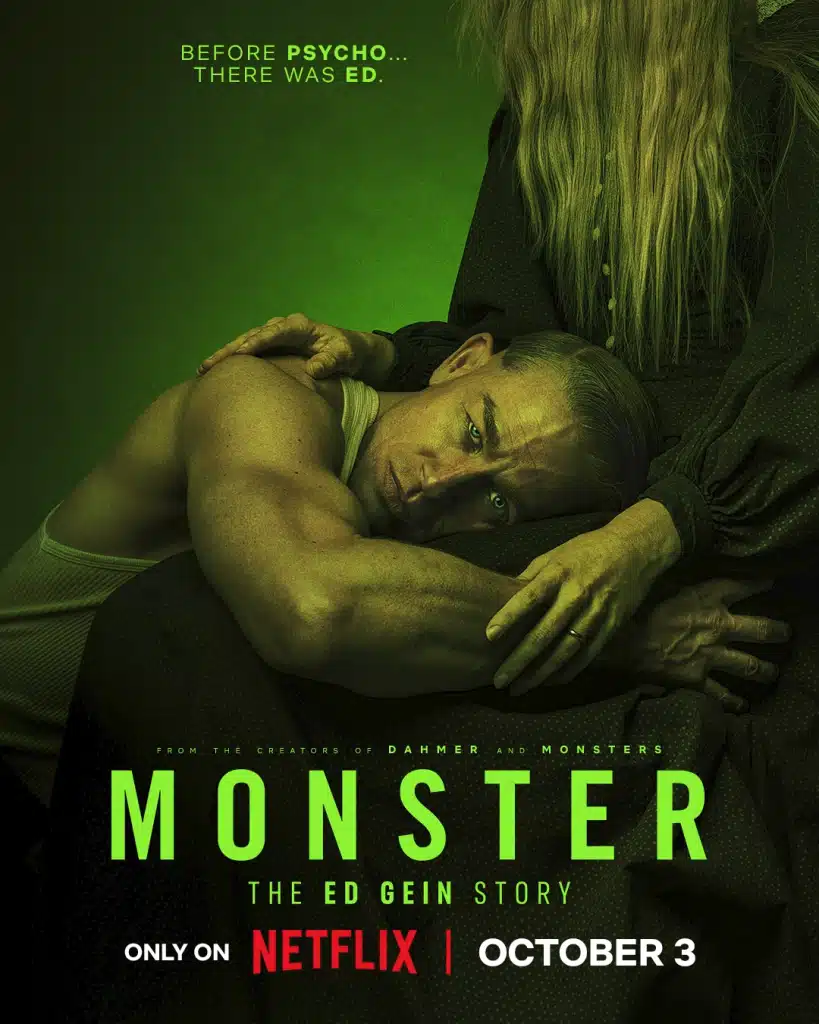
Ed Gein’s true story is the topic of Netflix’s new season of their hit crime drama Monster. Gein, known as the Plainfield Butcher, committed horrific crimes and inspired some of the horror genre’s most terrifying villains. Let’s go over everything you should know about IRL Gein’s story, and how it applies to the series’ portrayal.
Overview
Netflix’s Monster is a crime drama and biography of monstrous figures in history.
The first season covered Jeffrey Dahmer, and the second season centered on the Menendez brothers.
Additionally, both seasons received award nominations and high streaming viewership.
Gein was a serial killer active in Wisconsin during the 1950s who influenced many horror icons’ on-screen horror personas.
This influence will be an aspect of the series, as one of the characters in the series is Alfred Hitchcock.
The new season premiered on October 3rd, with showrunners Ryan Murphy and Ian Brennan as showrunners.
Monster: Ed Gein’s True Story
Edward Gein (1906-1984) was a serial killer and grave robber from Plainfield, Wisconsin, who was caught in 1957.

Authorities discovered exhumed corpses, which had been mutilated, in his home.
Gein, who grew up with an older brother, was the son of an alcoholic father and a fanatically religious mother.
When growing up, Gein was isolated and rarely left their rural farm, other than for school.
Gein’s father died in 1940 without any suspicious circumstances.
However, his brother died in 1944 from a fire, which has led to conjecture that Gein could’ve been responsible.
Once arrested, Gein confessed to the murders of Mary Hogan and Bernice Worden.
It’s possible he had more victims, and the series will explore at least one of the alleged victims.
Before she died in 1945, Gein was especially devoted and obsessed with appeasing his mother.
The death of his mother contributed to a downward spiral in mental health.
In this time, Gein had his morbid fascination with the anatomy of corpses.
Initially, Gein was deemed unfit to stand trial; however, he eventually received a guilty verdict.
Gein was confined in a mental health facility, where he stayed until dying in 1984.
Being an infamous figure of true crime, Gein had fanatics travelling to take pieces of his gravestone as souvenirs.
The gravesite received these frequent visits before one day the whole gravestone was stolen, leaving the site unmarked to this day.
Cast & Characters of Monster
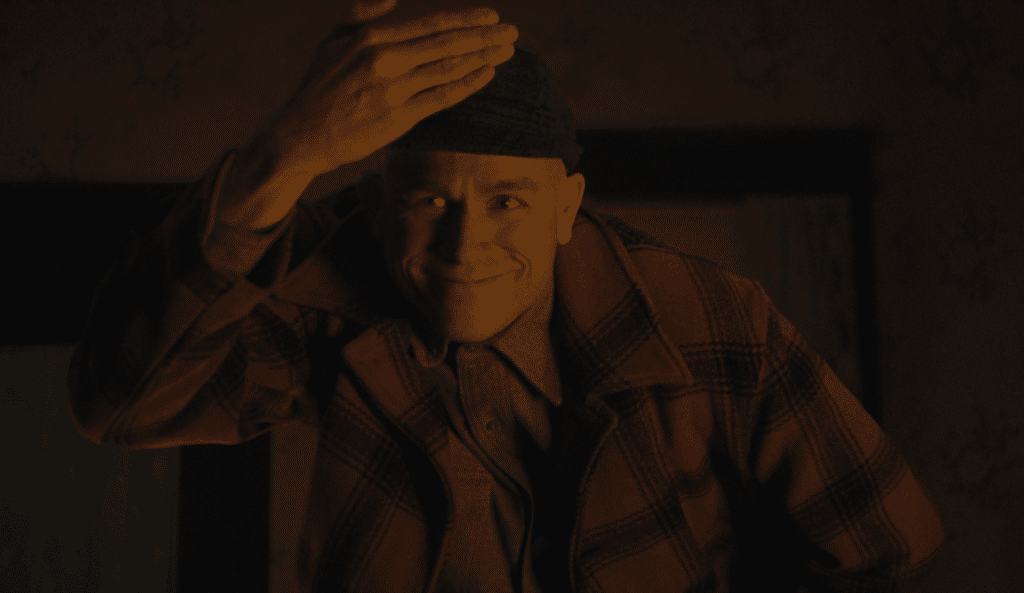
Charlie Hunnam as Ed Gein
Hunnam, known for Sons of Anarchy, is playing the titular monster.
The audience can expect the actor to fully transform and terrify them with an unnerving performance.
“I wanted to get as close as possible to who Ed was, to do him justice, and for this thing to feel authentic,” Hunnam told Netflix’s Tudum.
Monster co-creator Ryan Murphy was responsible for this casting choice after seeing a paparazzi photograph of Hunnam where he thought the actor seemed haunted.
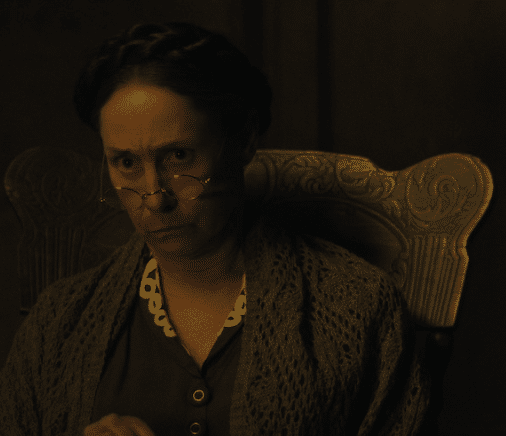
Laurie Metcalf as Augusta Gein
Metcalf, an Academy Award-nominated actress, will play the role of Gein’s mother.
Viewers can expect Augusta to appear in the reality of the show’s world and inside the mind of Hunnam’s Gein.
Gein’s mother was a religious woman who preached heavily to him, which contributed to an unhealthy obsession of his mother.
Suzanna Son as Adeline Watkins
Adeline Watkins was the long-time girlfriend of Gein, who nearly married him.
Watkins described Gein as a sweet and kind man.
Suzanna Son, known for the recent horror film Fear Street: Prom Queen, will play the role of Watkins.
There isn’t much known about Watkins, and it will be interesting how the series decides to portray her relationship with Gein.
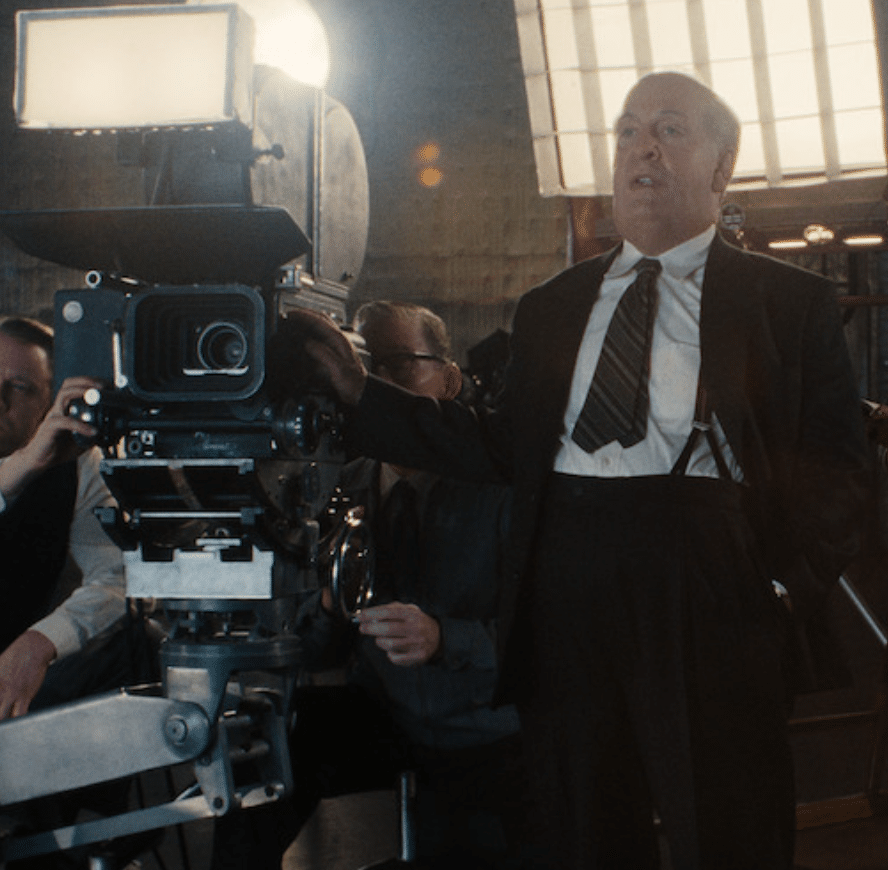
Tom Hollander as Alfred Hitchcock
Hollander, a prolific actor on both stage and screen, will play the master of suspense Hitchcock as the series covers the media obsession with Gein.
The question is how this season will cover the biography of Gein, as well as include real-life figures from the time who didn’t have direct interaction with his crimes.
Other real-life figures to appear in the series that have an even lesser connection to Gein include psychoanalyst Dr. Mildred Newman and singer Enid Watkins.
Olivia Williams as Alma Reville
Reville was a writer who was Hitchcock’s wife and was responsible for helping craft many of his films without the same level of recognition that he received.
Williams, known for The Sixth Sense, will bring Reville’s accomplishments to the light.
The series will hopefully give the talented writer the credit she deserves for contributing to Hitchcock’s success.
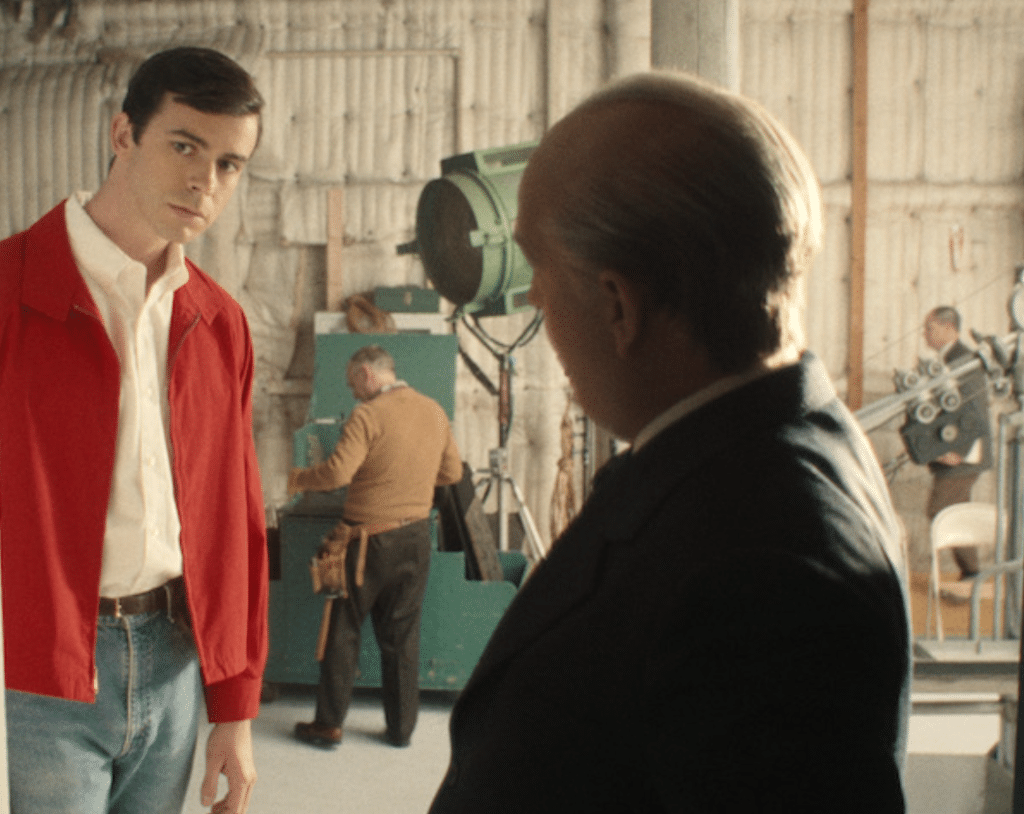
Joey Pollari as Anthony Perkins
Pollari’s credits include Love, Simon, and fellow crime series, American Crime.
Here, the actor will portray the actor Anthony Perkins, who portrayed Norman Bates in Psycho, which took inspiration from Gein’s relationship to his mother.
It’s unclear how large this role will be, and if the series will explore Perkins’ sexuality or life outside of his role in Psycho.
Will Brill as Tobe Hooper
Hooper is the director of The Texas Chainsaw Massacre, another film inspired by the case of the Plainfield Butcher.
Brill is best known for his stage acting and his performance in the Netflix series The OA.
The Texas Chainsaw Massacre is a horror film known for being a product of its time by commentating on violence in society.
The inclusion of these different artists and cultural figures from the time might signal that the series could comment on Hollywood’s habit of sensationalizing real-life horrors, which would be ironic for the series to do.

Addison Rae as Evelyn Hartley
The TikTok star-turned-actress/pop star will have a small role as Evelyn Hartley.
Hartley was a missing case alleged to be one of Gein’s victims, but there is no confirmation.
Monster: The Ed Gein Story is utilizing its creative freedom to attach this case to that of Gein and craft its own narrative.
Monster: Ed Gein’s True Story Inspired Horror Icons
The Ed Gein case was an inspiration for some of the most infamous killers in horror genre history.
Each film took its own piece from the story to build its own movie monsters.
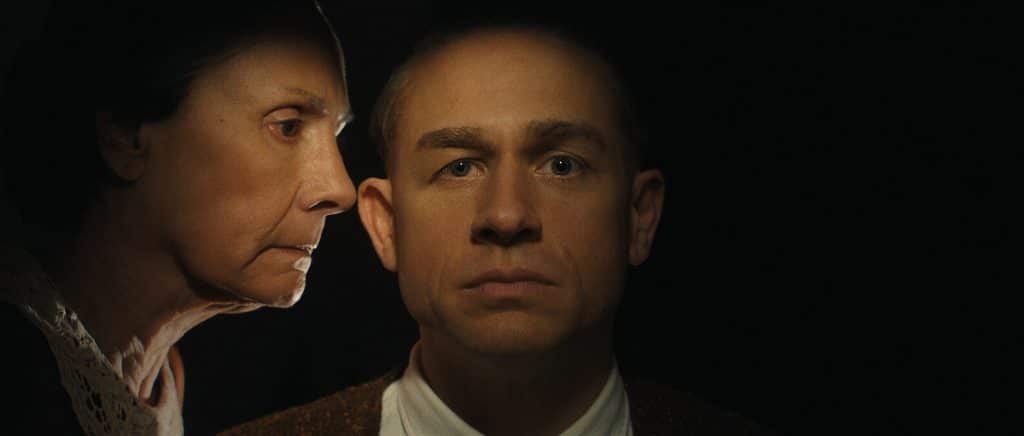
Based on the fact that real-life figures have been cast in the series, Monster: The Ed Gein Story will be covering how he impacted culture.
It remains unclear how the show will handle these characters and what kind of statement they will make on Gein’s influence in horror media and society at large.
Psycho (1960)
Psycho was the original piece of media to loosely take inspiration from the Gein case, and it originally started with the 1959 novel by Robert Bloch.
Bloch lived in Wisconsin at the time of Gein’s crimes coming to light, and took his strange relationship with his mother and affinity to wear women’s clothing to build the character of Norman Bates.
The author’s experience witnessing the real-life case unfold in a rural area, where everyone was fearful of possibly living next to an unassuming murderer, inspired the setting of Psycho.
The film has since spawned sequels and prequels based on the disturbed relationship that Norman Bates had with his mother.
The Texas Chainsaw Massacre (1974)
The next film loosely inspired by Gein was The Texas Chainsaw Massacre.
Tobe Hooper, who will appear in Monster, directed this film which originated the main villain Leatherface and his cannibal family.
Leatherface and his family snatched corpses from the graveyard using them to fashion pieces of furniture and eerie sculptures.
In relation to the real case, Gein used the corpses he stole from graves and his victims to create keepsakes out of bone and skin.

The Silence of the Lambs (1991)
In The Silence of the Lambs, the fictional killer Buffalo Bill kidnaps and skins his victims to make a women suit.
The Gein case directly influenced the skinning aspects of the Buffalo Bill character.
Gein’s removal of skin from victims and exhumed corpses inspired Buffalo Bill’s fascination with a skin suit and Leatherface’s face masks.

Ethical Implications of Monster
The Monster anthology series has received criticism for how it sensationalizes killers and carelessly represents them, sometimes sympathetically, without regard to their victims.
“It’s tackling very difficult subjects and I think a lot of people are uncomfortable with that. They look at anything that dares to talk about something, and they get confused as to whether [the series] is condoning and it’s not. It’s merely asking the question. This season really holds a mirror up to people and to society, and it makes a lot of people uncomfortable — I think it’s good that they’re uncomfortable.” (Ryan Murphy, Netflix’s Tudum)
Monster co-creator, Ryan Murphy, spoke on the controversy of the series in general terms without taking a strong stance or addressing many of the concerns brought by the series’ detractors.
Murphy and other creatives behind the series want to paint their storytelling as objective but then will go and tell a narrative based off conjecture.
Not taking a position is still making a statement, and these glorifications of infamous killers can be harmful to the victims of their crimes and dangerous to put out into the cultural zeitgeist.
Past seasons have had controversies including inaccuracy of facts and the exploitation of tragedy.
Even though this case is a little farther back in history than the first two seasons, viewers can still expect heated discussion about the handling of Ed Gein’s story.
A fourth season of the Monster anthology has already been greenlit and will focus on the case of Lizzie Borden, which will be the first time a female “monster” is the focus.