A lot of talk has swirled around online about the phenomenon known as superhero fatigue. Many critics have stated the current output of superhero media will soon leave general audiences tired of the genre.
For several years now, the term “superhero fatigue” has flown around in the conversations of both film enthusiasts and media entrepreneurs. I remember seeing journalists from reputable outlets saying audience burnout was imminent since circa 2015. So, for a decade, naysayers have counted down the impending doom of the genre. A doom that, so far, has never arrived.
In my opinion, it’s sort of like the infamous doomsday clock: each day the clock moves one minute closer to midnight, but midnight simply never comes. The doomsday clock has been part of the public’s imaginary since the 1970s (at the height of the Cold War), but doom itself has (luckily) never arrived.
Does this mean it can’t happen? Definitely not, but it hasn’t happened in all these years. At least not yet.
I know this is a gloomy metaphor, but I feel it is applicable to the discussion here.
Superhero media in 2025
Is the current output of superhero media too high? Sure. I think even the most optimistic superhero fans can agree on this.
2025 so far has seen four superhero wide-releases in theaters: ‘Captain America: Brave New World’, ‘Thunderbolts*’, ‘Superman’ and ‘The Fantastic Four: First Steps’. If we count TV series, this tally goes up to 11 projects (both upcoming and released). This figure only accounts for Marvel and DC releases in 2025, and doesn’t include releases from other studios like ‘The Toxic Avenger’ remake hitting theaters on Aug. 29.
For most, these are still far too many projects. Even Disney CEO Bob Iger seems to agree.

In our zeal to flood our streaming platform (Disney+) with more content… we turned to all of our creative engines, including Marvel, and had them produce a lot more… quantity does not necessarily beget quality.
– Bob Iger during Disney 2025 Q1 earnings call with investors. (Comic Book/Cade Onder)
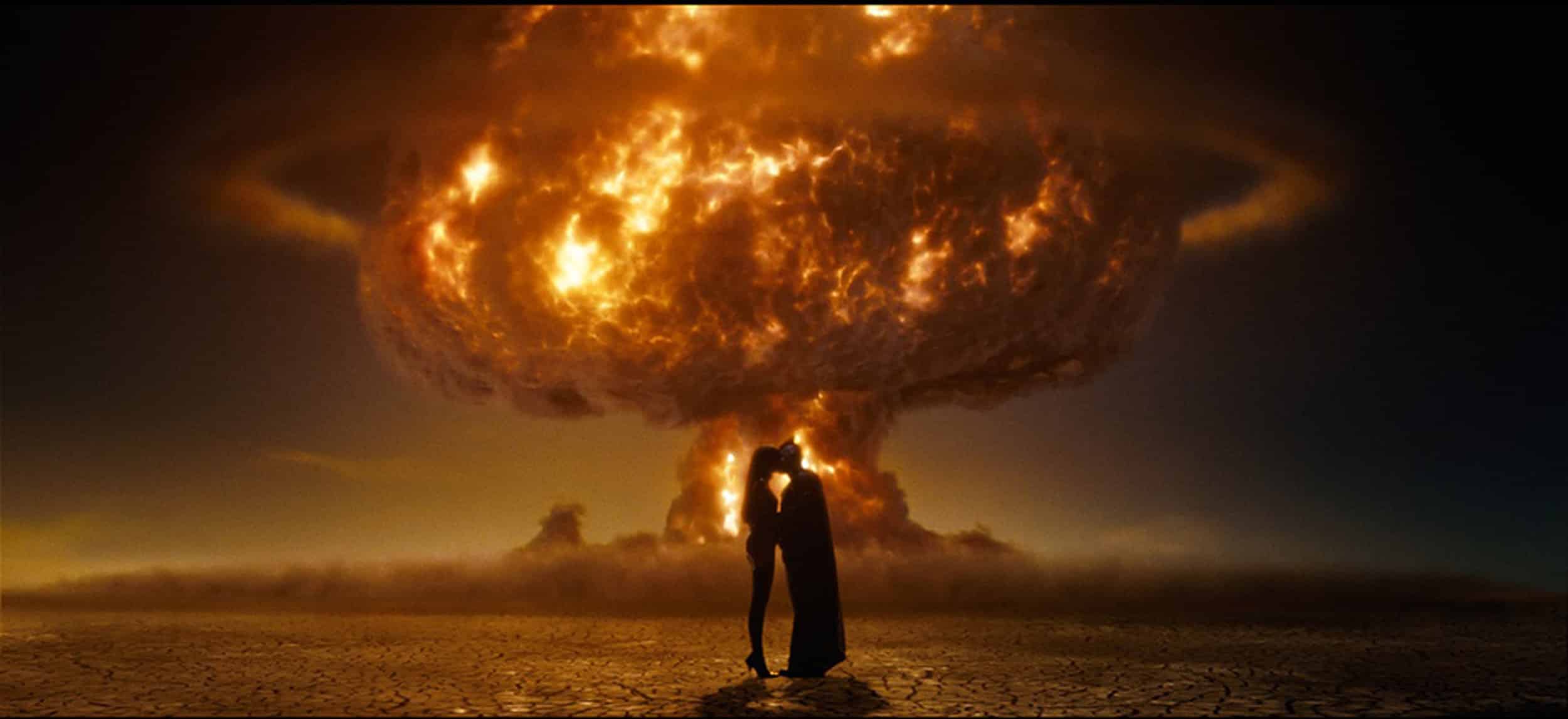
Going back to this year’s four superhero theatrical releases, I feel it’s safe to say only one was received negatively: ‘Captain America: Brave New World’. The other three currently all have critic and audience scores of over 80% on Rotten Tomatoes, and also possess the much-coveted “Certified Fresh” label.
This means most Marvel and DC 2025 wide-releases were received extremely positively. Box office results did not match the previous years’ successes, but the total output of projects was significantly lower as well.
If you want a more in-depth look at this year’s releases, my colleague Joshua Nola has rated them in this Trill Mag article.
In 2014 alone, there were four Marvel films (accounting for a Fox and a Sony release each). In 2023, DC matched Marvel’s record, with four movies in theaters as well. Perhaps 2025’s lower output reflects an industry trend of focusing on quality over quantity, as Bob Iger pointed out.

James Gunn’s approach
Maybe the reason behind superhero fatigue lies not in the genre itself, but in the quality of the projects released instead.
– James Gunn during a June interview. (Rolling Stone/Brian Hiatt)
James Gunn is perhaps the most comics-savvy director in the industry. He is a verifiable comics geek and has directed countless superhero projects. His filmography ranges from the ‘Guardians of the Galaxy’ trilogy over at Marvel to this year’s ‘Superman’, 2021’s ‘The Suicide Squad’ and the HBO Max series ‘Peacemaker’ at DC (Season 2 releases this Thursday). All of these projects were hits, highly rated among audiences and critics alike.
Gunn took over the role of DC Studios CEO alongside producer Peter Safran in 2022, aiming to revitalize the storied publisher’s reputation to better compete with Marvel.
I think there is such a thing as superhero fatigue. But to me, it doesn’t have anything to do with superheroes. It has to do with the kind of stories that get to be told, and if you lose your eye on the ball, which is character. We love Superman. We love Batman. We love Iron Man. Because they’re incredible characters that we have in our hearts. And if it becomes just a bunch of nonsense on screen, it gets really boring.
– James Gunn during a June interview. (Rolling Stone/Brian Hiatt)
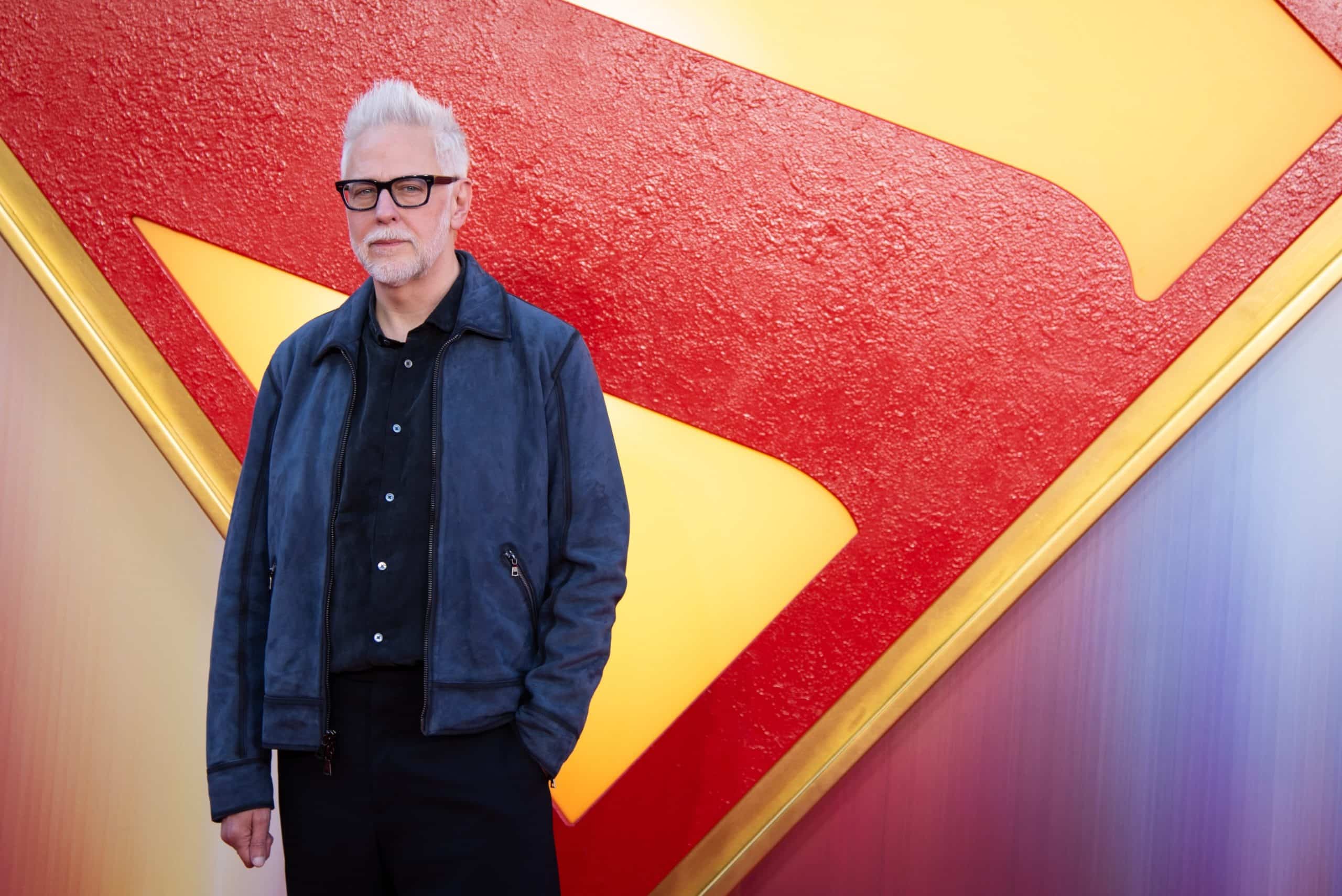
Gunn has repeatedly stated his approach as DC Studios co-CEO will be focused on quality-first by ensuring scripts are ready before anything gets greenlit.
Only greenlighting projects after scripts are ready and approved may seem like common sense, but this is not always the case in Hollywood. As any amateur filmmaker or even casual cinephile will know, a screenplay is the foundation of a film. It’s rare that a movie be well received if it underwent constant rewrites during production.
How can you build a structurally-sound house without the basic foundation that holds the bricks up?
One of the most common issues with any screenplay is the third act. If you have ever tried your hand at writing non-fiction (be it a short story, novel or screenplay), often the hardest part to land is the ending. With movies, if the script isn’t even finished by the time production starts, the third act is the section that will most likely suffer the most.
This is why superhero movies (and blockbusters in general) often have weak third acts. Writers mistake huge action set pieces like team-up battles and alien invasions for conclusions with real depth and meaning for the characters.
Audiences are not dumb. Scale and action are not as important as having a coherent and engaging story.
I do believe that the reason why the movie industry is dying is not because of people not wanting to see movies. It’s not because the home screens are getting so good. The number one reason is because people are making movies without a finished screenplay.
– James Gunn during a June interview. (Rolling Stone/Brian Hiatt)
Other opinions
While Gunn is knowledgeable enough to know what he’s talking about, his opinions are not unanimous. Some feel that superhero movies need far larger changes, while others think the genre itself should be downsized or scrapped altogether.
Filmmaking icon Martin Scorsese famously compared Marvel movies to theme parks, stating they aren’t real cinema. In a 2019 op-ed for The New York Times, he expanded his thoughts. Scorsese stated the main problem with the film industry today is the “elimination of risk”.
Many films today are perfect products manufactured for immediate consumption. Many of them are well made by teams of talented individuals. All the same, they lack something essential to cinema: the unifying vision of an individual artist. Because, of course, the individual artist is the riskiest factor of all.
– Martin Scorsese for The New York Times. (The New York Times/Martin Scorsese)
He stated there’s a fundamental difference between “worldwide visual entertainment and cinema”. This is what he means by real cinema: an authentic piece of art by an individual versus “market-researched, audience-tested, vetted, modified, revetted and remodified” films which are, by nature, business investments.
The situation, sadly, is that we now have two separate fields: There’s worldwide audiovisual entertainment, and there’s cinema. They still overlap from time to time, but that’s becoming increasingly rare. And I fear that the financial dominance of one is being used to marginalize and even belittle the existence of the other.
– Martin Scorsese for The New York Times. (The New York Times/Martin Scorsese)
While this is a very pessimistic view of modern cinema, perhaps the key takeaway here, in Scorsese’s words, is the overlap of “audiovisual entertainment” and “cinema”. The industry has to find a way to produce commercially viable films that are also “real cinema”: authentic, original and engaging films.
In this vein, others are (a little) more hopeful towards the current state of the film industry. Mattson Tomlin, co-writer of the highly anticipated ‘The Batman Part II’, expressed his views about superhero fatigue on X/Twitter.
The solution
With so many different viewpoints, it’s hard to say there’s a single true solution to superhero fatigue. And, if there is one, would it be viable at all?
Perhaps the solution is a mix of what all these important figures have said (Bob Iger, James Gunn, Martin Scorsese, Mattson Tomlin).
Adapting the source material and staying true to it while also making commercilly viable but authentic cinema.
Filmmakers have to find a way to conform to studio demands while also keeping true to their individual voice. This is easier said than done, but it could lead to better films, both in the superhero genre and in the blockbuster sphere overall.
Another approach could be to pivot a little when it comes to the source material. While we all love Superman, Batman and Spiderman, they have featured in countless movies in recent years. Focusing on new (by which I mean unadapted) characters and stories could be a better option.
Comic books are a rich and storied medium, with stories that span countless genres. Superhero stories aren’t the only ones waiting to be told.
Marvel and DC, while historically dominating the medium, aren’t the only publishers out there. Image, Dark Horse and Dynamite are all important players, often publishing far more authorial stories. Even DC, through its ‘Vertigo’ imprint, has published many seminal stories outside the cape-and-cowl genre.
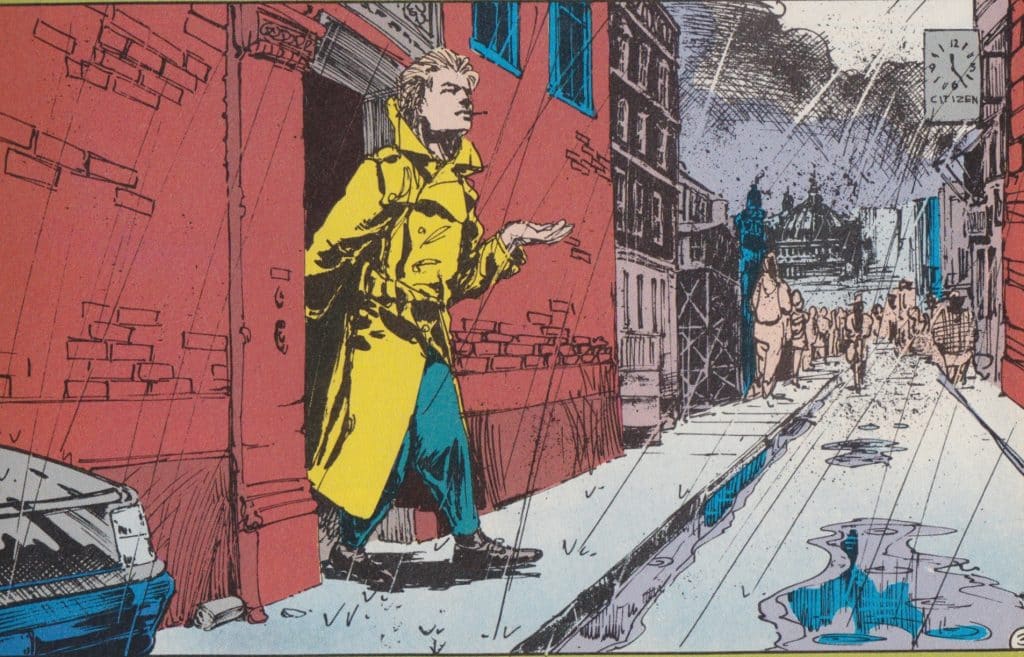
‘Hellblazer’ by Jamie Delano, Grant Morrison, Neil Gaiman, etc.
Follows “John Constantine”, a cynical, chain-smoking and satirical magician/occult detective/con man.
Stories blend horror, political commentary and urban fantasy, all the while exploring Constantine’s own vices and guilt.
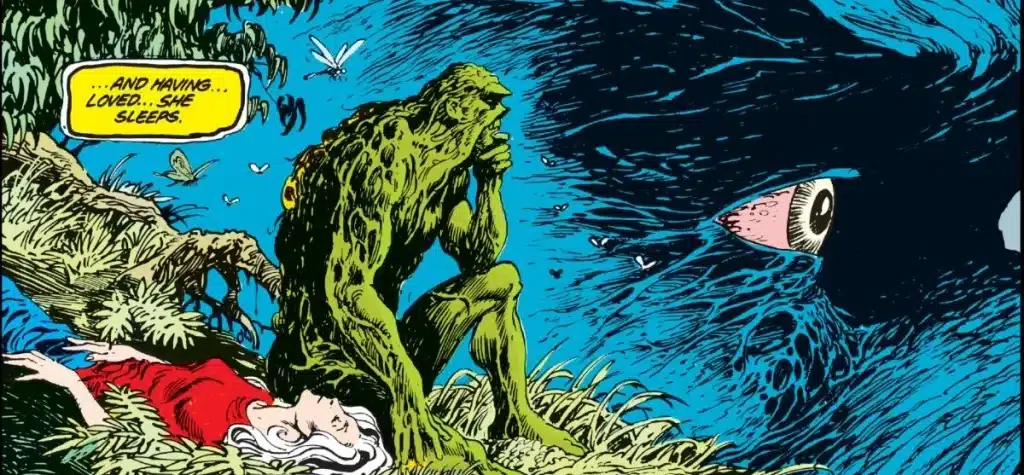
‘Swamp Thing’ by Alan Moore
Centers on “Alec Holland”, a scientist transformed into a living plant after a lab explosion. Don’t be fooled by the simple premise!
Moore’s writing is literary, poetic and philosophical, exploring both environmentalism and existentialism.
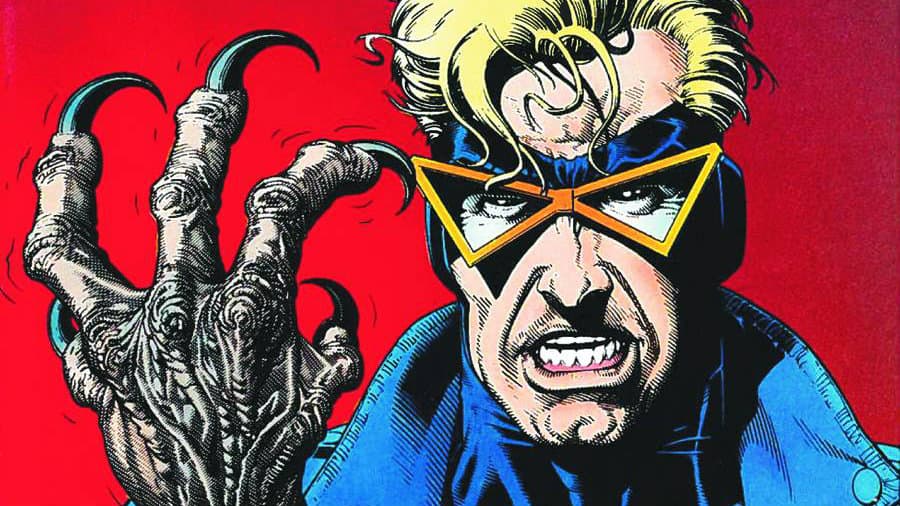
‘Animal Man’ by Grant Morrison
Chronicles “Buddy Baker”, a former stuntman who gains the ability of transforming into any animal.
Explores ecology and animal rights. Morrison breaks the fourth wall in a narrative that also tackles meta-fiction, openly acknowledging itself as fiction while commenting on its own construction and narrative.
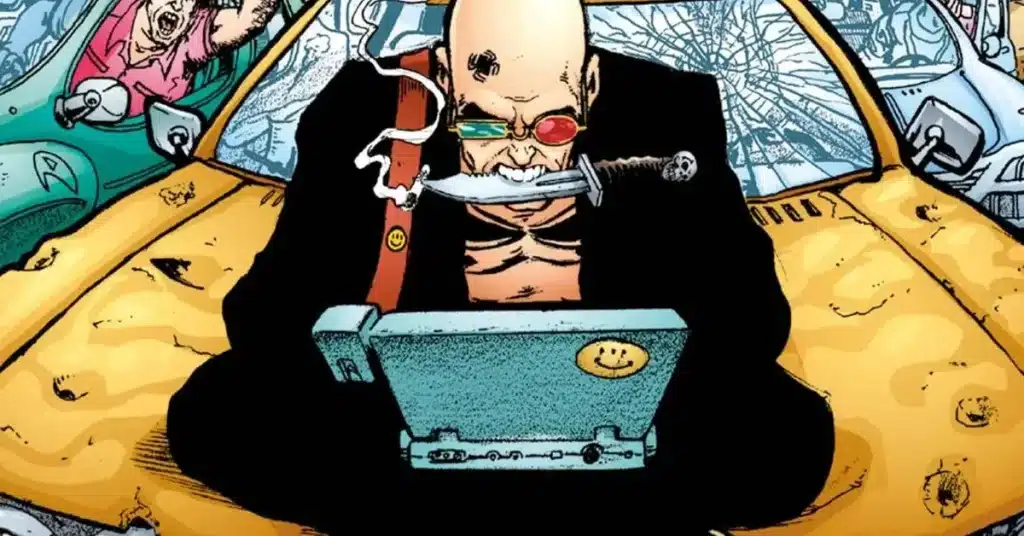
‘Transmetropolitan’ by Warren Ellis
Follows “Spider Jerusalem”, a foul-mouthed, drug-addicted gonzo journalist in a cyberpunk dystopian city.
Ellis’ acidic, prophetic writing explores journalism and transhumanism, the use of science and technology to enhance human physical and cognitive abilities.
All of these are examples of stories that are more than deserving of being re-adapted for new audiences. And there are countless more series like these!