


In today’s sports world, winning a championship ring is the ultimate stamp of greatness. No matter how skilled or dominant a player is, people still ask, “Yeah, but did they win a ring?”. It’s now the easiest way to judge careers, especially in the NBA. Even all-time greats like Chris Paul, James Harden, and Joel Embiid face constant criticism for what they haven’t won. But is that fair? When did a team accomplishment start defining individual legacy?
What is ring culture?
Somewhere along the line, that shiny championship ring turned into the ultimate flex in sports. It’s not just a trophy anymore, it’s like the official receipt for greatness. People throw it around like, “How many championships has he won?” That’s what ring culture is: judging players mostly by how many titles they’ve got on their fingers.
It’s the biggest in the NBA, no doubt. But it’s creeping into football, too. Stats, MVPs, the eyetest, none of that matters as much if you don’t have that ring. And suddenly, all the greatness boiled down to just one thing.
LeBron’s perspective
LeBron James has been one of the loudest voices pushing back against the whole “ring culture” obsession. On his Mind the Game podcast with Steve Nash, LeBron laid it out clearly:
“A ring is a team accomplishment, and if you happen to have a moment where you’re able to share that with your team, that should be discussed. But trying to nitpick an individual because he wasn’t able to win a team game, I don’t know where it started, but it’s a long conversation.”

He went on to call out how unfair it is to use rings as the ultimate measurement of greatness, mentioning legends like Allen Iverson, Charles Barkley, and Steve Nash — guys who never won championships but were still unbelievable players:
“You sit here and tell me Allen Iverson and Charles Barkley and Steve Nash f—ing weren’t unbelievable? Like, ‘Oh, they can’t be talked about with these guys because this guy won one ring or won two rings.’ It’s just weird to me.”
No one illustrates this debate better than Joel Embiid. A former MVP and leader of the Philadelphia 76ers, Embiid dominates on both ends of the floor with skill and confidence. Yet, despite his brilliance, he hasn’t been able to get past the second round of the playoffs, a championship hurdle that fuels questions about his legacy.

Over a decade earlier, LeBron’s first championship with the Miami Heat in 2012 changed everything. That victory silenced critics and elevated him to a new level of greatness.
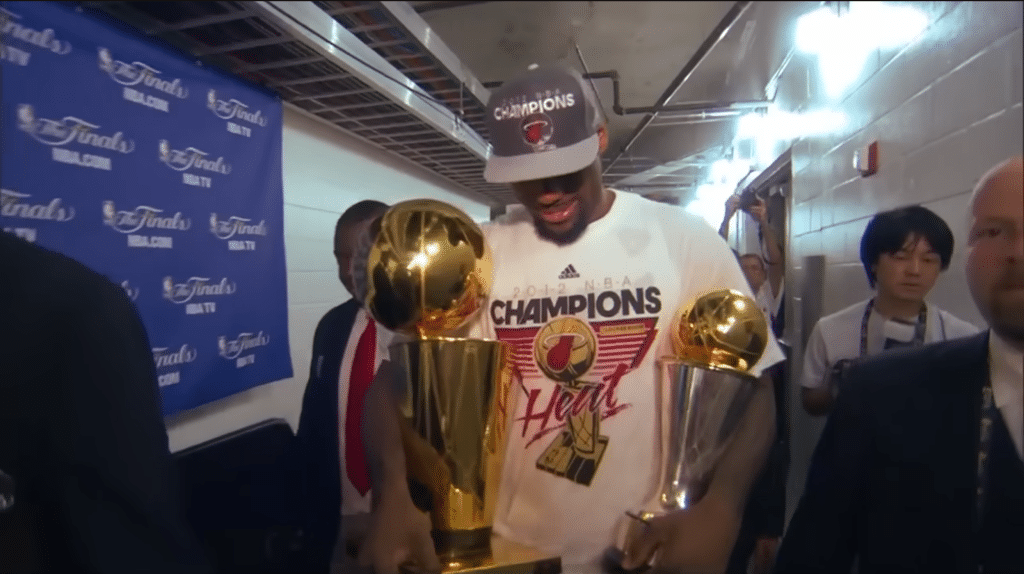
Even with multiple championships under his belt now, the conversation about rings still follows him. it’s not just LeBron. Plenty of all-time greats without rings are caught up in this debate. Their legacies constantly questioned because they didn’t check that one box.
The beard’s burden
In 2018, Harden claimed the league’s highest individual honor, winning MVP after carrying the Houston Rockets to the best record in the NBA at 65–17. Yet, even with one of the most decorated offensive games in NBA history, critics often downplay his legacy because he hasn’t won it all.
James Harden has one of the most decorated offensive résumés in NBA history, an MVP, multiple scoring titles, an assist crown, and one of the greatest single seasons we have ever seen in the modern era. He redefined how guards play the game, blending step-backs, foul-drawing mastery, and elite playmaking into a style that’s as effective as it is polarizing.
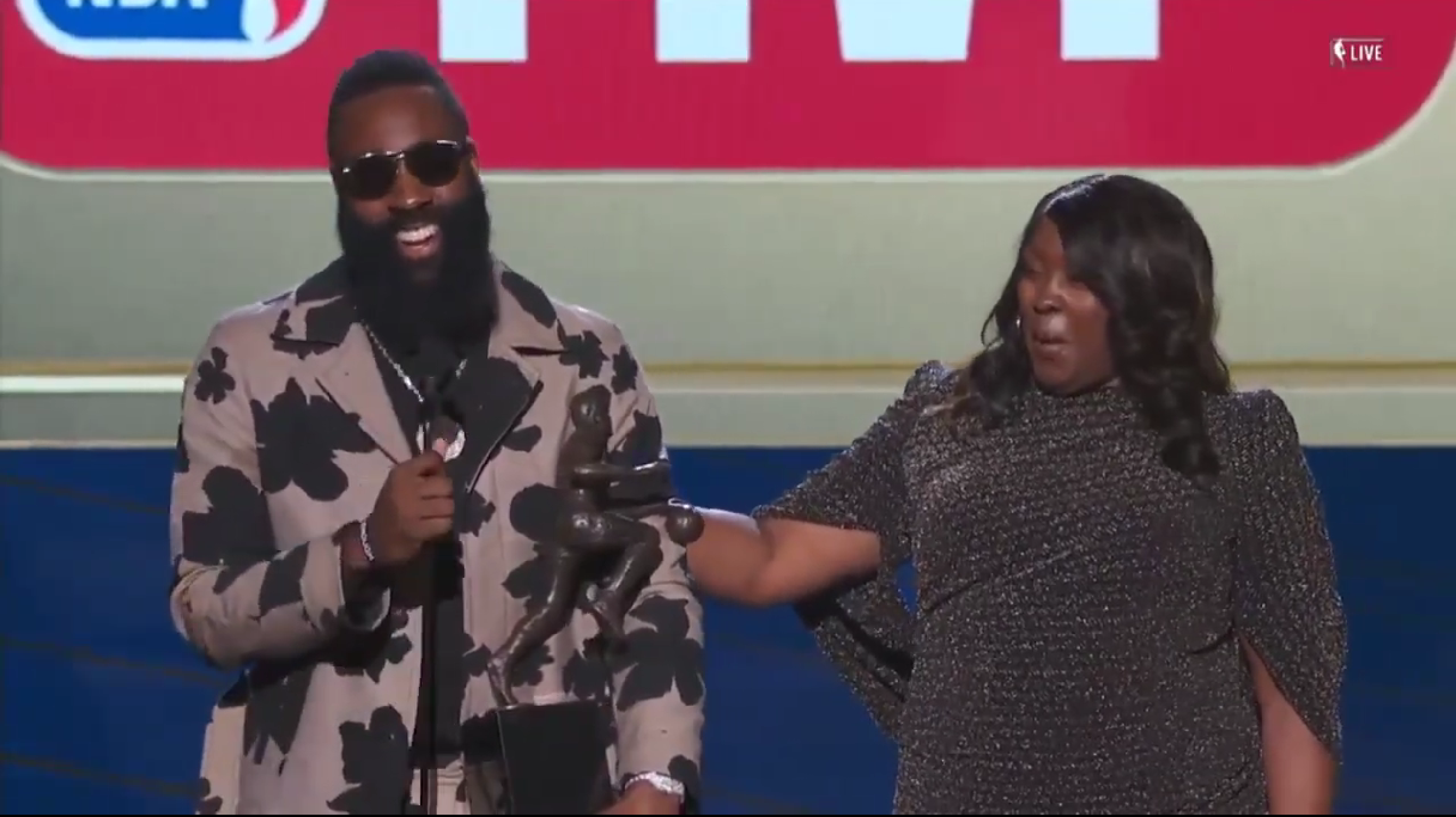
Harden is well aware of the noise, but he isn’t dwelling on it.
“I think, sooner or later, people will start to understand and recognize how hard I actually did work, and what I was able to accomplish throughout my career,” Harden told NBA insider Chris Haynes. “So, for now, just let them keep talking.”
In a league obsessed with rings, Harden’s career is a reminder that greatness isn’t always defined by a piece of jewelry. Still, until he wins one, conversations about his place in history will always come with an asterisk, fair or not.
Chris Paul: The point god without a crown
Chris Paul has the credentials of a surefire Hall of Famer, 12 All-Star appearances, nine All-Defensive Team selections, and a reputation as one of the smartest floor generals the game has ever seen. Yet, despite showing control and poise for nearly two decades, he has never captured a championship, coming closest in 2021.
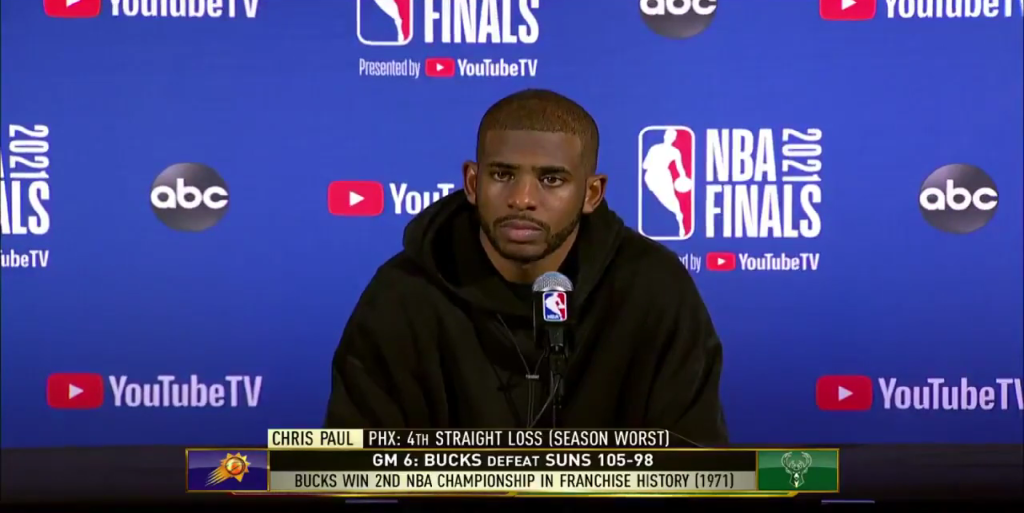
Paul has battled through injuries at the worst possible times: 2018 against Golden State, 2021 in the Finals, and several other playoff heartbreaks that have fueled the conversation about whether a ring defines a player’s greatness.
Now, with the Los Angeles Clippers reunited with former teammate James Harden, Paul’s career is in its twilight at age 40. The championship may never come, but he will leave a legacy as a point guard that endures long after the final buzzer of his career.
The case for rings
While it’s clear that rings shouldn’t be the only way we measure greatness, they do hold significant value. Winning a championship requires not just individual skill, but also the right teammates, coaching, and sometimes just luck.
That’s why players like LeBron James and Stephen Curry have their legacies uplifted by winning multiple titles. This emphasis on championships isn’t limited to the NBA; take Tom Brady in the NFL, for example. Is he really the GOAT if he hasn’t won seven Super Bowls? Probably not.
So, while the obsession with rings can sometimes overshadow individual brilliance, it’s understandable why championships remain a key part of the conversation when defining true greatness in sports.
At the end of the day, championship rings are just one part of the story. Greatness is a mix of skill, impact, leadership, and sometimes being in the right place at the right time. If we only focus on rings, we risk overlooking the players who changed the game in ways that can’t be measured by trophies alone. It’s time to appreciate the full picture.