Sportsbooks are profiting more than ever due to the legalization of sports betting on all sports across the country.
On October 23, 2025, the NBA released a statement regarding a player and a coach involved in illegal gambling scandals. Police arrested Miami Heat PG Terry Rozier in the process. Investigators are examining whether Rozier sent insider information to bettors in exchange for a share of the winnings. Rozier taking himself out of a game intentionally to make sure the bettors hit the unders on his prop bets raised many red flags.
On November 9, 2025, two pitchers for the Cleveland Guardians, Emmanuel Clase and Luis Ortiz, received indictments on wire fraud and conspiracy for rigging baseball games. The two pitchers allegedly conspired with bettors to place wagers on specific pitches they throw to be higher or lower than a certain MPH mark, or whether the pitch is going to be a ball or a strike. Ortiz and Clase used their mobile devices to contact the bettors during games to figure out the parameters.
Regulations on sports gambling prevented many people from betting, but there’s always a way around for some people. Organized crime was bound to get involved because the system is so easy to manipulate. While crime families went by more easily back then, suspicious gambling patterns in sports are increasing. The major leagues may not be as vulnerable as they were, but with this trend, more and more scandals will arise.
Sportsbooks: The Run Down

In the early 2010s, sportsbooks moved from in-person venues at Las Vegas hotels to mobile applications. In the years that followed, the NFL, NBA, NHL, and MLB jumped at the opportunity to sign endorsement deals with major sportsbooks. To excuse their cash grab, league executives described the endorsements as a way to protect the integrity of the game. In 2018, the Supreme Court overturned the 1992 precedent (Murphy vs. NCAA) that allowed only certain states to offer legal bets on major sports. The new ruling lifted the regulations for other states to offer wagers on major sports, leaving it to a vote. As of now, 38 states, in addition to Washington, D.C., and Puerto Rico, offer legal opportunities to wager.
Before the mobile era, brick-and-mortar sportsbook venues offered patrons a viewing experience with the option of wagering on live games. Whether mobile or in-person, most sportsbooks operate on a 10% vig, or commission on a losing bet, to make a profit. Most venues only provided limited options for what to wager on and very few promotions. A safe way to gamble, but the inconvenience of going in-person would not stand the test of time.
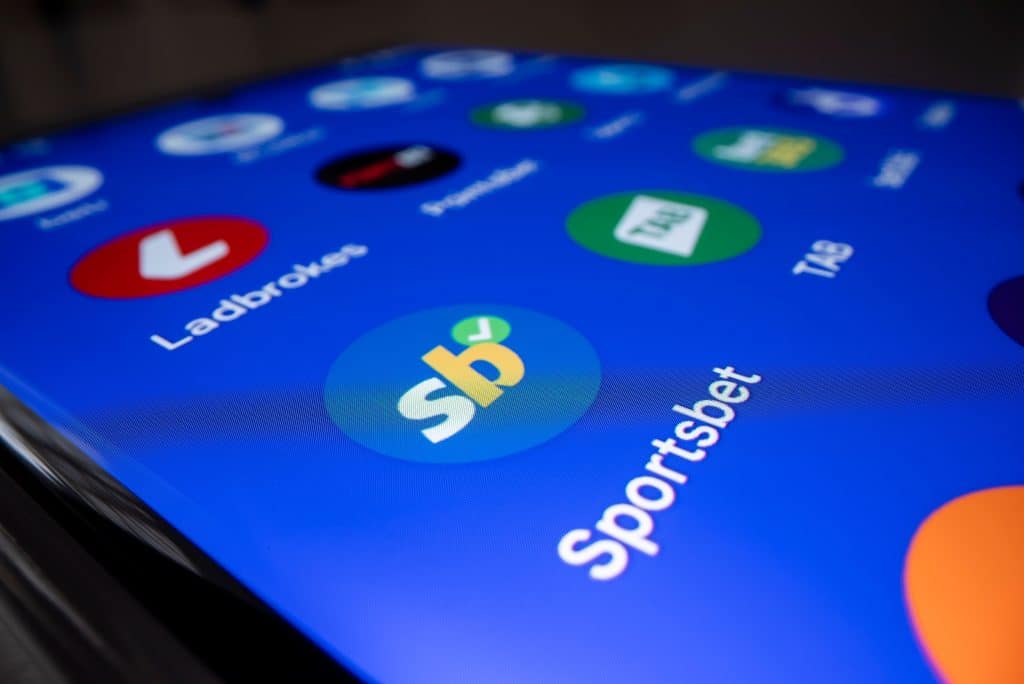
Now, depending on the state/country, mobile sportsbook users can make a bet from anywhere. Because sportsbooks partner with major leagues, users can browse thousands of betting options directly from their devices. Some regulations are still in place, but a user can deposit and wager an outrageous amount of money with the click of a few buttons. Sportsbook users are able to gain profit the legal way, but others find illegal shortcuts to cheat the system.
The Modern Era of Betting

The landscape of sports in the modern era is constantly evolving, and not always positively. Sportsbooks in particular are transformed, allowing for sports fans and bettors alike to wager at their fingertips. Thousands of possible outcomes are available for users of the many mobile apps out there, creating endless possibilities. Sportsbooks provide millions of dollars in support of the four major sports, driving advertising and offering deals to their users. However, there are loopholes in the system that allow people with bad intentions to cheat honest bettors. With tens of millions of users worldwide, sportsbooks’ integrity is threatened by illegal gamblers.

The sportsbooks are investing billions of dollars in these major sports leagues. The 2018 Murphy v. National Collegiate Athletic Association ruling, which allows states to vote on whether to legalize betting, is a significant reason why sportsbooks are more involved in the major leagues. What the leagues thought would maximize profits might turn out to be a curse. Sportbooks took the deal and ran with it, as they were now allowed to offer any kind of bet, no matter how big the outcome, to their millions of users. The opportunity for people to place shady bets is greater than ever, possibly ruining the integrity of sports.
Historical Parallels
In 1986, Pete Rose received a lifetime ban from the MLB after investigations found that Rose wagered on the Reds while managing the team. Many bookies and runners claiming to be associated with Rose said that he was open about it, bragging about his winnings. Rose lost hundreds of thousands of dollars in the 1987 season, prompting more extreme tactics. He claimed that his bets were not influenced by insider information and that he just went off his confidence in his team. Regardless, Rose received a lifetime ban from baseball, to which he agreed to, for violating the league’s policy against betting.
In 2006, NBA Referee Tim Donaghy conspired with professional gamblers to bet on point spreads for games he officiated. Donaghy provided enough insider information to the bettors that they hit their bets at an 88% success rate. Phone calls from Donaghy often reached these gamblers, and code words described the bets to be placed. The FBI caught on to Donaghy in 2007, prompting commissioner David Stern to fire him. After indictment, Donaghy faced up to 20 years in prison for wire fraud and conspiracy, which was before cooperating with federal officers to give up more names.
In the case of Terry Rozier, Emmanuel Clase, and Luis Ortiz, the combination of conspiracy, wire fraud, and insider information brought them down. With the modernization of placing sports bets, there are more steps than ever to catch activity like this. Millions of users place bets on sportsbooks every day, and the suspicious traffic is mixed in with the rest. While they all still did not get away with it, the advancement of technology will continue to hinder the ability to track suspicious betting activity.
What’s Next?
Many people worry about the rise of generative AI, a system that already plays a role in some sportsbooks. AI helps sportsbooks crack down on suspicious patterns, but it’s also smart enough to give advice. Receiving advice on gambling from AI is inherently problematic because many people believe anything it says. Sportsbooks must deliver responsible gambling messages, but it seems a clearer message is necessary.Sportsbooks should use advanced analytics to identify and itnervene early when they see suspicious patterns and deposits. Another option it to ban player prop bets, preventing insiders from sharing information to influence those wages.
Leagues will need to reassess their partnerships with these sportsbooks. They provide great income, which disperses funding to many different ideas, but leagues cannot risk the integrity of their sport. There’s a reason that most states will not allow bettors to wager on college football player props. The fear of sports becoming one big fix has fans anxious for the progression of the leagues. On the other hand, sportsbooks need to take into consideration taking more secure precautions for their users. They should add steps to the verification process and be tougher on suspicious activity. Leagues could probably survive on their own, but the money from endorsements and advertisements alone is exposing millions to their respective sport.
The indictments of Terry Rozier, Emmanuel Clase, and Luis Ortiz stand out as an alarming call for tougher regulations on sports betting. The FBI is currently cracking down on the larger underground system of illegal gambling across all leagues. The more this spreads to other leagues, the better chance there is that sports betting is shut down. Billion-dollar companies are straining their relationship with their partners due to their inability to regulate suspicious activity.
If sports are meant to showcase skill and fairness, the odds shouldn’t always favor the house.