Everyone aged 13 and over has a phone, iPad, or other device with social media. Many young people access these platforms 3-4 hours a day and become addicted to using certain social media sites. So why is this happening?
Do you find yourself losing several minutes or hours at a time while using social media? While social media started as a way to connect with friends and family, it has since evolved into a hobby for people of all ages.
Social media can be enjoyable for you, and you may use it daily, but are you addicted to it?
What is social media addiction?
There is no official diagnosis of social media addiction, but social media overuse is increasingly prominent today and can have some serious repercussions on your physical and mental health.
Some people are using social media to connect with people, but many just use it to kill time. This has increased over the last decade, with teens and young adults being at the center of this.
So what is social media addiction?
Using social media can influence your brain in harmful ways, like other types of addiction, such as behavioral, which refers to addiction that involves compulsive behaviors. You can become so used to scrolling on socials that it starts to interfere with parts of your life.
Data from the World Health Organization show a rise in problematic social media use among young adults, with rates increasing from 7% in 2018 to 11% in 2022.

Given todays usage, it is likely that the number has increased.
Why is it so addictive?
When you access social platforms, they are designed to trigger a dopamine release in the brain through features like infinite scrolling, likes, and notifications. Many platforms use AI-driven algorithms to provide rapid, unpredictable rewards that keep users engaged, seeking more content.
When you experience more dopamine from using socials, your brain identifies this as a rewarding activity that you should repeat. A reaction like this can be felt more when you post and gain positive feedback from friends and family.
Key reasons for social media addiction:
- Dopamine reward loop: All likes, comments, or shares trigger dopamine release in the brain’s reward center, creating a sense of pleasure which encourages repetitive and compulsive behavior.
- Variable rewards: The unpredictable nature of social media engagement, such as not knowing when you will receive a notification, makes the rewards more compelling and habit-forming.
- Engineering and algorithms: Features such as scrolling and autoplay prevent natural stopping points, causing users to lose track of time. As well as this, AI algorithms create personalized content to maximize your engagement and screen time.
- Social validation & Fear Of Missing Out (FOMO): The need for social connections and fear of being left out drives the constant need to check platforms.
- Vulnerability in teens: When becoming young adults, your brain enters the key part of development, which makes teens vulnerable and easily led. It also makes the need for immediate gratification that social media provides them stronger.
Downsides to social media addiction
Possible downsides include:
- Low self-esteem, which can be prompted by perceptions of others that their lives are better than yours
- Social anxiety
- FOMO, which could lead to an increase in social usage
- Disrupted sleep patterns, especially if you have just used social media before bed
- Decreased physical activity, which can impact your health and mental health
- Poor grades/work performance
- Ignoring relationships in your life
- Reduced ability to empathize with others
A game-changing moment
On March 26th, a jury in Los Angeles, California, delivered a verdict for two of the world’s most popular platforms, Instagram and YouTube.
The ruling deemed the platforms addictive and stated that they are engineered in that way, and the owners have been negligent in their safeguarding of the children who have access to them.
The companies Meta and Google will have to pay $6 Million, which is around £4.5 million, in damages to a young woman, Kaley, the victim of this case.
She said the platforms have left her with body dysmorphia, depression, and bad thoughts.
With whatever happens next, there will be appeals and more legal processes; this will redefine everything and could even be the beginning of the end of social media.
What’s happening around the world?
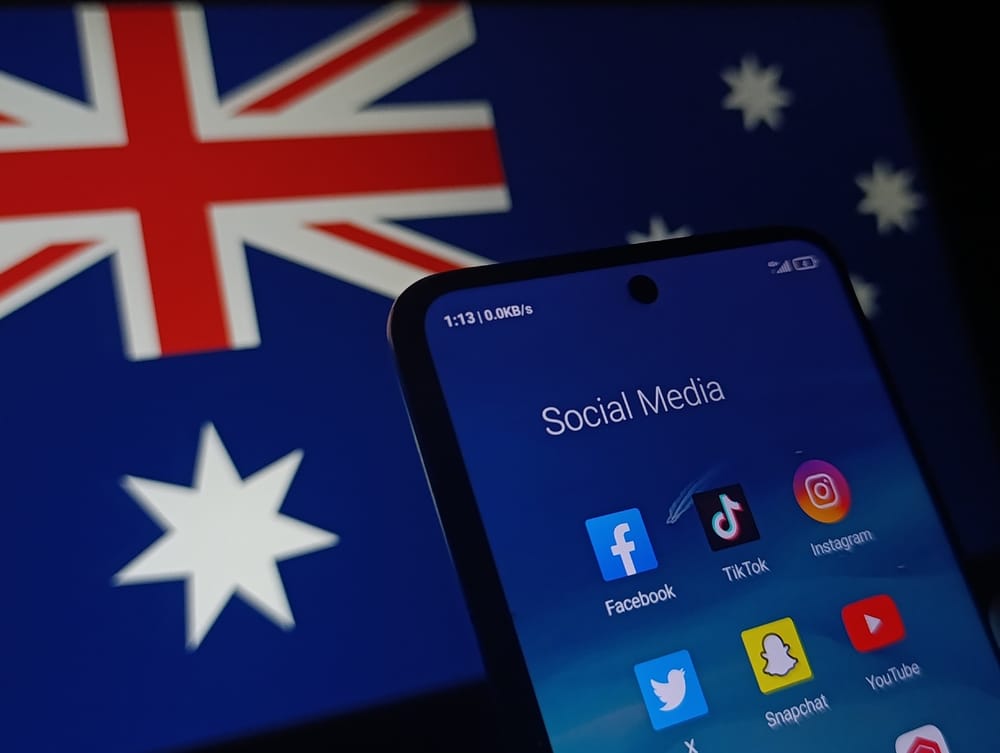
As of November 2025, under-16s in Australia have been banned from using major social media platforms, including TikTok, X, Facebook, Instagram, YouTube, Snapchat, and Threads.
As part of this they cannot set up new accounts and their existing profiles were deactivated, this ban was the first ban and has been watched closely by other countries.
The Australian government said this ban would help to reduce the impact of social media’s design that encourages young people to spend time on screens and consume content that impacts their mental health.
What is the way forward?
The prime minister has said that he is very keen for the UK government to tackle addictive features within social media.
Ministers are currently considering Australia-style measures to limit or ban social media for under-16s. The government is consulting these age restrictions on social media and other services, like gaming sites and AI chatbots, as well as restrictions on addictive features and better support for parents and families.
Do you think we should ban social media, and is what the prime minister is proposing good enough to stop this increasing addiction?