


Healthcare has become an increasingly prominent issue in the past few years, with the assassination of the UnitedHealthcare CEO, debates over the One Big Beautiful Bill, and a government shutdown, all showing a clear desire for healthcare.
So why does the richest country not have universal healthcare, like many other countries? Is it cheaper or more efficient without the bureaucracy?
One of the major reasons for the lack of change is rooted in cultural, socioeconomic, and political ideology. These deeply intertwined views have strangled any possibility of restructuring the multi-layered healthcare system.
Healthcare reform has been a rising topic in the polls in recent years, indicating public demand for change. Nevertheless, efforts to address these challenges have consistently hit a brick wall in Congress.
Whether it implies economic support, the ideology of healthcare, or the complex structure of healthcare entirely, reform has been unable to advance far in Congress. It almost makes the government feel like it’s stuck in a Jenga game.
@christyprn Let’s open up a RESPECTFUL conversation on universal healthcare systems. #healthcarereform #nursesoftiktok #patientadvocate ♬ original sound – Christy, RN | Advocate
As frustration increased, anger and violence have recently become the only source of change for some people.
After the fatal shooting of a health insurance CEO, the government realized the public had had enough with insurance companies profiting from sick people.
How do insurance companies get away with denying coverage and not have blood on their hands?

Health Insurance Today: How Did We Get Here?
Healthcare in the early 1900s was largely nonexistent, and most people paid out of pocket.
As the country recovered from the Great Depression and entered the economic demands of World War II, healthcare gained a massive increase, and people could no longer afford the healthcare they had before.
Blue Cross Blue Shield was the first to help individuals find coverage for the care they needed, and was non-taxable. After the success of health insurance, it became a booming industry.
Over the course of a few decades, it was not long before greed took shape. In the late 70’s and 80’s, health insurance became more expensive and less patient-centered. It placed greater emphasis on shareholders and revenue growth.
By this time, many companies switched to a for-profit model to increase their revenue, which caused higher premiums.
A large reason for the change was the 1973 HMO Act. The law aimed to expand healthcare access and also encouraged the growth of the rate in private insurance. It prioritized cost-cutting rather than patient care.
UnitedHealthcare Assassination And What It Meant

On December 4th, 2024, the UnitedHealthcare CEO Brian Thompson was murdered. This event sparked praise from many Americans, who felt the high pressure of denied claims and high premiums.
Much of the anger stemmed from recent controversies regarding UnitedHealthcare being the number 1 health insurance company with the most denied coverage. One report emphasized that UnitedHealthcare used an AI model to scan and review claims with a 90% denial rate.
Many framed the shooter as an antihero. While looking into his social media, many people characterized him as ‘hot’ and ‘cute’ due to his physical attractiveness. This made him even more popular.
This gawking of a once privileged kid turned murderer caused a division amongst the rich: politicians, corporations, and millionaires called it sick. In contrast, working-class citizens regarded the assassination as a warning.
Through the assassination, Luigi fit the mold of the average American who had experienced denied claims. Tired of corporate greed, he took action into his own hands.
The One Big Beautiful Bill Cutting Healthcare
It’s been over 15 years since the last major healthcare bill was introduced to the floor, the “Affordable Care Act” or “Obamacare”- which caused much backlash and controversy among Republicans.
ACA expanded Medicaid eligibility, created health insurance marketplaces, and provided subsidies to help lower the cost of coverage.
Now that the “One Big Beautiful Bill” has been signed into law, it will affect an estimated 23 million Americans who are on the ACA. Ironically, over half the users are in Republican districts.
Over 300 rural hospitals are at high risk of shutdown because they rely heavily on Medicaid reimbursements and federal support programs.
The bill cuts $1 trillion in federal healthcare spending, including Medicaid funding and reductions in marketplaces.
With massive cuts and a reduction of coverage, health insurance will skyrocket. It is estimated to cause over 16 million people to become uninsured by 2034.
After the vote, and near the end of the fiscal year, Democrats were adamant about finding a solution to extend ACA subsidies in order to lower coverage costs.
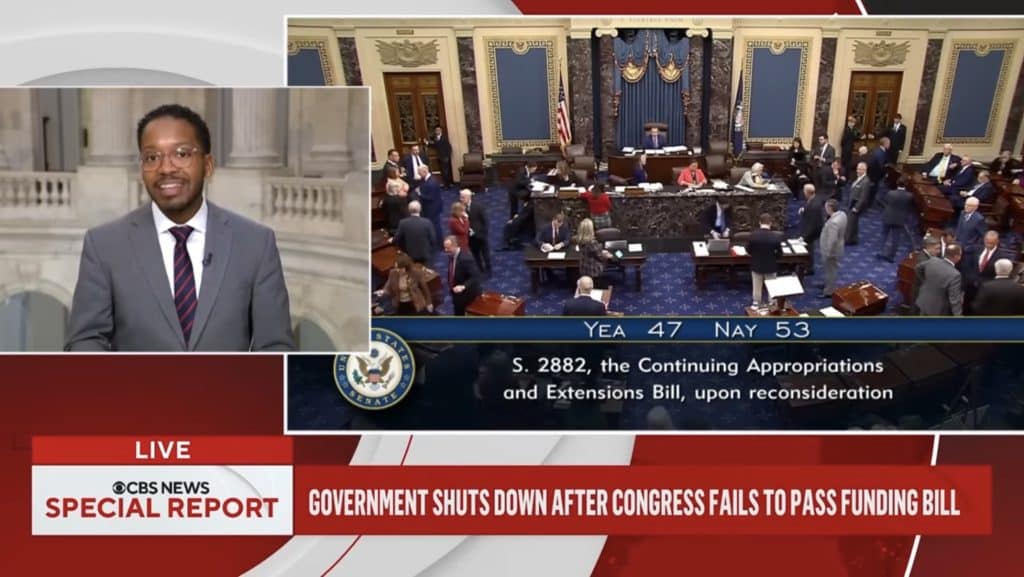
This led to the longest government shutdown, which lasted 43 days, and produced no bill to bring back ACA subsidies.
Possible Solutions
As of now, with the rise and fall of health insurance, is it possible to reformat the healthcare system to be universal? How would that reshape the industry?
Restructuring the entire healthcare system would be a massive job in itself. If it were possible, it would take decades to accomplish and cost millions to reallocate the funding. Not to mention the politics, frequent elections, departures of elected officials, and new ones entering that may disagree or not be in favor.
It’s no secret that private insurance has become greedy. And with universal healthcare, cutting the insurance companies out would not only break that greed, but could save thousands of dollars for the average American.
Yes, it would increase people’s taxes, like many government officials seem to use as a scare tactic. However, compared to paying for health insurance, paying a higher tax is actually cheaper by a few thousand dollars.
Will Gen-Z Be Able To Restructure the Healthcare Crisis?
Sadly, our government has no intention of fixing our healthcare crisis anytime soon, so when will change come?
To be frank, the chance of any change comes down to the youth. Gen-Z and Millennials would need to take over the majority in Congress and the Senate, which could take decades to happen.
Even then, restructuring would take just as long. Likely, there won’t be any bills introduced until Gen-Alpha and Gen-Beta are in office to finish the final stages for a final vote.
But why does this have to fall to Gen-Z? Right now, many are aging out of family plans between ages 24 and 26, forced to find their own insurance.
Plus, with living expenses and student loans in a poor economy, it will become extremely difficult to cover everything, leaving thousands of young and old Americans uninsured.
With constant backtracking on healthcare today, can Gen-Z be the first to set their foot down and restructure the system for the people instead of corporations?