Up until recently, sitcoms were inescapable. From classic shows like “Friends” dominating the 1990s, to mockumentaries like “The Office” in the 2010s, sitcoms were one of the most prevalent and widely loved television genres.
However, as television has moved to streaming, less traditional sitcoms are being made. Though there are still new comedies, they often lack the qualities that make a show a sitcom. For example, short episodes, long seasons and most importantly, the potential for casual viewing.
These sitcoms were a way for people everywhere to connect with one another. Many people watched these shows communally, referenced humor from the shows effortlessly and found comforting worlds to escape into.
Now more than ever, many people find niche pockets of comedy on their algorithm’s side of the internet. Because of this, we are missing out on the opportunity to connect through comedy. We still watch some programs communally — sports games, “Love Island” and “Euphoria,” to name a few — but none give us the same basis to share humor and make cultural references the way classic sitcoms have.
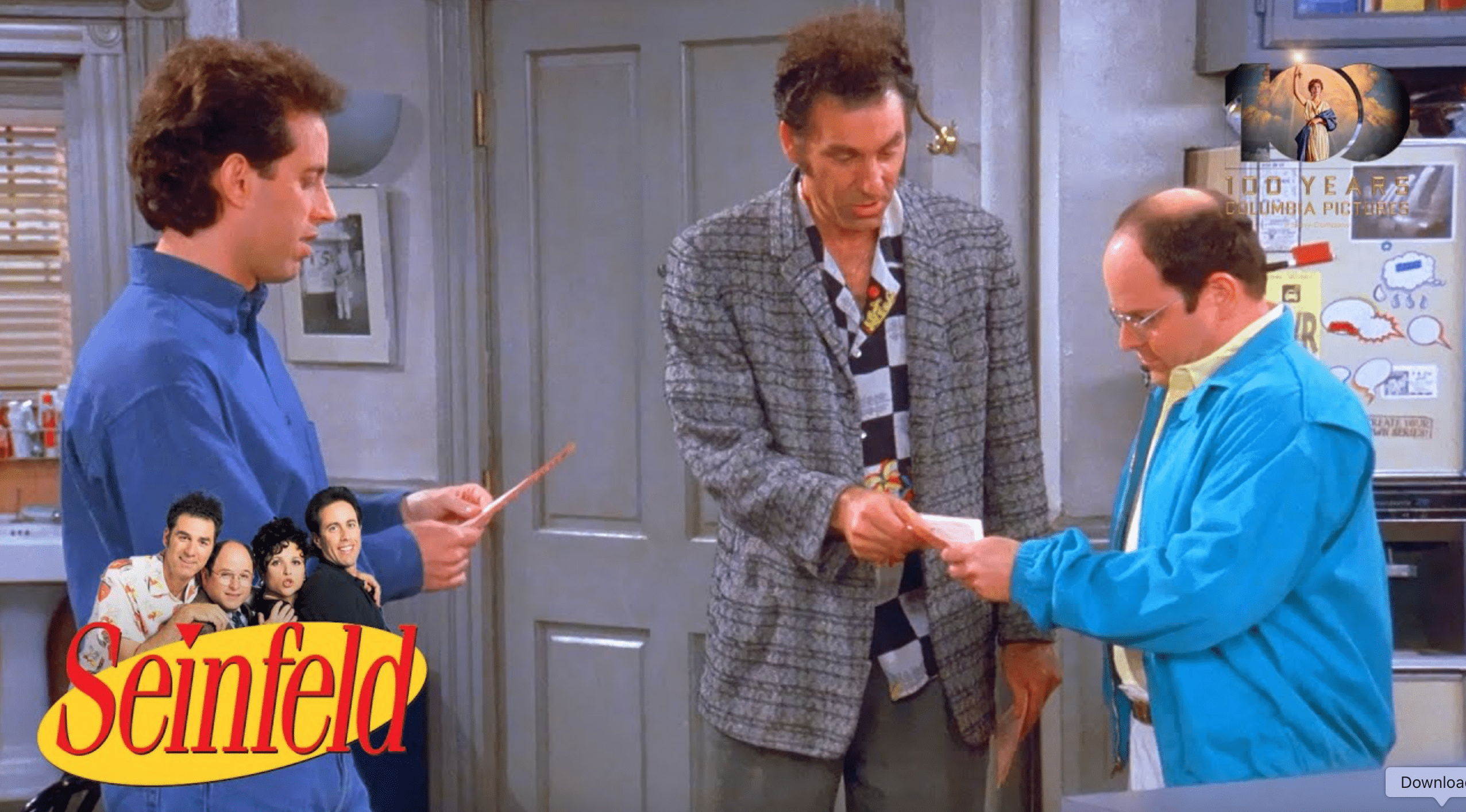
Changes in the Streaming Era
At the beginning of widespread television viewing, there were only a few channels to choose from. Though there were less options, many people watching the same programs led to a sense of community. People gathered together to watch shows live which led to conversations having a basis for connection.
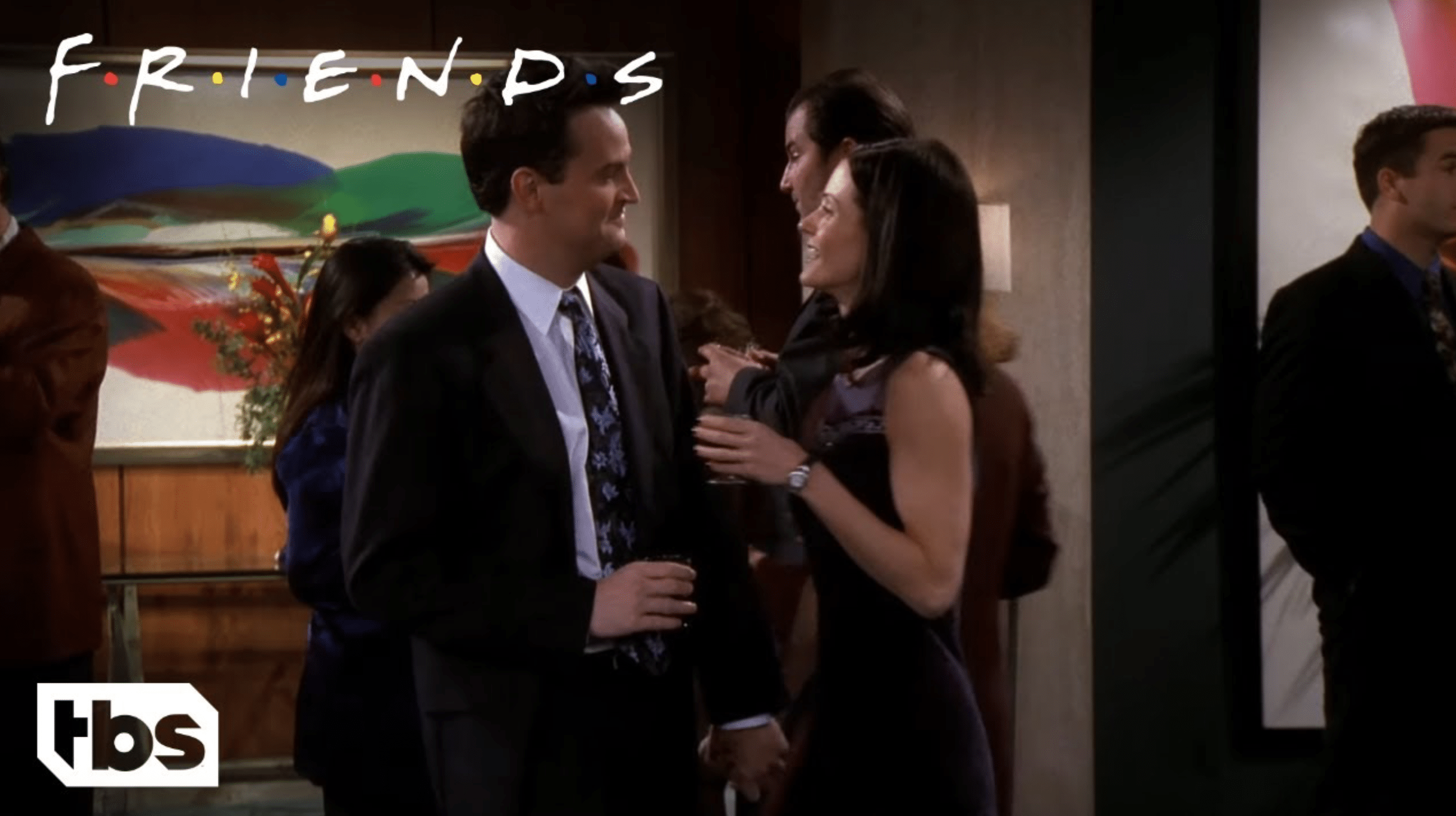
As television expanded to hundreds of channels, sitcoms still dominated. Channels like NBC aired some of the most-watched sitcoms in history like “Seinfeld,” “Friends” and “The Fresh Prince of Bel-air.” Even up until the late 2010s, on-air sitcoms like “The Office” and “New Girl” found enormous success and viewership.
Now, as most television viewership has moved to streaming, this genre of television is almost entirely abandoned.
Changes for TV Writers
In the era of network television, TV writers found stable work in sitcoms. Long seasons guaranteed employment, reruns ensured they received residual pay and Hollywood was constantly in need of comedy writers.

In the age of streaming and media conglomerates, production companies looked for ways to cut costs — all at the cost of writers.
Streaming platforms are now the primary mode of watching television. As a result, networks no longer guarantee writers the same residual pay as when shows broadcast on air.
Furthermore, streaming companies like Netflix invented “mini rooms.” In place of the traditional writers room that staffed around 10-20 people, mini rooms were invented. These mini rooms could have anywhere from 4-5 writers to as few as a single writer (see: Sam Levinson and “Euphoria”). In addition to this hit, mini rooms were created for the purpose of writing shows with significantly fewer episodes per season than the average network show. Therefore, TV writers struggled to find stable work as projects only employed them for a few months at a time.
So, the death of sitcoms origin is not a declining interest in the genre. Instead, it can be largely attributed to media corporation’s attempts to skimp costs.

Casual and Communal Viewing
Perhaps the most important takeaway from the sitcom is its roots in casual viewing and communal viewing.
Casual viewing and communal viewing allow people to connect with one another over the same humor and shows. Nowadays, there are few programs where people can start conversation in that way, with the majority being sports leagues. In fact, “Sunday Night Football” has been the number one show for the last 15 years. To be able to walk into school or work and discuss what happened on the latest episode of a show feels like a rarity only left for the Super Bowl or the World Cup.
On the other hand, there used to be a unique viewing culture with traditional sitcoms that helped create community. Sitcoms were shows whose plots existed mainly episode by episode. Meaning, even if you had never seen the show before, jumping in and watching a random episode was easy and enjoyable. Because of this, people were able to understand the humor and discuss many different shows with others even if they were just casual viewers. Now, shows are no longer modeled the same way. Instead, viewers feel left out or confused if they haven’t sat through every episode of a show from beginning to end.
Appointment Television
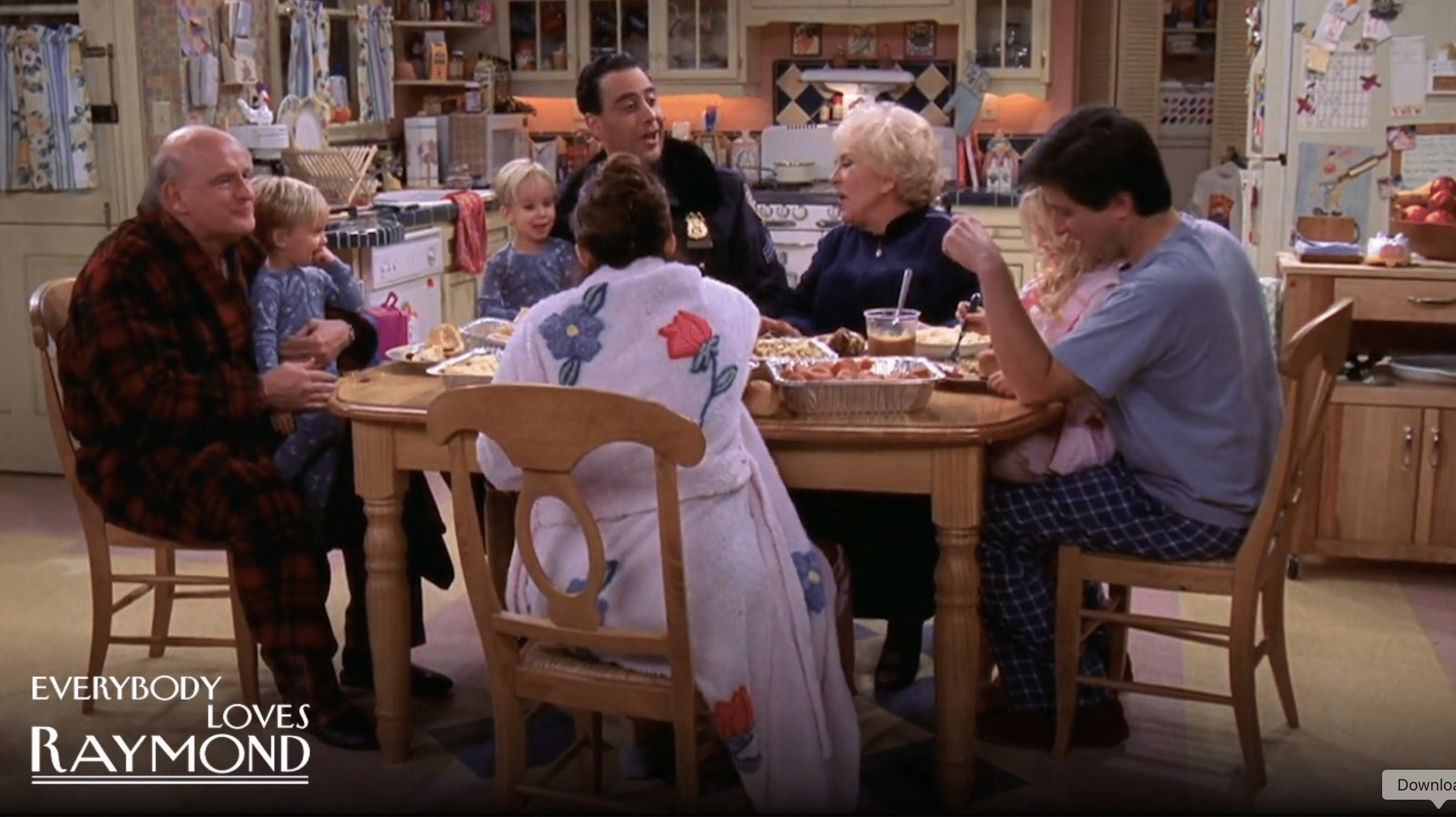
People also often watched sitcoms communally. Whether with friends hanging out or with family at dinner, people watched comedy together.
Recently, shows like “The Pitt,” The Summer I Turned Pretty” and “Invincible” have brought back communal viewing practices in recent years. These shows all garnered large audiences. This was partially due to their decision to release episodes weekly — the same way channels used to prior to streaming services. HBO Max’s “The Pitt” even drew in a 9.7 million viewers for its season 2 finale. Though this does not compare to the viewership of popular sitcom finales (76.3 million people tuned in for the finale of “Seinfeld”), it is a significant amount for the 2020s.
For many, being able to gather with family and friends to watch new episodes has become a meaningful practice. Fans of “Euphoria” even coined the term “Euphoria Sunday” to describe the day of the week the show released new episodes.

Though some shows are bringing back this release model, it is still rare. In fact, live sports games dominate the linear TV space. Out of the top 10 most-watched broadcast programs this week, seven were live sports matches.
Within these spaces, people cherish getting to spend time with others. One TikTok user wrote, “Knicks in 5? How about Knicks in 7… I’ve just really been enjoying consistently hanging out with the homies in an organized fashion.”
In the same way sports and recent serial TV shows have found large viewership success, a live, weekly sitcom could revive the genre.
Comedies — But Not Sitcoms
There are new shows that are bringing back certain aspects of comedies — but they aren’t necessarily sitcoms.
Ever since the streaming model, the traditional long-running sitcom has been difficult to come across. Though there are some new comedy shows, they diverge from the traditional sitcom model. They often have shorter seasons, incorporate more elements of drama, and are harder to watch casually.
For example, Rachel Sennott’s “I Love LA” released in 2025, a comedy about a talent agent navigating life in Los Angeles. The show’s dry humor and messy storyline was well-received, and the show has been renewed for another season. Furthermore, this year, Steve Carrell starred in “Rooster,” another comedy/drama show on HBO.
While both shows were successful comedies, they both differed from the sitcom template. The shows each had 10 or less episodes in each season. This is less than half the size of that of a traditional sitcom. Part of what made sitcoms of the past so special were the longer seasons. It made it a show for every time of year, making you feel as if you were living alongside the characters throughout Thanksgiving episodes, Christmas episodes and more. This change reflects the change in how the writers’ rooms today are structured. By hiring writers for shorter periods to create fewer episodes, this year-round source of comfort is taken away.
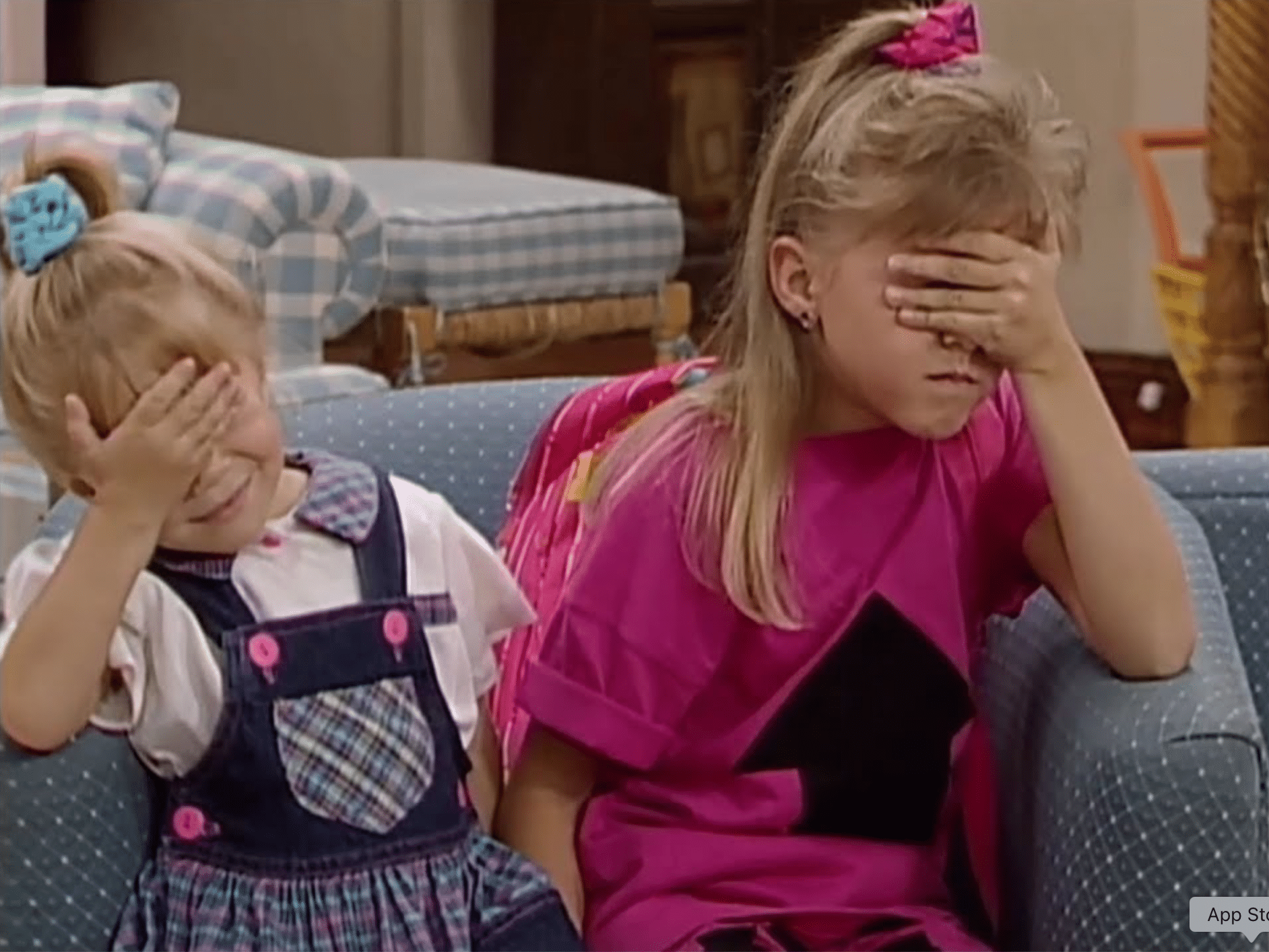
Additionally, the shows utilize serial narratives over episodic ones. This requires viewers to watch a larger plot unfold over the course of the series as opposed to containing the plot episode by episode for casual viewing. Because of this, it’s no longer possible to enjoy these show’s comedy by watching an episode here and there whenever you get the chance. Instead, viewers have to commit to the mental load of taking on an entire new show.
In fact, some of the only comedy shows today that follow episodic narratives are adult animation shows like “Smiling Friends” and “Rick and Morty.” And though these shows are comedic and episodic, their animated style guides them to more fantastical storylines than sitcoms.
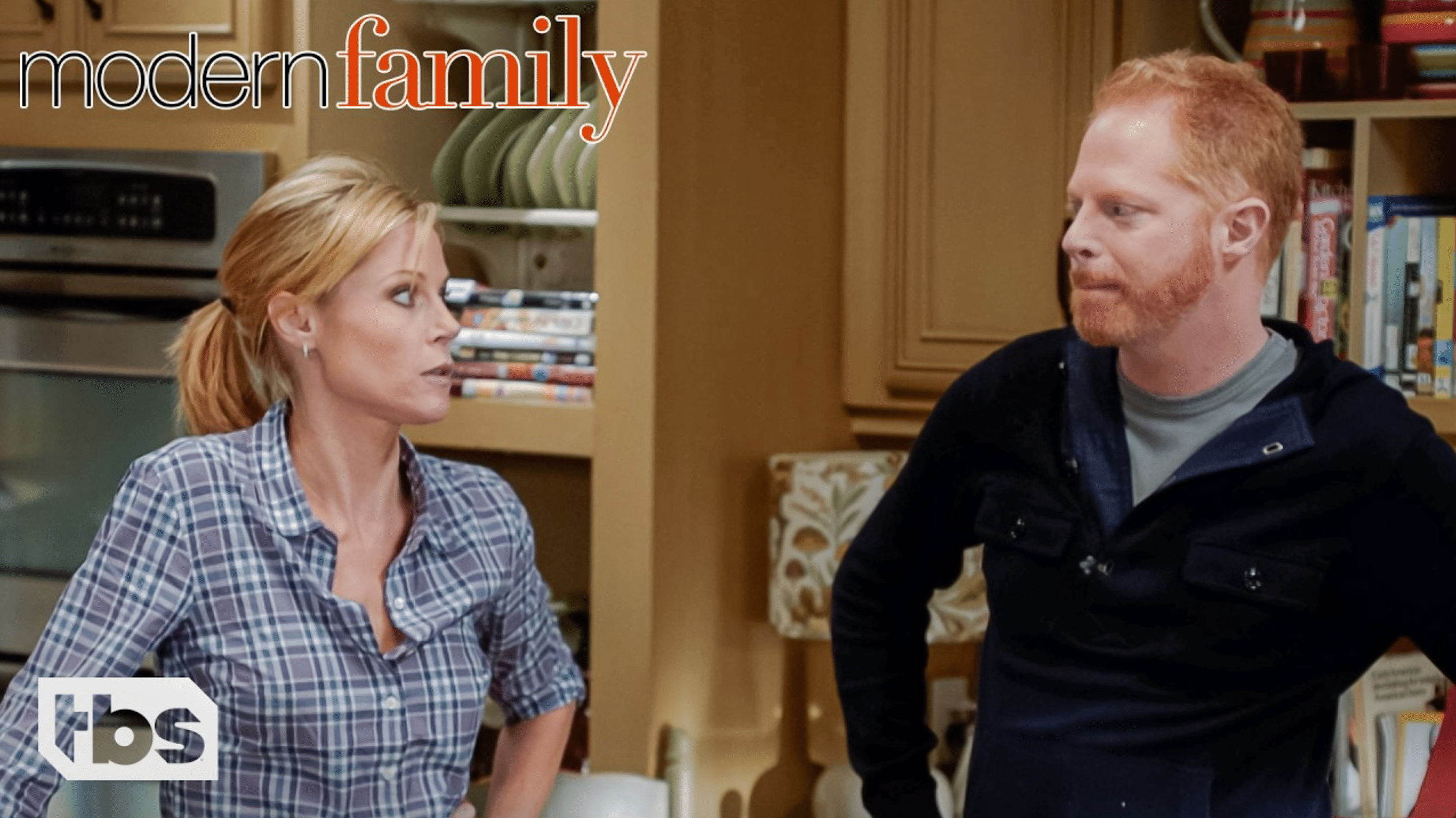
The Importance of Comedy
Despite the lack of sitcoms being made today, there is still a large demand for comedy. Many people outsource comedy to social media, scrolling for hours to enjoy memes and other funny clips. So, there is a demand for comedy, there is just no outlet.
Nowadays, each person’s discover page on these platforms differs greatly. This causes a large gap in the kinds of humor we engage in and references we make. Chances are, you’ve had someone ask you, “Have you seen that one guy on TikTok who…” and most times, you have, in fact, not seen “that one guy.” Instead, you are baffled by how far that content differs from your own discover page.
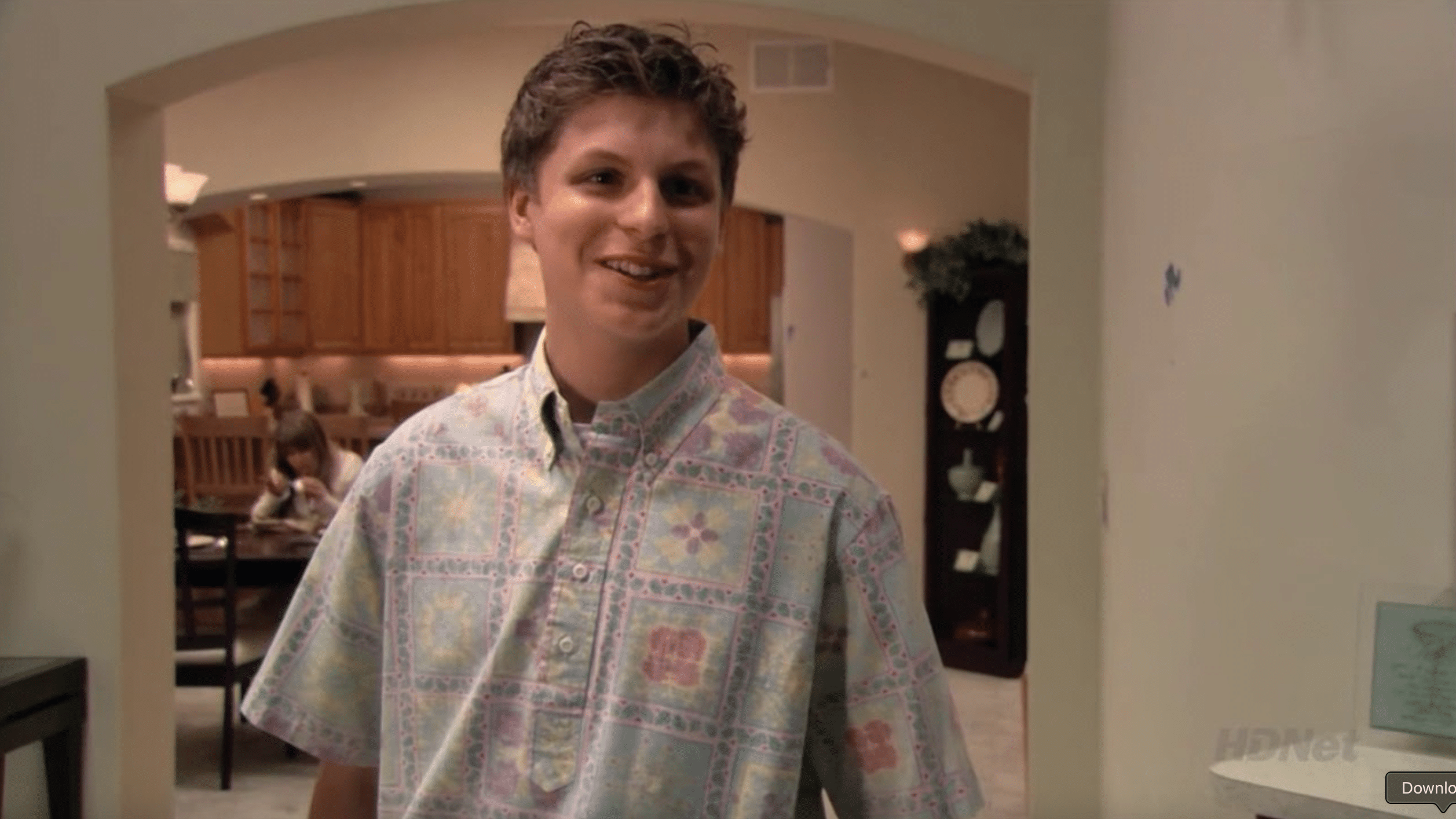
On the other hand, back during the golden age of sitcoms, if someone said “Pivot!” or “Bears. Beets. Battlestar Galactica,” you would immediately recognize them as references to “Friends” and “The Office” respectively. Even smaller shows like “Arrested Development” garnered cult fandoms that make references from the show ever relevant 20 years later.
It is not only a matter of recognition — this phenomenon not only changes what references we can recognize, but also what kind of humor we find funny. Back when there was a finite number of channels on television, we were able to all enjoy similar humor. Now, as we disperse to infinite corners of the internet, people find themselves enjoying their own niche pockets of humor that few others have even been exposed to. If we brought back traditional sitcom culture, it would guide people towards sharing a sense of humor. Therefore, we could connect with one another more easily.

Potential Success
Additionally, the potential for a new sitcom to find success is high. This is especially considering many people still watch older sitcoms on streaming platforms. Compilations of sitcom clips also often go viral on social media, emphasizing how this kind of humor is still widely relevant and appreciated today.
One particular trend of “fiber-optic” editing clips of Larry David’s “Curb Your Enthusiasm” went viral, a case that could explain why the show found increased viewership for its final season in 2024. The edits featured clips from the show with distorted filters and voice modulations to highlight the funniest lines, and they garnered millions of views. Not only did the edited versions cause peaked interest, but “Curb Your Enthusiasm” is also reflective of Gen Z’s dark, raunchy sense of humor.
This attention did not go unnoticed by television marketers. When “Overcompensating” and “Adults” released, the studios producing these new sitcoms utilized short clips and compilation videos to draw in viewers.
Both “Overcompensating” and “Adults” are examples of recent sitcoms that have found great success. Viewers rated the show highly, with younger viewers especially appreciating both shows’ raunchy, absurd humor. Networks have already renewed both shows for a second season.

Even recent shows that have followed more traditional sitcom humor have garnered large viewer ship as well. “Superstore,” a classic workplace comedy, had the same whimsical humor yet realistic feel that makes sitcoms so relatable. Additionally, “Young Sheldon,” a spin off of “The Big Bang Theory,” drew in a massive 9-10 million live viewers with even more viewers on streaming. Though these numbers cannot compare to viewership from the network days, it is an astonishing amount. It is a testament to how people want comedic shows for casual viewing.

A Market For Comedy
These recent trends and successes prove that there is a real market for new sitcoms. Not only do newer comedies garner wide audiences, but at our core, we are a culture that values humor. If studios were to take risks on new sitcoms that utilize the same ironic and absurd humor Gen Z watches on social media, they could find massive success.
But it’s not just about studio success. Studios taking on sitcoms could provide television writers with stable work and would revive a sense of community regarding television. A sitcom featuring modern humor and airing weekly without a strong commitment would revert how we go about entertainment. Instead of picking up our phones and ending up on different sides of the internet, we can turn on the TV and laugh together.