


President Trump has called for Republicans to “Nationalize voting.” What does this mean, and is it possible to implement this into the United States voting system? Lawmakers and leaders have been vocal about their opinions on federal reforms to the voting system.
Trump’s statement
President Trump expressed his concerns about voting and electoral fraud in an interview with former FBI director Dan Bongino on his show last week. Trump has notoriously been accusing voter fraud for years, claiming he won the 2020 election. He has continued to have concerns about this election and recently had ballots in Georgia investigated.
On The Dan Bongino Show, Trump states, “The Republicans should say, ‘We want to take over. We should take over the voting in at least 15 places.’ The Republicans ought to nationalize the voting.”
Trump did not elaborate on what nationalizing voting would look like. Nationalized voting is also not a concept that has been introduced in the United States yet, making it difficult to understand exactly what this would entail.
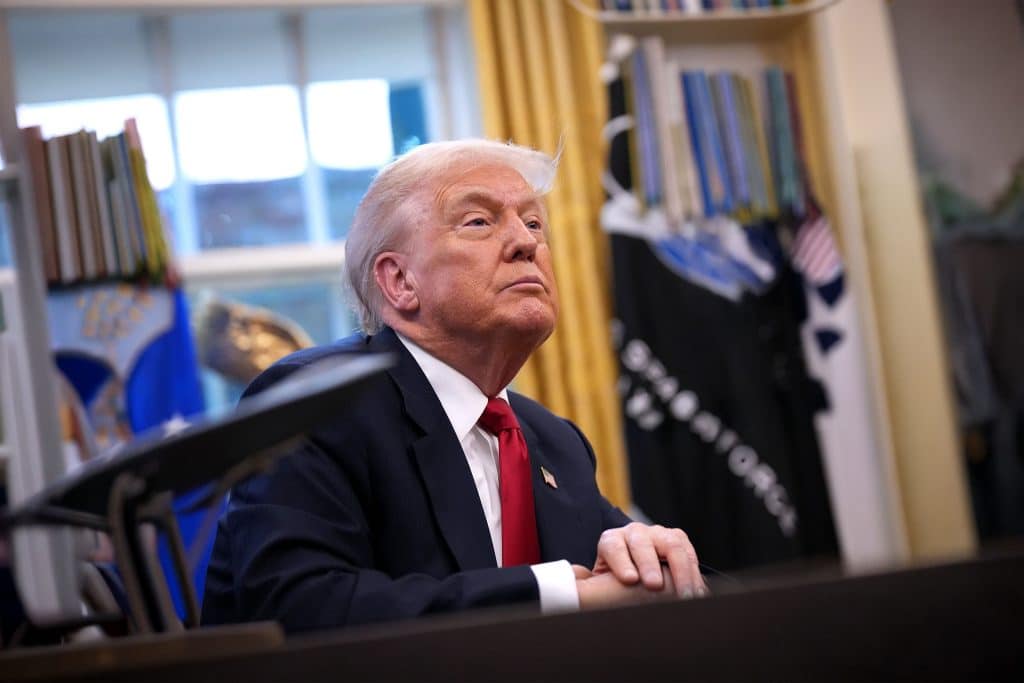
Despite the vagueness of the statement, Trump does specify that Republicans should be the ones to take over voting in “at least 15 places.” This implies that Trump believes Republicans should be in charge of voting in places they deem to be in need of nationalization.
This would give Republicans unfair power to both control elections and deem which cities are incapable of having fair elections. Power like this delegated to one party would further divide United States politics and increase polarization.
Can voting be nationalized?
Since Trump has made this statement, controversy has started about whether nationalized voting is possible. If President Trump were to sign an executive order enforcing nationalized voting, this would be illegal. Lawyers at Newsweek have stated that Trump would need Congressional approval for any kind of voting reform in the United States.
The United States Constitution, in Article One, Section Four, states,

“The Times, Places and Manner of holding Elections for Senators and
United States Constitution
Representatives, shall be prescribed in each State by the Legislature thereof;
but the Congress may at any time by Law make or alter such Regulations, except as to the Place of Chusing Senators.”
This section of the Constitution gives the States direct power to choose how they hold elections. It also gives Congress power to make changes to elections when needed, but the President alone has no power to do so.
Congress has passed legislation changing voter laws many times, including the Voting Rights Act and the New Voting Rights Act. While laws like these impact the regulations of elections, it is still the state that ultimately runs them.
The United States Constitution was built on balancing Federal and State power. A reminder of this would be the 10th Amendment in the Bill of Rights, reserving all unmentioned powers to the states.
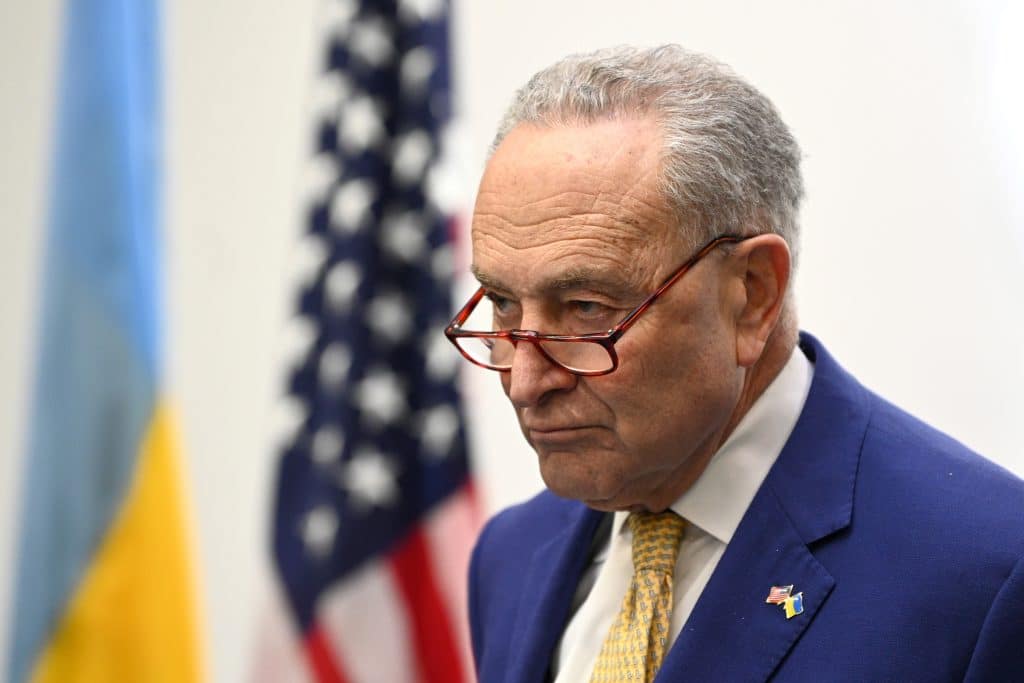
If Trump were to nationalize elections, it would go against the Constitution and the founding principles of the United States. Senate Minority Leader Chuck Schumer has stated that Trump’s call to nationalize elections is “outlandishly illegal.”
If Trump uses unilateral power to nationalize elections, this would be illegal per the United States Constitution. However, if a bill goes through Congress to nationalize elections, this would be legal. Even though this is possible, it would be difficult to do because the concept is so new to the United States voting system and would be difficult logistically.
Steps towards nationalizing elections
Even though fully nationalized elections are out of reach right now, Congress has been working towards other voting reform bills to progress the idea of nationalized elections. Congress has proposed the SAVE Act and the Make Elections Great Again Act.
The SAVE Act has proposed stricter voting registration requirements. The act would require proof of citizenship and photo ID to vote in federal elections and will be enforced nationally.
It would also require those who mail in voter registration forms to give proof of citizenship in person. This also applies to absentee ballots, which will require a copy of photo ID to be included.
Representative Joe Morelle, also on the House Administration Committee, expressed his concerns about these bills on X.
This is what corruption looks like. The President is misusing federal law enforcement to try and rewrite elections, while Republicans try to push voter suppression bills through Congress. We won't let it happen.https://t.co/bqIZa6SN3a
— Joe Morelle (@RepJoeMorelle) February 3, 2026
The Make Elections Great Again Act is similar to the SAVE Act in requiring proof of citizenship and photo ID. However, the Make Elections Great Again Act would require states to verify the citizenship of people when they register to vote. The act also includes restrictions on universal vote-by-mail and ranked choice voting.
Many politicians have spoken out against these acts because of how restrictive they are. Even though these acts will not fully nationalize elections, they will follow Trump’s goals of reforming elections to prevent fraud. Many lawmakers deem this unnecessary given the lack of evidence of voter and election fraud.
Senate Minority Leader Chuck Schumer stated that the acts have “nothing to do with protecting our elections and everything to do with federalizing voter suppression,” and that “The SAVE Act is nothing more than Jim Crow 2.0.”
How will this affect voters?
The bills proposed to progress the idea of nationalized voting will heavily impact voters. The SAVE and Make Elections Great Again Act both require multiple forms of identification to prove citizenship.
For citizens who do not have access to their birth certificate or are unable to get a passport, they will be unable to vote. Schumer warns that these requirements may cause “massive purges that inevitably remove legitimate American citizens” from voting.
This will also impact people who have changed their name and may have different names between documents, like an ID and a birth certificate. The requirement of multiple forms of identification will disproportionally effect newly married women who have changed their last name and transgender citizens in the process of getting name changes.
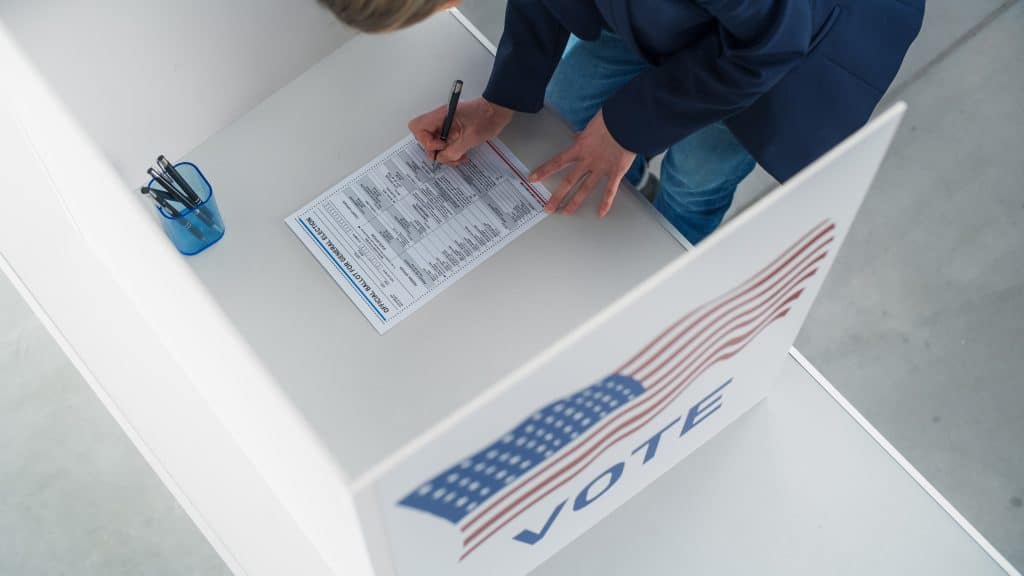
These requirements would also make things like voter registration drives, secure online registration, and mail-in registration more difficult to perform and ultimately may become obsolete.
The Make Elections Great Again Act proposes that universal absentee voting would be restricted. This will have a huge impact on young voters in college who rely on absentee voting. It also makes voter registration more difficult, which may discourage young voters from registering and making plans to vote.
Because of these restrictions, both the Make Elections Great Again Act and the SAVE Act will make voting less accessible. It will affect every American citizen who wants to vote. If these new restrictions are passed, Americans must prepare for the upcoming election day accordingly. Making voting plans and checking your state’s voting laws will be even more important.












Elizabeth Juarez
February 14, 2026 at 4:24 am
Slay this is epic!