On March 21, 2026, Iran launched two missiles in the direction of the joint British-American military facility on Diego Garcia in the Indian Ocean.
According to British officials, neither missile hit the base: one malfunctioned before reaching the island, while air defenses intercepted the other. Iranian drones also previously attacked the Royal Air Force (RAF) Akrotiri in Cyprus.
This has led the British air forces to become involved in a war that many other European nations believe is not their war to fight. This war, whether they were prepared or not, is already affecting the UK because of its already unstable economy, lack of citizen support for the conflict, and the current political climate. Other European nations also see the political pressure it is exerting on the European Union, NATO, and their own nations.
“Governments can explain strategic objectives and alliance commitments to voters, but rising grocery bills and mounting living costs create a very different kind of political pressure,” said Geopolitical analyst Irina Tsukerman.
What started this conflict?
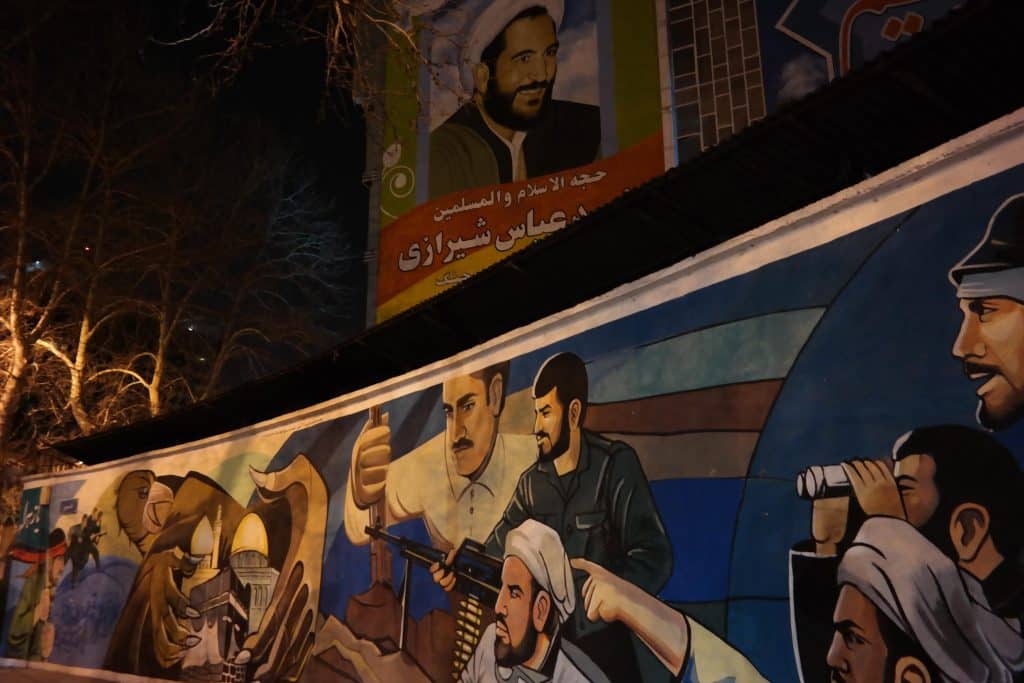
Before the U.S. attacked Iran, Iranian citizens were in the middle of widespread protests because of political, economic, and security crises. The Islamic Revolutionary Guard Corps (IRGC) and their volunteer paramilitary (Basij) responded with live ammunition. This led to thousands of deaths between late December 2025 and early January 2026.
Iranian authorities started an internet shutdown to prevent documentation of these violent actions. It made it difficult for protesters, human rights organizations, and journalists to use media outlets to report the situation to the rest of the world.
Additionally, the Trump administration had speculations that Iran was threatening U.S. forces and allies with its missile program and was on track to develop nuclear weapons. These speculations called for immediate action and were used to justify their means. This also included the U.S. and Israel’s targeted attacks on Iranian military infrastructure, including oil tankers in the Gulf of Oman.
Europe is no longer on the sidelines
Following the attacks on the UK bases, the European Union has broadened its penalties/restrictions on Iran, such as asset freezes, travel bans, trade restrictions, and export controls targeting Iran’s nuclear program, missile development, and human rights record.
At the European Union gathering in Brussels, many European leaders made it clear this conflict shouldn’t be their problem. It raises the question of whether European nations are even prepared for the possibility of being involved in this conflict.

“Most countries in Europe were politically aware that confrontation involving Iran had the potential to expand into a major regional war, but awareness did not translate into genuine readiness,” said Tsukerman.
European governments are also closely tied to the United States through NATO, making regional instability involving Iran difficult to ignore. European countries rely heavily on stability in the Middle East for trade, energy security, and international shipping. For example, the Strait of Hormuz and the Red Sea are major global shipping routes that Europe depends on for oil, gas, and trade.
Tsukerman said Europe entered this war carrying significant internal vulnerabilities. This allows other nations, such as Russia and China, to take advantage of these vulnerabilities alongside Iran.
The role of NATO
“NATO still has substantial influence in this war, though not in the dramatic or simplistic way many people often imagine,” said Tsukerman.
NATO is supposed to be the supporting piece for Western governments. With the effects of this war creating economic and political strains, such as a massive global energy crisis, inflation, and protests to stop the war in Iran.
Cybersecurity has become one of NATO’s central concerns as tensions with Iran continue to rise. And, authorities in the EU have reported growing concerns over politically motivated cyber attacks and infrastructure sabotage linked to Russia and other state-backed actors.
It can be difficult for NATO and its member states to focus on a single strategic priority when multiple conflicts are unfolding at the same time. This makes it harder to maintain a unified approach and cooperation. The United States remains a central component of NATO operations due to its advanced technology, intelligence capabilities, and strategic resources, which many missions continue to rely on.
NATO is ultimately intended to serve as a foundation of collective support for member states during and after crises, whether through military coordination, humanitarian assistance, or broader stability and reconstruction efforts.
The effects of the war on Europe
Tsukerman said even before the first major escalation unfolded, Europe was already dealing with inflation, industrial slowdown, energy insecurity, housing shortages, labor unrest, migration tensions, and political polarization that had already weakened public confidence in several governments.
According to Euro News, countries like the UK are also exposed because rising global energy prices and shipping disruptions can slow economic growth and strain businesses and households.
The European Youth cannot help but feel angry and helpless. They voiced strong opposing opinions on military intervention and how this conflict will affect the future of their country’s economy. European citizens remain critical of Washington’s military campaign, with citizens overwhelmingly favoring diplomatic de-escalation over armed involvement.
The effect of the war on the U.S.
The United States is mainly affected by security risks and the global economy. For example, it has contributed to changes in global oil prices, which can affect fuel costs and inflation in the U.S.
Overall, many Americans are concerned about the different ways tensions can escalate and what that means for them. There are political debates about whether or not the U.S. should be involved in Middle East conflicts.
Citizens believe the high costs of long wars are not worth it, and money can be spent on the American people. They argue that billions of dollars should be spent on American schools, roads, and healthcare instead. Pointing out that the U.S. should focus on domestic issues.
What people are overlooking
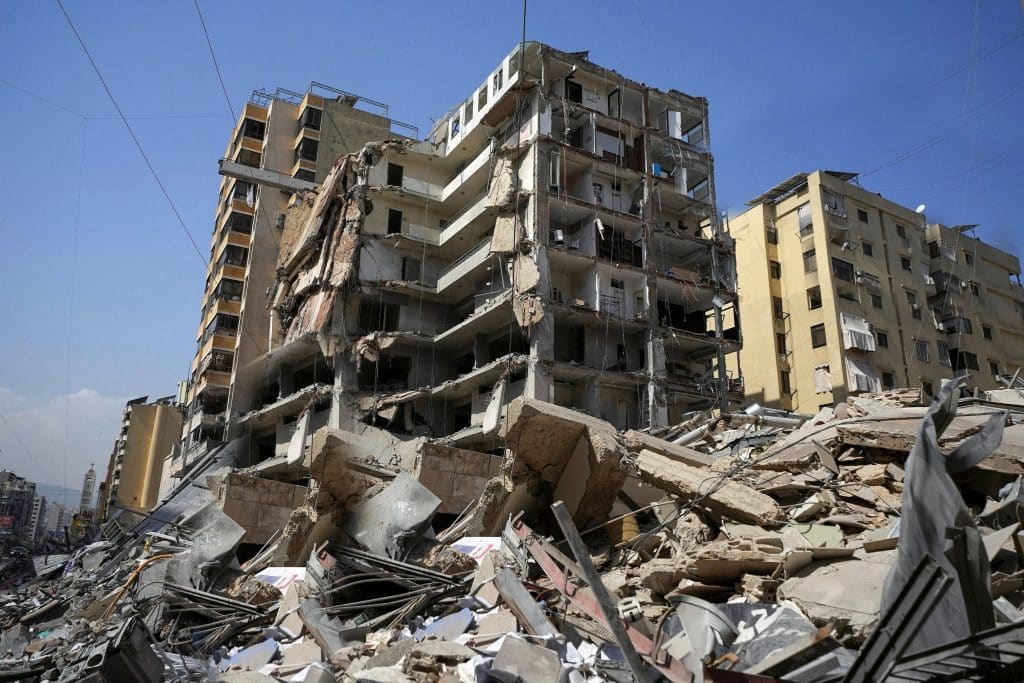
In the mists of conflict, many things can get overlooked. The media can overlook certain information, and unstable climates can cloud judgment for citizens.
“One of the biggest things being overlooked is that this war is not only about Iran, nuclear concerns, or military retaliation,” said Tsukerman.
According to Tsukerman, modern conflicts are no longer defined only by military battles, but also by economic pressure and public exhaustion.
People often focus on missiles and combat, she said, the stronger effects are seen through rising inflation, fuel and food costs, cyber disruptions, and growing political division.
Tsukerman also said many people are oversimplifying Iran’s government. She argued the regime has spent decades building systems designed to survive pressure and sanctions. While not impossible to weaken, she said the government is far more adaptable and durable than many Western observers assume.
“Every major confrontation now sends signals far beyond its immediate battlefield, shaping how allies, adversaries, and undecided states calculate risk, power, and strategic alignment moving forward,” said Tsukerman.