The claim that Gen-Z will be the last generation to see fireflies is trending on TikTok. These bugs do face environmental issues and declining numbers, but fireflies are not disappearing just yet.
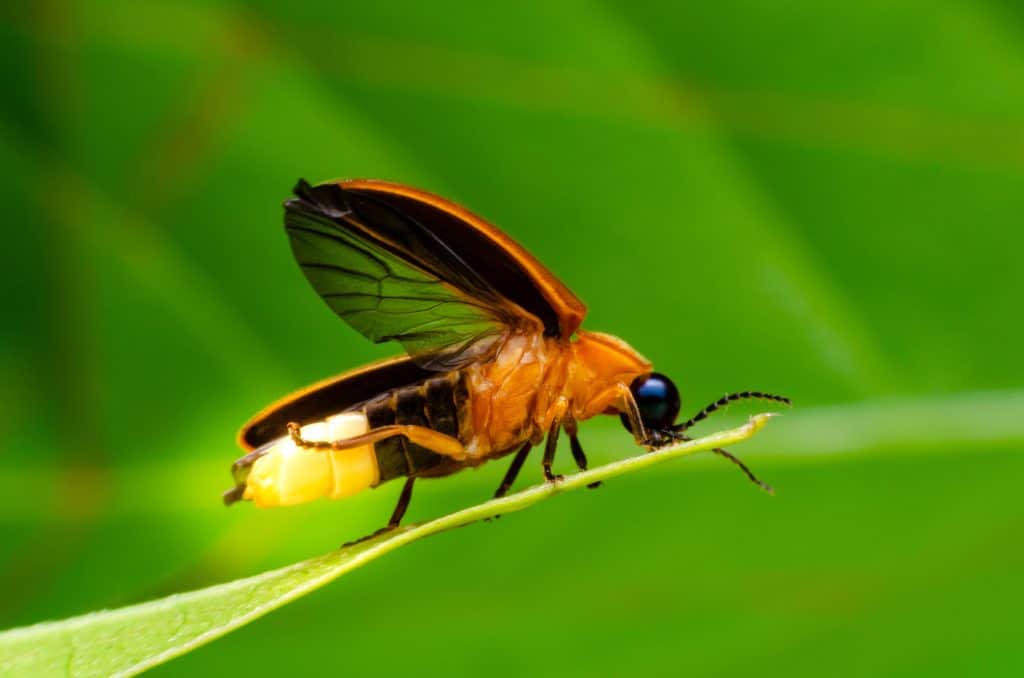
Fireflies, or lightning bugs, are insects known for their illuminating abdomen. Appearing on every continent except for Antarctica, they light up to communicate and attract mates.
From catching and releasing these creatures during hot summer nights to reading about them in picture books, or watching them flash their soft yellow light, fireflies are a core memory for many.
These beloved lightning bugs have recently become a topic of interest across the internet. One user posted a TikTok claiming that Gen-Z will be the last generation to see fireflies. The video garnered 6.3 million likes and over 50 thousand comments expressing sadness, shock, and anger.
@evenaged We are the last generation to see fireflies.
♬ original sound – Jay – Spotify
Many posts with similar claims have gone viral, resulting in widespread concern over the future of these insects. While these videos may appear alarming, the situation for fireflies may not be as dire as it appears.
Are fireflies really facing extinction?
Some of the biggest threats to firefly populations include habitat loss, light pollution, climate change, and pesticide use. These issues do raise concerns over the future of fireflies, however that alone does not mean that they will disappear for good.
According to the Lampyridae World Database, there are 2,628 different firefly species around the world, with around 120 species living in the United States alone. Out of this large number only 18 species in the United States are currently threatened with extinction.
This does not mean that fireflies do not face the risk of endangerment, but to claim that Gen-Z will be the last generation to see them is a stretch.

Fireflies may also be adapting to environmental changes. In an interview with Virginia Tech entomologist, Eric Day, he describes the situation:
“I would say fireflies are threatened due to habitat loss, but they are not going extinct, some are adapting in different regions.”
– Eric Day, Manager, Insect ID Lab Insect Identification, Pest Surveys, Virginia Tech.
Fireflies live on nearly every continent, have an impressive capability to adapt to vastly different environments, and have existed for millions of years. These resilient bugs are not going anywhere for a long time.
Even so, environmental issues affecting firefly populations should not be ignored.
Lightning bugs may not be going extinct, but certain environmental challenges still raise important concerns. Many of these concerns stem from man-made factors, including urban development, light pollution, pesticide use, and more. In short, humans have had a direct impact on the continued sustainability of fireflies.
In a study on artificial lighting and its effects, researchers discovered that 80% of the world’s population has light-polluted skies. Fireflies rely on their illuminating abdomen to attract mates and breed. In areas that remain constantly lit, these insects have a harder time trying to seek one another out.

Beyond light pollution, habitat loss and pesticide use are also damaging firefly populations. Fireflies mainly live in forests and near bodies of water. From 2010 to 2020, roughly 4.7 million hectares (Mha) of forest were lost globally per year. The United States alone has lost 49.5 Mha of tree cover from 2001 to 2024. The disappearance of these important habitats will likely continue affecting fireflies over time.
On top of deforestation, pesticides have also had negative effects. Neonicotinoids are common pesticides used in agriculture. Fireflies exposed to the chemical are reported to experience changes in behavior and damage to gut tissues. Even everyday pesticides like bug spray and lawn treatments can poison insects that firefly larvae eat.
These issues have resulted in an overall decline in firefly populations over the years. Fireflies aren’t disappearing overnight, but the larger human threat impacting these creatures is slowly dimming their future.
What is being done about firefly conservation?
Among the currently endangered fireflies in the US, one species faces critical endangerment: the Bethany Beach firefly. These fireflies are noticeable from their tan or brown bodies and distinctive double green flashes that differ from the Common Eastern firefly’s more yellowish tint. They only live along the Delaware coast. Unfortunately, a 2019 beach development in their largest wetland habitat critically diminished the species population.
Despite being registered as a critically endangered species, there currently is little being done for the Bethany Beach firefly. According to the Xerces Society for Invertebrate Conservation, long-term data on the decline of firefly populations is scarce. Due to this lack of research, firefly conservation as a whole is lacking.
Some groups that are actively involved in firefly conservation however, include the Xerces Society for Invertebrate Conservation, IUCN SSC Firefly Specialist Group, and Firefly Conservation and Research.
The Xerces Society for Invertebrate Conservation advocates for Endangered Species Act (ESA) protections for vulnerable species like the Bethany Beach firefly. The IUCN SSC Firefly Specialist Group provides data and annual reports on the status of threatened fireflies, the most recent being released in 2023. Firefly Conservation and Research organizes educational programs for public awareness of Texas & US fireflies.
These groups aim to increase awareness of conservation-related issues, expand research on different types of fireflies, and protect endangered or vulnerable species. Efforts from these organizations hope to ensure that species like the Bethany Beach firefly don’t continue to face a quiet extinction.
More can be done.
Firefly conservation doesn’t have to be limited to organizations alone. Even small actions done by individuals can help build a more sustainable environment for these little lightning bugs.
There are many ways that everyone can help fireflies. Turning off outdoor lights at night, especially in homes or areas near forests or wetlands, can reduce light pollution impacting fireflies during mating season. Avoiding or reducing pesticide use can keep firefly larvae and adults healthy. Remembering to engage with fireflies gently, and to always release after catching them can preserve local populations.
Even turning to the internet can spread awareness about firefly conservation. Many videos showcasing firefly appreciation continue to gain traction on TikTok, with many reminiscing on fond memories of these bugs.
@aliyah.noels midsummer fireflies in Appalachia 🕯️#fireflies #midsummer #solctice #appalachia #appalachianmountains #fairycore #fairy ♬ A Quick One Before the Eternal Worm Devours Appalachia – Lizard in the Spring
Though fireflies initially went viral online due to an extinction claim not backed by sufficient evidence, discussion that arose from the debate illuminated real environmental challenges that lightning bugs face.
The lack of research, conservation efforts, and understanding of fireflies’ declining numbers may appear daunting, but hope for fireflies’ future cannot be cast aside just yet. With intentional care and consideration, everyone can contribute to helping these beloved insects, ensuring that Gen-Z will not be the last generation to see fireflies.