People often diminish fashion career paths and degrees, believing they are useless and unattainable. Society pushes people to choose between career paths that provide financial stability or personal gratification and enjoyment. Can you have both? How do you break into the fashion world?
Here are 10 roles in the fashion industry, from merchandising to design.
1) Visual Merchandising Specialist
Average Salary: $77k
You see a cute outfit through a store window, and you’re drawn in by the strategic color palette and decor. Behind the scenes lie the brains behind the displays…visual merchandisers.
Visual merchandisers execute creative brand strategies through visual presentation, from store window displays to floor layout, in order to maximize sales and customer experience.
This cross-disciplinary role allows for growth in the fashion industry; notably Jonathan Anderson—now creative director for all Dior collections—started his career as a visual merchandiser.
But it’s not just about making displays; it’s about making an environment that entices consumers to buy. Employers typically look for candidates with degrees in design, retail, marketing, or related fields. Strong visual merchandisers know the ins and outs of color theory, layout, and marketing.
Individuals seeking to work in this field should be self-directed, as the role typically requires minimal supervision. In order to appeal to consumers, candidates should be up-to-date on current industry trends. Knowledge of Microsoft Office Suite and design software is a must.
2) Digital Designer
Average Salary: $72.8k

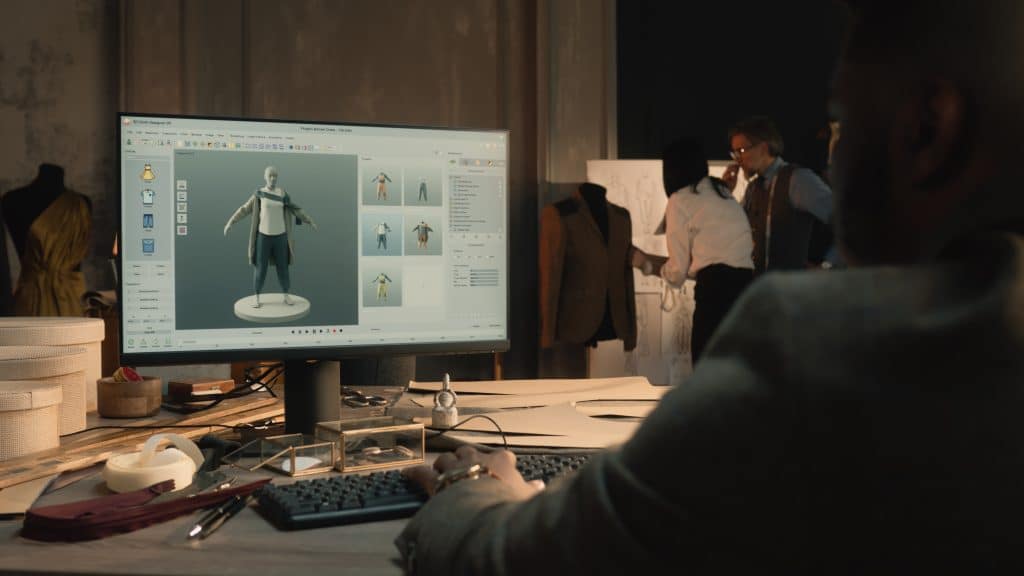
In a world of growing technological advancement, digital design has become a vital tool in cutting waste and costs for the fashion industry. A vital step before moving clothes from plan to prototype. Before physical prototypes, digital flats test silhouette, fit, and color.
Designers create clothing virtually through platforms like CLO 3D, Adobe Illustrator, Marvelous Designer, and Blender in order to finalize details before making a physical prototype or sending it to manufacturing.
On the niche side, several brands like Gucci have used digital design to dive into the gaming world, offering digital clothing that gamers can use for their avatars.
In fact, Samuel Jordan has made a name for himself as a top digital designer on Roblox, designing virtual clothing for luxury fashion houses like Burberry and Stella McCartney.
This position requires strong skills in digital design software as well as industry trend knowledge. Most employers require a bachelor’s degree in design or a related field to be considered.
3) Product Developer
Average Salary: $72.8k
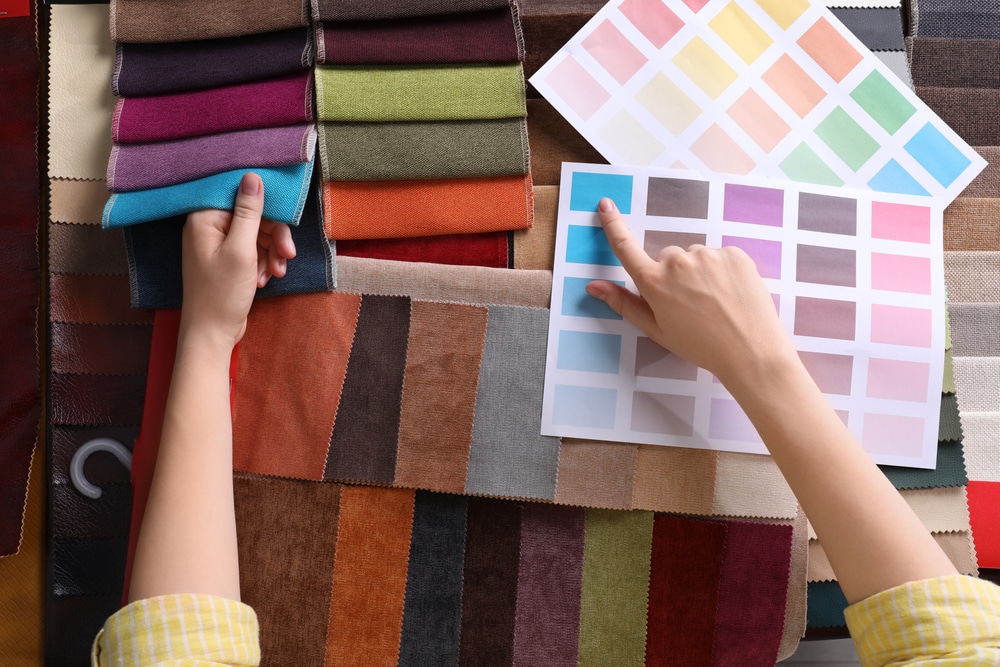
At the forefront of innovation and cross-functionality, product developers oversee the creation of clothing and accessories from concept to final product.
It’s all about teamwork—strong collaboration with other creatives, from designers to manufacturers, in order to meet quality, cost, and market trends. Product developers are involved in the fabric selection process and prototype development as well as fit testing.
Employers seek professionals with degrees primarily in fashion merchandising, design, or related fields. Proficiency in tech design software and an attention to detail are required.
Leverage opportunities—apply to internships in product development. Companies like NIKE offer internships that provide mentorship and valuable experience, as well as pathways for potential full-time employment from successful completion.
4) Stylist
Average Salary: $39.2k
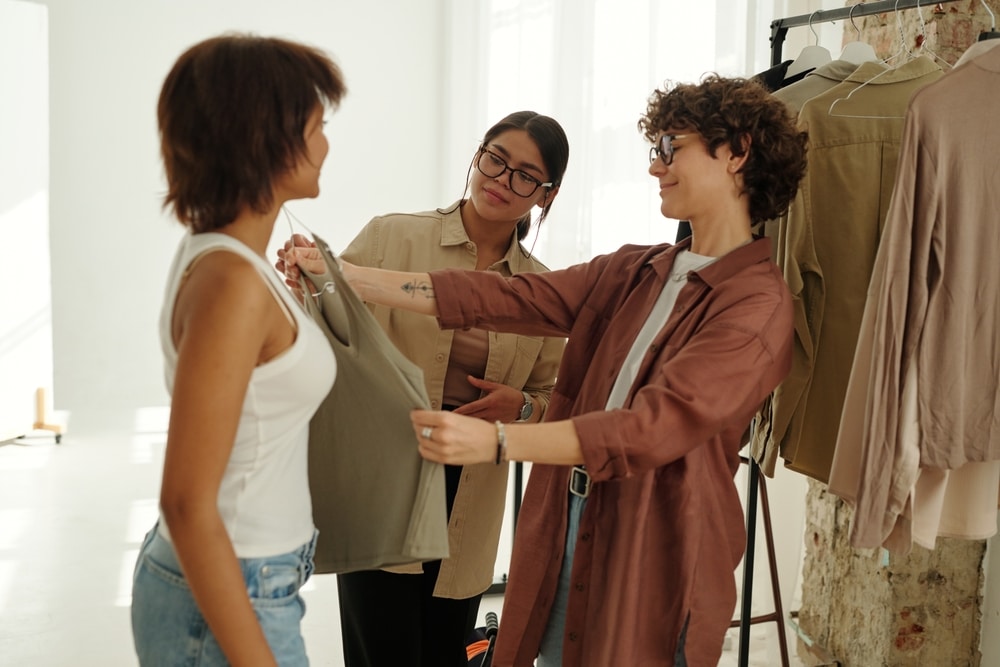
Watch your favorite show, look deeper, and you’ll see how clothes are used to set an era or theme. The little details are what make a story deeper.
From movies to personal clients or retail stores, stylists curate looks and specific styles to curate a certain image. On the retail side, they may put together outfits for campaigns or store mannequins based on specific aesthetics. However, stylists with personal clients may curate a wardrobe to shape public perception.
To be a stylist, you have to have a knack for creative ideation in addition to a strong knowledge of fabrics, patterns, color theory, and industry trends.
Employers prefer candidates with professional degrees in fashion-related fields, but they are not required to be considered for the role. Employers prioritize suitable portfolios, skills, and work history.
In order to excel as a stylist, you must network. Volunteering for fashion events, building relationships with professors, and being active on platforms like LinkedIn are key tools to achieving success in this industry. Connections are key because fashion thrives on communication. Anyone could be a potential colleague or employer.
5) Apparel Sourcing Manager
Average Salary: 140k
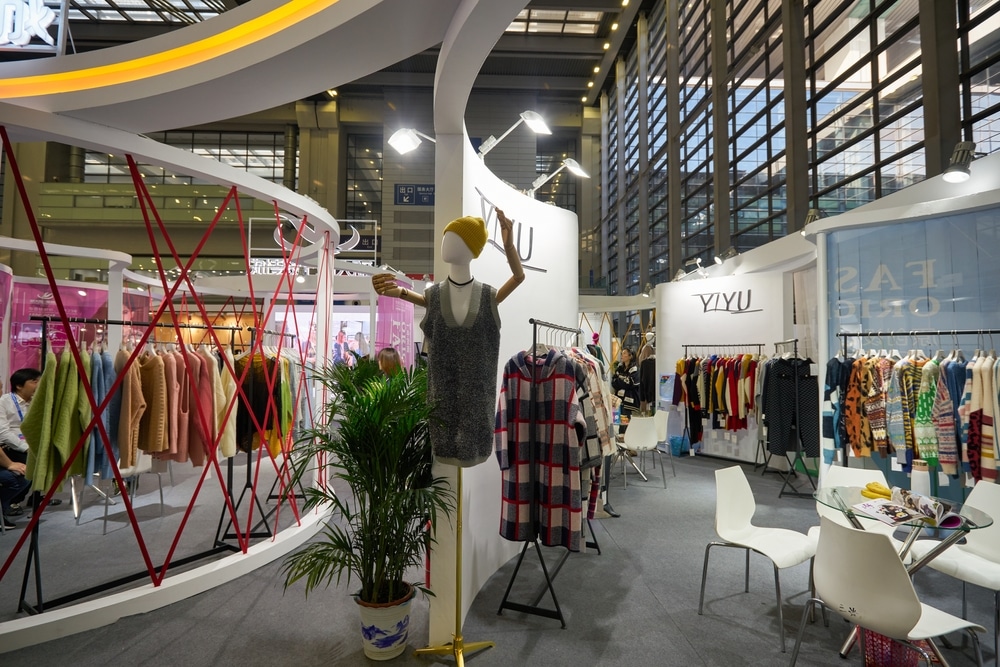
Most fast fashion brands like Urban Outfitters or H&M don’t produce all their own clothing. They may have an idea of what they want to create, but it’s the manufacturers that produce their stock.
That’s where apparel sourcing comes into play. Selecting and finding manufacturers with the best materials for the best price of the best quality.
Those in this role involve supply management as well as cost negotiation and ensuring pristine production quality. A strong knowledge of global supply chains, vendor communications, and price negotiation is required.
Employers typically look for candidates with degrees in supply chain, business, or fashion. A strong familiarity with PLM systems and ERP tools is preferred.
6) Creative Director
Average Salary: 142k
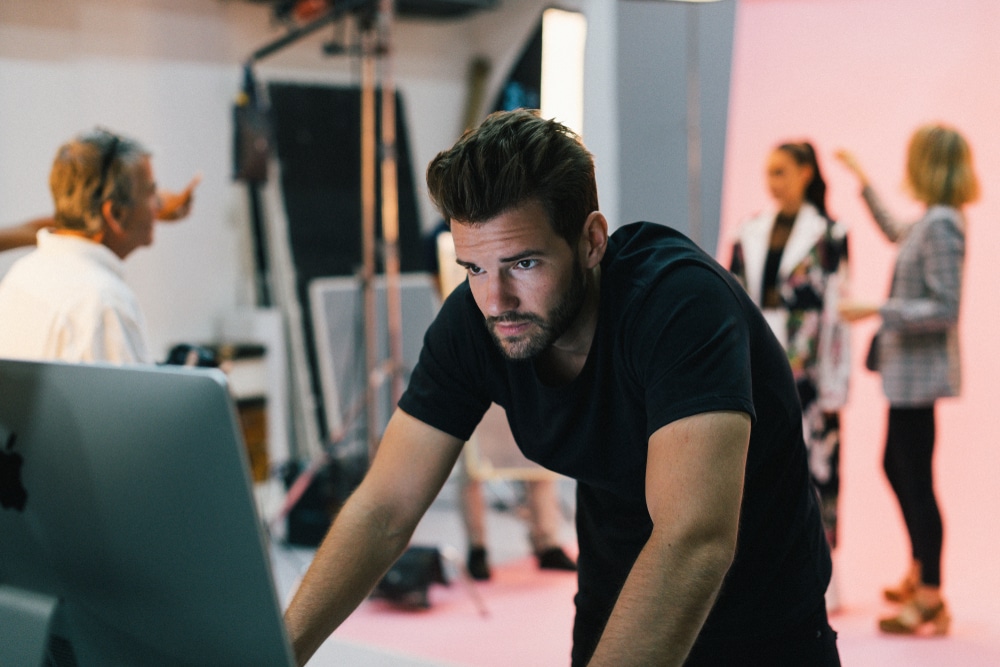
Ever wonder who the creative visionaries are behind your favorite magazines and campaigns? Creative directors work at the soul of brand identity, marketing, and visual storytelling, using knowledge in trend forecasting, leadership, and innovation.
While employers typically look for candidates with degrees in design, marketing communications, or related fields. This role requires cross-functionality. An education in fashion isn’t enough anymore. Employers look for people who stand out as well as strong skills in design software like Adobe Creative Suite.
7) Retail Buyer
Average Salary: $86k

You go to a store and look for that must-have piece that everyone seems to be posting on TikTok. You find out it’s sold out everywhere, but how can this be? Why isn’t there any more?
As the brains behind retail stores’ selections, retail buyers are in charge of planning and purchasing merchandise for stores to resell to customers. How much they need to sell to make a profit, when they need to sell out, and figuring out the needed discounts to entice buyers.
Effective communication skills are essential, as this role requires regular interaction with manufacturers and wholesalers. They visit showrooms, negotiate deals, and manage budgets.
Employers typically look for candidates with degrees in fashion merchandising or management, as well as business or related fields.
8) Freelance Designer
Average Salary: $99.2k
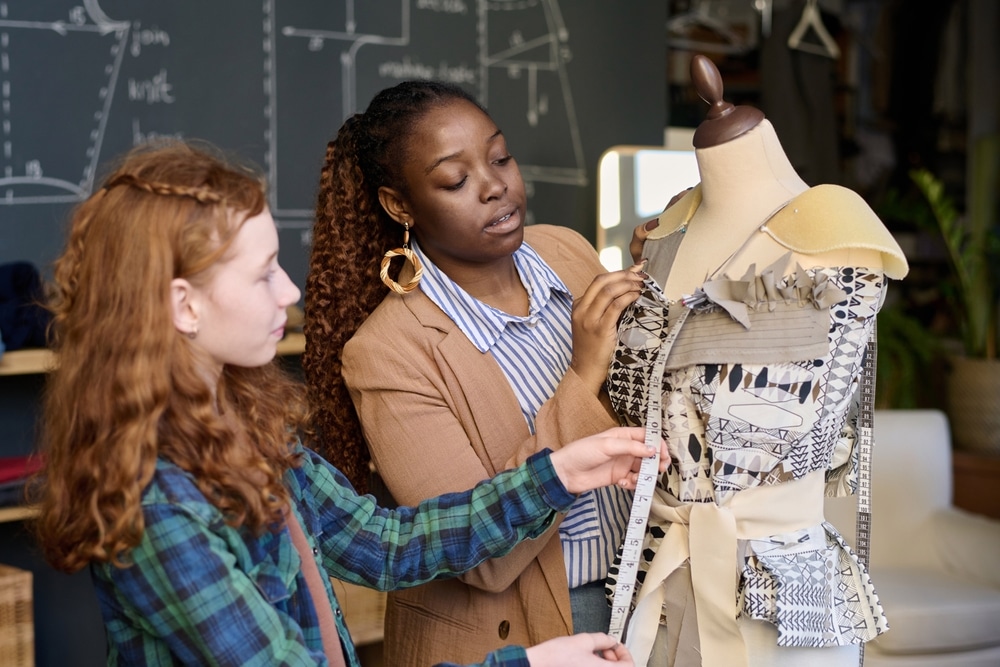
Creative and independent, freelance designers specialize in creating garments for brands as self-employed independent contractors. While the responsibilities of the role depend on the specific contract, designers typically conceptualize from sketches to developing prototypes.
Companies typically look for designers with fashion-related degrees and industry experience. This position requires skilled work in garment construction and precision to meet clients’ specific visions, as well as a prepared portfolio showcasing those skills.
Create a well-rounded, visually appealing resume. You want to showcase your personality; however, employers look for basic, professional, easy-to-read resumes. Let your experiences speak for themselves.
9) Site Merchandiser
Average Salary: $69k
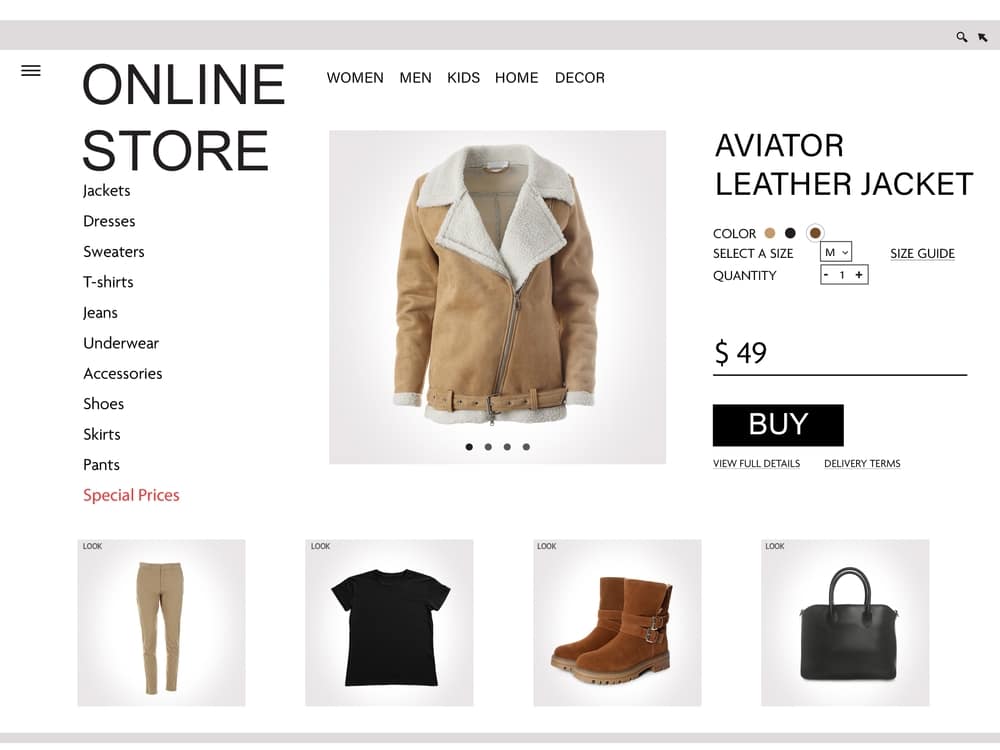
If you go to any popular brand’s website, like Dior, you’ll see an aesthetic similar to what they have in stores. Perfectly organized sections to match their branding, whether you’re looking for fragrance or fashion.
As e-commerce has become a vital sector of the fashion industry, site merchandisers have become essential in enhancing the customer experience, further shifting how people shop.
They merge creative strategy and functionality through curating the presentation of brands’ websites as well as monitoring data analytics in order to drive sales.
Employers typically look for candidates with strong analytical skills and bachelor’s degrees in marketing, fashion merchandising, business, or related fields. Technical skills and experience with web tools like content management systems (CMS) and merchandising platforms are required.
10) Fashion Trend Analyst
Average Salary: $88.5k
You browse the mall and see five versions of the same low-rise bootcut jeans; a slightly different color or fit, but the same general theme plays out in every store you go to. You then approach the clearance rack and notice everything just seems so “last year.”
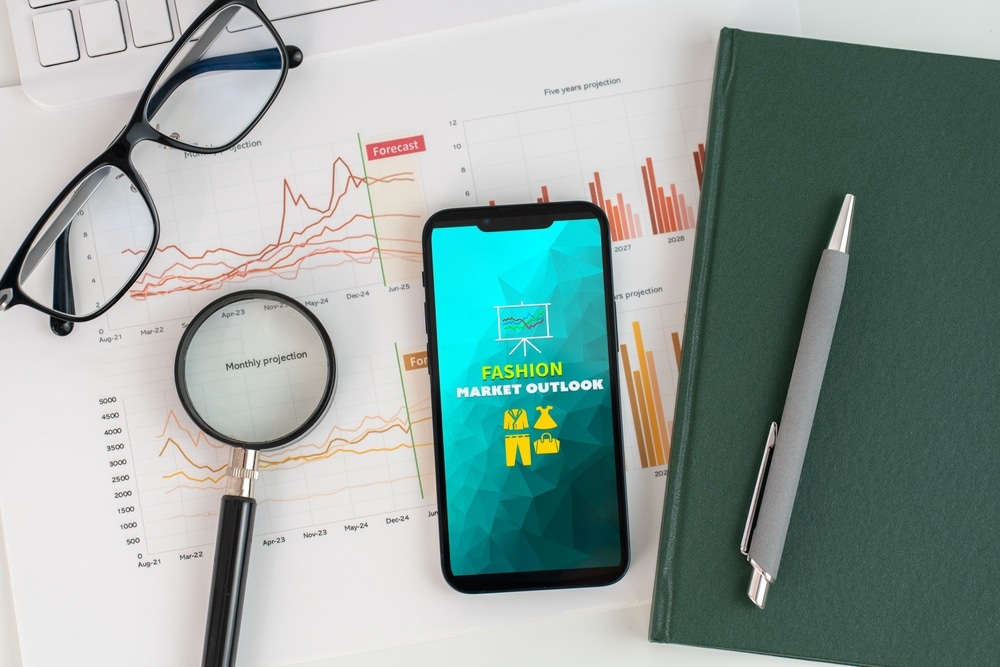
At the intersection of history, market research, and fashion, trend analysts use consumer data and market research in order to make informed predictions about the latest fashion trends.
These analysts compile their data, often visually, with documentation, which helps brands make informed decisions on what they should sell in stores.
Employers look for candidates with degrees in fashion, market research, business, or related fields. Applicants should display an interest in fashion and strong research and data analysis skills.
Go apply!
Finally, what do you bring to the table? Candidates should have a portfolio that showcases their strongest skills.
From merchandising to design, there are many ways you can dive into the fashion world. Don’t be afraid to put yourself out there; pursue a career you’re passionate about!