Fashion collaborations used to feel like major cultural events. They were rare, carefully planned, and genuinely exciting for consumers. Whether it was a luxury designer partnering with a department store or a celebrity creating a limited collection with a brand, collaborations once carried a sense of exclusivity that drew people’s attention.
Long lines outside stores, instant sellouts, and highly anticipated launch campaigns made collaborations feel meaningful rather than routine. Today, that same excitement feels harder to find.
Collabs have become nearly impossible to escape. Every few weeks, another partnership is announced between a clothing brand and a celebrity, influencer, fast-food chain, grocery store, or entertainment company. While some collaborations still succeed, many feel repetitive, rushed, or created solely for internet attention. Instead of producing collections with strong design identities, brands increasingly rely on shock value to generate online engagement.
Rather than asking whether the designs are fashionable or functional, people are asking a different question entirely: “Why did these two brands even work together?”
When fashion actually felt intentional
Fashion partnerships originally worked because brands understood both their audience and their purpose. They filled a gap in the market and gave consumers something they genuinely wanted.
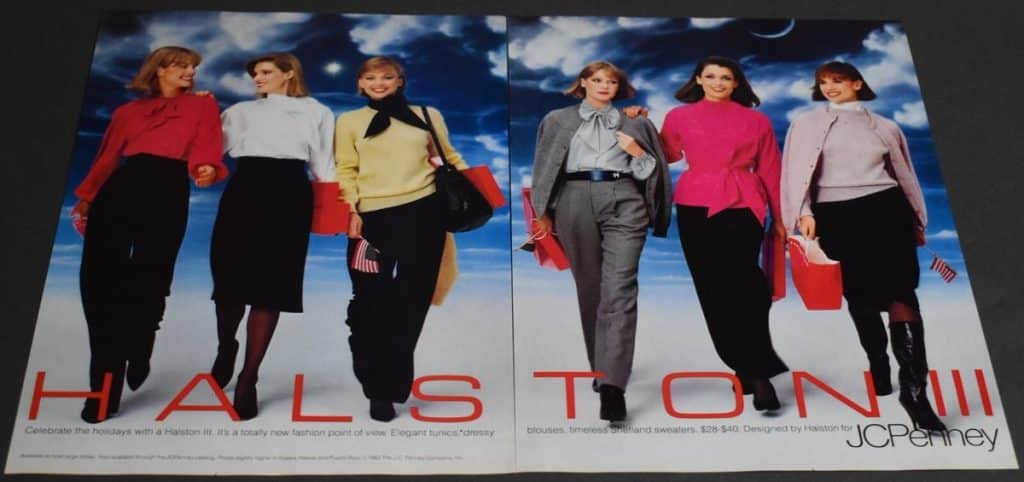
One of the earliest examples was the 1983 Halston x JCPenney collaboration. At the time, luxury fashion was viewed as highly exclusive and inaccessible to average consumers. Halston attempted to change that by developing a more affordable collection featuring minimalist jackets, skirts, blouses, and dresses inspired by his signature aesthetic. While the partnership received backlash from luxury designers, the collaboration was ahead of its time. Today, affordable designer partnerships are considered normal throughout the fashion industry.
Another highly influential collaboration in fashion history was the 2004 Karl Lagerfeld x H&M collection. Many fashion historians credit this partnership with permanently changing the relationship between luxury and fast fashion. The collection included tailored blazers, skinny jeans, dresses, and eveningwear inspired by Lagerfeld’s iconic Chanel-era styling. The pieces sold out almost instantly, and the collaboration garnered enormous media attention worldwide.
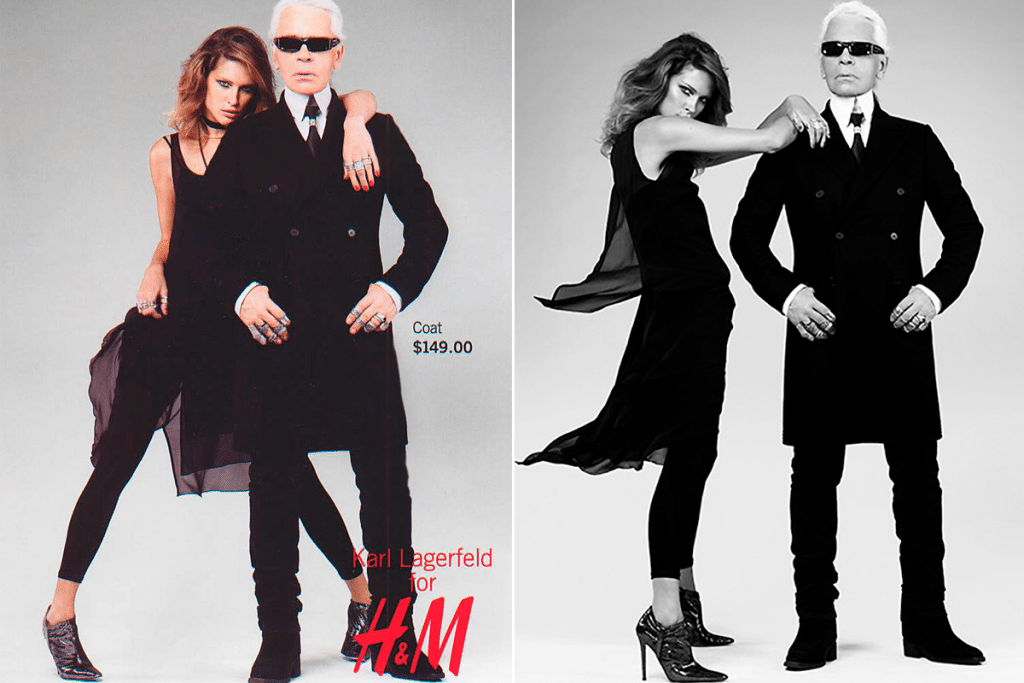
It succeeded because both brands understood their audience perfectly. H&M shoppers wanted designer-inspired clothing without luxury prices, while Karl Lagerfeld’s involvement brought exclusivity and prestige to the collection. The collaboration felt natural, not forced. Pieces from the collection remain valuable among collectors and vintage resellers.

This success inspired later H&M collaborations with brands such as Versace and Mugler. Although each collection had a completely different aesthetic, they still felt intentional because there was a clear overlap between their audiences and the designs.
The rise of “collab fatigue”
As collabs started becoming more profitable, brands started releasing them constantly. What once felt rare slowly oversaturated the market.
One major contributor to this fatigue is celebrity overexposure. Instead of collaborating with people who reflect a brand’s image, modern companies frequently rely on the same celebrities and influencers. As a result, the partnerships lose individuality because audiences no longer associate the celebrity with one specific niche.
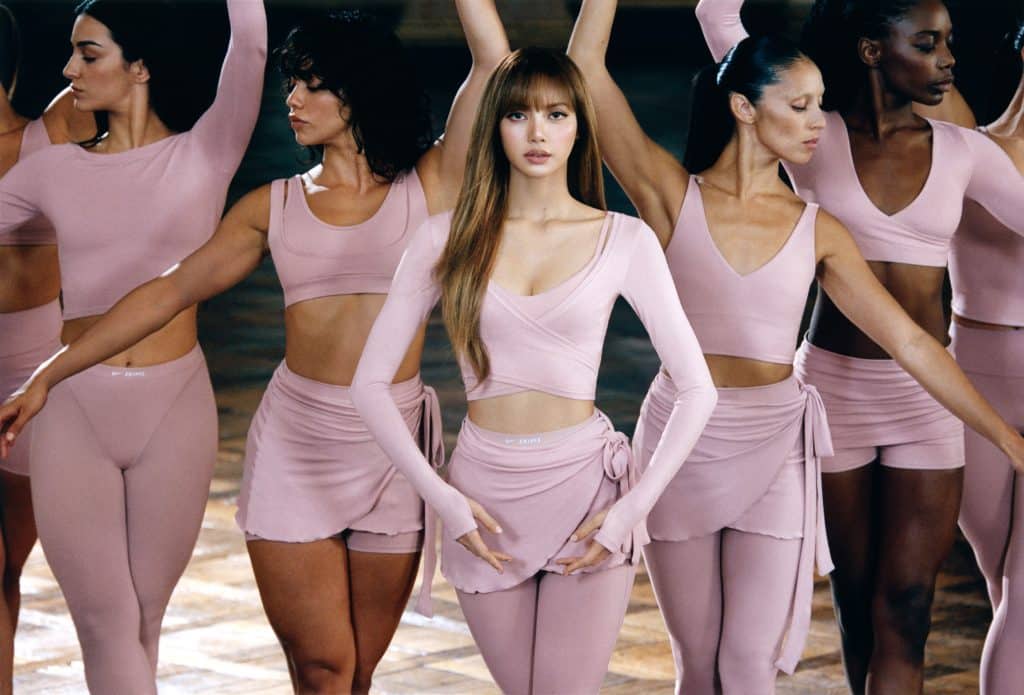
For example, Lisa has appeared in campaigns for Nike, Skims, Louis Vuitton, and Bulgari, among many others. While these campaigns increase visibility, tying one celebrity to multiple unrelated brands weakens the uniqueness of each partnership.
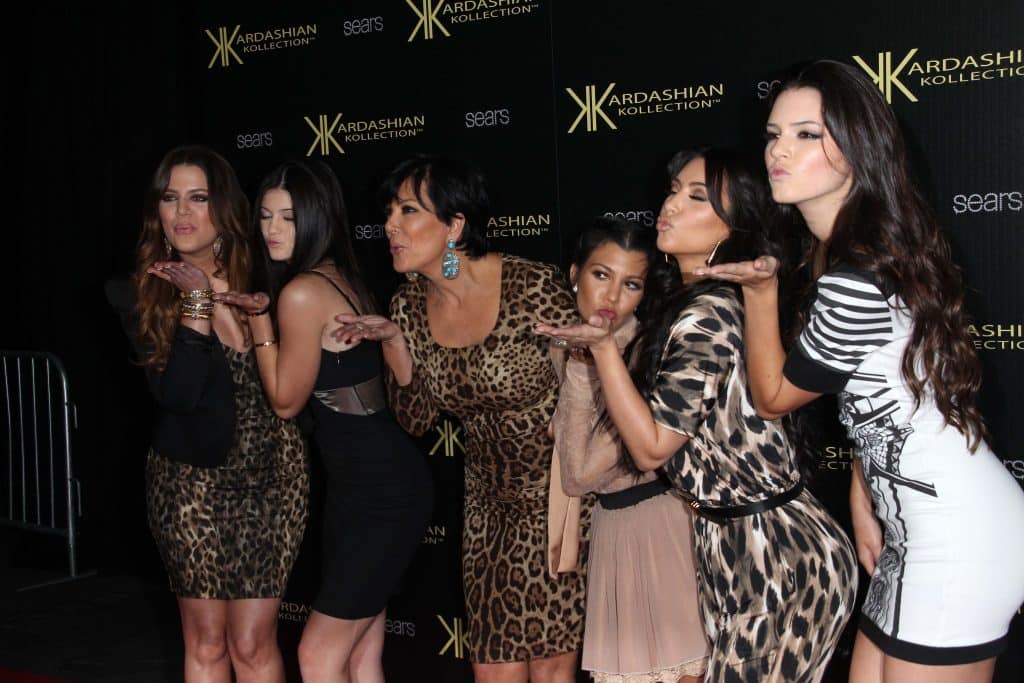
The same applies to the Kardashian family. They have attached their name to countless fashion and retail brands over the years. From department stores to luxury labels, their constant stream of partnerships has made new collaborations feel less exciting to consumers. Eventually, audiences stop viewing collaborations as exciting events and begin seeing them as another marketing strategy.
When Brands Forget Their Audience
Another reason modern collaborations fail is that brands often misunderstand the people who actually shop with them.
A great example is the 2022 Gap x Yeezy x Balenciaga drop. Initially, the partnership generated massive hype because it combined one of the world’s biggest basic retailers with one of the most influential names in modern streetwear. Many people expected the collaboration to redefine affordable fashion.

However, the collection struggled to maintain excitement after launch.
Gap customers were accustomed to clean-cut basics, denim, and everyday clothing. Yeezy, on the other hand, focused heavily on oversized silhouettes, muted tones, and experimental styling. The collection featured unusually shaped hoodies and jackets that many Gap consumers viewed as impractical or confusing.
One of the most criticized moments came from the in-store presentation. Clothing was displayed inside large bins resembling trash bags rather than neatly organized shelves or racks. While some viewed the presentation as artistic, other shoppers saw it as strange.
Pricing also became a major issue. Gap had built its reputation around affordability, yet a number of Yeezy Gap items were priced significantly higher than what the retailer typically charges. For example, the average Gap hoodie runs around $20-$40. But the Yeezy Gap hoodies were going for $240.
Instead of blending the strengths of the two brands, the partnership felt like two completely different audiences forced into the same space.
Fashion’s ‘random era‘
Collabs have now entered what many consumers consider a “random era,” where brands partner with companies unrelated to fashion simply because it creates online discussion.
Crocs is known for this. Over the past several years, Crocs has collaborated with an enormous range of brands involving food, gaming, entertainment, and pop culture. While some of these partnerships have become viral successes, they also represent how collaborations are largely driven by internet novelty.
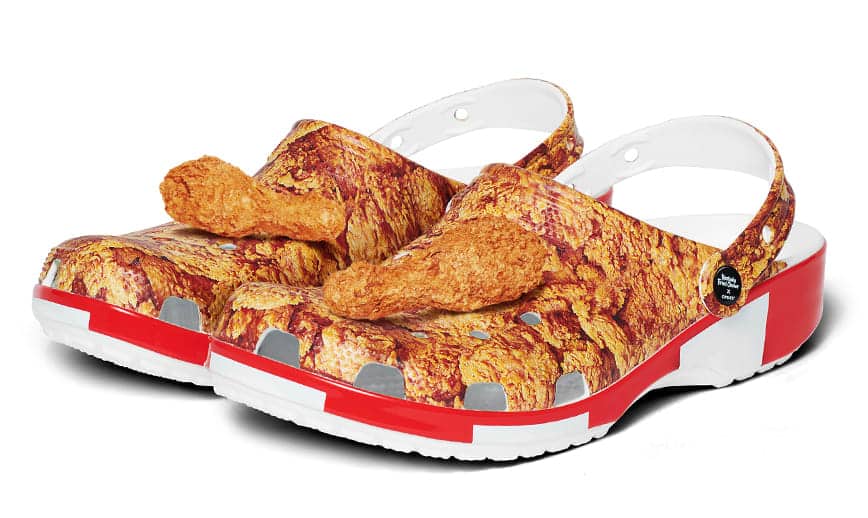
The KFC x Crocs collaboration yielded one of the internet’s most bizarre fashion moments. The shoes featured fried chicken graphics, red-and-white bucket-inspired stripes, and even removable chicken drumstick Jibbitz charms.
The collection sold out quickly online, but much of the attention came from shock value rather than admiration for the actual design.
The Balenciaga x Erewhon collaboration is another example. Erewhon, a high-end grocery store known for its expensive smoothies and celebrity wellness culture, partnered with Balenciaga on a collection featuring t-shirts, tote bags, hoodies, baseball caps, and water bottles covered in Erewhon branding.
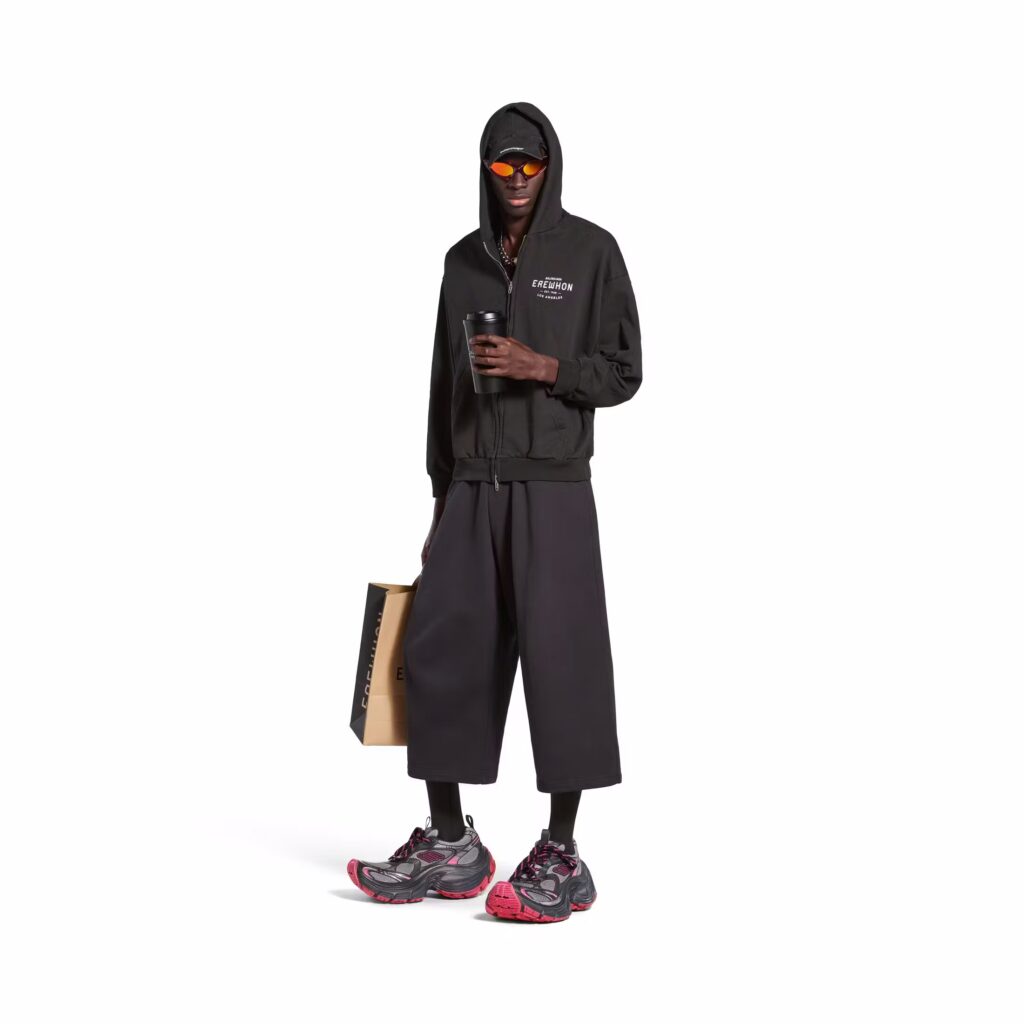
While both brands appeal to wealthier consumers, many people criticized the collection for looking less like luxury fashion and more like employee uniforms or grocery store merchandise. The pieces relied on oversized logos without offering particularly innovative designs.
These collaborations reveal how consumer culture has changed. Some people genuinely enjoy the humor and absurdity. However, the shift toward random branding can make collaborations feel hollow. When every product is designed to become a meme or social media trend, the fashion itself feels secondary.
Is there still a future for fashion collaborations?
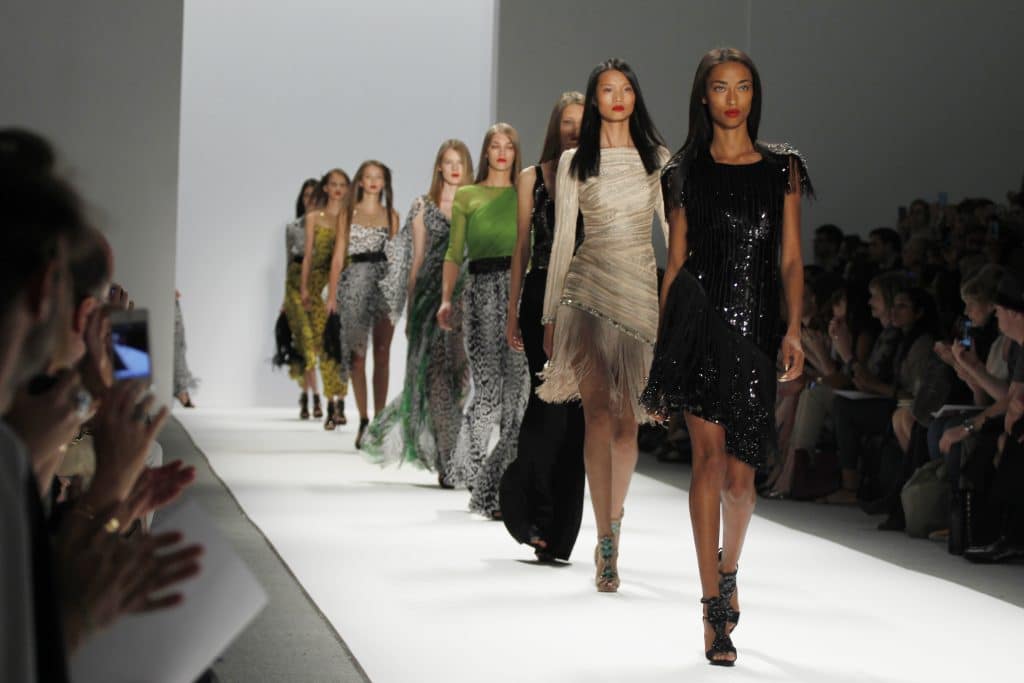
Despite the oversaturation, fashion collaborations are not losing their value entirely.
They have introduced a more playful and experimental era of fashion where consumers can wear clothes connected to their favorite brands, artists, restaurants, or forms of media. For some people, collaborations are less about exclusivity and more about personal expression, humor, and identity.
Not every collaboration needs to be serious or groundbreaking to succeed. The idea of wearing shoes inspired by fried chicken or carrying a luxury grocery store tote bag may seem absurd, but that absurdity is also what makes the item fun.
Still, the collaborations that leave a lasting cultural impact are generally the ones that feel intentional. Consumers respond best when brands clearly understand their audience, maintain reasonable pricing, and create innovative designs.
Moving forward, fashion brands could improve future collaborations by focusing less on clickbait and more on cohesion.
After all, fashion collabs only work when they cultivate real excitement. Without a clear purpose, even the most viral collaborations risk becoming forgettable.