The fashion industry is at war within itself: fast fashion vs. sustainable fashion. Consumers can be left wondering what items to truly invest in, now that fast fashion is at an all-time high. On the one hand, fast fashion fits the quick-paced trends that come and go at a price for average consumers. Yet, how does that compare to more sustainable practices?
Speed vs substance
“Fast fashion” is a term used to describe the rapid production of inexpensive clothing that mimics the styles of popular, expensive brands. What sets the clothing apart from others is its primary purpose: to generate profit quickly by producing the latest trends at low prices. Fast fashion corporations want consumers to consistently keep up with what’s new by launching dozens of collections throughout the year. It differs from the two to four collections a year brands used to launch before the 21st century.
Items are typically made of inexpensive materials such as polyester, nylon and acrylic. Using cheap materials helps keep manufacturing costs down, allowing companies to avoid slowing down launches. The most popular brands include Shein, H&M, and Zara, whose majority of items are made from polyester.
In 2025, the fast fashion industry is worth $45.97 billion and is expected to reach $67.77 billion by 2032, according to a Coherent MI report.
The true cost of fast fashion
Our Environment
While many think fast-fashion brands help average consumers, these corporations do more harm than good to maximize profit.
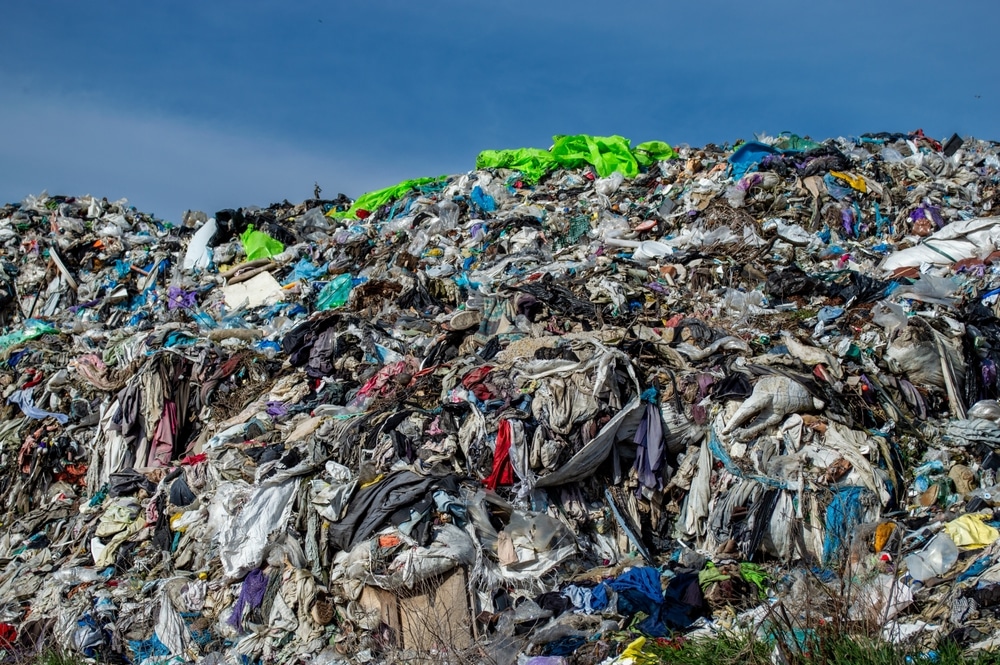
Without a doubt, these brands emphasize quantity over quality. Companies prioritize using the cheapest materials to maintain supply and demand. On the contrary, using those materials often doesn’t last under ordinary consumer care. Not only does it push consumers to buy for short-term wear, but the overconsumption of discarded textiles also harms us and our planet. We generate 92 million metric tons of textile waste globally, according to CNN International.
Polyester, the most widely manufactured and inexpensive material, isn’t biodegradable and releases microplastics into the oceans, according to the United Nations Regional Information Center for Western Europe. The material can take centuries to break down, and even then, it isn’t truly gone, leaving microplastics in the water.
Dyeing polyester and other materials can also be hazardous. Untreated wastewater from dye production is discarded into local water systems, according to a National Library of Medicine study. Releasing these toxicants into our water systems can impact the health of animals and nearby residents.

Health
The production and widespread use of polyester can also affect the health of both consumers and manufacturers, posing major risks. These include skin irritation, autoimmune diseases, respiratory issues, or even cancer with prolonged exposure.
Poor Work Environment
The labor environment surrounding the manufacturing of these clothes causes the most controversy within the industry.
Countries like Bangladesh, India, China, Vietnam, and Indonesia are sources of low-cost labor that fast fashion demands. Workers are paid unlivable wages and work for exhausting hours. There are about 60 million factory workers worldwide, and fewer than 2% earn a living wage. Workers also endure wage theft, unsafe conditions, and abuse.
The exploitation of workers mostly impacts women, with the majority of global garment workers being female. Women are mostly subject to abuse, including sexual harassment.
These practices also rely on children in the poverty cycle to work. The majority of garment workers in India began working before age 18, according to a survey.
What about slow fashion?
Sustainable fashion, or “slow fashion”, is growing into a movement. Unlike fast fashion, it prioritizes eco-friendly practices by encouraging consumers to consider quality over quantity.
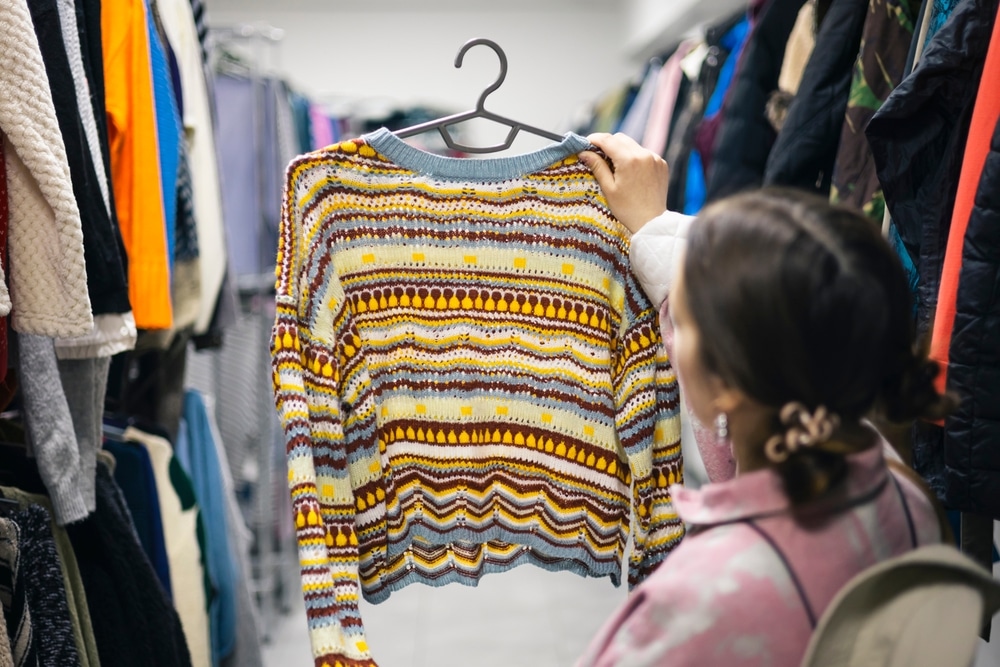
Other materials, like organic cotton and linen, fit the more sustainable aspects of fashion. However, the initial cost of the material can steer people in the other direction. A shirt bought from Shein can cost three times less than a shirt from a “100% cotton” small company. Purchasing second-hand clothing can help lower costs, but it can be a gamble if you’re looking for something specific. Clothing is hardly ever new, sizing is limited, and what’s left in thrift stores are items that are no longer in style.
Online thrift websites and apps are seen as best suited for Gen Z looking for vintage clothing. However, as popularity rises, resellers are raising prices, making thrifting no longer affordable.
A journey to style without sacrifice
Whether you shop at Zara or on Depop, overconsumption can reduce textile waste in landfills. The increasing amount of clothing we buy and then eventually throw away has a negative effect on our planet. Changing our mindset toward buying for long-term use can help both our wallets and the environment. Look far beyond “micro-trends” and ask yourself whether you would still wear a piece of clothing even if it’s out of fashion.
It’s easy to ignore what we don’t know. Calling out brands for their working conditions and harmful environmental practices can pressure them to adopt better practices, especially when they aren’t as transparent about their manufacturing. Go beyond the clothing tag and research which brands and materials work for you. There are multiple small businesses that lead with sustainability.
Once purchased, care for your clothes by repairing rips, using non-abrasive detergents, and combining garments.