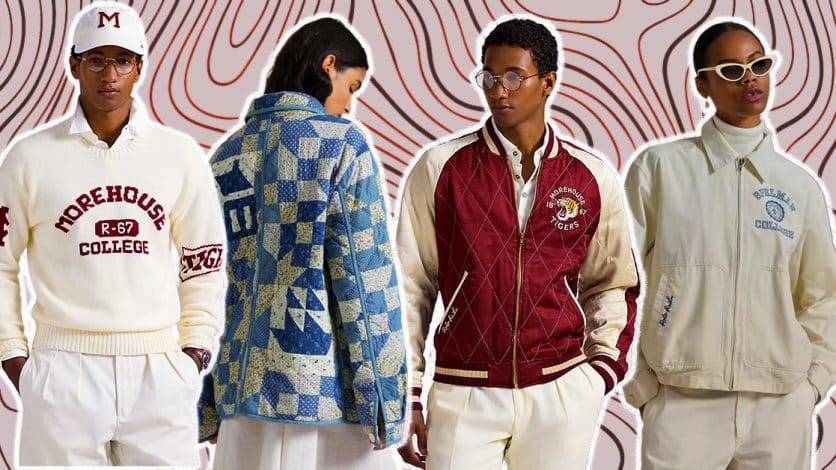
As of late, when you catch yourself plunging endlessly into the depths of TikTok’s algorithm, you may notice the current trend of ethnically rich young men switching their style from comfortably stylish matching sweatsuits and Nike Techs. The move towards prep fashion is evident as they opt for soft cotton quarter zip-ups and freshly ironed slacks.
Among Gen Z, prep fashion seems to be making a comeback. Even more, a trend that, for older generations, flips degeneracy on its head and, for some, opens another realm of fashionable possibilities.
The fashion is privileged and polished, looks feel tailor-made and measured- a taste of the upper echelons. But preppy fashion isn’t new to Black culture; it’s just rarely recognized as such. It’s a certain kind of Black style that doesn’t demand attention but holds it anyway. Crisp collars, calculated layering, and tailored lines.
Today, that fashion taste is resurfacing as “Black prep.” Historically, it held another title: Black dandyism—a fashion language built on choice, dignity, and defiance.
Black and dandy, today.
In this article, we’ll be taking a cultural dive into the rise of what formal fashion has become and giving light to its predecessors and trailblazers.
You may be familiar with Black dandyism as the theme for the 2025 Met Gala. A fashion exhibition held each spring to raise crucial funding for the Metropolitan Museum of Art’s Costume Institute. You will see stars and social media celebrities, alike, dressed in some of the most elaborate pieces to follow the chosen theme for that year.
While the quality of the executions varies, it is safe to say Black dandyism took the cake for the most ravishing looks that the Met Gala has offered us thus far.
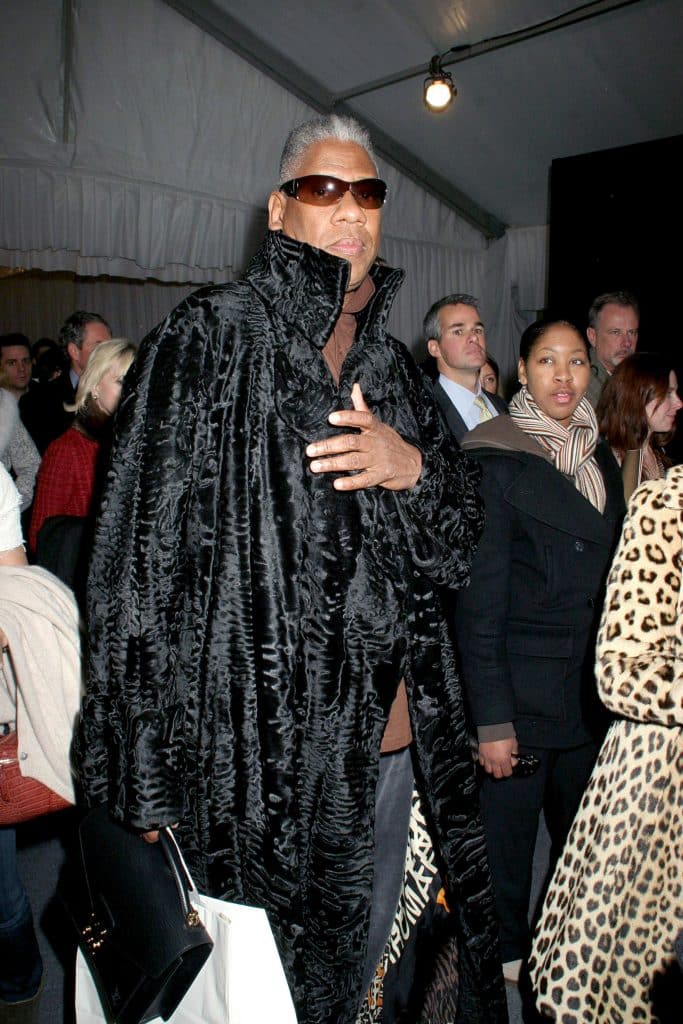
Celebrities such as Grammy award-winning rapper, Doechii, hit the red carpet in her custom Louis Vuitton short suit. Paying homage to the late Vogue magazine editor, André Leon Talley.

But fancy fashion didn’t start at the Met Gala, and behind the scenes, Black people have been dressing with the best of them, slowly forming their own impression on society.
This was never new
Despite the recent popularity of the ‘quarter zip’ trend on TikTok, reframing the look as new, all preppy fashion has its roots in dandyism. The fashion aesthetic traces its roots back to 18th-century Europe, with figures such as Beau Brummell. This emphasized meticulous style as an art form. The style found its way to a developing America. Whilst African Americans were enslaved, they were unable to participate.
By the 19th century, newly freed black men used clothing as one of the few negotiation tactics for their survivability, respectability, and dignity in a society that was determined to deny them. In the dominant culture, tailoring was a marker of status. Black communities used it as a form of individuality. Quietly insistent that they were worthy of visibility, respect, and autonomy.
By the 1900s, the look had evolved into a full cultural dialect. In bustling cities like Harlem, Chicago, and New Orleans, men and women of color were dressed in 3-piece suits, tailored skirts, crisp trousers, and silk neckties. This was an era in American history where Black elegance was both celebrated and criminalized. A period of time when looking “too refined” can bring praise in one neighborhood, and violence in another.
Refinement met reality
It is essential to acknowledge the harsh reality that dressing well does not guarantee protection.
During the 1920s and 1930s, racial violence was at an extreme in America. This occurred simultaneously with popular fashion movements like Black dandyism. Racial violence during this era was widespread and often carried out with little to no legal consequence.
Lynching was a common, brutal reality, with hundreds of Black men and women murdered between the late 1910s and 1930s. Many victims were targeted for behaviors that challenged the racial hierarchy. Interracial relationships, pursuing economic independence (1921 Tulsa Race Massacre), or appearing “too proud.” Even wearing a suit could provoke violence, because it disrupted stereotypes that white society depended on to justify discrimination.
Racial violence was primarily concentrated in the South, which led to the Great Migration. This shift made it easier for some African Americans to express themselves more freely through fashion, literature, art, and music. Photography during the Harlem Renaissance perfectly encapsulates the essence of this era.
As these cultural movements evolved and time passed, entertainment and culture merged to create modern dandyism as we know it.
A revival woven in our image
Modern dandyism did not appear out of thin air. It took off the record community pioneers to grow the fashion aesthetic into the prep school, ‘Cher Horowitz‘, the top 1% fashion that we see today.
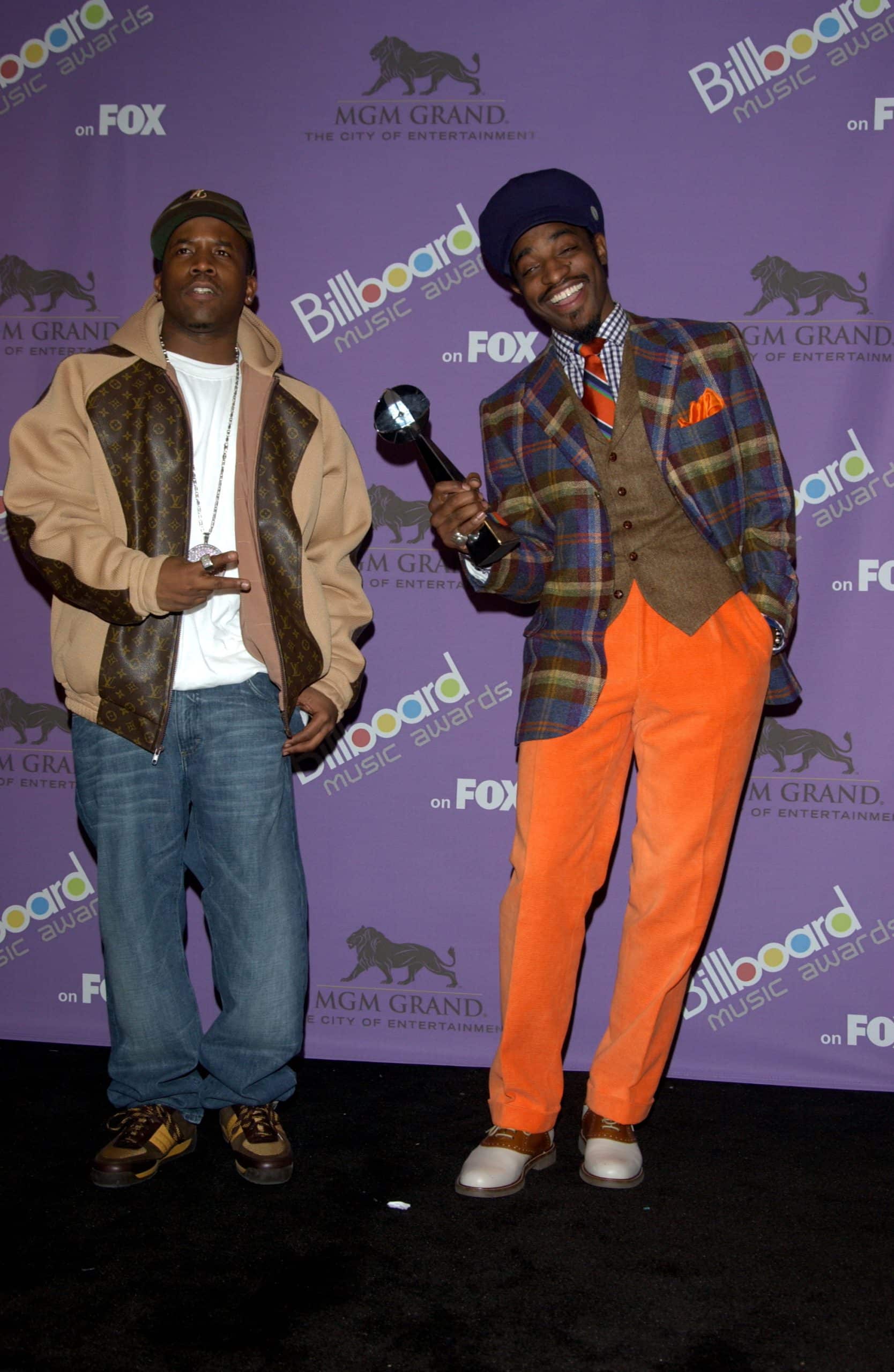
In the late 90s to early 2000s, dandyism made its first comeback as preppy fashion, as music moguls and everyday people alike brought out their popped polo collars, tennis skirts, and fitted cardigans. They were unintentionally laying the framework for modern prep as we recognize it today. Two of the few rap artists who were introducing formal fashion to the rugged and rough style of Hip-Hop were Kanye West and Andre 3000.
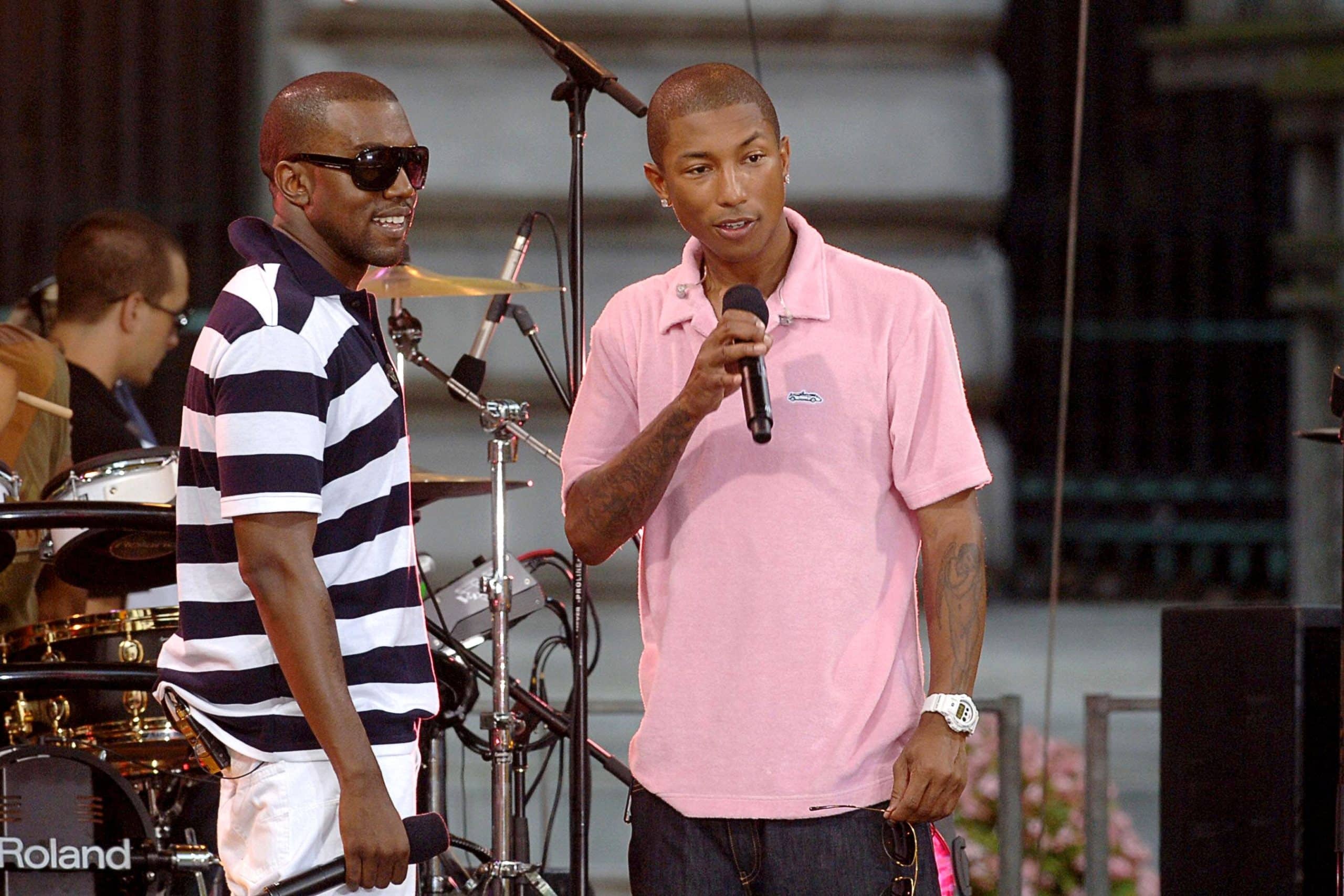
After the release of his debut album, ‘College Dropout,’ in 2004, Kanye took to interviews and award stages with a preppy style that mainstream music had not seen in a while. Especially from a rap artist. Though a controversial figure now, Kanye participated in laying the groundwork for fashion as it relates to rap music.
Outkast member, Andre 3000, also broke away from the traditional hip-hop style and shifted toward dandy-adjacent dressing in the early 2000s. From bowties to suspenders. Andre found stylistic value in the cleaner look. He is eccentric yet polished, funky and formal, he is Andre.
Dandy to disarm
That same logic shows up today, just in a different silhouette. The recent shift from Nike Techs to quarter zips isn’t only a fashion preference—it’s another moment where Black self-presentation is being quietly reinterpreted through the lens of acceptability. Quarter zips, loafers, and neutral palettes read as “safe,” “polished,” and “professional” in ways that hoodies and tracksuits often don’t, even when the behavior beneath the clothing is identical. The clothes become a buffer, a visual shorthand that eases suspicion before a word is spoken.
What’s striking is how familiar this pattern feels. From tailored suits in the early 20th century, to preppy aesthetics reshaping hip-hop’s public image, to today’s clean-cut TikTok looks, black style has repeatedly been used as a tactic to disarm perception—to make space in environments that respond differently depending on how Blackness is packaged.
The trend itself isn’t inherently negative; experimentation and evolution are part of any living culture. But the reactions to it—praise for looking “presentable,” surprise at seeming “articulate,” relief at appearing “non-threatening”—reveal how deeply appearance still controls acceptance.
The question isn’t whether Black people should wear prep. It’s why, time and again, refinement becomes the prerequisite for being seen as worthy of respect.
This is not a diss to rap music or rap artists. This is the connection between how all mediums of media of expression indirectly impact one another.
Trying prep, your way
For all readers curious about how to add more dandyism to your aesthetic. Or perhaps you’re seeking high-quality formal wardrobe pieces for special occasions in your life. I am here to help!
Whether you’re trying to impress a crush or make an impression at a job interview, these staple pieces will get you closer to your goal. This doesn’t require a closet overhaul or a commitment to formal wear. We’re just boosting your style literacy!
Build a neutral core
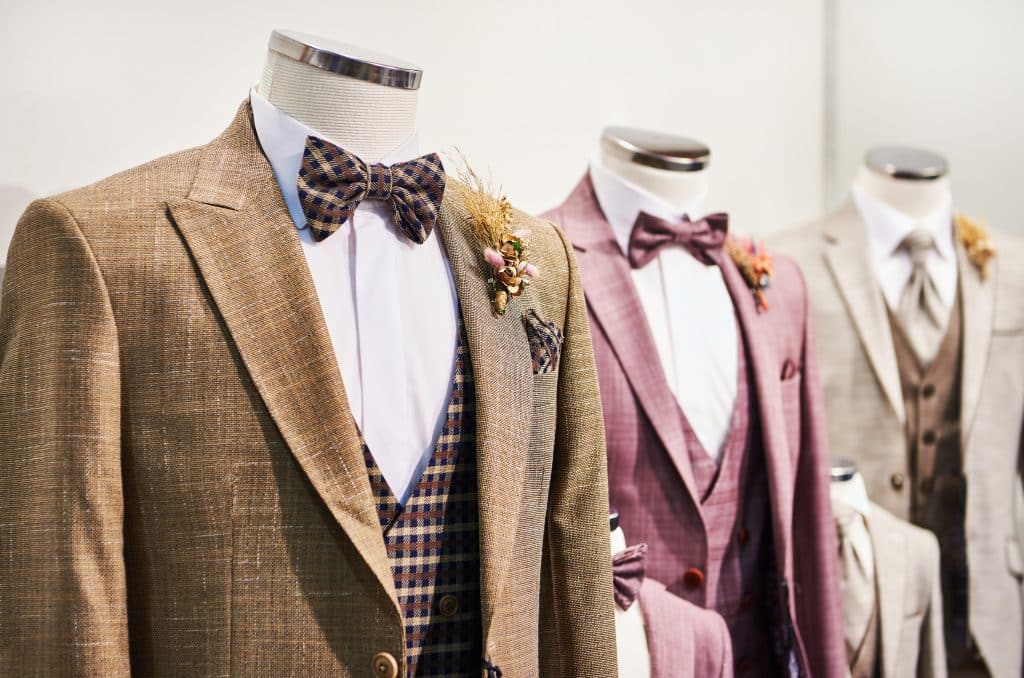
Preppy style relies on a tight color palette. Neutrals do the heavy lifting:
- Navy
- Cream
- White
- Black
- Brown
- Gray
From there, add limited colors such as forest green, burgundy, soft blue, or muted plaid. Loud prints aren’t necessary, but welcomed, depending on how creative you want to be. Texture and tailoring carry the look.
Elevate “every day” pieces
The easiest way to dress preppy daily is to upgrade basics rather than overhaul your closet.
- Switch out hoodies for crew neck sweaters or cardigans
- Trade leggings for tailored trousers or a midi skirt
- Switch out graphic tees with ribbed tanks or crisp tees layered under blazers
- It’s not about being overdressed—it’s about being intentional.
Shoes matter
Shoes can instantly make or break the look. Preppy footwear is classic, not outrageous:
- Loafers
- Ballet flats
- Low block heels
- Clean leather sneakers
Try to resist overly worn shoes; polish and condition leather when you can. Even simple outfits feel elevated when your shoes look well-cared-for.
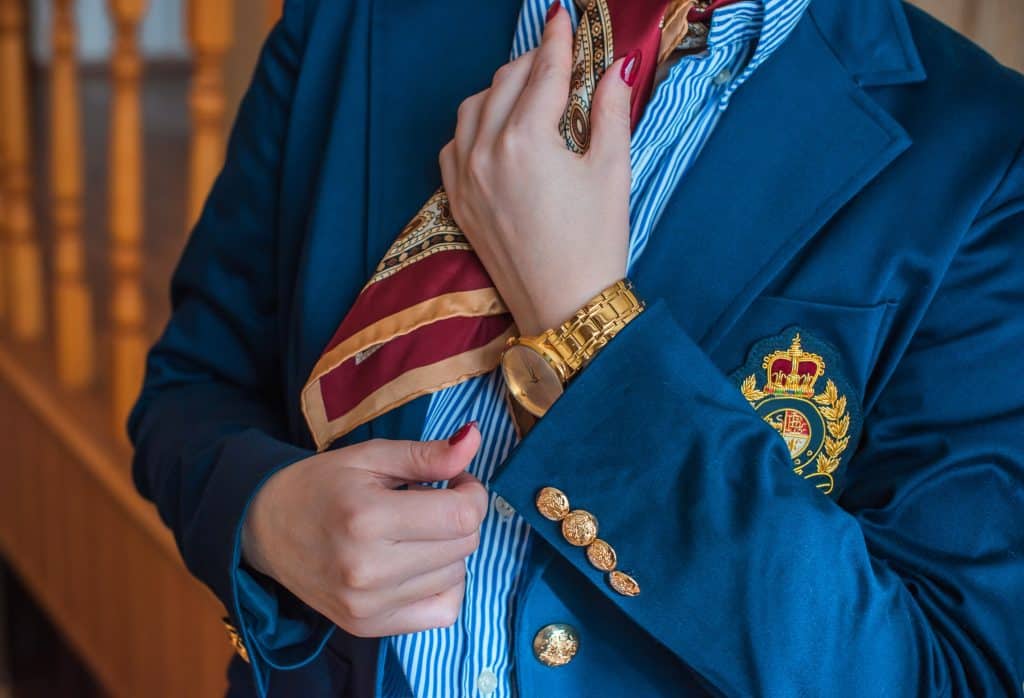
But most crucially, this isn’t about dressing to be “acceptable.” It’s about using style as a dialect. One that reflects confidence, care, and selfhood. Prep and dandyism don’t ask you to change who you are. They provide another way to showcase it.