Here’s to coming back to ourselves as we detach from the digital world.
Going Analog as a Trend
Another trend has been on the rise, and this time it’s going offline? Coined from the uprising of AI and collective algorithm fatigue, “Going Analog” is the response of Gen Z and Millennials to combat the dominance of technology in our lives. Rightfully so, scrolling through Instagram has been more draining than a 9-to-5 shift. And as the political climate heats up, big tech companies are following suit by implementing or removing policies they know people typically don’t read. In turn, they diminish our rights to privacy and ownership with each passing day. For these reasons and more, I’m all for decreasing our dependence on these little RGB boxes. However, I’ve been seeing a paradox in going analog.
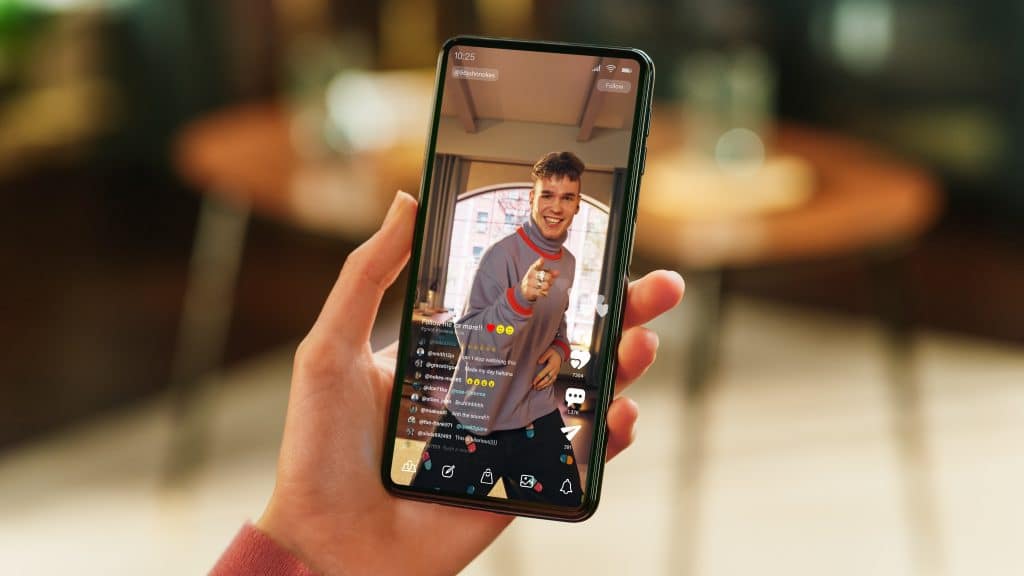
The purpose of this trend is not only to detach from our devices, but to return our attention to our own lives, while also turning away from the hive mind that is social media. Like many trends, though, people are either going analog to show others how analog they are, or they are over-consuming based on what TikTok or Instagram tells them to. That defeats the purpose of the trend. You’ll find things like the “analog bag” or people splurging on vinyls or digital cameras without a second thought. They’ll buy these things just to not really use them
Going Analog as a Lifestyle
Considering all the components of this trend, I’ve decided that truly going analog looks different for each individual. Some people were already going analog before it was called “analog”. Others may have just found out about what the concept is and are looking for ways to start. “Analog influencers,” as I like to call them, are a great source of inspiration. However, we only see what they show us, which often doesn’t involve their actual day-to-day. And online, you’re typically being sold a product based on the aesthetic rather than the personal alignment.

Going analog means a few things for me. It means eliminating the ways that technology has an unnecessary hand in making things faster and easier for me. This reliance has a hand in creating a phenomenon called instant gratification, which is directly correlated to a lack of discipline and patience. Scientifically, it conditions the brain to prioritize short-term over long-term gain. Social media and certain AI innovations feed into that loop. Going analog means finding ourselves outside of what the algorithm is feeding us, and becoming confident enough to stand true to those tastes.
Routines Around Screen Time
Look, I get it. Your phone is the one-stop shop for your everyday needs. There are only so many times you can hear “use your phone less.” However, the point of going analog is to return our attention to real life and regain control of our attention spans. We need to discern between when we want to use our phone versus when we need to use our phone. That’s why I’m starting by implementing morning and night routines surrounding phone use.

An hour before and after bed, I won’t use my phone. Instead, I’ll take care of my hygiene, read a book, and/or journal. You can tailor this with any other tangible hobby, but taking care of your hygiene is a non-negotiable. It’s an easy way to replace screen time, and there are other benefits in the long run since you’re routinely doing it. With this replacement, I sleep better at night, have vivid dreams, and a better start to my day.
Analog Clocks
How many times have you checked the time on your phone just to go on Instagram for 10 minutes, turn it off, and realize you still don’t know what time it is? How many times have you been jerked awake by an alarm on your phone, just to turn it off, and end up checking all the notifications before your brain has had the chance to process your existence? I’m guilty of both questions. And for the latter, that has always proven to make me anxious, which sets the trajectory of my day. And generally speaking, I’ve heard of people in my generation or in newer generations being unable to tell the time on an analog clock. I would hate to become that person. To combat this, I’m switching to analog clocks.
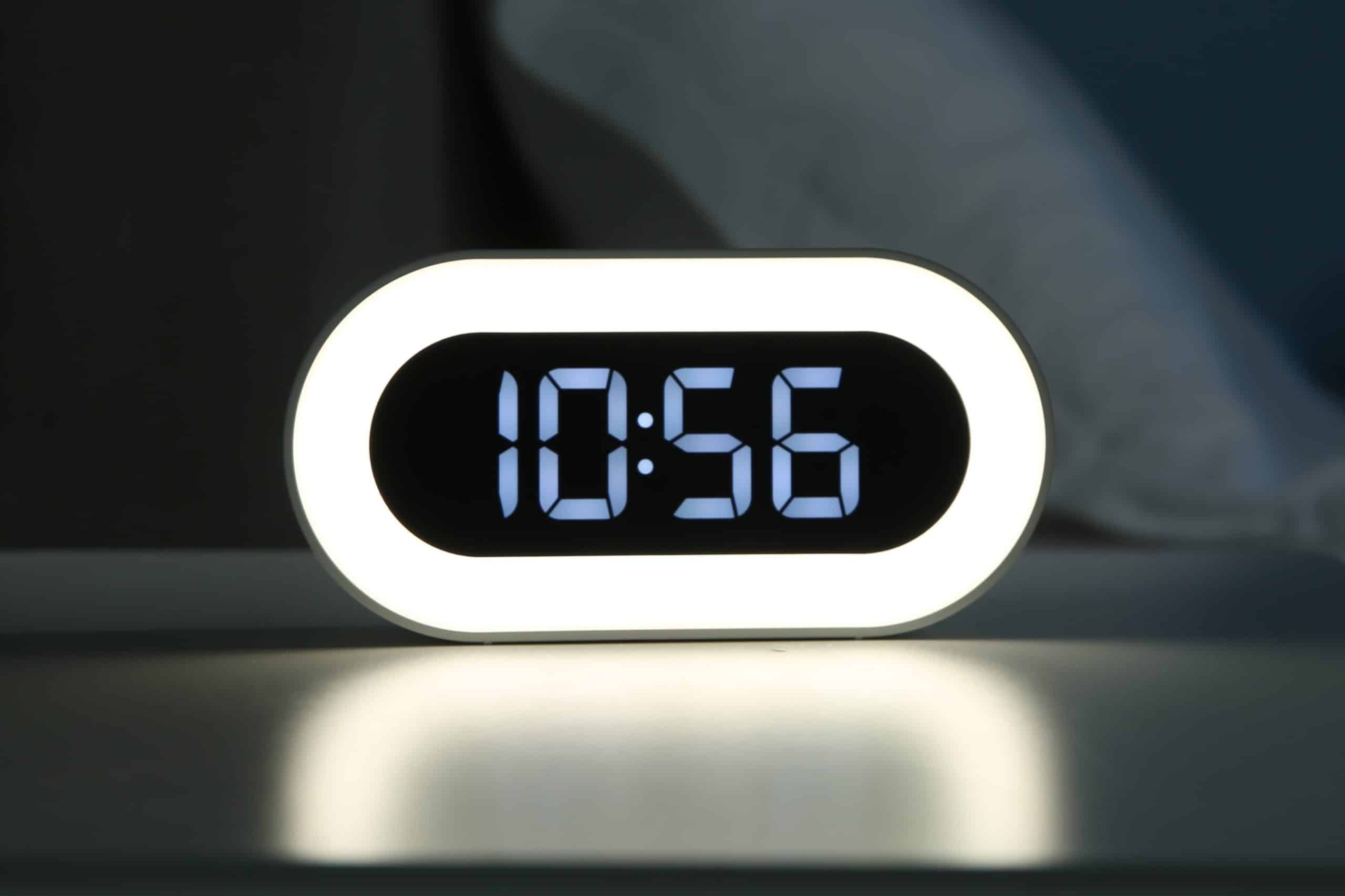
I typically wear a watch because it significantly reduces the chances of getting pulled into the vortex that is social media. That and it’s super stylish and versatile. Nothing hits quite like turning your wrist over to check the time. Talk about aura farming. As far as alarms go, switching to an alarm clock has been helpful in waking up properly. It’s still effective in waking me up while reducing the temptation and anxiety associated with checking my phone right after waking up.

Offline Hobbies
Having offline hobbies is one of the bigger aspects of the going analog trend. It’s another good way to reduce screen time, improve attention span, and promote personal creativity. While it’s nice to be prepared for boredom (and even better to embrace it), you don’t want to overwhelm yourself with choice. You also don’t want to buy a bunch of things you’ll only use once. I know the feeling of wanting to do everything and ending up doing nothing.
Since I’m guilty of both, I divided my screenless hobbies and interests into 3 categories: intellectual, active, and creative. Intellectual hobbies are any activity that feeds your mind and enhances cognitive function. Active hobbies are just that: an activity that gets your body moving. Lastly, creative hobbies are any activity that allows you to express yourself. Check out this article for inspiration on where to start! Currently, my screenless hobbies include reading, journaling, and photography. I’m also working towards learning French and creating more zines.
External Drives
One of my biggest icks of technology today is having to pay a subscription for storage. You mean to tell me that, in big 2026, multi-trillion-dollar companies can’t find a more efficient way to store data that isn’t based on capitalist gain or that doesn’t jeopardize our privacy and the environment? No matter how many cents a month you’re paying, I find having to pay at all for more invisible storage space absurd. There’s also something about leaving my data in the full control of these tech giants that doesn’t sit right with me. And if you’re anything like me, you have megabytes and gigabytes of files stacked on your phone, or any other service that allows you to keep things stored there.
Since I do multimedia work, I developed an appreciation for external drives. As a photographer, I need an SD card to take photos. As a designer, high-storage files often eat up the space I have. One day I thought to myself, “Why not just have a couple of flash drives for different purposes?” I have a work, portfolio, and personal flash drive. I’ve also invested in a multiport adapter, which allows me to connect the drives to my phone or tablet. You’ll save a lot of money purchasing a storage-heavy flash drive over paying a subscription just to have memories sitting there. Not only that, you’ll have full control over that data while being able to take it wherever you need. And there’s something about having a tangible, offline folder that’s so intimate.
Handwriting
Now, this point can sway into personal preference. Writing and note-taking on a tablet or laptop has its benefits. You save money on buying new notebooks and pens, and you have all your information in one place while having flexibility and control over the way it’s presented. On top of that, it’s aesthetically pleasing and better on your back to walk around with an iPad as a primary notebook. Unfortunately, I could never get into that. As aesthetically pleasing as it sounded, it just felt unnatural to me. Not only that, but it was another gateway to getting distracted by whatever notification popped up.
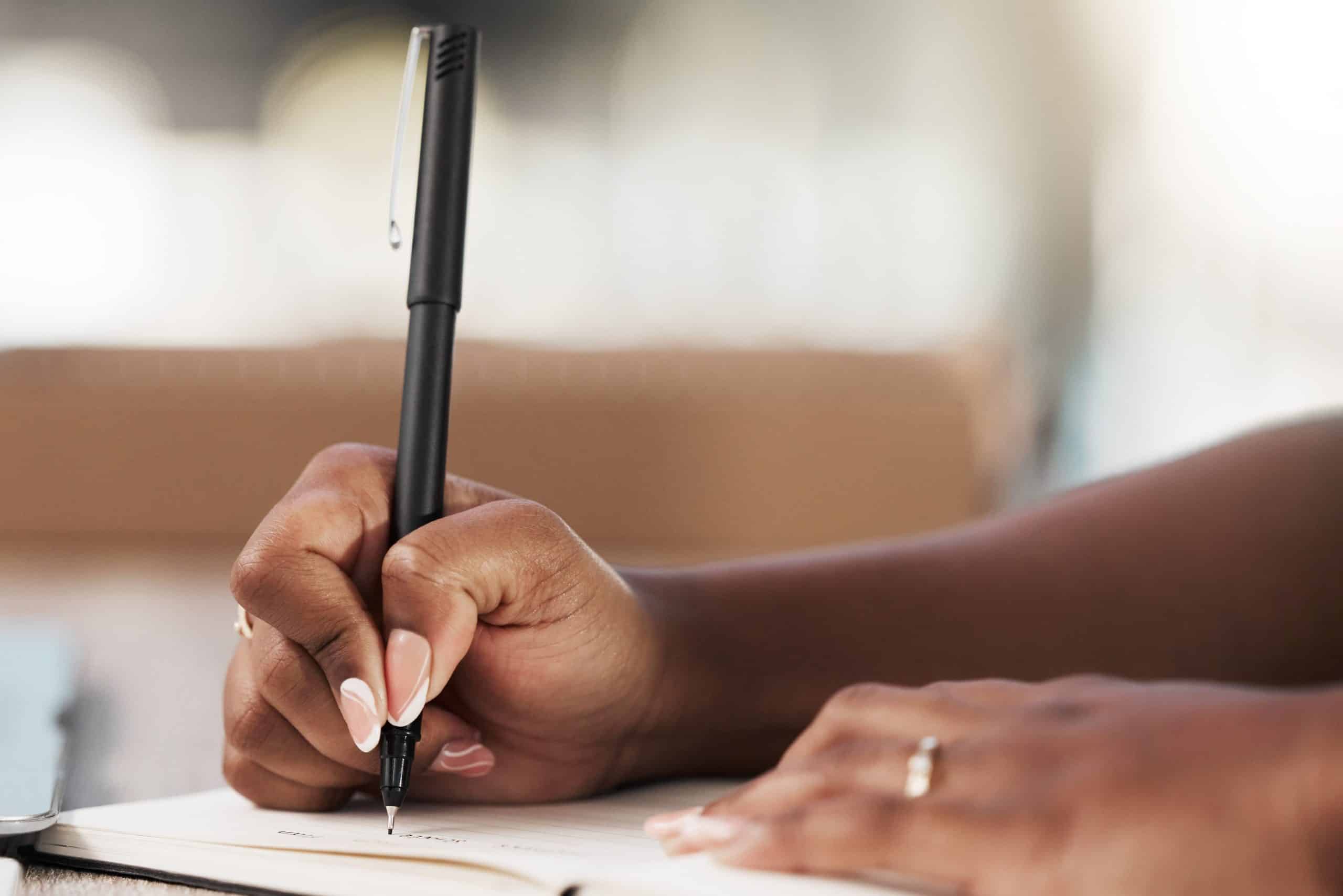
Catering to my preferred writing style, I have at least five notebooks. My main ones include a five-subject one for college, one for my dreams, one for everyday journaling, one for idea dumping, and one for general planning. I find that I retain information more when writing things down. This study explores the neuroscience of handwriting versus typing. In essence, handwriting engages different parts of your brain, such as motor control, memory formation, and visual processing, all of which are crucial for retaining information.
Stepping Away
The biggest takeaway is to do what works for you. Deep in this trend lies the desire to return to yourself. Going analog has many benefits when done with intention. The tech world is ever-changing, and it is easy to get caught up in the vortex. So take some time to take a step back and evaluate what works and doesn’t work for you. See you offline!