In 2020, there was a brief period on TikTok when the “Strawberry Cow” cover of Mitski, Lirika Matoshi’s strawberry dress, and the cottagecore aesthetic in general were trending.
It felt like an online utopia. Scrolling through a cottagecore FYP provides an escape from the trials and tribulations of daily life. For queer women especially, the cottagecore space served as a form of escapism. In their fantasies, they could live off the land in a cottage removed from the problems and prejudices of modern society.
Now, this aesthetic has all but disappeared. Instead, the cottagecore virtual utopia has warped into a homesteading hellscape representing “traditional values” in the conservative culture war. What happened? How did a harmless or even uplifting view of femininity become a vehicle for propaganda?
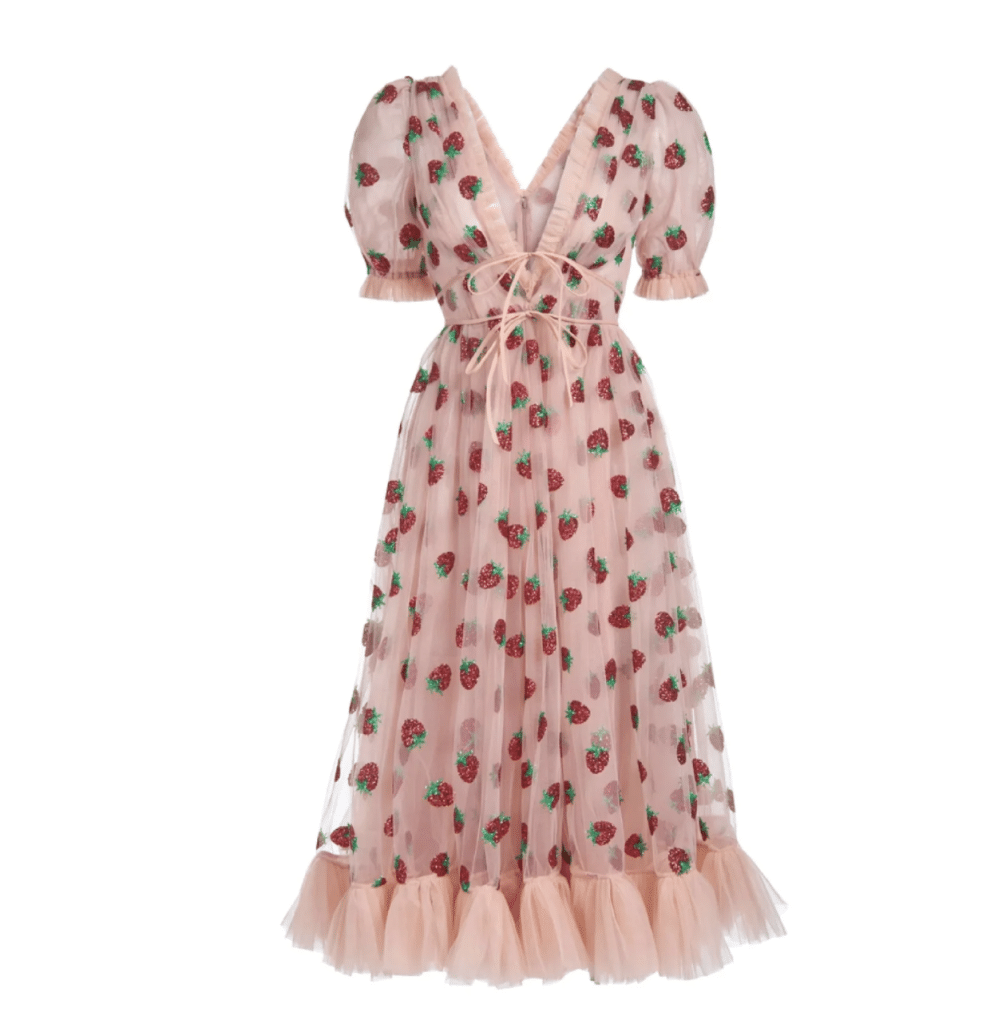
Where did cottagecore come from?
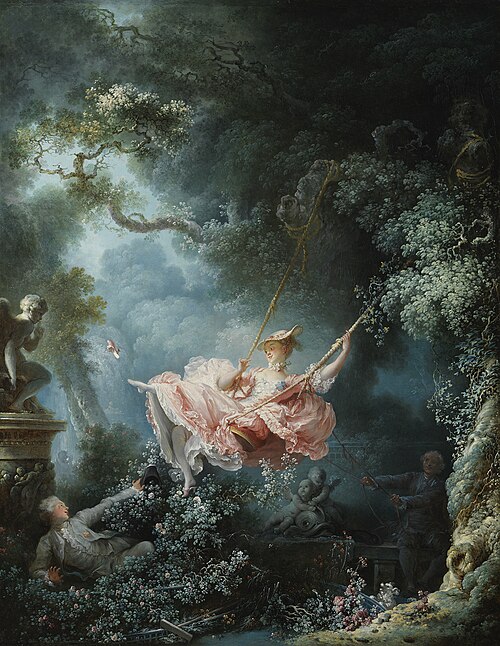
Cottagecore centers on a romanticization of the natural world. Art movements from Impressionism to Art Nouveau align with this, but the closest to cottagecore comes out of the late 19th century. Rococo is a French art movement with a more ornamental aesthetic than modern cottagecore, but it certainly reflects the femininity and pastel color palette.
Before the cottagecore aesthetic took TikTok by storm, it was quietly emerging on Tumblr in the late 2010s. In this early form, the cottagecore aesthetic did not focus on certain products and songs like the previously mentioned Liraka Matoshi Strawberry dress. Instead, cottagecore was about a lifestyle full of picturesque landscapes, with posts featuring fields of flowers and mountain ranges.
How conservatives took over cottagecore: hashtag hijacking
Conservatives are sometimes known to “hijack” hashtags. The cottagecore hashtag on Tumblr proved to be perfect to pair with the trad-wife hashtag to infiltrate these spaces.
Cottagecore overlaps with the ideas of traditional values promoted by conservatives: the gentle femininity of pastels and freshly baked bread for a family. A wife does not complain; she makes him his favorite meals, she raises his children, and most importantly, she looks beautiful while doing it.
By using social media to exploit the aesthetic similarities between conservatism and cottagecore, conservatives are able to push their agenda. That is the notion that women should be submissive, bear children, and be homemakers. Women exploring the cottagecore aesthetic can easily fall down a pipeline into alt-right ideologies.

The visual parallels in the cottagecore and tradwife aesthetics are a vulnerability that conservatives eagerly exploited. A similar tactic to hashtag hijacking is the process by which hashtags either backfire or are used by those outside the community that created them to push an agenda that often opposes the original intent.
Hashtag hijacking is a powerful marketing tactic that has been used by many brands and has subsequently backfired. Over ten years ago, #McDstories was promoted by McDonald’s on Twitter to encourage customers to share online stories of their fond memories with the restaurant chain. Instead, McDonald’s #McDstories was used to share food poisoning and vomiting anecdotes.
Similarly, conservatives used the cottagecore hashtag in conjunction with the tradwife hashtag on Tumblr so that the audiences for those posts would intersect.
Cottagecore in the queer community
Another aspect of the conservative commodification of cottagecore that is especially devastating is the loss of an online safe haven for feminine queer women. Feminine-presenting queer women often struggle under a patriarchal society that expects them to serve men. Cottagecore started out as a way to reclaim traditionally feminine activities like baking and sewing as a form of self-care. Tragically, the space that femme queer women created for themselves was weaponized against them to prop up an agenda that aims to disenfranchise them.
Queer longing for cottagecore represents a need for a more accepting and softer version of the world. One where there are no systems of patriarchy, heteronormativity, and homophobia that lead to repression and despair for queer people.
Cottagecore inherently requires a cognitive dissonance, which leads to a sense of detachment or psychological distance. Cognitive dissonance results from holding two opposing ideas in one’s mind. For cottagecore, this is the paradox of viewing simple off-the-grid living from a smartphone. That sense of detachment, which is usually a negative, is needed for cottagecore to allow it to serve as the escape that it is. Using the aesthetic for conservative talking points shatters the illusion that in the fantasy cottagecore world, none of the oppressive viewpoints will follow us.
The dark origins of tradwives
The rise of the trad-wife began in 2020, with it first being a niche internet meme. Then, popular conservative influencers like Nara Smith and Ballerina Farm started to pop up on TikTok and Instagram.
Nara Smith is best known for her unique baby names and making her uniquely named children things like Pop-Tarts from scratch.
On the surface this focus on traditionalism and submission from Nara Smith seems out of place. Yes, weirdly, she makes sprinkles from scratch, but what is the harm?
Ballerina Farm is a Mormon mother who is a homesteader. Her name refers to her past as a Juilliard ballerina, which she dropped out of to marry her husband. The religious teachings of Mormonism directly led to Ballerina Farm, with Hannah Neelman sacrificing her career to build a family. While there is nothing wrong with choosing to have children, it is clear from her old blog posts, interviews with the New York Time, and old Instagram posts that Hannah wanted a career.
The ideas held up by tradwives reflect the propaganda and beliefs of the League of German Girls (Bund Deutscher Mädel, aka BDM), the female wing of Hitler Youth. Hitler Youth was an organization targeting young Germans and indoctrinating them into the Nazi belief system.
Women in the BDM often engaged in common tradwife hobbies like cooking, cleaning, and learning to be a homemaker. A focus on traditionalism and submission primes society to exploit women’s bodies. Fascist regimes depend on women to produce children who are then exploited to keep the regime in power. If a woman were to live as a tradwife, she would have no way to provide for herself if she had to leave her husband. This system keeps women dependent and limits their autonomy.
Revitalizing cottagecore
Above all, these critiques target ideology, not individuals. They expose the flaws in a worldview that centers men. Especially since one of the key aspects of cottagecore escapism initially was making men an afterthought.
In 2026, conservatives are preoccupied with succeeding at co-opting many aspects of pop culture. The original spirit of cottagecore is not dead; it can and should be brought back as a tool of empowerment.
In a society that devalues femininity, embracing it is bold. Cottagecore celebrates traditionally feminine aesthetics in a way that is completely divorced from men.
Let yourself be feminine unapologetically. Pick up a new hobby; domestic ones like baking or embroidering are the most cottagecore. Wear colors that are considered “girly.” And most importantly, interrogate your thoughts and belief systems to bring us all one step closer to a cottagecore utopia.