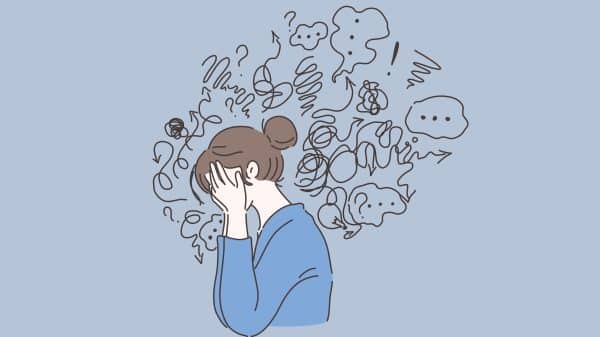
The models of masculinity that young men like me are presented with don’t encapsulate what it means to be a man in 2025. We need guidance. We need new models that depict the state of manhood as it is now.
The Contradiction of Modern Masculinity
The development of a person’s masculinity is complicated and difficult to track, but young men like me tend to learn how to be men from idealized, usually fictional, models of masculinity. These models are both products of the state of manhood and ideals towards which we can strive.
As far as I can tell, this system works: young men watch a Captain America movie and learn the importance of determination and passion. The problem is that our masculine ideals only half-apply to the current state of manhood.
Being a young man in 2025 isn’t the same as it was for our fathers or grandfathers. On one hand, we very firmly feel the clutches of traditional masculinity: we feel an instinct to be stoic, silent, and strong. But we also want to be open with people we care about and talk about our feelings. “Open up,” as the phrase goes.
We’re simultaneously trying to uphold traditional masculine stoicism while embracing a new level of emotional vulnerability. In doing so, we’re inventing a new way to be a man. But our models haven’t caught up with us, so we don’t have the guidance we so direly need.
What Are the Old Models of Masculinity?
One of the most popular models of traditional masculinity is the Protector or Provider: a man who protects the people he loves and the innocent at all costs. James Bond serves as an excellent example of this model.
In all of his movies, James Bond puts his safety on the line, not only for the greater good but also to save those who can’t save themselves.
I’ve learned similar lessons from my father. I’m physically stronger than my little brother (well, not so much anymore) and the vast majority of women—I have to be careful not to abuse that. And on some level, I have an obligation to protect those weaker than me if they’re in danger.

As Spider-Man’s Uncle Ben put it: “With great power comes great responsibility.” I may not be as powerful as Spider-Man, but I have some physical advantages, which means I also have some responsibility.
But the Provider-Protector model that Bond encapsulates is incomplete. Bond never cries or even looks irritated. His model of a man is one who completely denies any hint of emotional struggle.
Another popular model is the Warrior-Martyr: the man who fights to the end and, when it’s clear that he has no other option, sacrifices himself for the good of others. Maximus from Gladiator is a great example of this.

At the end of the movie (spoilers), Maximus endures several stab wounds from the evil Emperor Claudius. However, in his last few breaths, he manages to kill Claudius. He dies a hero: the man who lost his life to free Rome.
But again, as a model of masculinity, he fails: he’s hardly ever emotionally vulnerable. We know he’s in pain after the murder of his family, but we almost exclusively see his pain expressed in anger, as a display of strength. He’s a solemn man of action.
Yet another failed masculine model is the Avenger. For example, Jack Reacher, from the TV series Reacher, is a veteran who wanders the country alone and violently punishes rapists, murderers, human traffickers, drug kingpins, and anyone else committing injustice.
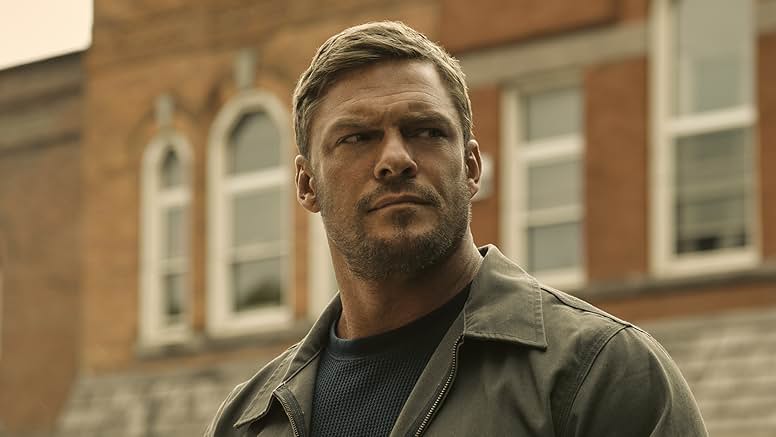
Not only do the vast majority of men lack Reacher’s strength, training, and commitment, but we also lack his emotional detachment. Nothing affects him. But we can’t be stone-hearted, and we shouldn’t have to be.
All of these flawed models of masculinity share a few things: they’re all physically violent, they protect the weak, they have a moral code, and they are rarely vulnerable. These are the ideals that we, as young men, are expected to strive towards.
Some New Models of Masculinity
The complicated part about forging a new kind of masculinity is that it can’t be based on nothing. It has to be built on the foundations of traditional manhood.
Maybe we should abandon our idealizations of stoicism and physical violence, but what about protecting the weak? What about having a moral code? Those are good ideals not worth abandoning.
That’s where things get messy. Taking some things from traditional masculinity while abandoning others and embracing a new vulnerability is difficult.
That’s why we need new masculine models that base themselves on traditional manhood while also building towards something new and more open. We need something to guide us. We need examples.
Some models attempt this. One of them is the Scientist: serious, objective, working for “the greater good.” And not necessarily stoic. The Scientist isn’t a bad masculine model, but it requires years of intense education and a very high-level kind of occupation. So it doesn’t apply to most men.
There’s also the Actor: The Rock is a good example of this. He usually portrays very traditionally masculine men on screen, but offscreen, he’s also been very open about his struggles with depression and his father’s addiction.
But the Actor model has problems, too. Like the Scientist, it just isn’t practical for most men. And without the image of traditional manhood built by a successful acting career, you no longer have the social credit to be vulnerable.
We need something new and different. We need models of masculinity that reflect the reality of being a man—ones that hold the tension between traditional solemn stoicism and modern emotional honesty.
A Potential Way Forward
I have a suggestion for a new masculine model: the Self-Honest Man, who is honest about his failures as well as his virtues. He isn’t strong and silent. He’s honest. Even when he’s struggling to talk about his feelings, he is honest about that, too.
There is a stoicism to knowing yourself honestly, but there is also a vulnerability to it. The Self-Honest Man can form meaningful, strong relationships. He can protect those he loves and fall apart when he’s in pain. He isn’t physically violent by nature, and his moral code is self-honesty itself.
I try to model myself after this kind of man. For example, I recently went through a break-up. In the past few months, I’ve been trying very hard to be honest with my friends about how I’m feeling. I haven’t always been able to. Vulnerability is difficult. But in my lowest moments, at least I was able to be honest with myself.
But I’m just one person. If self-honesty is going to have any impact, there must be stories and characters that embody the self-honest model. I hope someone will make those stories soon.
My whole life, I’ve been wrestling back and forth between silent strength and vulnerability. I still am, and I’m not alone in that. Most young men are, too.
If you’re a young man like me, I hope you recognize that battle inside yourself. I doubt there’s any way to win, but maybe we can strike some sort of peace and bring the two together into something new.