

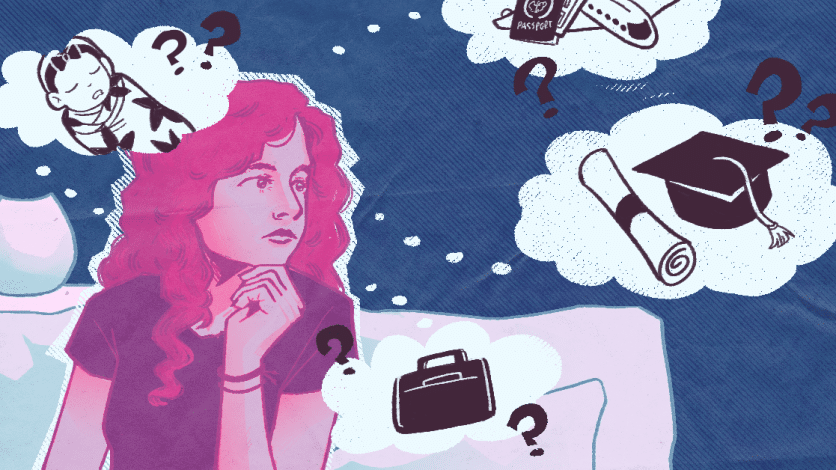
The CDC’s 2024 report on birth rates absolutely rocked the internet. And a lot of women had a lot to say about it.
Disclaimer: Throughout this piece, I use “Men” with a capital M. I’m not speaking about every individual man, but rather about the system of male privilege, patriarchy, and traditional dominance that has shaped women’s lives throughout history and continues to do so today. My critique is of that system—not of every man who exists within it.
The CDC’s Provisional 2024 Births Report, released in July, shows the average number of children a woman is expected to have over her lifetime was 1.63 in 2024, part of an overall declining trend. That figure is far below the replacement level of 2.1 children per woman needed to maintain a stable population.
Though the number alone is enough to raise concern, the conversation around why it’s happening is direct, empowered, and primarily led by women. This downward trend in birth rates has been occurring for years. It has been driven by multiple factors: the high cost of childcare, women marrying and having children later in life, and a cultural shift away from viewing traditional family life as the only option—especially for women prioritizing their careers and making autonomous decisions about whether and when to have children.
Beyond the fluffy, politically correct explanations society likes to offer, the decline in children born per woman isn’t just a gentle drift from traditional family life—it’s a seismic shift. It’s a war on women’s bodies—one that has driven many to not only delay or forgo having children but to step away from traditional relationships entirely. Meanwhile, men are left shocked—frustrated and confused by the surge in singlehood. Some have even dubbed it ‘the male loneliness epidemic’.
Control disguised as policy
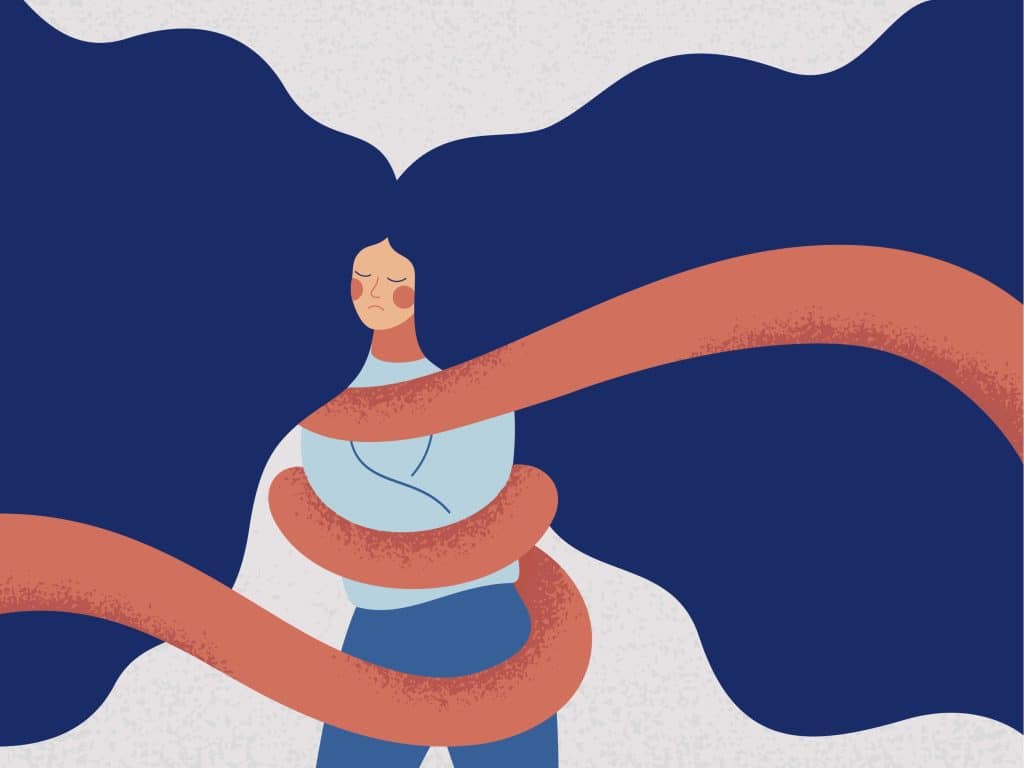
Several states have enacted some of the harshest abortion restrictions in the country since Roe v. Wade was overturned. South Dakota bans abortion outright, with the sole exception being to save the pregnant person’s life. The law classifies violations as a felony punishable by prison time and fines. Louisiana not only criminalizes abortion providers but also, in 2024, became the first state to classify abortion pills—mifepristone and misoprostol—as controlled substances, a move already facing legal challenges. Oklahoma attempted a near-total ban, but its state Supreme Court preserved a narrow right to life-saving abortions. And Texas has gone further still, passing legislation that empowers private citizens to sue anyone involved in distributing or providing abortion pills. Potential payouts for informers go up to $100,000 per case.
Restrictions like these send a clear, simple message to women: we want to control your bodies, and we don’t care if you’re harmed or traumatized in the process. Seeing the government and current administrations attempt to dictate the value of women is both shocking and sickening.
Consider President Trump’s proposed $1,000 “baby bonus” intended to incentivize childbirth. Critics quickly noted that—even in regions with low costs—$1,000 would only cover part of one month of childcare. And in most urban areas it wouldn’t come close. Such policies reveal their disconnect from the real cost of starting and raising a family.

And then, in July 2025, Trump signed the One Big Beautiful Bill Act, slashing federal funding for Planned Parenthood. By barring Medicaid reimbursements to nonprofit health centers that provide abortion services, the law threatens nearly $700 million in funding and could force the closure of up to 200 clinics serving 2.1 million patients annually.
Under the current administration, radical Republican voices and conservative agendas are elevated and protected, pushing a full-fledged attempt to push women back into the kitchen—a tired stereotype that reduces women to domestic roles instead of recognizing their autonomy and contributions. It’s relentless—but women, as they always have, are speaking up—and they’re not going anywhere.
Reels, resistance, and reclaiming autonomy

Though conservative voices—usually men in this case—claim women want to “step aside” and let men lead, pushing laws and policies to force us there–the irony is impossible to miss. In fact, the exact opposite is happening.
Women have taken to social media to celebrate the all-time low birth rate. It is a way to mock the men who stripped away their healthcare, attacked their bodily autonomy, and tried to force them into motherhood yet offered no support once the child was born.
If men truly focused on “protecting unborn children,” why don’t they cover childcare through insurance? Why isn’t access to diapers, formula, and other essential resources universal? The hypocrisy is glaring.
Women rejoicing in public for claiming their autonomy and their decision not to have children are now part of a larger conversation about relationships: the role of men. Traditionally, women married men for financial stability, social standing, and to start families. Today, women can achieve all of those things without men if they choose.
This isn’t to say women are discarding men entirely, but it is shifting the narrative. Women are stepping into their autonomy, pursuing education, and making their own choices—throwing off the societal pressure to settle down and have kids. This is a massive cultural shift, but it’s happening in only half the population, leaving men, in a sense, behind.
Women are embracing this shift to reclaim their lives and step out from under the shadows of men. But men aren’t always willing to make room at the top. Male privilege, granted at birth in a society structured to prioritize men, has conditioned many men to expect certain things: respect, career success, and a wife. If men don’t expand their privilege to include women, women will continue choosing to remove themselves from the equation.
The male loneliness epidemic is a direct result of women seeking more from their lives—autonomy, choice, and opportunity—while still being denied control over their own bodies by an over dominated system.
Another narrative taking flight paints women as having impossibly high standards. But are we really, or are we simply reflecting back the same criticism heterosexual relationships have long forced on us?
From data to dystopia?
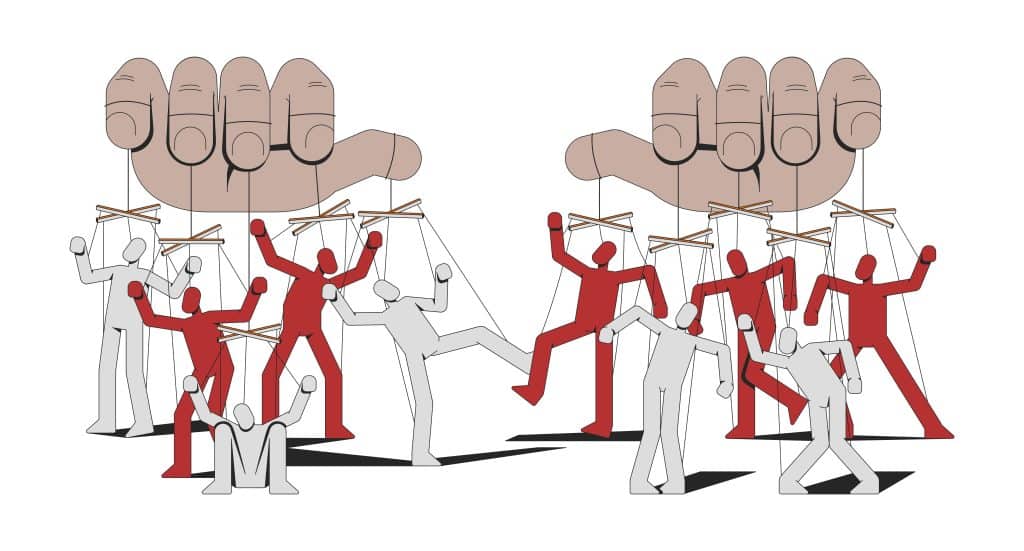
Another surprising statistic revealed in the CDC’s 2024 report showed birth rates for women aged 40–44 increased by 2%. In contrast, birth rates for younger women have declined. For instance, the birth rate for women aged 20–24 decreased to 55.8 per 1,000 women in 2024, down from 57.7 in 2023, reaching another record low.
Not only are overall birth rates hitting record lows, but younger women are a major driving force behind the trend. The point is simple: the more men try to control women’s bodies and choices, the more women reject them. Instead, they find strength in supportive communities that empower them, with social media being a leader of change.
A scary—but necessary—thought: if birth rates keep falling and the government starts panicking about “replacing the population,” what kind of legislation might they explore next? Cue The Handmaid’s Tale intro music.
I’m not saying we’re heading straight into dystopia. But when a society pits one group against another both sides need to work toward solutions. Instead, current leadership seems determined to silence women, using force and intimidation to maintain control.
What now, patriarchy?
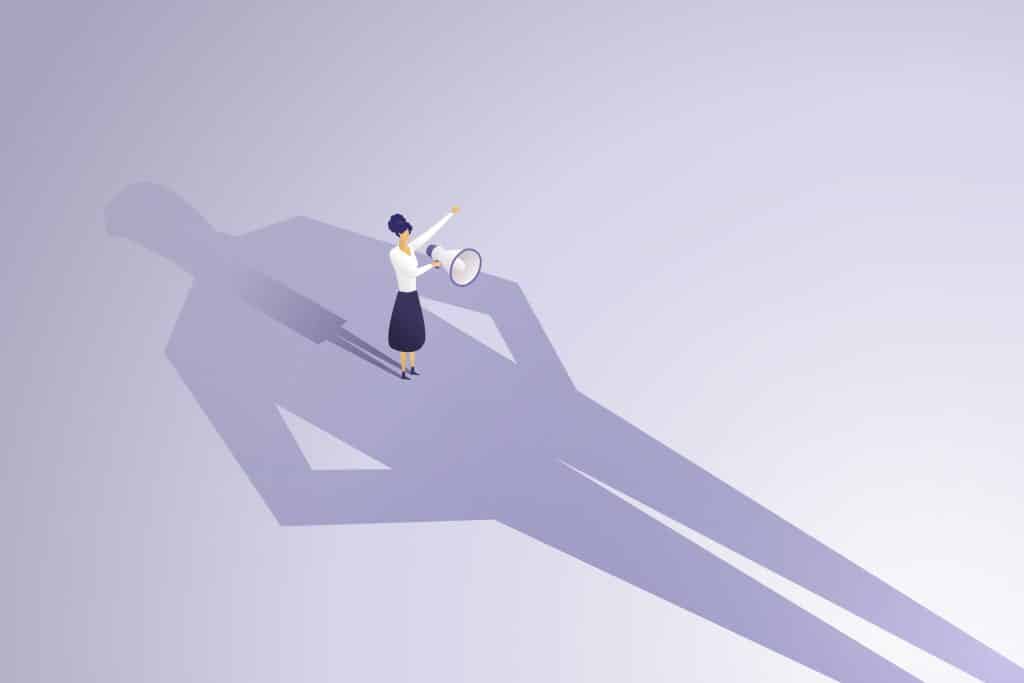
Honestly—and I speak for myself, though I know many women would agree—being a woman in this country right now feels unfathomable, devastating, and infuriating. The idea of outright rejecting societal expectations in defiance of the hand that grips us? It doesn’t feel far-fetched at all.
I don’t know where this fight will take us, or when it will end. But even in the face of oppression, I’m proud to be a woman. And I’m proud to stand alongside all the women choosing to dictate their own lives and make decisions about their bodies, whatever it takes.
The change has already begun; the ground is shifting beneath us. Dare I say the floor of the patriarchy is cracking? Maybe not tomorrow, and certainly not today—but the ceiling of oppression will chip away, brick by brick. Eventually, those standing on the other side will fall.
If you’re looking for information on abortion, contraceptives, or general women’s health, visit Planned Parenthood’s website. They’re still standing—and they’re fighting alongside us.
You can also support their work with a donation here.