


Most days, nothing feels wrong.
We reach for our phones before our feet hit the floor. Screens light up with reminders and updates. Maps tell us where to turn. Algorithms shape what we watch, what we read and often what we believe. Life moves fast, smooth and optimized. Comfort sits quietly underneath it all.
When nothing feels broken, it’s hard to see what’s changed. Convenience doesn’t announce itself as a tradeoff. It presents as help. Modern life runs on frictionless design and in plenty of ways, it works. Tasks take less effort. Waiting disappears. Uncertainty resolves itself. But as effort fades, something less obvious erodes alongside it: the habit of choosing.
Convenience saves time and removes strain. Over time, participation starts to feel optional. People outsource attention. Choice narrows into whatever requires the least resistance.
This shift arrived quietly. No collapse signaled it. No villain caused it. Updates and features reshaped daily life piece by piece. Each one made sense. Together, they changed how people move through the world without asking permission.
That quiet transformation explains why WALL-E still feels uncomfortably relevant.
What WALL-E was really warning us about
When Pixar released the film in 2008, audiences treated it as exaggerated satire. Humans appeared physically passive, permanently seated and dependent on automation. Screens hovered inches from their faces. Everything arrived instantly. Life aboard the Axiom looked absurd because it felt far removed from reality.
The people weren’t suffering. They were comfortable.

That comfort was the joke. It was also the warning.
At the time, the future WALL-E imagined felt distant enough to laugh at. A future built on comfort rather than crisis felt easy to dismiss. People giving up movement, awareness and agency for ease seemed implausible. The habits the film warned about hadn’t yet become routine in everyday life.
Nearly two decades later, they have.
What WALL-E ultimately shows isn’t that technology becomes oppressive. It’s that thinking becomes unnecessary. The film never imagines machines overthrowing humanity or governments enforcing control through force. Instead, it shows people giving up the habit of questioning their world. As effort disappears and thinking fades, resistance doesn’t need enforcement. Control grows easier not because someone seizes it but because fewer people challenge it. Comfort weakens agency. Participation fades because critical thought no longer feels required.
That’s the real tension WALL-E warns about: a world where comfort keeps expanding and autonomy keeps shrinking, almost without anyone noticing.
When thinking becomes optional
Most discussions of technology focus on distraction. Trill Mag has explored this in depth, including in “AI Is Taking Over Our Lives and We’re Letting It Happen,” which looks at how algorithmic systems reshape attention and identity across platforms. Screens grab attention. Algorithms pull people in. Phones keep everyone busy. These critiques make sense but they miss the deeper shift. The more unsettling change isn’t distraction. It’s disengagement.
Life becomes easier to manage but thinner to experience.
That thinning shows up in everyday habits. TikTok’s endless scroll removes the need to decide what comes next. Netflix’s autoplay erases the moment when someone might stop watching. Spotify queues music without asking. Recommendation feeds decide what plays, what reads and what appears next before users ever pause to choose. Each system saves time but each also removes a small moment where a person might’ve chosen differently. Over time, those missing pauses add up.
This isn’t a takeover. It’s adaptation.
George Orwell warned about this long before smartphones existed. In 1984, he wrote that “if people cannot write well, they cannot think well” (Orwell, 1949). His concern wasn’t technology itself. It was what happens when thinking fades from daily life. Once people lose the ability to articulate their ideas, they also lose the ability to examine them. Choices turn reflexive. Defaults feel natural. Control grows easier because independent judgment no longer stands in the way.
WALL-E visualizes that outcome without authoritarian imagery. The humans aboard the Axiom face no threats. No one silences them. They just stop practicing the skills agency requires. Machines handle movement. Screens guide attention. Systems make decisions long before anyone realizes a choice existed.
Agency doesn’t vanish overnight. It weakens through disuse.
What the research shows
There’s now research that supports the broader concern that convenience tools can reduce cognitive effort, especially when people rely on them as defaults.
In a study out of MIT’s Media Lab that Time reported on, participants writing essays with ChatGPT showed the lowest brain engagement compared with participants who used search engines or wrote without tools. The reporting describes declining effort over time and weaker memory for what participants produced, with teachers calling some AI-assisted writing “soulless.”
A peer-reviewed study in Societies found a significant negative relationship between higher AI tool usage and critical thinking scores, with “cognitive offloading” playing a mediating role. In other words, when people regularly hand memory and judgment to tools, they practice those skills less.
Even commentary rooted in neuroscience is starting to treat this as a real risk. An article from Polytechnique Insights points to the same MIT experimental setup and frames the concern as cognitive atrophy when generative AI reduces mental effort over time.
The problem isn’t the technology. It’s what happens when effort disappears.
When effort fades, engagement weakens. When engagement weakens, awareness follows. The ability to notice tradeoffs and resist defaults erodes because people stop practicing it.
Where this is heading
Technologies like Neuralink make that trajectory harder to ignore. Merging machines with the human brain used to belong to science fiction. Now it exists. The appeal is efficiency. Fewer barriers separate thought from action. The unsettling part is how easily that logic fits into a culture that treats friction as a flaw.
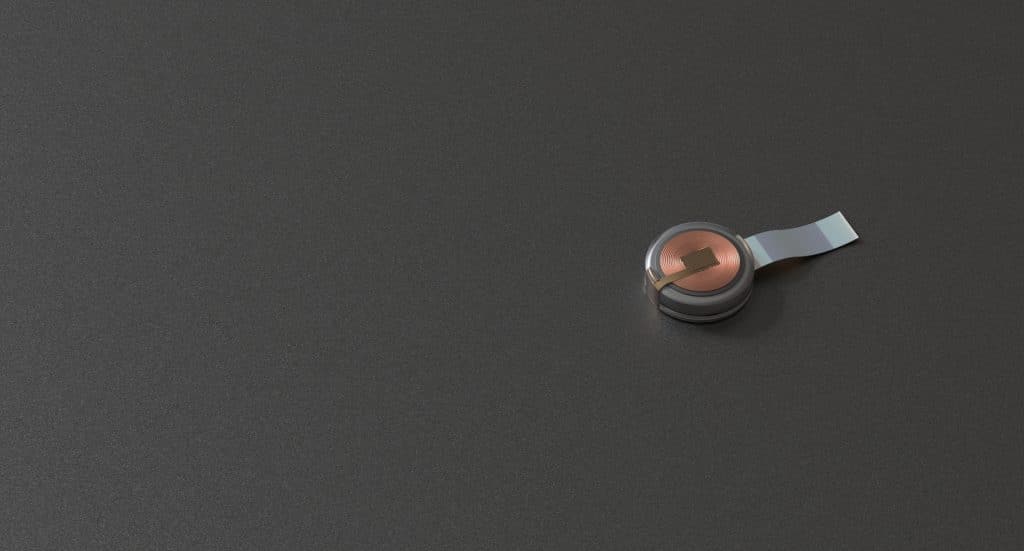
Neuralink’s most visible success stories complicate the picture. Noland Arbaugh, who became the first person to receive a Neuralink implant, told Business Insider the device helped him regain independence and reconnect socially. In his case, the technology restored agency that physical injury had taken away.
A different question emerges when the same logic extends beyond restoration. If eliminating friction defines progress, then agency starts to look less like judgment and more like seamless execution. Efficiency rises. The pause that allows reflection and choice starts to disappear.
The cost of letting comfort decide
None of this feels alarming on its own. That’s precisely why it works.
Comfort disguises loss. When force takes something away, people notice. When convenience replaces it, the change feels like choice. Agency fades because people stop exercising it.
The humans in WALL-E have endless options. They still make very few decisions. They aren’t trapped. They’re disengaged.
The danger was never that WALL-E predicted the future. The danger was that it showed how easily people adapt to less agency when comfort makes it feel normal. The film never asked what technology could do to humanity. It asked what people would give up for ease.
WALL-E ends with re-engagement. Humanity survives because people pay attention again. They stand up. They move. Effort regains meaning. Awareness becomes an action rather than a default.
The ending doesn’t promise a fantasy. It offers a reminder.
Agency doesn’t disappear all at once. Habits that feel harmless weaken it over time. Systems that work too well encourage people to stop questioning them. The future takes shape through everyday choices about whether people keep practicing the skills autonomy requires.
Noticing begins that process. Pausing before accepting defaults. Sitting with friction instead of erasing it. Choosing to think when it’d be easier not to.
WALL-E didn’t sound an alarm. It whispered a warning wrapped in comfort.
The only question left is whether people remain seated or stand up while they still remember how.














Sara Quesada
January 17, 2026 at 2:08 am
Brilliantly written.
Helena Huber
January 17, 2026 at 4:38 pm
Great piece! Made me think.
Nanette Thompson
January 19, 2026 at 1:31 pm
Outstanding