


Heated Rivalry (H.R.) has become a widespread cultural phenomenon. In terms of a TV show, it is quite extraordinary. But I think we can use its popularity to explore women’s growing pessimism in hetero dating.
Unless you live under a rock, infatuation with this queer enemies-to-lovers story is not going away anytime soon. With its HBO premiere in the U.S on the 28th of November 2025, this show shot to a top-rated spot all over the world. Forbes revealed that episode 5 currently ties with Breaking Bad’s ‘Ozymandias’ episode with a perfect 10 IMDb score.
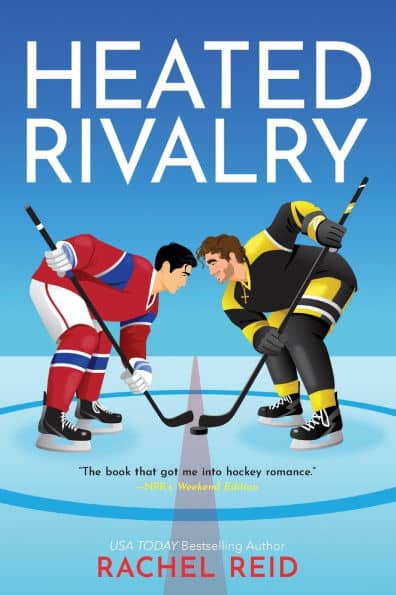
This show is unique in its unparalleled word-of-mouth marketing. Since the show’s finale aired in the U.S on the 26th of December, viewership has doubled. Its peak sits at an impressive 10.6 million viewers as of January 5th, 2026, according to Television Stats. The Heated Rivalry book from the “Game Changers” series, written by Rachel Reid, has since become the “No.1 best-selling Romance book in the U.S,” Forbes has found.
I think its popularity speaks to the broader cultural obsession with fantasy romance and, therefore, to the growing disappointment with the reality of dating men.
The Making of a Hit
So if you are under that rock, Heated Rivalry follows two all-star NHL players as they navigate their high-stakes fame, fortune, and budding behind-the-scenes romance. Or shall I say situationship? These hook-ups go on for nearly a decade before the two admit their love for each other. Ouch.
Whilst Hudson Williams (Shane Hollander) and Connor Storrie (Ilya Rosanov) deliver nuanced, deeply moving interpretations of the characters, this production shows that it’s not just good acting that makes a hit; a script does too. Jacob Tierney, the series creator, writer, and director, proves this to us again and again. Detailed analysis of the show’s cinematography, staging, and subtle easter eggs has been plastering social media. The show’s popularity and loyal fandom have solidified its place in the modern cultural zeitgeist.
TikTok creators, such as Nina King (@bitch_farm), have created entire series dissecting the show. It has become a treasure trove for media lovers.
The romance genre
If you’re anything like me, after binging the series, you quickly bought and read Ilya and Shane’s books, Heated Rivalry and The Long Game, desperate for more of their love story. I was captivated by their romance and couldn’t put the books down; I am not alone. A study done with over 1,200 romance readers in 2026 by writer Hauda.A found that 89% of them were women, with the largest percentage coming from 25-34 year olds, followed closely by 18-24 year olds.
In the UK, the Romance & Saga genre generated nearly £70 million in 2024. It’s obvious we are all hot for romance. My obsession with H.R. has led me to recruit almost everyone in my life to either watch it with me or indulge me in conversation about it, much to the annoyance of the normal-minded.

“Print sales of romance fiction in the US have doubled in the last five years.” – Ella Risbridger, The Guardian
Is it just sex?
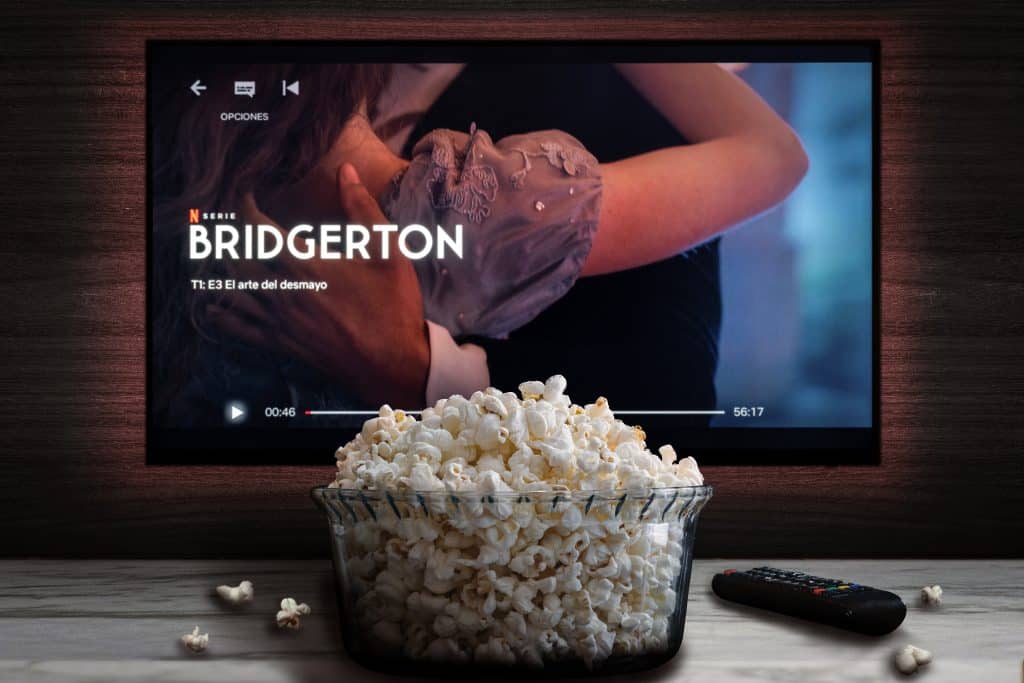
So, what about this romance has this chokehold on me, and by a wider scale, on women? On the surface, maybe we could look at the way in which it serves our eroticism. Stories with hot sex have become increasingly popular in the last few years; look at how we have waited very patiently for each new season of Bridgerton.
Sensual and consent-filled sex scenes tickle our curiosity because they allow us to fantasize about how passionate sex can be. They allow us to see sex through the female gaze, which is a much softer and more nurturing perspective than its counterpart. Unlike pornography, which is often filmed towards the male gaze at the expense of the women, the sex in these shows is erotic because of everything other than the sex: the build-up, the tension, the undeniable chemistry. Heated Rivalry reminds us what sex can feel like between two partners who care deeply about the other one’s pleasure, something that is a fantasy for women when the orgasm gap still exists.
In the modern world of fast and cheap dopamine, these slow-burns remind us that love can be patient and vulnerable. Oh, how we love to yearn.
Safe sex
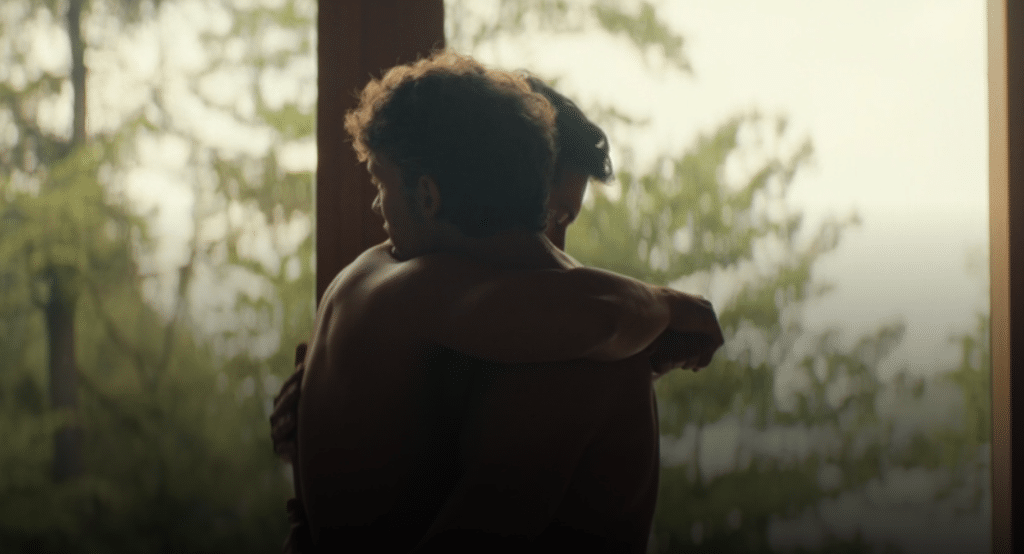
Maybe what entices us about Heated Rivalry’s steamy scenes isn’t the sex at all, but the absence of danger within the sex. The popularity of H.R, where two protagonists engage in sex as equals, suggests women’s exhaustion with the reality of patriarchy. There isn’t an overarching theme of misogyny driving their interactions. Shane and Ilya being equals within society means they can enter into a consensual sub-dom sexual relationship without any gendered expectations forced upon them. Neither one is being viewed as a sexual object for the other one to ‘get’, so their value is never decreased based on the sexual access they allow.
In reality and on social media, misogyny still penetrates the minds of young men. We see this with the rise of ‘incel’ ideology and figures like Andrew Tate. Women’s worth is still entirely subject to their looks or sexual history.
Dangerous misogynistic ideology still permeates social media in 2026.
Watching shows like Heated Rivalry that don’t feature a woman being objectified allows us to enjoy the fantasy of equality.
“Stories that cater to our desires can be illustrative of what those desires are – and that’s useful in a society that still prefers to tell women what they should want rather than listen to what they say.” – Julia Carrie Wong, The Guardian
Redefining masculinity
I also think that the obsession with H.R.shows women’s desire and need for examples of non-toxic masculinity. The protagonists are sporty, stereotypically ‘masculine’ men, and only through their own want, are they able to be vulnerable and soft with each other. This is a representation of men that we don’t often see. And it goes against what we have come to expect of gay relationships as well; neither one of them takes on a ‘feminine’ or camp persona, they are both equally ‘masculine’. Much like how they enter their sexual relationship as equals, they enter their emotional one the same. Neither one of them is required to do the emotional labour for the other; they are financially, physically, and emotionally equal.
I don’t think the women watching take this for granted; I definitely didn’t. This story acts as escapism for women because there is no woman being required to do any extra labour for the men or used as a catalyst for development (think of the manic pixie dream girl trope).
Trends in hetero-dating
The truth is, entering into hetero-relationships looks different for women and men. Whilst behaviours such as compassion and empathy aren’t inherently feminine, society has conditioned us to believe that they are. This means women are often the conflict resolvers and emotional weight-bearers at work, home, and within heterosexual relationships. Exhaustion from this extra invisible labour has led to a rise in women choosing the single life instead.
“Women bear the brunt. To begin, they dominate careers that demand a huge amount of emotional labour. But all workplaces require some, and especially in male-dominated offices, women are the ones doing that heavy lifting, largely without acknowledgement or recompense.”
– Kate Morgan, BBC
Is Romance Worth it?
A report done in 2019 by Morgan Stanley has changed the projected number of women in the U.S who are choosing to remain single (between 2018 and 2030) from +0.8% to +1.2%. I think this is fuelled by the growing options of empowerment that are available to us, which haven’t always been and currently still aren’t for women in many other countries. And also, the growing disappointment and emotional burden of engaging romantically with straight men. We are almost definitely the first women in generations who don’t have to centre men in order to survive. And with that comes the option to choose independence and peace, away from dating.
Dr. Justin Jacques, a professional counsellor and social science researcher, has noticed this trend over the last ten to fifteen years. Women are increasingly disappointed in hetero-dating, to the point of disengagement. In his time spent in over 40,000 sessions, he’s found a decline in high-achieving women desiring a partner. “They feel like men haven’t adapted to keep up with them.”
No more nuclear family
He says that these women see a lack of equal effort from the men in their stratosphere when it comes to things like housework or childcare. But the high-performing women he works with “want men to adapt, and realize it is no longer enough to just have a ‘job’ anymore, they need emotionally stable and successful men.” This has resulted in many women, in their 30s to 40s, making the choice to freeze their eggs or have children in non-traditional ways, such as open relationships or by themselves. He thinks the old idea of a nuclear family is expanding because of the “few options in the dating pool.”
Women desperately vie for love and respect from the men in their community, often to no avail.
Hetero-fatalism
In 2019, Asa Seresin published an article in The New Inquiry titled ‘On heteropessimism. She describes this detachment from dating as having feelings of “regret, embarrassment, or hopelessness about straight experience.”
I myself, as a queer person, have entered a state a step further; one of hetero-fatalism. I don’t have any belief or hope that a straight man is going to romantically or emotionally fulfill me. This is not necessarily pessimistic either. I am open to being proven wrong, whilst at the same time not expecting to be.
After years of non-fruitful and tiring relationships with hetero-men, I now put my emotional energy into things and people that are synergistic. I’ve reached a state of equilibrium as a direct result of decentring dating.

Human connection without sacrifice
But de-centering romantic relationships doesn’t mean that the need for connection isn’t present. Experiencing love makes us curious, releases happy hormones, and above all, is entirely human. As Dr. Jacque has found, whilst many women are sustained in their independence, they haven’t completely given up on the idea of love and romance. Obsessions with stories like H.R.prove to us what deep facets of love lie dormant within. I think the healthy longing for these things is still there; sometimes it’s just being channelled into other areas of our lives. Whether that be our career, our friendships, our spiritual journey, or hobbies, the human desire for connection is everywhere, and that isn’t going away any time soon.












Rebecca Beardsworth
March 3, 2026 at 1:54 pm
A very interesting, eye opening and thought provoking read. Well done Poppy
Liz Gee
March 4, 2026 at 5:13 am
Yes! Exactly that! Having loved the slow-build, romantic sexual tension of the classics for so many years, I’ve embraced the modern movement of more erotic romantic fiction. As a heterosexual female, I’ve always dismissed same sex romance, thinking it wouldn’t appeal to me. I shall be embarking upon H.R this very moment! You’ve persuaded me!