

In a world where anti-intellectualism and an undervaluation of learning are normalized, individuals have aimed to rewrite history through what they call a “personal curriculum,” which is code for assigning themselves homework.
I’ve fallen into the bandwagon of this so-called “self school.” And it’s turned out to be extremely gratifying.
Sure, I fit the demographic of people participating in this personal curriculum TikTok trend. Maybe even perfectly. In fact, I was one of those “teacher’s pet” students who would print out worksheets outside of class and, on a random Saturday, create a full day’s syllabus for my two lucky students: my parents.
I even had a grading clip chart.
So, to predict that my twenty-year-old self would be participating in a personalized monthly syllabus is no one’s surprise.
What is it exactly?
The concept originated with TikTok influencer Elizabeth Jean (@xparmesanprincessx), who decided to give herself monthly readings on enthralling topics such as manifestations, psychology, cooking, and personal growth.
The goal was simple: to learn more.
By dedicating free time to completing a checklist’s worth of books and hobbies, Jean managed to influence a whole new side of social media. As creative individuals grew fascinated by this monthly self-study process, they figured they could revamp the lost art of learning.

Over the last few months, my For You Page has become flooded with curated syllabus examples, and some of them are highly intricate and extremely impressive.
One of the most common lesson plans involves tackling their never-ending TBR by choosing a list of required readings. For cinephiles, it’s the same deal: tackling their endless Letterboxd watchlist. But some have taken lesson plans to the next level through detailed research in subjects such as politics and humanities.
Have you ever wondered about prehistoric religion? Or how space relativity works? Some have, and they are not shying away from designing specialized lesson plans.
What caught my eye was the romanticization of it all. Who knew school could be fun? Through an influence of a rather “dark academia” aesthetic, these unofficial teachers seem to have it all figured out. With a dripping wax candle to their left and a leatherbound journal on their desk, their passion for researching, say, Gothic literature and humanities is not only striking but also influential.
And after a month’s worth, you’ll see them reenter your FYP, this time describing their findings and the curation of a whole new curriculum.
Why a curriculum changed my perspective
This trend is more than a trend. In fact, it’s completely enhanced my perspective.
When I hit age twenty, I hit a slump. As a sophomore in college, I unfortunately fell under the Communication Studies stereotype of an uncertain career path. Though eager to obtain a degree, I had no idea where I was headed.
A struggle I’m not alone in.
Many students are wrapped up in the endless cycle of studying that they forget the appeal of learning. But no one said school was the only way to learn. With Google at your fingertips, you might as well use it.
When else are you to explore new ideas and obsessions?
Which is why I decided to spend more time learning and less time worrying. In fact, I ran to Google Docs to curate my own syllabus. It’s nowhere near as put-together as the ones online, but it does the trick. And it began with my own Film Studies 101 course, taught by me for me. Without a major or minor in film, my research lies outside the classroom, giving me full, unbound freedom. Anywhere from subtopics to lecture notes are on my own accord.
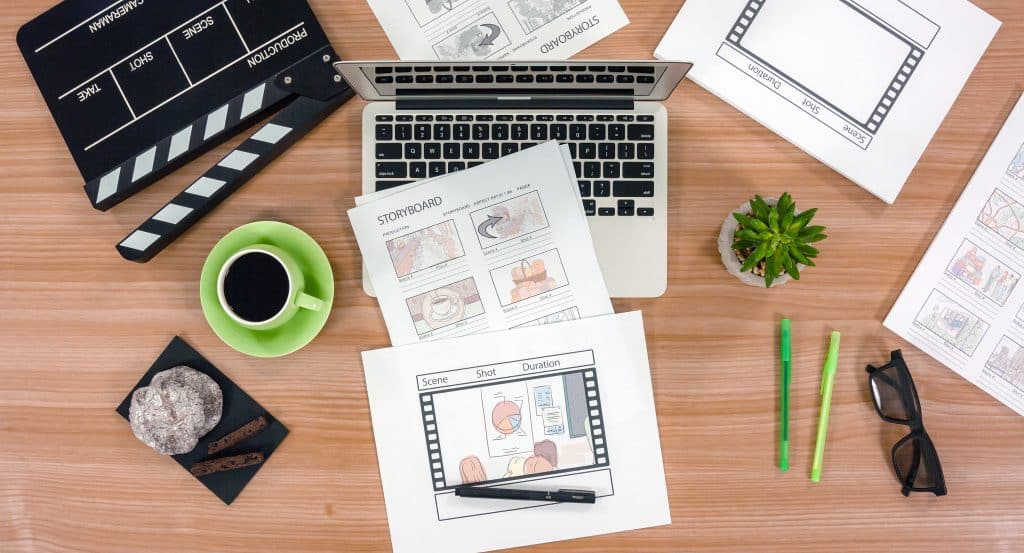
What I love about following a structured set of goals is that it not only keeps me consistent in my pursuit of knowledge but also allows me to dive deeper into self-identity. Through a curation of YouTube video lectures, to-be-watched movies, and an attempt to write my very own screenplay, this curriculum might just land me more than a fake degree.
And through a dedicated process of research and applied learning (a fancy word for homework), I’ve become confident in where I’m headed.
So, how do I make one?
The best part is that it’s catered to you. Most people begin brainstorming a list of topics, niche or not, that piques their curiosity.
What are some things you’ve always wanted to know?
Step 1: Lessons
Start by coming up with 3-5 topics to add to your curriculum, such as a lesson in birdwatching, art history, or personal finance. You can decide how niche or broad to go.
Step 2: Course Names and Objectives
Once you have some ideas you like, try to come up with a course name and objective. For instance, you can go as simple as “Film 101” or as artsy as “Unraveling the Story: A Deep-Dive into Film.”
As for an objective (this can be optional), list out a thesis-statement-like sentence regarding the goal you want to achieve. If you want to follow the Gothic literature course trend, it might go something like this: explore the Gothic literature genre from the 18th century and its psychological dimensions.
Step 3: Goals
This is my favorite section, as it involves listing out specific monthly goals for each lesson. To better understand the topics, try assigning a “Required Reads” or “Required Watches” section. These may include novels on your TBR, YouTube video essays, interviews, and engaging articles.
Including aspirational projects, I think, brings the curriculum to life. For instance, try writing your own short story or creating your own baking recipe. By the end of your month, you’ll have a new skillset to flaunt.
An example:
For those who are curious, here is my personalized film curriculum for June.
Subject: Film 101
Objectives: Study the behind-the-scenes of a film, including various camera shots, a solid screenplay, and must-watch movie inspiration.
Required Watches:
- Emma
- Frances Ha
- Waves
- Beautiful Boy
- The Grand Budapest Hotel
Video Lessons:
Applied Learning:
- Write half of a rough-draft screenplay
- Create a short film
- Recommend 3 new movies to my friends and family
But really, you are the teacher, so you get to choose your own outline.
I encourage you to build a curriculum of your own. Who knows, maybe you’ll become the next bestselling novelist, a fashion couturier, or an expert in astrophysics.
Remember: there are no limits to learning.