We all remember 2020. Oversaturated selfies, tiktok dances, cowprint clothes, egirl and eboy makeup, minecraft, painting your walls etc. Looking back, it’s fair to say we’re cringing over pretty much every trend we took part in. But there’s one that everyone’s posting in embarrassment. And it’s not their zoomed-in lip syncing videos. It’s their ‘trans phase’.
These videos have been circulating for a few months now. People look back on their old gender experimenting from 2020, cringing that they ever went by anything other than their birth name or pronouns. That they changed their hair or their clothes. That they dared to stray so far from the path. Maybe you remember a similar time too.
As someone who came out as nonbinary around the pandemic, and still identifies as such, it feels like an odd trend to say the least.
Why did we have the trends we had?
Here are some of the trends that got numbers at the time that people were coming out as trans:
- Making battery acid (sweets and monster concoctions)
- Adult Swim edits
- Cosplay
- Extremely accessorated ‘alt’ outfits
- Baking/cooking (bread, dalgona coffee, etc)
So, what did any of these even have in common and what do they have to do with being trans?
Well, they’re super super creative.
We had extra time on our hands during the lockdown and the trends aligned with this. We had time to make bread with flower designs along the top and to think up an original idea for an adult swim edit, then film and edit it.
It didn’t always work out how we wanted (there are countless poorly painted bedroom walls out there) but we had time to try. Style choices followed suit.

When you were lip syncing to Sugar Crash in your newly coordinated “alt-tok” outfit, you were doing something different for no reason other than, ‘hey, why not’? While we were trapped inside our houses, we got an insight into what we really wanted to do and how we wanted to present when no one was looking.
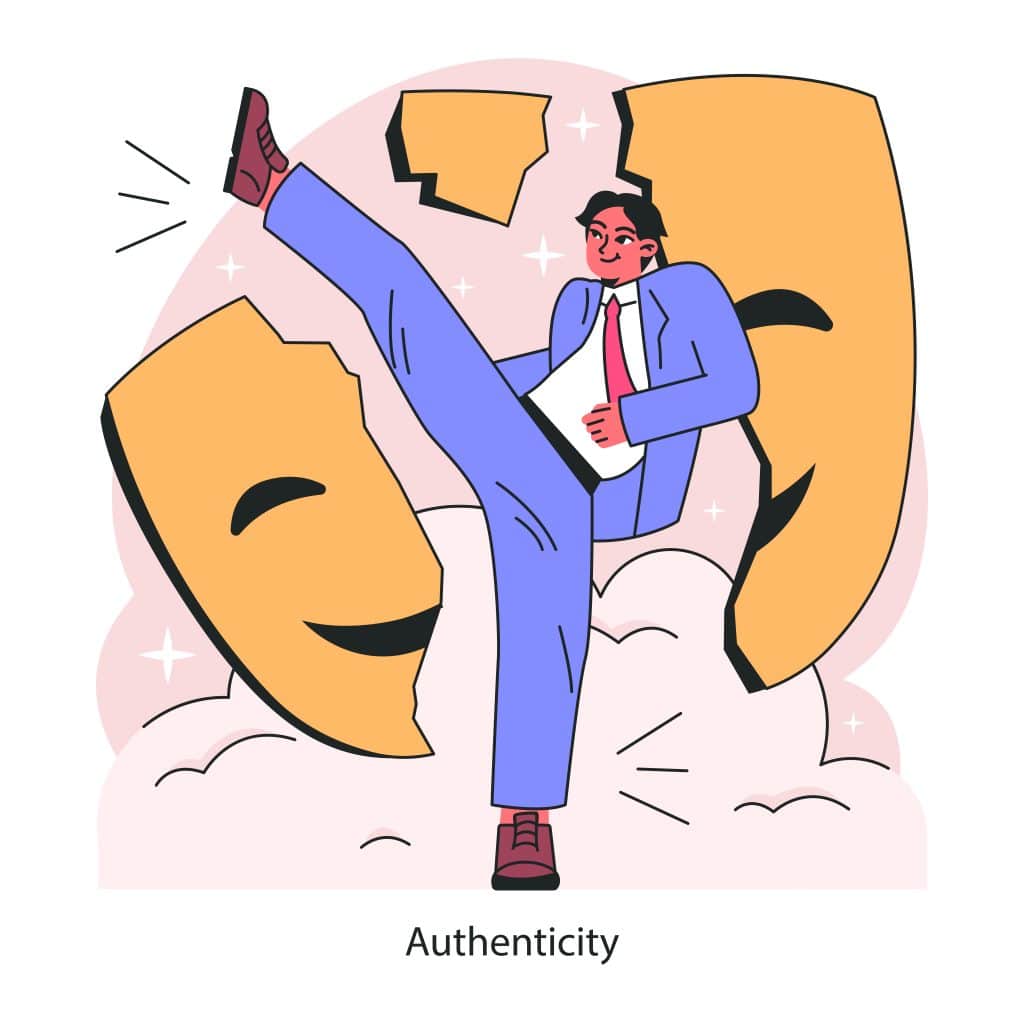
That self expression evolved past style choices and became much deeper quite quickly. When we have time to discover ourselves, it can raise more questions than we thought possible.
How we experimented with gender
It started with how we dressed. There were different alt subtypes: egirl/eboy, kidcore, goblincore etc. It usually aligned with the kind of music or media you engaged with, an agelong tradition. Even if you weren’t into an ‘alt’ genre, there were other extravagant ways to express yourself. You could be cottagecore, coquette, glitchcore, anything you wanted.
And then, I think when everyone started to express themselves differently outwardly, they started to look inwardly a little bit more too. Who do I see myself as, and who would I want to be if there weren’t any repercussions?
This is when people started coming out more. As trans or nonbinary. As gay, bi, pan. As who they wanted to be. As someone who’d identified as nonbinary in my preteen years, it was at this time that I felt a collective encouragement to revisit that identity, and not only accept, but fully explore and flaunt it.
People started finding new ways to present themselves. Neopronouns (pronouns other than the traditional he/him, she/her, and they/them) became more common. There was a kind of creativity here, too, moulding language around your identity rather than the other way around. Forming new words and connecting with language in a fun way.
The new normal
Gender exploration and expression became the norm. As platforms like Twitch became popular, content creators who were popular at the time were interacting with audiences of up to 600,000 live viewers. And every streamer would be asked their pronouns by new viewers. For some streamers who’d never interacted with the LGBT community before, this wasn’t something they’d ever considered.
But instead of the average answer being he/him or she/her, a lot of people who otherwise might’ve never questioned their identity, would say, “Any” or “whatever you want to call me”.
Everyone was in on the new wave, and with such large audiences, Twitch streamers helped normalize a whole new, open attitude towards gender.
But it was just a trend!
This phenomenon has happened before. For anyone on the internet between 2016 and 2018, you might have heard of the term ‘transtrenders.’ It was a pretty hurtful word people used towards individuals who they believed weren’t really trans, and had adopted the identity to fit in with a trend.
But, if so many people wanted to be trans, as in, wanted to be seen as a gender other than the one they were assigned at birth, then does that not make them trans anyway? Do most cis people ever want to be trans?
If you believed you were trans in 2020, even if you just wanted to be part of the trend, it’s worth wondering: why did you want to be a part of the trend in the first place?
How did you feel at the time?
I think it’s important to reflect on how it felt to experiment. For many, as they post their comparison pictures, there is so much freedom and joy in their 2020 looks. There’s a sense of community that they might not have felt before. There’s a confidence to look however they want without judgement.
Is that how you felt in your 2020 trans era? Did you feel excited to express a new part of yourself that you hadn’t explored before?
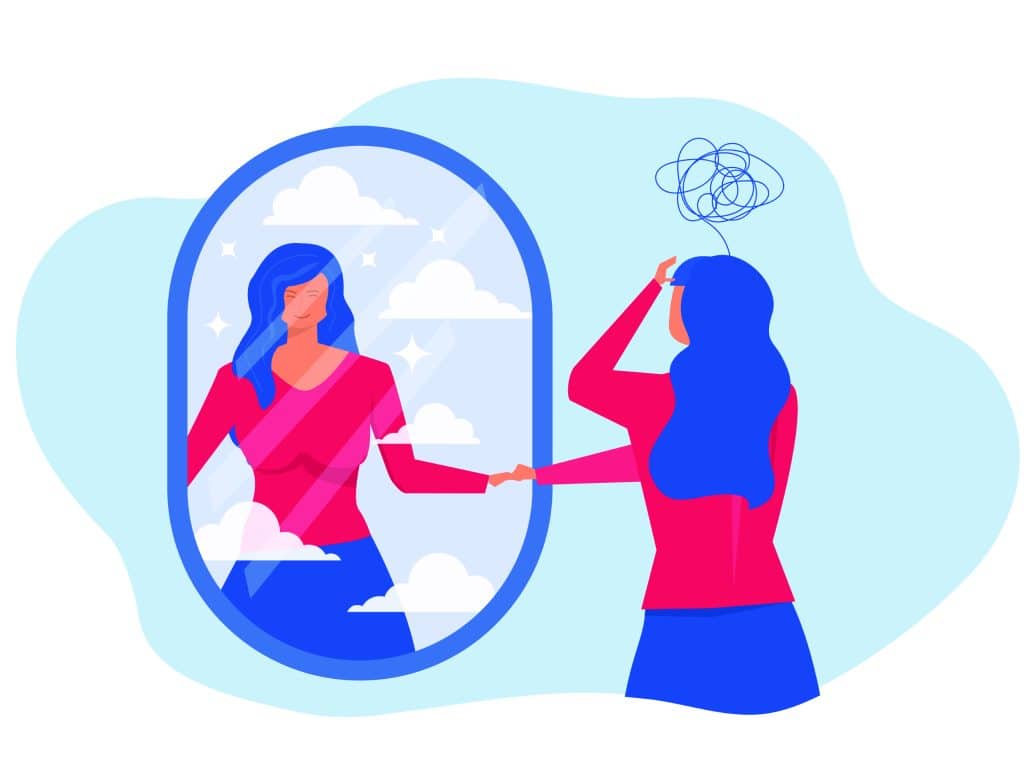
Why did you take it back?
There’s probably countless reasons why it didn’t stick. Maybe once quarantine ended and you were hanging out in public again, your new ‘out-there’ style stood out more than you imagined it would. Maybe a few of your friends decided it wasn’t cool anymore, and you felt compelled to agree. Or maybe you had to start working again, and you needed to look professional. Too much effort to explain your pronouns to all those people who didn’t get it.
It makes sense. The LGBT+ charity Just Like Us reports that 1 in 5 young LGBT adults have experienced bullying at work. It can make you wonder if it’s worth expressing yourself to feel isolated every day. Which then leads to the 25% of LGBT young adults who say they went back in the closet after starting work.
It’s hard to put yourself out there. To be the odd one out. And so it can feel easier to match yourself up with the environment around you. Listen to the same music as everyone else, watch the same shows, wear the same clothes. Because, ultimately, we just want to be understood. So, isn’t it easier to make yourself into someone that most people can understand?
After the pandemic, these trends started to fade. The eyeliner thinned out, the anime hands went back into our pockets, and it quickly became a distant thought: Did we really do that?
Maybe you just don’t think you’re that kind of person anymore, but there was a part of you that was. A part that was excited to try things out, be creative and different. Ready to embarrass yourself for the sake of self expression and fun. And that’s not so cringe, is it?
Bringing yourself back
I’m not going to tell you to transition tomorrow, or at any point really. Your identity is for you to explore and discover. But, if you decide to, how do you start exploring again?
Ultimately, you’ve just gotta be a bit more open and stop calling everything cringe.
Maybe that outfit is cringe. Maybe it’s painfully embarrassing and laughworthy and downright ridiculous, but is there anything wrong with ridiculous? We’re all too worried about what people might think, and it’s holding us back. Do the cringe things and try to make it feel positive again.
Be creative. Revisit those old trends we used to love and start filling your spare time with attempts, failures, and crazy creative projects that have no real purpose. Try even if it’s embarrassing, just because you want to.
And lastly, find a community again. During the pandemic, we were in a big online bubble, finding our niche in TikTok subgroups and Discord chats. But now that we’re back in the real world, we can find a sense of community again and connect in-person. You don’t have to fit in with people you don’t want to.
Maybe you’ll find that you’re right and you don’t feel connected to the identity you had back in 2020, but you owe it to yourself to take another look and find that out for yourself.