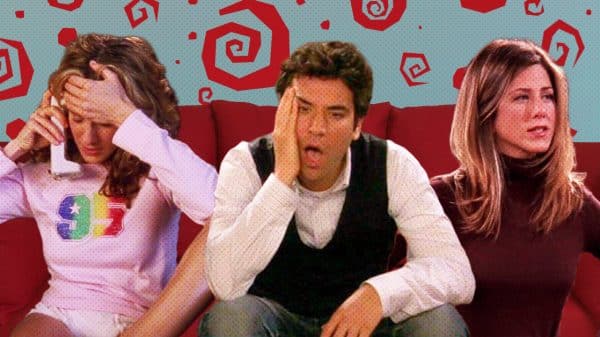


We expect heartbreak from romantic relationships; there are playlists, movies, and entire self-help industries built around it. But when you lose a friend, someone who’s seen you through years of change, who’s held your secrets, who feels like family, it can feel equally devastating, yet this pain is strangely invisible.
Friendship breakups rarely get the same compassion or attention. People might say, You’ll make new friends or You just drifted apart, as if the grief of losing someone platonic is less valid. But it’s not. The end of a friendship can shake your sense of self, your memories, and even your social world.
Why It Hurts So Much: The Psychology Behind Losing a Close Friend
There’s a reason a friendship breakup can feel like emotional whiplash. Psychologists describe close friendships as “chosen families,” and that isn’t an exaggeration. These relationships are built through shared experiences, inside jokes, vulnerable moments, and the kind of emotional trust that often mirrors romantic love. When that bond shifts or breaks, the loss doesn’t feel casual or replaceable; it feels like part of your support system has suddenly disappeared.
Research on social pain shows that losing a close friend activates the same neural pathways in the brain associated with physical pain. Your body literally interprets the separation as injury. That’s why the ache shows up in your chest or stomach, why you keep replaying conversations in your mind, and why the sadness lingers even when your logical brain insists it’s “just a friend.” The grief is real, and it’s rooted in biology, not drama.
Friendships also hold emotional history. A best friend becomes tied to specific versions of yourself, such as your high school identity, your college years, or the chaos of your 20s. They saw you through transitions, crises, bad decisions, and life milestones. So when the friendship ends, it can feel like losing a witness to your life. You might find yourself wondering who you are without the person who understood your humor immediately, who sensed your mood before you said a word, who remembered the details you always forgot.
What makes it even more difficult is that friendship endings are usually unclear. There’s no defined “breakup,” no official conversation, no mutual agreement to part ways. Instead, texts slow down, plans get postponed, and the closeness that once felt effortless becomes strained. You start noticing the small gaps, like how they stop asking follow-up questions, how the laughs feel shorter, how the things you used to share now stay unspoken.
This ambiguity creates its own quiet heartbreak. You’re left guessing: Should I reach out more? Did I do something wrong? Are we drifting, or am I imagining it? Without closure, the confusion in your mind loops, making the loss feel even more personal. Because society doesn’t treat platonic breakups as “real,” people often suffer through that grief alone, unsure if they’re even allowed to call it what it is: an ending.
Friendship breakups hurt so deeply because they challenge your sense of identity, belonging, and emotional safety. Losing someone who once felt like home leaves a gap that isn’t easy to fill, and honoring that hurt is the first step toward healing.

Spotting the Signs: When Connections Turns to Tension
Friendships usually fade gradually, not overnight. But there are small shifts that signal something’s changed.
Maybe you start feeling drained after interacting. Their jokes sting a little more than they used to. You catch yourself holding back news about your life because you’re not sure how they’ll react. These subtle hesitations are emotional red flags that your connection isn’t aligning the way it once did.
Common signs a friendship might be nearing its end include:
- Uneven effort: You’re always the one reaching out or planning.
- Emotional mismatch: One person has grown while the other still expects the old dynamic to remain unchanged.
- Unspoken resentment: Petty irritations replace genuine care.
- Competition disguised as concern: They downplay your achievements or turn your struggles into theirs.
- Avoidance: You start dreading their calls or overthinking texts.
Recognizing these signs isn’t about blame; it’s about awareness. Friendships are living relationships that need balance and reciprocity. When they no longer bring comfort or safety, it’s a cue to step back and ask if both people are still showing up with respect and care.
Boundaries vs. Avoidance: How to Step Back
Setting boundaries doesn’t mean cutting someone off without explanation. It’s not a dramatic exit or a punishment. Boundaries simply mean choosing what protects your emotional well-being while still leaving space for honesty and respect. The problem is that many people confuse boundaries with avoidance, even though they come from entirely different places.
Avoidance is driven by fear. Ignoring messages, disappearing, or hoping distance will magically fix the tension are all signs of avoidance. It’s the emotional equivalent of closing the door and pretending no one is knocking. It feels easier in the moment, but it often creates more confusion and resentment for both parties.
Boundaries, however, come from clarity. They acknowledge that something in the dynamic isn’t working and deserve honesty. They might sound like:
- “I care about you, but I need some space right now.”
- “Our friendship feels different lately, and I want to be open about that.”
- “I’m overwhelmed, and I need to step back a little.”
These statements don’t shut down the friendship; instead, they give it structure. Healthy boundaries can actually protect a friendship. They help both people adjust their expectations, especially if you’re in different seasons of life or growing at various speeds. Sometimes a little space allows the friendship to breathe instead of break.
Boundaries can reveal when a friendship can’t be saved. If communication becomes consistently hurtful, if you’re always the one apologizing, or if your needs are brushed aside, even after setting a boundary, it may indicate that the relationship isn’t able to meet you halfway. In those cases, letting go isn’t cruel; it’s necessary. Walking away can be an act of self-respect, even if it feels painful. Ending the friendship doesn’t erase what it meant; it simply acknowledges that you can’t stay in a place that no longer treats you with care.
To Talk Or Not to Talk
Unlike romantic relationships, friendship endings don’t come with a script. There’s no expected “breakup talk,” no step-by-step blueprint, no universally accepted way to end things. This is part of why friendship breakups feel so confusing: you’re left trying to decide whether to address the tension directly or let the distance unfold on its own. The truth is, both approaches can be valid, depending on the nature of the relationship.
If you choose to have a conversation, it helps to approach it with care rather than confrontation. A friendship breakup conversation shouldn’t sound like a courtroom argument. It’s about expressing how you feel, not proving the other person wrong. That’s why using “I” statements instead of “you” accusations matters—they lower defensiveness and keep the focus on your experience. You might say things like:
- “I’ve noticed we’re not connecting the way we used to.”
- “I feel like I’ve changed, and I need to be honest about where I’m at.”
- “This friendship means a lot to me, but I think we both need space to grow.”
These kinds of statements allow you to share your truth without placing blame, and they give the other person clarity rather than confusion. Even if the conversation is uncomfortable, it can offer real closure. It dissolves lingering resentment and acknowledges the history you shared. It says, “This mattered to me,” even if the friendship can’t continue in the same way.
But there are also times when a conversation isn’t the right path. If the friendship has become toxic and full of manipulation, hostility, or cycles that harm your mental health, initiating a talk may only lead to more pain. In those situations, choosing not to engage isn’t avoidance; it’s protection. Quietly stepping back, creating distance, or allowing the friendship to fade can be an act of grace toward yourself. Not every ending needs to be spoken aloud, especially if the other person has shown they can’t meet you with empathy.
The most important thing to remember is that closure doesn’t always come from the other person. You may never get the apology, the explanation, or the final conversation you wish you had. But closure can still happen. It’s something you create through acceptance, by acknowledging what the friendship was, what it became, and why it’s time to let go. In that sense, the end of a friendship isn’t about having the perfect goodbye; it’s about choosing peace over confusion and honoring the role the friendship played in your life, even as you move forward without it.
Social Media & Shared Circles
Every modern friendship breakup gets especially tricky because you still see them everywhere.
You scroll past their stories, mutual friends tag them, or the algorithm decides to remind you of your “memories” together.
The first step to combat this is control. Mute, unfollow, or limit exposure—whatever helps you stop reopening emotional wounds. It may seem petty, but it’s not; it’s healthy. Social media keeps people artificially close, and sometimes you need digital distance to match emotional distance.
Shared friend groups complicate things further. Suddenly, every hangout feels political. You might worry about being talked about or compared. The best approach? Stay neutral, kind, and transparent. Don’t make people choose sides, but don’t shrink yourself to stay comfortable either. Let time and honesty do the work of rebalancing dynamics.
If mutual friends bring up your ex-friend, it’s okay to set a boundary there, too. Something like, “I’d rather not talk about that right now.” You don’t owe anyone a play-by-play of your healing.
Rebuilding Your Space for New Connections
A friendship breakup can leave a strange kind of loneliness. You might feel like no one else “gets” you in the same way. But this is also where growth quietly begins.
Start by acknowledging the grief. You lost something real, even if it wasn’t romantic. Journal about it, talk to someone you trust, or give yourself small rituals of closure, such as deleting old messages or revisiting shared places with a new perspective.
Then, turn inward. Ask yourself: What did this friendship teach me? What do I want to do differently next time? Healing isn’t about replacing the friend immediately; it’s about reconnecting with the parts of yourself that friendship once reflected.
Over time, you’ll notice shifts. The heavy ache will start to soften. You’ll laugh without guilt, enjoy your own company again, and meet new people who align with who you’re becoming now.
Seeing Endings as Growth, Not Failure
We’re often taught to measure the strength of a friendship by how many years you’ve known each other, how many photos you’ve taken together, and how many inside jokes you’ve collected. However, real friendship has never been about time; it’s about alignment. It’s about whether two people still bring out the best in each other, still support each other’s growth, and still feel safe being seen. Some friendships last decades. Others last only a few seasons. Both can be meaningful.
The truth is, friendship breakups can be a sign of growth, not failure. By processing it maturely, you become more aware of your emotional needs, boundaries, and self-worth. You’re learning that peace is better than pretending, and holding onto something out of habit is not the same as holding onto something out of love.
So when you think about the friend who used to know you best, try not to let the story end with loss or guilt. Let it end with gratitude for the comfort you shared, for the lessons you learned, and for the version of yourself who felt safe with them. Their role in your life mattered, even if it wasn’t permanent.
Moving on isn’t always about forgetting the friendship. Instead, remember it not as a failure but as something that helped shape who you are now.